What to Do When a Dragon Bone Plant Gets Bugs? Learn to Prevent and Treat 4 Pests and 2 Diseases
As an attractive plant with powerful benefits, the dragon bone plant is hugely popular. Growing it indoors not only beautifies your home but also purifies the air. However, growing it indoors is not the same as outdoors, because environmental factors mean it often falls victim to pests and diseases. So what should you do when a dragon bone plant gets bugs? Below are 6 pest and disease control methods for the dragon bone plant. Follow along with the editor to learn more.
1. When the dragon bone plant gets bugs, spray with pesticide
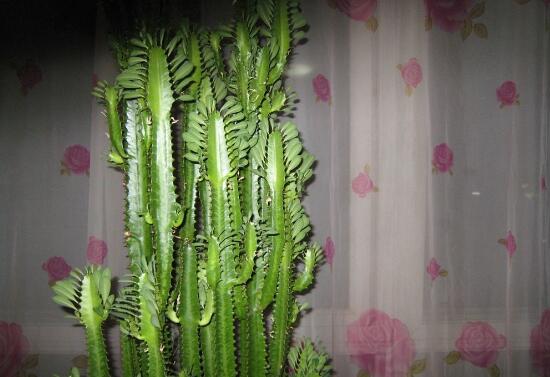
The dragon bone plant is highly adaptable and very easy to keep alive, but because beginners do not know how to grow it and have no idea about the care methods for dragon bone plants, they end up with pests and diseases, which greatly affects the plant's growth. So what should you do when a dragon bone plant gets bugs? At this point, all you need to do is identify which pest it is and then spray to solve the problem. Below are 6 pest and disease control methods for the dragon bone plant. Let's continue reading.
2. Pest and disease control for the dragon bone plant
1. Red spider mite
The dragon bone plant rarely suffers from pest problems, but if the room is poorly ventilated, red spider mites may appear and damage the top of the plant. Symptoms of infestation: the top turns reddish-brown and develops spider webs, and the plant's growth and development are affected.
Control method: After discovering the pests, you can treat with decis, or evenly spray 40% dicofol emulsifiable concentrate at 1000—1500 times dilution, 20% dicofol emulsifiable concentrate at 500-600 times, or 5% hexythiazox emulsifiable concentrate at 1500 times. Alternating the treatments gives better results.
2. Aphids
Aphids are another pest that can appear on the dragon bone plant. They mainly damage the leaves and buds, sucking large amounts of sap and causing poor plant growth. Control method: When there are few aphids, apply plant ash to the leaf surface and rinse it off to remove them; when there are many aphids, spray 40% omethoate emulsifiable concentrate at 1000 times dilution, or 50% fenitrothion emulsifiable concentrate at 1000 times dilution for control.
3. Scale insects
The dragon bone plant can also be attacked by scale insects, which easily break out in poorly ventilated environments. They attach to the leaves and cause them to lose their luster. Symptoms of infestation: the dragon bone plant's leaves turn yellow, and in severe cases the plant will die.
Control method: When there are few scale insects, dip a cloth in laundry detergent solution and wipe off the insects; when there are many pests, spray dichlorvos at 1000-15000 times dilution, or 50% malathion emulsion at 1000 times dilution for control.
4. Other pests
In addition to the three pests above, the dragon bone plant may also be attacked by wireworms, white grubs, and mole crickets. In that case, you can drench the roots with a 1000-times dilution of insecticide, which effectively stops them. Besides this, the dragon bone plant can also get snails, which eat the stems and leaves of the plant. When catching them, be careful not to break the branches and leaves. The reason for this is that the dragon bone plant is toxic, and getting its sap on you will cause serious trouble.
5. Scab
This is a common disease of the dragon bone plant. It mainly erodes the branches and stems of the plant, producing many scattered or clustered brown spots, and the epidermis near the spots becomes sunken. It is understood that this disease mostly occurs in rainy weather and is caused by fungi.
Control method: In mild cases, the diseased spots can be dug out with a small knife, and the affected area smeared with Bordeaux mixture; in severe cases, spray 40% triadimefon carbendazim or 45% triadimefon thiram at 50-100 times dilution for control, spraying once every 7-15 days, and 2-3 sprays should show results.
6. Anthracnose
What diseases does the dragon bone plant have? They also include anthracnose, which mainly damages the succulent stems and causes lesions to appear on the stems. The spots formed by this disease are relatively large, with a diameter of 2-3cm, some semicircular in shape and some oval, brown in color, later turning grayish-white.
Control method: After discovering that the dragon bone plant has anthracnose, you should cut away the diseased parts and apply copper oxychloride solution once every 5 days; if the disease has not been present for long, use 30% copper oxychloride combined with 70% mancozeb and apply once every ten days; 2-3 sprays will do.
That's all the editor has to share about pest and disease control for the dragon bone plant. I believe everyone now knows what to do when their dragon bone plant gets sick! Overall, the dragon bone plant is rarely troubled by pests and diseases. As long as you care for it carefully, these pests and diseases will not come knocking. Finally, may everyone's dragon bone plant bloom beautiful flowers.
What Is the Flower Language of the Dragon Bone Plant? Dragon Bone Plant Flower Language and Legend / Representing an Endless Future
The dragon bone plant, also known as the dragon bone flower, overlord's whip, and three-angled cactus, is clearly a very imposing plant just from its name. But although the dragon bone plant grows very robustly, the flowers it produces give people a soft and graceful feeling. This "beauty and the beast" combination is unforgettable once seen. If it blooms, it naturally has a flower language. So what is the flower language of the dragon bone plant? Below, follow along with the editor to look at the dragon bone plant's flower language and legend.
1. Feng shui of placing the dragon bone plant indoors
If you are someone who believes in feng shui, before learning about the dragon bone plant's flower language, it is necessary to first know about the feng shui of placing it indoors. It is understood that the dragon bone plant, like the cactus, is covered in spines, and in feng shui terms this means it will trigger the "sharp corner sha." If you place it on a balcony, it can dissolve outside negative energy.
Looking at its appearance, the dragon bone plant's stems grow upright and upward, shaped like an upright dragon's spine, full of power, and has a strong ability to resist external negative energy. Such a plant is naturally suitable for placing indoors, and even if you do not pay attention to the feng shui of placing the dragon bone plant indoors, simply because of its powerful benefits, plant lovers should still buy one and try growing it at home.
2. Dragon bone plant flower language and legend
(1) The flower language of the dragon bone plant: an endless future
The dragon bone plant has a long flowering period, blooming continuously from July to December. Its flowers are huge, beautiful, and full of mystery. Beautiful flowers all have their own unique flower language. The dragon bone plant has a peculiar appearance and keeps growing upward, toward the sky, as if an endless future awaits its exploration. Therefore, the flower language of the dragon bone plant is an endless future.
(2) The legend of the dragon bone plant
After learning about the flower language of the dragon bone plant, let's look at its legend. According to legend, a very, very long time ago, there was a poor woman who got lost in the desert. She walked and walked until, exhausted, she lay on the sand calling out silently. Just when she was in pain and had no one to call for help, she suddenly heard a clear and powerful voice telling her to quickly eat the plant beside her.
In the desert, there were almost no other plants. The woman struggled to reach out and feel around. Unable to open her eyes, she sensed that beside her was the dragon bone plant, bearing many dragon fruits that, like little flames, urged her to hold on. After the woman painstakingly ate the dragon fruit, something miraculous happened: she revived, her strength quickly recovered, she was full of vitality again, and she successfully walked out of the desert.
From then on, the legend of the dragon bone plant was passed down from generation to generation. It was revered by people as the immortal grass, and the dragon fruit was also called the immortal fruit. Whether its branches, flowers, fruits, or roots, all became special crops for the local people. As a sacred symbol, the dragon bone plant and dragon fruit were respected by people, and this tradition later spread across the globe with the global aggression and expansion of European colonialism.
How to Grow the Dragon Bone Plant? Home Care Methods for the Dragon Bone Plant
The dragon bone plant belongs to the cactus family, with many branches, and is blue-green in color. The plant generally grows 4 or 5 meters tall, and its vigorous, upright body is a sight to behold. The dragon bone plant is also a relatively easy potted plant to grow, and the key point is that it can guard the home and ward off evil. It also has excellent ornamental value and can absorb harmful gases from the air, thereby purifying the air. The dragon bone plant is also a good rootstock; plants like crown of thorns and Christmas cactus can be grafted onto it. Below, the editor has compiled some care methods for the dragon bone plant to share with everyone.
Light
The dragon bone plant likes a place with plenty of sunlight, and generally placing it on a sunny balcony is enough. In summer, when the light is too strong, be careful to shade it, otherwise it can easily scorch the dragon bone plant's leaves.
Watering
The dragon bone plant is a succulent plant with good drought tolerance, so you must not water it too much. Generally, when you see that the potting soil is a bit dry, you can water it a little, but in moderation, otherwise it can easily cause root rot.
Repotting
The dragon bone plant grows quickly and the plant is generally quite tall, so it usually needs to be repotted once every two years. When changing the soil, keep some of the old soil, as this is good for root growth. When repotting, disinfect the new pot before using it.
Fertilizing
The dragon bone plant does not need much fertilizer. Generally, burying some base fertilizer in the potting soil before planting is enough. When repotting, you can add a little organic fertilizer, but the concentration must be low, otherwise root burn will occur.
Pruning
The dragon bone plant should be pruned regularly in normal times, cutting away excess branches and leaves, which will make it more neat and attractive. Withered and yellow branches and leaves should also be pruned away, otherwise they will continue to absorb nutrients and cause nutrient loss.
Soil
The dragon bone plant is not strict about soil. Generally, choose a sandy soil with good drainage, which is good for root respiration and nutrient absorption, thereby promoting the growth of the dragon bone plant.
The above are the dragon bone plant care methods compiled by the editor of Huinong Network. Finally, the editor wants to mention one small drawback of the dragon bone plant: the stems have spines, so households with small children should be especially careful. The white liquid in the stems is also toxic, so never break the stems or leaves. If you touch it, be sure to wash your hands immediately.