What to Do When the Silver Queen Has Pests? 2 Pest and 2 Disease Control Methods
In the process of growing the Silver Queen (Aglaonema), the last thing we want to encounter is problems like pests and diseases. Such problems are extremely harmful to the plant, not only affecting its appearance, but in severe cases even causing the plant to wither and die. So what should you do when the Silver Queen has pests? How should pest and disease control for the Silver Queen be carried out? Let's take a look together below.
I. What to Do When the Silver Queen Has Pests - First Find the Cause
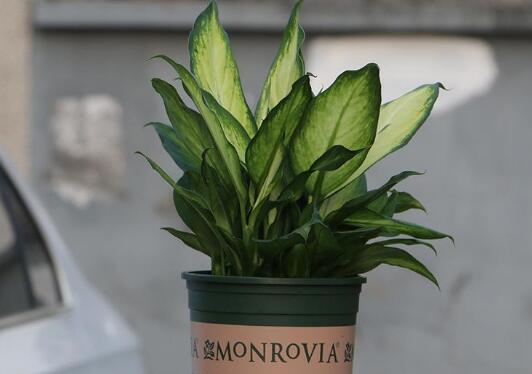
To know what to do when the Silver Queen has pests, we first need to know what kind of pest it is, so we can deal with it in a targeted way, because the control methods for each pest and disease of the Silver Queen are different. The specific details are below, so let's keep reading.
II. Pest and Disease Control for the Silver Queen (Pests)
1. Scale insects
Scale insects are a relatively common pest during the growth of the Silver Queen. They mainly threaten the leaves, branches and fruits of the Silver Queen, causing its leaves to gradually turn yellow and drop, and eventually the whole Silver Queen plant will gradually wither.
Control method: When controlling this pest and disease of the Silver Queen, we can use a 50% malathion emulsion at 1000-1500 times dilution for spraying and killing, spraying about once a week, and 2-3 times will completely eliminate it.
2. Brown soft scale
Brown soft scale is an insect of the family Coccidae. It mainly feeds on the sap in the leaves of the Silver Queen, gradually sucking out the sap, which causes the plant to lose a large amount of nutrients and develop yellowing and withering leaves.
Control method: When controlling this pest and disease of the Silver Queen, we can use a 20% fenvalerate emulsion at 2000 times dilution to spray and kill it directly.
III. Pest and Disease Control for the Silver Queen (Diseases)
1. Leaf spot disease
Leaf spot disease is a disease caused by fungi. Its peak period is in spring and autumn each year, so everyone must pay special attention during this time. Leaf spot disease mainly harms the leaves of the Silver Queen. When it occurs, many round spots appear on the leaves, and the spots gradually expand and become irregular in shape, eventually causing the plant to gradually wither and die.
Control method: When controlling this pest and disease of the Silver Queen, we can use 0.5%-1% Bordeaux mixture or a 50% carbendazim solution at 1000 times dilution to spray and control the diseased plant.
2. Anthracnose
Anthracnose mainly threatens the leaves of the Silver Queen. In the early stage of the disease, many brown spots appear on the leaves, and as time goes on the spots gradually expand and can occupy half the area of the leaflets, preventing the plant from carrying out photosynthesis, so it gradually withers and yellows, and the leaves gradually drop off.
Control method: When controlling this pest and disease of the Silver Queen, we can use Bordeaux mixture or a thiophanate solution at 1500 times dilution for spraying, generally spraying once every 7-10 days, and 2-3 times will bring a full recovery.
What to Do When Calendula Has Pests - Pest and Disease Control for Calendula / 2 Pests and 2 Diseases
In the process of growing calendula, the last thing we want to encounter is problems like pests and diseases, because such problems are extremely harmful to the plant, not only affecting its beauty, but in severe cases even causing the plant to wither and die. So what should you do when calendula has pests? How should pest and disease control for calendula be carried out? Let's take a look together below.
I. What to Do When Calendula Has Pests - Spray with Pesticides
When it comes to what to do when calendula has pests, the most direct method is actually to spray with pesticides, but the pesticide used for each pest and disease is different. The specific details are in the pest and disease control for calendula below. Friends troubled by this can take a look, and of course friends who have not encountered such problems can also take a look, since prevention is better than cure.
II. Pest and Disease Control for Calendula (Pests)
1. Aphids
Among the pests and diseases of calendula, aphids are one of the most harmful. They mainly harm the leaves, stems, tender tips and tender ears of calendula, gradually sucking out the sap, which causes the plant to lose a large amount of nutrients and gradually wither and die.
Control method: When aphids are found, we can wash the plant with clean water or soap to achieve control. If there are relatively many aphids, we can directly use a 50% malathion emulsion at 1000 times dilution for spraying and killing.
2. Red spider mites
Red spider mites are animals of the family Tetranychidae in the class Arachnida. Their peak period is in summer each year, so everyone must pay special attention at this time. When this pest occurs, the leaves of calendula gradually turn yellow and white, and if left untreated for a long time it can also cause the plant to wither.
Control method: When controlling this pest and disease of calendula, we can use an 80% dichlorvos solution at 1000 times dilution to spray and kill it.
III. Pest and Disease Control for Calendula (Diseases)
1. Downy mildew
Downy mildew is a plant disease caused by fungi. This disease mainly threatens the leaves of calendula. In the early stage of the disease, many light yellow spots appear on the leaves, and as time goes on they gradually spread, eventually causing the leaves to gradually wither, yellow and fall.
Control method: When controlling this pest and disease of calendula, we can use a 400-600 times dilution of HILOT Kai Shuang for spray dilution to spray the diseased plant, generally spraying once every 5-7 days, and 2-3 times will bring a full recovery.
2. Rust disease
Rust disease is one of the more common pests and diseases of calendula. This disease mainly threatens the leaves, stems and fruits of the plant. When it occurs, many small blister-like spots appear on the affected parts, and in severe cases the spots densely merge into patches, and the plant rapidly withers and dies as a result.
Control method: When rust disease appears on calendula, we can use a 50% carboxin wettable powder at 2000 times dilution to spray it, generally spraying once every 7-10 days, and 1-2 times will bring a full recovery.
What to Do When Bougainvillea Has Pests - Pest and Disease Control for Bougainvillea / 2 Pests and 2 Diseases
In the process of growing bougainvillea, the last thing we want to encounter is problems like pests and diseases. Such problems are extremely harmful to the plant, not only affecting its ornamental value, but in severe cases even causing the plant to wither and die. So what should you do when bougainvillea has pests? How should pest and disease control for bougainvillea be carried out? Let's take a look together below.
I. What to Do When Bougainvillea Has Pests - Find the Cause
To know what to do when bougainvillea has pests, we first need to understand what kind of pest it is, so we can deal with it in a targeted way, because the control methods for each pest and disease are different. The specific details are introduced below, and friends troubled by this can take a look.
II. Pest and Disease Control for Bougainvillea (Pests)
1. Aphids
Aphids are a pest that can appear on many plants, and bougainvillea is no exception. They mainly feed as nymphs on the sap in the leaves, stems, tender tips and tender ears, causing the plant to lose a large amount of nutrients and eventually wither.
Control method: For aphids, this pest and disease of bougainvillea, the most direct method is to spray and kill them with pesticides. In terms of pesticide, we can choose a 50% pirimicarb wettable powder at 3000 times dilution.
2. Scale insects
Scale insects are an extremely harmful pest, mainly threatening the leaves, branches and fruits of the flamingo flower. They gather on the branches, leaves and fruits, causing leaves to turn yellow, branch tips to wither, tree vigor to decline, and they can also trigger sooty mold.
Control method: When dealing with scale insects, this pest and disease of bougainvillea, we can directly use a 45% malathion emulsion at 1000 times dilution to spray and kill them.
III. Pest and Disease Control for Bougainvillea (Diseases)
1. Leaf spot disease
Leaf spot disease, as its name suggests, harms plant leaves. When it occurs, many irregular spots appear on the leaves of bougainvillea, and as time goes on small black dots also appear on the spots, greatly affecting its ornamental value.
Control method: When dealing with this pest and disease of bougainvillea, we can use a 50% carbendazim wettable powder at 500 times dilution to spray the diseased plant, generally spraying once every 7-10 days, and 3-4 times will bring a full recovery.
2. Brown spot disease
Brown spot disease is also called Rhizoctonia damping-off disease. It is a fungal disease caused by Rhizoctonia solani. When it occurs, many yellow-brown to light brown spots 0.1-0.5 cm in diameter appear on the leaves, and as time goes on the spots gradually spread, eventually causing the plant to wither and die.
Control method: When we find this pest and disease of bougainvillea, if the number of diseased leaves is relatively small, we can promptly remove and destroy them. If there are many, we must use a 70% mancozeb wettable powder at 400 times dilution for treatment, generally spraying the diseased plant once every 10 days, and 3 times will bring a full recovery.