Petunia virus disease, leaf spot, and white mold control methods, with prevention as the priority
Petunias themselves are not prone to pests, but sometimes neglected care leads to infection by diseases and pests, which not only causes the flowers to wither prematurely, but also makes the plants grow slowly or even die. The more common diseases and pests include white mold, leaf spot, virus disease, and aphids. Below, let us learn about the methods for controlling petunia diseases and pests.
Petunia disease and pest control
1. White mold
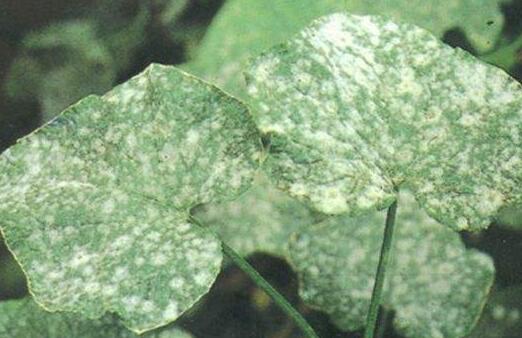
It mainly harms the leaves of petunias, causing irregular polygonal spots on the leaves. The color is light green at first, then turns yellow-green, and many white patches also appear on the underside. In severe cases, the leaves wither and drop.
Control: White mold is mainly caused by fungi. The conditions for onset are temperatures of 25-30 degrees and high humidity, among others. Therefore, when controlling it, avoid air humidity that is too high. At the same time, spray the leaf surfaces with a 1500-fold solution of 50% benomyl wettable powder or a 600-700-fold solution of 36% thiophanate-methyl suspension concentrate.
2. Leaf spot
Like white mold, it mainly harms the leaves. When the disease occurs, round spots first appear on petunia leaves, but afterward the spots expand into irregular shapes. The color changes from reddish-brown to dark brown, with grayish-brown in the center, and finally brown markings also appear on the petioles and stems.
Control: The cause of onset is poor ventilation and excessive humidity, so in normal times it is necessary to ensure that petunia cultivation methods are scientific and to keep the environment well ventilated. After onset, spray with a 1000-fold solution of 50% amobam.
3. Virus disease
It is caused by plant viruses parasitic on the plant. When the disease occurs, there are four manifestations: mosaic type, yellowing type, necrosis type, and deformity type. Viruses can sometimes remain parasitic on plants for several years, so among petunia disease and pest control, this is a relatively difficult type to prevent.
Control: To avoid the occurrence of virus disease, when selecting varieties, those with stronger disease resistance are preferable. At the same time, do a good job of disinfecting the soil and roots. When the disease occurs, spray with a 1000-fold solution of 40% omethoate.
4. Aphids
Flower enthusiasts with many years of growing experience are no strangers to aphids, because they are one of the most widely distributed pests. Although inconspicuous, they are enormously harmful. They can cause petunia leaves to necrose and can also trigger other diseases, so they should be found and removed as early as possible.
Control: When aphids are discovered, first remove some of them with a damp cloth or brush, then spray with chemicals. Commonly used agents include a 1000-fold solution of 10% omethoate emulsifiable concentrate, a 1000-fold solution of dichlorvos emulsifiable concentrate, and so on. In normal times, do a good job of environmental sanitation.
Petunia cultivation methods and petunia disease and pest control
Petunia is one of the most popular home decorative flowers. It can serve as a very good accent and give a room a lively vitality. Next, we will share with everyone the cultivation methods for petunias and knowledge about petunia disease and pest control.
Petunia cultivation methods:
1. Soil: It requires slightly acidic, loose, fertile, and well-drained soil. For potting soil, generally sandy loam and leaf mold can be mixed evenly in equal halves.
2. Fertilizing: Petunias have a long flowering period and need continuous nutrient replenishment to keep blooming. Therefore, during the growing period, generally apply a dilute liquid fertilizer once about every 10 days. During bud formation, it is advisable to apply more phosphorus fertilizer to encourage more flowers and brighter colors.
3. Watering: In normal times, watering should be moderate to prevent excessive dryness or excessive wetness. If too dry, the plant easily wilts; if too wet, the roots easily rot. In summer, when the weather is hot and evaporation is greatest, replenish water promptly to keep the potting soil moist but not waterlogged. During the rainy season, drain promptly to prevent waterlogging.
4. Light: Petunia is a long-day plant and requires strong light conditions for photosynthesis to proceed smoothly. Therefore, whether potted or planted in the ground, it needs to be given sufficient light. With ample sunlight, it grows robustly, with lush leaves and abundant flowers; if light is insufficient, the branches and leaves easily become leggy, and there are fewer flowers or poor flower quality.
5. Temperature: For petunias, 20°C is most suitable for seed germination. Its optimum growing temperature is 13-18°C. In winter, the temperature should be 4-10°C. If it is below 4°C, plant growth stops. In summer, it can tolerate high temperatures above 35°C.
6. Pruning: When the seedlings grow to about 10 cm tall, pinch off the growing tips to encourage side branches to sprout, resulting in more flowers. After each flowering, if seeds are not needed, promptly cut off the spent flowers and shorten the branches, and side branches can continue to sprout and keep blooming.
Petunia disease and pest control
1. White mold
After onset, promptly remove diseased leaves. In the early stage of onset, spray with a 600-800-fold solution of 75% chlorothalonil.
2. Leaf spot
Try to avoid bruising the leaves and pay attention to preventing wind damage, sunscald, and freezing injury; promptly remove diseased leaves and burn them, and be careful to clear away fallen leaves; spray with a 1000-fold solution of 50% amobam.
3. Virus disease
An indirect control method is to spray insecticides to control aphids, spraying a 1000-fold solution of 40% omethoate; during cultivation work, tools and hands that have come into contact with diseased plants must be disinfected.
4. Aphids
When large numbers of aphids are found, isolate promptly, and spray with a 1000-fold solution of 10% omethoate emulsifiable concentrate, or a 1000-1500-fold solution of malathion emulsifiable concentrate, or a 1000-fold solution of dichlorvos emulsifiable concentrate, or a 15000-20000-fold solution of Gaobo (70% imidacloprid) water-dispersible granules.
Petunia disease and pest control, flower growers come to help
Petunia is a fairly commonly used flowering plant for beautifying and accenting, and it is also the most popular decorative accent plant for the home. The beautifying effect is very good when used on home windowsills, in living rooms, and other places, but petunia care requires attention to avoid diseases and pests. Below, let us learn what diseases and pests petunias have and how to solve them:
Petunia disease and pest control:
Petunia white rust:
White rust mainly harms the leaves, petioles, and tender stems of petunias. In the early stage on affected leaves, small light green spots appear on the leaves, then gradually turn pale yellow. In severe cases, they expand into large diseased spots. Later, white scar-like protrusions form on the underside of the diseased area. When tender stems are affected, flowers and stems become distorted. When the diseased spots surround the petiole or tender shoot, the host parts above the girdling grow poorly and shrivel and die. Solution: In the early stage of onset, spray 1% Bordeaux mixture or a 500-fold solution of 50% dimethomorph, once every 10-15 days for a relatively good control effect.
Petunia white mold:
It mainly harms the leaves of petunias. In the early stage, it is mainly in the form of patches of white spots, and in severe cases it easily causes diseased leaves to drop. Solution: After onset, promptly remove diseased leaves. In the early stage of onset, spray with a 600-800-fold solution of 75% chlorothalonil.
Petunia leaf spot:
Leaf spot is also one of the main diseases harming petunias. It mainly harms the leaves, and in severe cases can also cause plant death. Solution: Remove diseased leaves and burn them, and be careful to clear away fallen leaves; spray with a 1000-fold solution of 50% amobam.
Petunia virus disease:
Petunia virus disease mainly manifests as slow plant growth, relatively weak plants, and yellowing of the leaves. Solution: Spray with a 1000-fold solution of 40% omethoate.
Aphids:
They are the main pest of petunias, mainly attacking petunia leaves, tender stems, and so on. Solution: When large numbers of aphids are found, isolate promptly, and spray with a 1000-fold solution of 10% omethoate emulsifiable concentrate, or a 1000-1500-fold solution of malathion emulsifiable concentrate, or a 1000-fold solution of dichlorvos emulsifiable concentrate, or a 15000-20000-fold solution of Gaobo (70% imidacloprid) water-dispersible granules.
Petunia is a flowering plant that grows relatively vigorously, so attention must also be paid to care in order to avoid infection by diseases and pests, which affects growth and reduces ornamental value. The above are the various diseases and pests commonly appearing on petunias and their solutions. We hope they are helpful to everyone.