Oncidium pest and disease control methods: mosaic virus disease, soft rot, whitefly
Oncidium is popular because of its brightly colored flowers, but if the growing environment and methods are wrong, it is difficult to see beautiful flowers, and it may also cause Oncidium mosaic virus disease, soft rot, and so on, so prevention and treatment should be noted. Below, let us learn about several common Oncidium pest and disease control methods together.
Oncidium pest and disease control methods
I. Oncidium mosaic virus disease
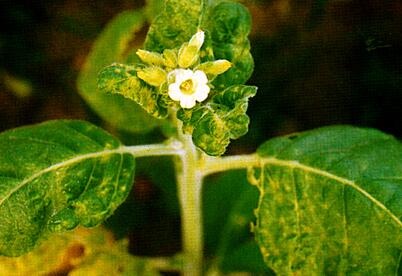
It is one of the more common diseases. The symptoms are discontinuous stripes appearing on the leaf veins, pale yellow in color, and the appearance looks like a mosaic, so it is called mosaic virus disease. It causes the diseased areas to sink and become necrotic. It is generally caused by mosaic virus and is transmitted through sap.
Control measures:
1. Ensure good ventilation in the environment, while avoiding excessively high temperature and humidity, pay attention to good soil drainage, and master Oncidium fertilization methods, applying more phosphorus and potassium fertilizer to improve disease resistance.
2. When Oncidium mosaic virus disease is found, it is necessary to use chemical spraying for control. You can choose 50% thiophanate-methyl wettable powder 500 times solution, 75% chlorothalonil wettable powder 600 times solution, etc., spraying once every 7-10 days, 2-3 times is sufficient.
II. Oncidium soft rot
When soft rot occurs, the plant may give off a foul odor. If the soft rot is caused by Rhizopus nigricans, its lesions will begin at the leaf stalk and spread upward, causing the leaves to rot continuously, the roots and stems to become brittle, and the leaves to fall off easily, collapsing at the slightest touch.
Control measures:
1. Loosen the soil or repot regularly to ensure the soil is safe and healthy, pay attention to drainage and flood prevention, and avoid long-term lack of fertilizer. If the soil conditions are average, it is best to add some base fertilizer before potting, and usually do a good job in fertilization and watering management.
2. In the early stage of the disease, it is necessary to spray chemicals on the base of the leaf stalk of the affected plant, such as 50% amobam 600-800 times solution, 38% famoxadone-cymoxanil 800 times solution, etc., with the same dosage, once every 7-10 days.
III. Whitefly
Whitefly is a worldwide pest, and many plants are harmed by it, such as cucumber, pepper, tomato, and so on, and Oncidium is no exception. It sucks the sap of Oncidium, causing it to lack compounds, and also injects toxins into the plant, causing Oncidium to dry up and turn yellow.
Control measures: In the pest and disease control of Oncidium, in addition to strengthening maintenance management, whitefly control also requires chemical killing. Generally, 25% buprofezin emulsifiable concentrate 1500 times spray is used, which can kill eggs, nymphs, and adults.
Oncidium Oncidium illustrated guide: how to grow Oncidium / how to propagate Oncidium
Oncidium profileOncidium Oncidium
Oncidium cultivation methods and precautions Oncidium introduction
Oncidium is also known as dancing-lady orchid, golden butterfly orchid, tuberculate-lipped orchid, etc. It is the general name for plants in the genus Oncidium in the orchid family. There are more than 750 native species of this genus worldwide, while the diverse commercial varieties are mostly hybrids. The plants are light and elegant, the flower stems are slender and drooping, and the flowers are strange and lovely, shaped like flying golden butterflies, full of dynamism. They are one of the world's important potted flower and cut flower types.
Morphological characteristics of Oncidium
There are 1-3 leaves, and they can be divided into thin-leaf species, thick-leaf species, and sword-leaf species. Generally, one pseudobulb has only 1 flower stem, and some robustly growing ones may have 2 flower stems. Some species have only 1-2 flowers per flower stem, while some species can have hundreds, such as small-flowered cut flower types where one stem has dozens of flowers, and several stems have from over a hundred to several hundred flowers. The flowers are brightly colored, shaped like flying golden butterflies and also like gracefully dancing girls, hence also named golden butterfly orchid or dancing-lady orchid. The flower colors of Oncidium are mainly yellow and brown, and there are also green, white, red, and magenta, etc. Their sizes range from extremely small, such as miniature Oncidium, to extremely large, with flower diameter reaching more than 12 cm. The structure of the flower is very special. The sepals are equal in size, and the petals and dorsal sepal are also almost equal or slightly larger; the lip of the flower is usually three-lobed, large or small, violin-shaped, with a ridge-like protrusion at the base of the middle lobe, and small spots protruding on the ridge, quite peculiar, hence the name tuberculate-lipped orchid.
Oncidium belongs to epiphytic orchids and has oval, spindle-shaped, round, or flattened pseudobulbs (false bulbs). Its growth characteristic is its vegetative propagation form; the pseudobulb is where nutrients are stored and supplied, increasing with vegetative growth and shrinking with reproductive growth. New shoots of the plant begin to grow from the base of the original pseudobulb around February (because this province is located in the subtropics, it can grow almost all year round). High temperatures promote the growth and development of new shoots, gradually forming new pseudobulbs. After the pseudobulb matures, axillary buds are produced again at the original base and differentiate into flower stems. The flower stems grow rapidly after July and bloom in mid-October. Because of the high temperature in this province, the flower bud differentiation period depends on the maturity of the pseudobulb. Therefore, although there is a full blooming period in early autumn, flower stem formation can be seen throughout the year, which is truly an advantageous condition for Oncidium cut flower cultivation.
Stem
It belongs to epiphytic orchids and has oval, spindle-shaped, round, or flattened pseudobulbs (false bulbs). Its growth characteristic is its vegetative propagation form; the pseudobulb is where nutrients are stored and supplied, increasing with vegetative growth and shrinking with reproductive growth.
Leaf
According to leaf type, it can be divided into five types: thick-leaf system, thick-leaf system with pseudobulbs, thin-leaf system with pseudobulbs, fan-shaped leaf system, and rod-shaped leaf system.
Flower
The flower colors are mostly in the yellow series. In addition, there are also special flower colors such as magenta, purple, yellow-green, pink, tea-brown patterns, and purple-red, spots, white skirt, and orange.
Ecological habits of Oncidium
Oncidium is native to the United States, Mexico, Guyana, and Peru. Original leaf type (also called hard-leaf type) Oncidium prefers warm environments, while thin-leaf type (also called soft-leaf type) and sword-leaf type Oncidium prefer cool climates. The suitable growth temperature for thick-leaf type Oncidium is 18-25°C, and the winter temperature should not be lower than 12°C. The suitable growth temperature for thin-leaf type is 10-22°C, and the winter temperature should not be lower than 8°C.
Oncidium prefers humid and semi-shaded environments. In addition to watering to increase substrate moisture, spraying water on the leaf surface and ground is more important. Increasing air humidity is more favorable for the growth of leaves and flower stems. Hard-leaf varieties have strong drought tolerance. Long periods without watering in winter did not cause drying death, and their tolerance is very strong. Large-scale production requires shade nets, with a shading rate of 40%-50% being suitable. In winter, sufficient sunlight is needed, and shade nets are generally not used, which is beneficial for flowering.
Use fern roots, moss, volcanic ash, bark chunks, etc. for potting or bed cultivation. Thin-leaf species have relatively thin leaves.
Cultivation techniques of Oncidium
Potted Oncidium commonly uses 15 cm pots, and can also be cultivated on fern boards or fern columns. The commonly used substrate is 40% crushed fern root, 10% peat soil, 20% crushed charcoal, 20% vermiculite, and 10% sphagnum moss. Place more broken tiles and broken bricks at the bottom of the pot, which is beneficial for ventilation and drainage. Flowering plants are best planted after the flowers fade, and non-flowering plants before sprouting, which is beneficial for the growth of new roots of Oncidium. May to October is the vigorous growth period of Oncidium, fertilize once every half month. During the winter dormant period, fertilization and watering can be stopped, and increasing water spraying to raise air humidity is enough. Liquid fertilizer losses are serious, so every half month 0.05%-0.1% compound fertilizer can be sprayed on the leaf surface as a supplement. After flowering, remove faded flower stems and dead leaves promptly. Most types of Oncidium are potted. The potting medium is similar to that for cultivating Phalaenopsis. Such as sphagnum moss, crushed fern root, wood chips, charcoal, perlite, broken bricks, peat soil, etc. These planting materials have good effects when used in combination. For example, a mixture of 40% fine fern root, 10% peat soil, 20% charcoal, 20% perlite or vermiculite, and 10% crushed stone and broken bricks has a good effect. When planting, use crushed stone or broken bricks to line about 1/3 of the bottom of the flower pot to facilitate ventilation and drainage. The flower pots used for cultivation can be plastic pots, unglazed pots, porcelain pots, etc. For Oncidium cultivated for more than 2-3 years, the plant gradually grows larger and produces small plants, the root system becomes overcrowded, and it should be repotted in time. Repotting is usually carried out after flowering. For non-flowering plants, it can be chosen before the growth period, such as in early spring or after autumn when the weather turns cool. The cultivation materials should be replaced together, and repotting can be combined with division.
In summer, attention should be paid to shading, and timely cooling when the temperature is too high. In midsummer and autumn, water thoroughly once a day, that is, until water comes out of the bottom hole of the pot. Fertilization with compound fertilizer is better, and light fertilizer is advisable, while concentrated fertilizer should be avoided. Fertilization is suitable in the early morning or after 3 p.m. July and August are the period when the plant sends up flower stems. During this period, due to high temperature and high humidity, bacterial soft rot is easily produced, and in severe cases it can lead to plant death. For this reason, on sunny days, dry the planting material in the pot, so that bacteria are less likely to reproduce under dry conditions, and at the same time, cut off rotten leaves and rotten stems in time. Before entering the hot and humid season, fertilization should be strengthened, especially increasing the proportion of potassium fertilizer, to cultivate strong seedlings and enhance the plant's disease resistance. In daily management, Oncidium generally does not have strict requirements for the environment.
Greenhouse cultivation temperature management:During the seedling recovery stage, the daytime temperature is 25-28°C, and at night 23-25°C. New roots sprout and grow quickly. After new roots grow, the temperature can be appropriately relaxed, but maintaining the above temperature is beneficial to orchid seedling growth. After the bulb matures, when the day-night temperature is (26-29°C)/(23-25°C), Oncidium can shift from vegetative growth to reproductive growth. The flowering period of Oncidium is relatively short. In order to prolong the flowering period, the temperature can be appropriately lowered. The suitable growth temperature for Oncidium is 12-33°C, and below 12°C photosynthesis stops. If low temperature lasts more than 6-8 hours, frost damage will occur, and above 33°C growth and development will also be hindered, especially under strong light, which will scorch the orchid seedlings. Temperature changes should not be too warm, otherwise it is easy to cause bud drop.
Humidity management: Relative humidity should be controlled at 60%-80%. Newly planted seedlings should have humidity at about 80%. Humidity should not be too high or too low. Too high makes them prone to disease infection, and too low is unfavorable for orchid growth. In hot summer, water should be sprayed on the ground, benches, and leaves around the plant to increase air humidity, and good ventilation should also be maintained, otherwise it will lead to poor plant growth and easy rotting of pseudobulbs. Special attention should be paid not to pour large amounts of water into the pot to increase humidity, otherwise it is very easy to cause root rot. Humidity changes should also not be too great, otherwise it is not only unfavorable for growth, but also very easy to cause bud drop.
Light management: Light should not be too strong or too weak. Too strong easily causes scorch disease. In mild cases, the tissue is injured and the leaves turn yellow; in severe cases, they become grayish white and cause anthracnose. Too weak light reduces photosynthetic capacity, causing leaves to become leggy, weak, and drooping, which is unfavorable for flower bud differentiation, resulting in fewer flowers and poor growth. For newly planted seedlings, light should be 10000-15000 lux. As the seedlings grow, light gradually increases, up to 30000-35000 lux. Under this light condition, Oncidium flower bud differentiation is fast, and vegetative growth can better turn into reproductive growth. Generally, shade 60%-75% in summer, and 40%-50% in spring and autumn.
Water and fertilizer management: The general watering principle is alternating dry and wet. Each watering should be thorough, and the next watering should wait until the substrate is slightly dry. In spring, just after division, water less; in summer, the plant grows vigorously and evaporates water quickly, so water more. You can water once a day. After watering in the morning, spray water on the leaves again in the afternoon. This mist can not only lower leaf surface temperature but also enhance the plant's respiratory function. After evening, generally do not spray again, otherwise the leaf surface will retain water for too long and easily induce disease. Because the cultivation substrate of Oncidium is mainly coconut husk and stones, it is not easy to retain water and fertilizer, so some slow-release fertilizer should be placed in the pot to increase fertilizer efficiency. The type and amount of fertilizer should be adjusted according to the plant's growth condition, generally once fertilizer once water or twice fertilizer once water. To prevent pathogen breeding in coconut husk, 1000 times carbendazim solution or 1500 times thiophanate-methyl solution can be irrigated frequently. The substrate pH should be controlled at 5.5-6.5, and the EC value at 1.2-1.6 mS/cm.
Cultivation key points location: Thick-leaf type Oncidium can be cultivated relatively extensively. In addition to having an orchid shed, thin-leaf type Oncidium is best also kept in a greenhouse for winter insulation.
Planting: Most types of Oncidium are potted. The potting medium is similar to that for cultivating Phalaenopsis. Such as sphagnum moss, fine tree fern fiber, charcoal, perlite, broken bricks, peat soil, etc. These planting materials have good effects when used in combination. When planting, use crushed stone or broken bricks to line about 1/3 of the bottom of the flower pot to facilitate ventilation and drainage. The flower pots used for cultivation can be plastic pots, unglazed pots, porcelain pots, etc. For Oncidium cultivated for more than 2-3 years, the plant gradually grows larger and produces small plants, the root system becomes overcrowded, and it should be repotted in time. Repotting is usually carried out after flowering. For non-flowering plants, it can be chosen before the growth period, such as in early spring or after autumn when the weather turns cool. The cultivation materials should be replaced together, and repotting can be combined with division.
Light: The suitable light for Oncidium is similar to that for Cattleya. Generally, shade 50%-60% in summer, and shade 20%-30% of sunlight in winter. If sunlight is too strong, growth is slow, the plant is short, and sunscald occurs, eventually drying the leaves and even causing the whole plant to die. If shade is too much and light is insufficient, the plant's leaves will grow poorly, affecting flower bud differentiation, significantly reducing flowering, and sometimes even preventing flowering.
Temperature: Generally, thick-leaf type Oncidium prefers warmth, with a suitable growth temperature of 18-25°C, and protection from cold is needed below 12°C. It is more suitable for cultivation in South China. Thin-leaf type Oncidium prefers coolness and is not tolerant of high temperatures, with a suitable growth temperature of 10-22°C. It is difficult to adapt to the plains and should be cultivated in cool mid-altitude areas, but when cold waves come in winter, it should also be placed in a greenhouse to overwinter.
Water: Oncidium, like most tropical orchids, likes relatively high air humidity, but because different types of Oncidium differ greatly in plant type, their resistance to drought also differs. Varieties without pseudobulbs have poor drought resistance, so the substrate in the pot should often be kept moist, and water should be replenished as soon as the substrate dries. Reducing water in winter is beneficial for flowering, and watering should be stopped when the temperature is below 10°C. In hot summer, water should be sprayed on the ground, benches, paths, and plants around the plant to increase air humidity, otherwise its growth will be affected.
Fertilizer: First use a small amount of slow-release fertilizer as base fertilizer, then apply 1500-2000 times liquid water-soluble quick-acting fertilizer once every 2-3 weeks. Before flowering, apply a compound fertilizer balanced in nitrogen, phosphorus, and potassium, which can be sprayed on the leaves or applied to the roots. Near flowering, supplement phosphorus and potassium fertilizer to promote flower bud differentiation and flowering.
Cultivation facilities
The most suitable growth temperature for Oncidium is 18-25°C, and the relative air humidity is 75%-85%. The light intensity is 10000-25000 lux. Small seedlings have low growth, so the light intensity is generally suitable at 5000-15000 lux. Medium and large seedlings have large growth, so the light intensity is generally suitable at 15000-25000 lux. The shade shed should not be too low; 4-4 m is suitable. If too low, it affects ventilation. The cultivation bench is suitable at 0.6-1.0 m.
Cultivation substrate
The substrate required for Oncidium should be ventilated, breathable, and drain well. Commonly used substrates include bark, fern root, sphagnum moss, charcoal, etc. Practice suggests that using sphagnum moss for small seedlings and charcoal as the cultivation substrate for medium and large seedlings has the characteristics of good growth and low cost. Charcoal should be 0.5-2 cm, and should be soaked and rinsed in water before planting to remove charcoal powder. For potting, it is advisable to choose unglazed pots with many pores or shallow pots with smaller volume, using tree fern and charcoal slag and coconut chaff as planting materials, and adding small brick particles or weathered stone at the bottom of the pot to facilitate drainage and moisture retention. After the plant is planted, a layer of sphagnum can be spread on the pot surface to prevent drought and retain moisture, which is beneficial for the growth of aerial roots.
Fertilizer and water management for small seedlings
After sufficient hardening and washing, use dried sphagnum moss as the substrate and plant in a Ф3 cm plastic soft cup. On the day after planting, spray 65% Hok-ling 1000 times solution mixed with 72% agricultural streptomycin sulfate 3000 times solution to prevent disease. When the sphagnum in the pot is relatively dry, water half-way with clean water to make the sphagnum moist. After about 15 days, new roots begin to grow, and 20-20-20 Peter's fertilizer 3000 times solution can be used for irrigation once a week.
Repotting and fertilizer and water management for medium and large pots
After 3-4 months, small seedlings grow to 4-6 pseudobulbs, the root system is dense, and some roots grow out of the pot. At this time, they should be repotted. When repotting, first remove the small seedlings from the pot and place them in a plastic pot with a small amount of charcoal chunks at the bottom, then add an appropriate amount of charcoal chunks around the plant. After 5-6 months, when medium seedlings grow to 6-8 pseudobulbs and the root system wraps the charcoal chunks well, they should be repotted as medium seedlings.
Fertilizer and water management for medium and large seedlings
On the day of repotting, small and medium seedlings should be sprayed once with a mixture of 65% Hok-ling 1000 times and 72% agricultural streptomycin sulfate 3000 times to prevent disease, and watered once 3-5 days after planting. Due to summer and autumn and dry weather, watering frequency should be increased and leaf surface water should be sprayed once daily. In dry and cold winter weather, spray leaf surface water once every 2-3 days and water thoroughly once every 6-7 days. April to October is the peak growth period of Oncidium. During this time, 5-11-26 Peter's fertilizer should also be applied 1-2 times monthly to prevent leggy growth and improve disease resistance. In addition, calcium should be appropriately supplemented to increase leaf thickness.
Cultivation conditions of Oncidium
Temperature Because there are many varieties of Oncidium and the native environmental climate differences among varieties are very large, it is difficult to accurately state their growth temperature. However, in general, Oncidium should not grow in an environment with too low a temperature. When the temperature is below 10°C, Oncidium will be harmed, but for some varieties less tolerant of low temperatures, when the temperature is 12°C, they will die from cold damage. However, under high temperature conditions, Oncidium must be in a well-ventilated environment to pass through safely.
Sunlight
No matter which type of Oncidium, it can only accept direct sunlight in winter. In the other three seasons, shading must be added to achieve sunlight similar to that of its place of origin. Summer sunlight is the strongest, so when cultivating outdoors, a 50%-60% shade net must be installed, otherwise the leaves are easily scorched by sunlight; in spring and autumn, sunlight is softer than in summer, and generally only about 30% shade net is needed to protect the orchid plants.
Watering
Most Oncidium prefer a drier environment, so when watering, the dryness of the substrate should be used as the standard. When the substrate surface is dry, water thoroughly immediately; in the vigorous growth season, because water demand increases, it is best to water once in the morning and once in the evening every day; when the winter temperature is lower, watering should be stopped to help it overwinter smoothly.
Ventilation
Good air circulation is a necessary condition when cultivating orchids, and Oncidium is no exception. Especially for strains with pseudobulbs and thin leaves, a stuffy and hot environment easily causes disease. The summer temperature in Taiwan, China is slightly too hot for Oncidium. In addition to sprinkling water around the cultivation environment, strengthening ventilation can also help the orchid plants cool down.
Fertilization
The timing of fertilization must match the plant's growth condition. Although the growth conditions of different Oncidium varieties are not consistent, the general basic principles of fertilization can still be followed. First, when the plant sends up flower stems, fertilization should be stopped until after the flowering period before resuming fertilization; second, when the temperature is below 10°C, fertilization must also be stopped. At other times, diluted liquid fertilizer can be applied 2-3 times a month, and solid fertilizer can also be applied at the same time.
Potting soil and repotting
Because Oncidium likes a relatively dry environment, a substrate with good drainage and aeration should be used, so tree fern fiber is the best choice. It is best to add a small amount of water-retaining sphagnum moss to make the plant grow better. Repotting of Oncidium is usually carried out after the flowering period, and repotting once every 2-3 years is sufficient.
Propagation
Division is the main propagation method. The best time for division propagation is also after the flowering period, so when division is needed, it can be carried out at the same time as repotting.
Daily management temperature management
During the seedling recovery stage, the daytime temperature is 25-28°C, and at night 23-25°C. New roots sprout and grow quickly. After new roots grow, the temperature can be appropriately relaxed, but maintaining the above temperature is beneficial to orchid seedling growth. After the bulb matures, when the day-night temperature is (26-29°C)/(23-25°C), Oncidium can shift from vegetative growth to reproductive growth. The flowering period of Oncidium is relatively short. In order to prolong the flowering period, the temperature can be appropriately lowered. The suitable growth temperature for Oncidium is 12-33°C, and below 12°C photosynthesis stops. If low temperature lasts more than 6-8 hours, frost damage will occur, and above 33°C growth and development will also be hindered, especially under strong light, which will scorch the orchid seedlings. Temperature changes should not be too warm, otherwise it is easy to cause bud drop.
Humidity management
Relative humidity should be controlled at 60%-80%. Newly planted seedlings should have humidity at about 80%. Humidity should not be too high or too low. Too high makes them prone to disease infection, and too low is unfavorable for orchid growth. In hot summer, water should be sprayed on the ground, benches, and leaves around the plant to increase air humidity, and good ventilation should also be maintained, otherwise it will lead to poor plant growth and easy rotting of pseudobulbs. Special attention should be paid not to pour large amounts of water into the pot to increase humidity, otherwise it is very easy to cause root rot. Humidity changes should also not be too great, otherwise it is not only unfavorable for growth, but also very easy to cause bud drop.
Light management
Light should not be too strong or too weak. Too strong easily causes scorch disease. In mild cases, the tissue is injured and the leaves turn yellow; in severe cases, they become grayish white and cause anthracnose. Too weak light reduces photosynthetic capacity, causing leaves to become leggy, weak, and drooping, which is unfavorable for flower bud differentiation, resulting in fewer flowers and poor growth. For newly planted seedlings, light should be 10000-15000 lux. As the seedlings grow, light gradually increases, up to 30000-35000 lux. Under this light condition, Oncidium flower bud differentiation is fast, and vegetative growth can better turn into reproductive growth. Generally, shade 60%-75% in summer, and 40%-50% in spring and autumn.
Water and fertilizer management
The general watering principle is alternating dry and wet. Each watering should be thorough, and the next watering should wait until the substrate is slightly dry. In spring, just after division, water less; in summer, the plant grows vigorously and evaporates water quickly, so water more. You can water once a day. After watering in the morning, spray water on the leaves again in the afternoon. This mist can not only lower leaf surface temperature but also enhance the plant's respiratory function. After evening, generally do not spray again, otherwise the leaf surface will retain water for too long and easily induce disease. Because the cultivation substrate of Oncidium is mainly coconut husk and stones, it is not easy to retain water and fertilizer, so some slow-release fertilizer should be placed in the pot to increase fertilizer efficiency. The type and amount of fertilizer should be adjusted according to the plant's growth condition, generally once fertilizer once water or twice fertilizer once water. To prevent pathogen breeding in coconut husk, 1000 times carbendazim solution or 1500 times thiophanate-methyl solution can be irrigated frequently. The substrate pH should be controlled at 5.5-6.5, and the EC value at 1.2-1.6 mS/cm.
Maintenance points watering and fertilizing
Oncidium, like most tropical orchids, likes relatively high air humidity, but because different types of Oncidium differ greatly in plant type, their resistance to drought also differs. Varieties without pseudobulbs have poor drought resistance, so the substrate in the pot should often be kept moist, and water should be replenished as soon as the substrate dries. Reducing water in winter is beneficial for flowering, and watering should be stopped when the temperature is below 10°C. In hot summer, water should be sprayed on the ground, benches, paths, and plants around the plant to increase air humidity, otherwise its growth will be affected. At the same time, because the summer climate is hot, when cultivating Oncidium in a greenhouse, in addition to maintaining relatively high humidity, good ventilation and air permeability should also be maintained, otherwise growth will be poor and rot is also likely to occur.
Proper fertilization is an effective measure for the robust growth of Oncidium. When planting, first use a small amount of slow-release fertilizer as base fertilizer, and apply decomposed soybean cake water, oil meal, bone meal, etc. once a month. Except when the temperature is too low in late autumn and winter, during the growth seasons of spring, summer, and early autumn, apply 1500-2000 times liquid water-soluble quick-acting fertilizer once every 2-3 weeks. Before flowering, apply a compound fertilizer balanced in nitrogen, phosphorus, and potassium, which can be sprayed on the leaves or applied to the roots. Near flowering, supplement phosphorus and potassium fertilizer.
How to maintain
In our country, orchids are usually divided into two categories: Chinese orchids and tropical orchids. Tropical orchids mostly refer to epiphytic orchids, such as Oncidium, Phalaenopsis, Dendrobium, Cattleya, etc. Oncidium is native to tropical rainforests. The flower colors are diverse, and the flowering period is long. From the first flower opening to the last flower, it lasts more than two months. The flower shape is beautiful, like a little girl dancing, so it is called "dancing orchid."
Cultivation points
1. Cultivation materials In hot and humid places, use tree fern, non-greasy broadleaf hardwood boards, pots, etc., while in dry climates, sphagnum moss, fern root, moss, etc. can be used to plant in porous pots.
2. Daily management Oncidium generally does not have strict requirements for the environment.
3. Usually water according to the principle of alternating dry and wet, watering once every 2-3 days. In midsummer, water once a day, and also frequently spray water on the leaves and sprinkle water on the ground around the flower pot to increase humidity and lower temperature. Reduce watering in winter, and apply thin liquid fertilizer 2-3 times a month during the growth period, or 0.1% compound fertilizer. Stop fertilization in winter.
4. In spring and autumn, shade 30%, and in summer shade 50%-70%, but it should not be placed in too dark a place for maintenance, so as to avoid leggy branches and leaves and affect flower bud differentiation. The suitable growth temperature is about 25°C, and the winter room temperature should not be lower than 10°C.
5. Repot every year and replace with new cultivation substrate.
Disease control of Oncidium
The cultivation environment should be kept clean and hygienic. Frequently remove weeds in and around the solar greenhouse, promptly check and remove yellow-leaf diseased plants, and for severely diseased plants, discard and bury them to prevent them from becoming a source of infection. For lightly diseased plants, use scissors to cut off diseased leaves, immediately spray the corresponding pesticide, and carry out isolated cultivation to control the spread of pests and diseases. When spraying pesticides, leave no dead corners, especially the back of leaves, corners of the greenhouse, and the ground should all be fully sprayed. Disinfect the greenhouse once a month.
Common pests of Oncidium include snails, scale insects, whiteflies, etc. In the rainy seasons of spring and summer, snails are often active. At this time, lime powder should be spread regularly around the orchid garden and at the feet of cultivation benches. When ventilation is poor, scale insects often appear, and 800-1000 times Supusha or Sujieling can be used for spraying and killing. Whitefly can be sprayed and killed with 3000 times Supufengya or Yashixiao. After disease occurs, agricultural streptomycin can be sprayed in the morning or evening for prevention and treatment, and the number of sprays within one year should preferably not exceed 3 times.
The main pest of Oncidium is scale insects. Scale insects parasitize on the leaf edges or leaf surfaces of the plant and suck sap, causing the plant to wither, and in severe cases the whole plant will turn yellow and die. It can be killed by spraying 40% omethoate emulsifiable concentrate 1000 times solution or 50% malathion emulsifiable concentrate 2000 times solution. The main diseases of Oncidium are soft rot and leaf spot. Leaf spot harms the leaves of Oncidium when it occurs, and soft rot causes the whole plant to die when it occurs. It can be controlled with 50% carbendazim 1000 times solution or 50% thiophanate-methyl soluble wettable powder 800 times.
Oncidium mosaic virus disease
Symptoms: At first, discontinuous pale yellow stripes appear along the leaf veins on the leaves, often appearing mosaic-like. Then some mesophyll cells in the diseased spots become necrotic, forming brown necrotic spots with sunken surfaces. Pathogen: several viruses such as Cymbidium mosaic virus (CyMV) and ColMV. Transmission route: mainly sap transmission.
Control methods:
1. The greenhouse should be reasonably ventilated to avoid high temperature and high humidity; pay attention to drainage, appropriately apply more phosphorus and potassium fertilizer; promptly remove diseased leaves, diseased fruits, and residual plants.
2. Spray medicine promptly in the early stage of the disease. Commonly used agents include: 50% thiophanate-methyl wettable powder 500 times solution, or 80% Daconil wettable powder 500 times solution, or 75% chlorothalonil wettable powder 600 times solution, 50% anthracnose Fumei 400 times solution, or 1:1:200 Bordeaux mixture. Spray once every 7-10 days, for a total of 2-3 times.
Propagation methods of Oncidium
Propagation methods of Oncidium include tissue culture and division propagation. Oncidium is a sympodial tropical orchid. After becoming an adult plant, it will produce offshoots. When the offshoots have pseudobulbs, cut them off from the mother plant. Division propagation is generally carried out after flowering or in spring and autumn.
Tissue culture of Oncidium is relatively easy. Generally, seeds or vegetative organs such as stem tips and flower spikes are used for propagation. In seed culture, a medium prepared with 3 g Hyponex No. 1, 2 g tryptone, and 35 g edible sugar has a good effect on seed germination. Adding 15% coconut water can promote seed germination. Stem tip culture and flower spike culture of Oncidium generally do not show browning. The optimal primary culture media for stem tip and flower spike culture are 1/2 MS, modified Knudson C, and V&W media. Or sowing medium can also be used. In principle, no hormones are used. Subculture of protocorms can use the same culture medium with 5%-10% banana juice or 15%-20% coconut water added. Seedling culture can use the above media or V&W medium. [3]
Division propagation
It can be carried out in spring and autumn. It is best to carry out division in spring before new buds sprout, combined with repotting. Cut off pseudobulbs with 2 buds and directly plant them in a pot of sphagnum moss. Maintain relatively high air humidity, and they will quickly recover, sprout new buds, and grow new roots.
Tissue culture propagation
Select young shoots sprouting from the base of Oncidium as explants, disinfect the surface with 70% alcohol, wash with sterile water after sterilization, cut into stem tip thin slices 1-1.5 mm thick, inoculate them on the prepared medium, maintain the temperature at (26±2)°C, light intensity at 500 lux, and illumination time at 16 hours. On MS medium with 1 mg/L 6-benzylaminopurine added, protocorm formation is fastest, requiring only 45 days. Continue solid culture of the formed protocorms in proliferation medium. After more than 20 days, buds form at the top of the protocorms, and roots differentiate at the base of the buds. After about 100 days, the differentiated plantlets grow 2-3 leaves and become complete seedlings.
Hydroponic cultivation
It needs to be cultivated for more than half a year in a professional hydroponic flower base so that the newly grown water roots fully adapt to the still-water environment. This is a trend in the development of the flower industry.
Variety classification of Oncidium
The genus has more than 750 native species worldwide, while the many commercial varieties with their myriad forms are mostly hybrids. The leaves number 1 to 3 per pseudobulb, and the species can be divided into thin-leaved, thick-leaved and sword-leaved types. Thin-leaved species have relatively thin leaves.
Common cultivated varieties include:
Sweet Fragrance (SweeFragrance), flowers red, with a white lip.
Volcano Queen (VolcanoQueen), flowers yellow. Characteristics, flowers large, yellow, flowering period lasts 1 to 2 months.
Ever-Lasting No. 1 (Ever-Lasting No. 1), flowers pale yellow, with brownish-red stripe markings.
Ever-Lasting No. 2 (Ever-Lasting No. 2), flowers red, lip white.
Common ornamental species in the same genus
Oncidium ampliatum var. majus (O. Ampliotum var. Majus), flowers bright yellow, sepals with brownish-red spots.
Oncidium crispum (O. Crispum), flowers large, crisped petals, flower diameter 8 cm, petals brown with a golden-yellow center.
Oncidium concolor (O. Concolor), flowers large, flower diameter 4 cm, petals lemon-yellow, lip yellow.
Oncidium macranthum (O. Macranthum), flowers large, flower diameter 10 cm, petals yellow, sepals brown, wavy.
Oncidium papilio (O. Papilio), petals deep red with yellow transverse stripes, lip yellow with brownish-red spots.
Oncidium pardinum (O. Pardinum), flowers bright yellow with brown markings.
Oncidium splendidum (O. Splendidum), flowers yellow with brown stripes, lip large, golden-yellow.
Oncidium varicosum (O. varicosum), flowers yellow-green, flower diameter 3 cm.
The distribution range of Oncidium
Native to the tropical Americas in the regions of Mexico, Brazil and Bolivia, these are sympodial terrestrial or epiphytic orchids, with more than 700 native species.
Oncidium species are native to the tropical regions of the Americas, with the greatest species diversity in countries such as Brazil, the United States, Colombia, Ecuador and Peru. However, their distribution range is fairly wide, spanning tropical, warm-temperate, high-mountain temperate and cold zones.
It is cultivated throughout Taiwan, China, but mainly distributed in the central and southern parts, where it is more abundant. Because of the need to import varieties and to match the colors of cut-flower materials, most of the varieties used are yellow-flowered ones, with Onc. Grower Ramsey or Taka being the most common.
The uses and purposes of Oncidium
At present, the production and marketing of Oncidium is mainly focused on cut flowers, potted flowers and garden cultivation.
Oncidium is an extremely beautiful orchid with great ornamental value, and is one of the important orchid cut-flower varieties in the world. It is suitable for vase arrangements in family rooms and offices, and is also a premium flower material for making bouquets and small flower baskets. It is now cultivated all over the world. The dancing-lady orchid is Oncidium; it has a bright yellow color, and each flower is like a beautiful young girl, skirt fluttering, dancing gracefully. Its flower language is happiness without worry, symbolizing forgetting one's troubles.
The cultural background of Oncidium
Zhang Renzhi: (excerpted from "Answering the Call of the Goddess of Artistic Beauty - Reflections on Viewing Yang Ruifen's Flower-and-Bird Paintings")
"In Yang Ruifen's works there are at least three or four categories of exploration. First, after discovering a certain meaningful sense of formal beauty from observing flower subjects in nature, she boldly discards the secondary parts of the object in her mind, such as branches and leaves, and instead highlights, enlarges and brings into close-up the flower head, transforming and finely depicting the stamens, and re-creating the picture. Among this type of subject matter, the flower heads of various orchids are predominant, such as in 'Dancing Lady Orchid'."
Wu Gang: (excerpted from "Creating Flowers from the Heart, Moving the Heart with Ink, Reflecting the Beauty of the Present Age")
"Anyone who sees 'Dancing Lady Orchid' will immediately think of the four lovely little swans in the ballet 'Swan Lake' - each orchid flower rises high on tiptoe, kicking its vigorous legs, performing an affectionate and graceful dance posture, yet they are also as elegant and lively as little swans, laughing and playing. They are a group of mature young beauties, with charm revealing dignity, and the crimson curtain adds a touch of composed atmosphere."
Zhou Kuo:
"Yang Ruifen is not satisfied with copying and reproducing the scenery before her as it is; instead, she often gains creative inspiration from deep observation and experience of the spirit of objects in real life, boldly cropping and reconstructing the picture of the flowers and plants before her, and thereby creating an ideal, magical artistic realm in her heart. This 'Dancing Lady Orchid' is one of the representatives of this kind of creation by Yang Ruifen. The painter focuses her gaze on the flower head, exaggerates the image of the extending petals, and depicts the flowers as if they were ballet dancers, dancing gracefully with elegant posture."
The flower language of Oncidium
Hidden love, happiness
Oncidium pictures
February flower and nursery stock pest and disease control and maintenance management methods
February is one of the colder months of the year. The vast majority of potted flower species that are not cold-tolerant or not very cold-tolerant are still in greenhouses or indoors, and only some species that are not afraid of cold remain in the open field. In February, whether in the greenhouse or in the open field, the most common problem is a physiological disease - cold injury. In addition, because a large number of potted plants are placed in greenhouses for a long time to overwinter, the relatively low temperatures, high air humidity and poor ventilation in the greenhouse in winter also make it easier to induce some common pests and diseases, such as gray mold and sooty mold among diseases, and scale insects, greenhouse whiteflies and the like among pests.
Common diseases and pests in February
1. Major diseases occurring in February
(1) Cold injury
Cold injury is a physiological disease, not an infectious disease induced by the harm of pathogenic bacteria. It usually refers to the damage caused by low temperature acting directly on the ornamental plant body, including chilling injury and freezing injury. The differences between cold injury and general infectious diseases are: first, it is not contagious, and no pathogens appear on the damaged parts; second, the same kind of flower and tree placed in the same environment often develops the disease overnight at the same time; third, it occurs under low temperature and particularly cold weather conditions, and the severity of the damage is related to the species of flower and tree, the duration of the low temperature, the speed at which the temperature rises, and the lower limit of the low temperature. It can occur both inside and outside the greenhouse.
1. Chilling injury: Some plants native to the tropics and subtropics suffer severe damage to their tissue structure due to low temperatures above freezing point (1°C to 5°C or somewhat higher). This kind of cold injury, which does not reach the point of ice formation inside the tissues, is called "chilling injury." It mainly manifests as browning, wilting and necrosis of overly tender new shoots and buds.
2. Freezing injury: The damage caused by ice formation inside the tissues of ornamental plants in an environment below 0°C, or when they encounter prolonged ultra-low temperatures. The main manifestations of freezing injury are: blackening of the xylem, cracking and necrosis of the phloem, new shoots and young leaves looking as if scalded by boiling water, and hollowing inside the plant body (succulent plants).
(2) Gray mold
Gray mold is an important disease of greenhouse flowers, mainly harming organs such as flowers, fruits and leaves of the plant. It is prone to occur when the greenhouse has high humidity, poor ventilation and suitable temperature. Its main symptoms are as follows: the pathogen invades through stomata or wounds on sepals, pedicels and leaves, causing the fruit epidermis of ornamental-fruited plants to show grayish-white water-soaked soft rot, and when humidity is high, a large amount of gray mold layer is produced on the fruit skin; diseased flowers falling onto leaves easily cause leaf disease, forming large lesions bearing gray mold; rotten flowers and rotten fruits falling onto stems cause stem rot, and in severe cases the plant dies. For example, when chrysanthemum leaves are damaged, brown spots appear at the leaf edges, the surface is slightly ringed and wavy, and then the outer part rots; when fuchsia leaves are damaged, water-soaked spots appear on the diseased leaves, which then gradually turn dark brown and rot. In addition, the flowers and leaves of Gerbera, cyclamen, cineraria, primrose, poinsettia, Rieger begonia and others are all susceptible to gray mold.
(3) Sooty mold
Because inside the greenhouse there is insufficient light, poor permeability and high humidity, and in addition there is the piercing-sucking damage of various scale insects, aphids and greenhouse whiteflies, which while sucking the sap of the flower plants produce large amounts of nutrient-rich excrement, this happens to be sooty mold. The main ornamental plant species affected include: Michelia alba, bitter orange, kumquat, camellia, sasanqua, Fukien tea, azalea, banana shrub, holly osmanthus and gardenia. It not only forms an extremely unsightly black sooty layer on the leaf surfaces and fruits of the plant, but also seriously affects the photosynthesis of the plant leaves.
2. Major pests occurring in February
(1) Scale insects
Because the greenhouse has high humidity, poor ventilation and poor light, it is very favorable for the occurrence and damage of various scale insects. For example, the wax scale and citrus mealybug on bitter orange and citrus, the white peach scale and cactus scale on cactus, dragon bone and Christmas cactus, the coconut palm scale and tortoise wax scale on camellia leaves, the round scale on orchid leaves, the brown soft scale on Aspidistra leaves, the kidney-shaped scale, red wax scale and oyster-shell scale on cycad leaves, Kelley's white scale on Michelia alba leaves, and the horned wax scale on banana shrub branches, etc.
(2) Bagworms
Whether inside the greenhouse or outdoors, on the branches or leaves of banana shrub, plum blossom, camellia, sasanqua, osmanthus and azalea plants, mature larvae of the large bagworm, small bagworm, tea bagworm and white bagworm may be parasitized. They hide in their bags, hanging on the trunk, branches and leaves, and may continue to cause damage in the relatively warm greenhouse.
(3) Slug moths
On the trunks or branches of outdoor woody flowers, such as red maple, plum blossom, osmanthus, ornamental peach, cherry blossom, gardenia, redbud, pomegranate and crape myrtle, there are often cocoons of the yellow slug moth, green slug moth and double-toothed green slug moth; near the 1 cm to 2 cm surface soil at the root collar of field-planted plants, cocoons of the green slug moth and mulberry brown slug moth may be hidden. Although they no longer cause damage in winter, the adults that emerge from the overwintering generation in the following spring lay eggs, and their larvae are the source of the year's pest damage.
(4) Aphids
In the leaf axils of the shoot tips of seed chrysanthemums kept in the greenhouse, wingless viviparous female aphids of the chrysanthemum aphid are commonly seen overwintering as parasites; on the buds and leaves of the stubble of rose stems, adult and nymph aphids of the rose long-tube aphid overwinter as parasites. In addition, aphids are also often hidden on the tender shoots of Michelia alba.
(5) Greenhouse whitefly
It occurs on potted flowers in the greenhouse, mainly harming poinsettia, cineraria, citrus, hibiscus, lantana, geranium and azaleas, etc. Its nymphs suck sap on the underside of tender leaves.
(6) Lanternflies
Whether indoors or outdoors, on one side of the new branches and tender shoots of camellia, banana shrub, four-season osmanthus, plum blossom and azalea, eggs laid by lanternflies are often found, covered with white flocculent material, very easy to identify.
Disease control measures
(1) Control of cold injury and freezing injury
For potted flowers placed in ordinary rooms, such as Anthurium, Calathea, Clivia, Phalaenopsis, Oncidium and Cymbidium, in particularly cold weather, especially at 5 to 6 o'clock in the morning, the coldest time of the day, it is advisable to use an air conditioner or electric heater to raise the temperature, maintaining a room temperature of around 10°C; in the less cold areas of the south, for some particularly cold-intolerant flower species, plastic bags can be put over them at night and removed after the sun comes out during the day.
For southern flowers placed in plastic greenhouses, heating with a coal stove or electric heater must be used throughout February, and straw curtains or felt should be added outside the greenhouse for insulation, removing the straw curtains and the like to let in light when the sun is good. Daylight lamps can also be installed inside the greenhouse to supplement light.
For plants that have already suffered freezing injury, the necrotic parts can be cut off, the cuts sealed with grafting wax or wound-healing agent, and the plants moved to a relatively warm greenhouse, and they must not be allowed to be frozen again.
For field-planted banana shrub, camellia, Michelia maudiae and cycads, etc., that have already shown slight freezing injury, straw or plastic film can be added for wrapping and frost protection, so that they can survive the winter safely.
(2) Control of gray mold
Whether for potted flowers placed indoors or potted plants placed in greenhouses, in order to prevent the occurrence or aggravation of gray mold in February, emphasis should be placed on ventilation and increased light, and leaf surfaces should not be allowed to retain moisture for long periods, which can avoid or reduce the occurrence of gray mold.
For plants that have already developed gray mold, promptly remove diseased leaves, flowers and fruits as well as damaged leaves; special attention should be paid to organs already covered with gray mold: when removing them, they must be gently covered with a small plastic bag before removal, to avoid the scattering of pathogen spores and mycelium, otherwise gray mold will be induced on other healthy plants; the removed infected organs can be gathered and burned; after removing the infected organs, keep the greenhouse clean and ensure ventilation and light; if the greenhouse temperature can be raised to 33°C, this is unfavorable for the production of its conidia; lowering the temperature and reducing condensation on the greenhouse roof and leaf surfaces can inhibit the occurrence and spread of the disease. It is best to use drip-free film covering for overwintering greenhouses.
In the early stage of the disease, 40% chlorothalonil smoke agent or 15% procymidone can be used for fumigation for 3 to 4 hours, with 250 g of pesticide per mu of greenhouse; 5% chlorothalonil powder (1 kg of pesticide per mu of greenhouse) can also be sprayed in the evening. For the spray method, 65% zineb wettable powder at 500 times dilution can be sprayed, once every 10 days, for 2 to 5 consecutive times; or 50% procymidone wettable powder at 1000 times dilution, or 50% hymexazol wettable powder at 1000 times dilution, or 50% carbendazim wettable powder at 600 times dilution can be sprayed alternately, once every 10 days, for 2 to 3 consecutive times, which can effectively control the spread of gray mold.
(3) Control of sooty mold
Strengthen indoor ventilation and light transmission, and promptly kill piercing-sucking pests such as aphids, scale insects and whiteflies to reduce the insect vectors of sooty mold; for a small number of plants, the sooty layer can be gently wiped off with a damp cloth, or a damp cloth dipped in low-concentration detergent water can be used to wipe off the sooty layer; in the early stage of the disease, 50% sulfur suspension concentrate at 500 times dilution, or 50% carbendazim wettable powder at 800 times dilution, or 75% chlorothalonil wettable powder at 500 times dilution can be sprayed on branches and leaves, with good control effects.
Pest control measures
(1) Control of scale insects
For scale insects appearing on a small number of household plants, absorbent cotton dipped in 75% alcohol can be used to wipe off the larger insect bodies; or cotton dipped in detergent solution can be used to wipe off the insect bodies; for scale insects appearing on a larger number of plants in greenhouses, 25% buprofezin wettable powder at 2000 times dilution can be sprayed to kill them, once every 15 days, for 2 consecutive times; for tortoise wax scale, red wax scale and crape myrtle felt scale on field-planted camellia, holly osmanthus, firethorn and large-leaf boxwood, a relatively high-concentration lime sulfur mixture solution can be sprayed to kill them.
(2) Control of bagworms
Whether for outdoor flowers and trees or potted flowers in greenhouses, all the bags of the large bagworm, tea bagworm, small bagworm and white bagworm hanging on the branches and leaves should be removed and gathered and burned.
(3) Control of slug moths
For the cocoons of the yellow slug moth and green slug moth overwintering on the trunks and branches of field-planted red maple, green maple, plum blossom, crape myrtle, pomegranate, redbud and camellia, etc., they should be crushed, which can reduce the leaf-eating damage of slug moth larvae the following year.
(4) Control of aphids
For aphids on a small number of plants, tobacco powder, plant ash or furnace ash can first be sprinkled on the insect bodies and leaves, and after about 1 to 2 hours rinsed clean with clear water, which can kill the vast majority of aphids; if many plants are affected, 10% imidacloprid wettable powder at 2000 times dilution can be sprayed to kill them; in larger greenhouses, yellow sticky traps can be hung to trap and kill aphids.
(5) Control of greenhouse whitefly
In greenhouses, yellow sticky traps can be considered for trapping and killing; when the outbreak is severe, 10% imidacloprid wettable powder at 2000 times dilution, or 25% buprofezin wettable powder at 2500 times dilution, or 20% fenvalerate emulsifiable concentrate at 3000 times dilution can be sprayed to kill them.
(6) Control of lanternflies
For lanternfly eggs on the tender shoots of camellia, banana shrub, plum blossom, wintersweet, osmanthus, red maple and azalea, etc., the new shoots can be cut off and gathered and burned; for lanternfly eggs appearing on individual household plants, they can be carefully picked off.
(7) Control of swallowtail butterflies
For citrus swallowtail butterfly pupae hidden on the branches and leaves of bitter orange, pepperwood and kumquat, etc., careful inspection should be carried out, and once found they should be removed and destroyed as early as possible, which can reduce larval damage the following year.
(8) Control of underground pests
For nursery land to be used for sowing and raising seedlings next year, plowing and freezing of the soil should be carried out, which can freeze to death white grubs