What to Do When Parlor Palm Gets Bugs? Detailed Guide to Pest and Disease Control
When we grow parlor palms, if we are not careful enough, pests and diseases can easily take advantage. Such problems are extremely harmful to the plant, not only affecting its ornamental value, but in severe cases even causing the plant to wither and die. So what should we do when parlor palm gets bugs? How should pest and disease control for parlor palm be done? Below, the editor will walk everyone through it.
I. What to Do When Parlor Palm Gets Bugs - Find the Cause
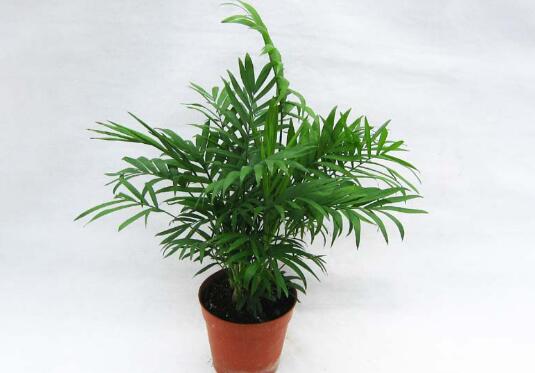
II. Pest and Disease Control for Parlor Palm (Pests)
Scale insects
Parlor palm prefers to grow in a high-humidity environment. If the growing environment is too dry, scale insects are very likely to appear. They mainly threaten the plant's branches, leaves and fruit, causing the leaves to gradually turn yellow, the tree's vigor to gradually decline, and finally a withering phenomenon to appear.
Control method: When controlling this pest and disease of parlor palm, the most direct method is to use chemicals for spraying and killing. We can use a 2.5% deltamethrin 3000-fold solution to spray and kill them.
III. Pest and Disease Control for Parlor Palm (Diseases)
1. Yellow leaf disease
Yellow leaf disease, as the name suggests, causes the leaves of the parlor palm to turn yellow and wither when it occurs. In fact, there are many reasons for this phenomenon, such as too strong light, too little watering, too concentrated fertilizer, etc., all of which can easily cause this phenomenon, so we still need to be more careful when growing it.
Control method: When controlling this pest and disease of parlor palm, we can use a 300-fold urea plus fulvic acid iron solution to spray it. Generally, spraying once every half a month, about 3 times, and it can recover.
2. Black spot disease
When we grow parlor palms, if we place them in a poorly ventilated situation, black spot disease is very likely to breed. When it occurs, many black diseased spots appear on the plant's leaves, and as time goes on they gradually spread, then cause the plant to gradually wither and die.
Control method: When controlling black spot disease, we can use a 50% chlorothalonil 800-1000-fold solution to spray the diseased plant. Generally, spraying once every 7-12 days, after 2-3 times it can recover.
What to Do When Aluminum Plant Gets Bugs, Pest and Disease Control for Aluminum Plant / 2 Pests 2 Diseases
When we grow aluminum plants, the last thing we want to encounter is problems like pests and diseases. Such problems are extremely harmful to the plant, not only affecting its ornamental value, but in severe cases even causing the plant to wither and die. So what should we do when aluminum plant gets bugs? How should pest and disease control for aluminum plant be done? Below, the editor will walk everyone through it.
I. What to Do When Aluminum Plant Gets Bugs - Find the Cause
II. Pest and Disease Control for Aluminum Plant (Pests)
1. Root-knot nematodes
Root-knot nematodes are a type of pest with separate male and female sexes. If this pest grows on the aluminum plant, it will cause the plant's growth to become very slow, the leaf color will also slowly become abnormal, and in severe cases it may even cause the plant to die prematurely.
Control method: When dealing with root-knot nematodes, this pest and disease of aluminum plant, we can use 3% carbofuran to control the plant.
2. Scale insects
Scale insects are a pest that exists on many plants, and the aluminum plant is no exception. This pest mainly feeds on the sap in the plant, gradually sucking it, which causes the plant to lose a large amount of nutrients and develop a withering phenomenon.
Control method: When controlling scale insects, we can use a 40% omethoate 1000-fold solution to spray the diseased plant. Generally, spraying once every 7-10 days, after 2-3 times this pest can be completely eliminated.
III. Pest and Disease Control for Aluminum Plant (Diseases)
1. Leaf spot disease
Leaf spot disease is one of the more frequently occurring pests and diseases of the aluminum plant. Its peak period is from August to September each year, so everyone should pay extra attention at this time. Leaf spot disease mainly threatens the plant's leaves. When it occurs, many round diseased spots appear on the leaves, and as time goes on the spots gradually expand, finally causing the leaves to gradually fall off.
Control method: When controlling leaf spot disease, we can use a 38% oxadixyl-cymoxanil-kresoxim-methyl 800-1000-fold solution to spray the diseased plant. Spray once every 5-7 days, after 2-3 times it can recover.
2. Root rot
Root rot is a disease caused by fungi. When it occurs, it gradually weakens the aluminum plant's ability to absorb water and nutrients, finally causing the plant to gradually rot to death. The peak period of this disease is from March to May each year, so everyone can take note.
Control method: When controlling root rot, we can use a thiophanate 1000-fold solution to drench the roots of the aluminum plant. Generally once every 12-15 days, after 1-2 times it can recover.
What to Do When Caladium Gets Bugs, Pest and Disease Control for Caladium / 2 Pests 2 Diseases
In the process of growing caladium, the last thing we want to encounter is pests and diseases. Such problems are extremely harmful to caladium, not only affecting its beauty, but in severe cases even causing it to wither and die. So what should we do when caladium gets bugs? How should pest and disease control for caladium be done? Below, the editor will walk everyone through it.
I. What to Do When Caladium Gets Bugs - Find the Cause
If we want to know what to do when caladium gets bugs, we first need to know what kind of bug it is, so that we can deal with it in a targeted way, because the control methods for each pest and disease are different. The specific details are below, introduced in the pest and disease control section for caladium. Let's take a look below.
II. Pest and Disease Control for Caladium (Pests)
1. Aphids
Aphids are a plant-eating insect that mainly suck the sap from the leaves of caladium, causing the leaves to gradually lose their green color. In severe cases, they also cause the leaves to continuously shrivel and fall off, and also affect its flowering.
Control method: When controlling aphids, we can use a 40% imidacloprid water-soluble agent 1500-2000-fold solution to spray and kill them. Generally, spraying 2-3 times in succession can completely eliminate this pest.
2. Red spider mites
Among the pests and diseases of caladium, red spider mites are a relatively common one. Their peak period is every summer, so everyone must pay extra attention at this time. When this pest appears, the plant's leaves gradually turn yellow and white, and if not dealt with for a long time, it can also cause the plant to develop a withering phenomenon.
Control method: When controlling red spider mites, this pest, we can use a 10% fenbutatin oxide-pyridaben emulsifiable concentrate 1000-fold solution to directly spray and kill them.
III. Pest and Disease Control for Caladium (Diseases)
1. Leaf spot disease
Leaf spot disease is a disease caused by fungi. Its peak period is the two seasons of spring and autumn each year. Leaf spot disease mainly harms the leaves of caladium. When it occurs, many round diseased spots appear on the leaves, and the spots gradually expand and their shape becomes irregular, finally causing the plant to gradually wither and die.
Control method: When controlling leaf spot disease, we can use a 50% thiophanate-methyl wettable powder 700-fold solution spray to spray caladium. Generally, spraying once every 7-10 days, after 2-3 times it can recover.
2. Dry rot
Dry rot, also known as wilt disease, is a fungal disease. This disease is harmful to the entire caladium plant. When it occurs, many water-soaked dark diseased spots appear on the affected parts, and as time goes on the spots gradually expand into an irregular shape, finally causing the plant to gradually shrivel and rot.
Control method: When controlling dry rot, we can directly use a 50% carbendazim 500-fold solution to soak or dust to spray the diseased plant. Generally, spraying once every 12-15 days, after 1-2 times it can recover.