How to Propagate Sophora japonica (Japanese Pagoda Tree)? Detailed Guide to Seed Propagation and Root Sucker Propagation
Sophora japonica (Japanese pagoda tree) is a highly ornamental flowering plant that can be seen in many regions of China, and many people grow it. However, as more people cultivate it, questions about its propagation have drawn considerable attention. So how do you propagate Sophora japonica? What are the propagation methods for Sophora japonica? Let's take a look below.
1. How to Propagate Sophora japonica: Seed Propagation / Root Sucker Propagation
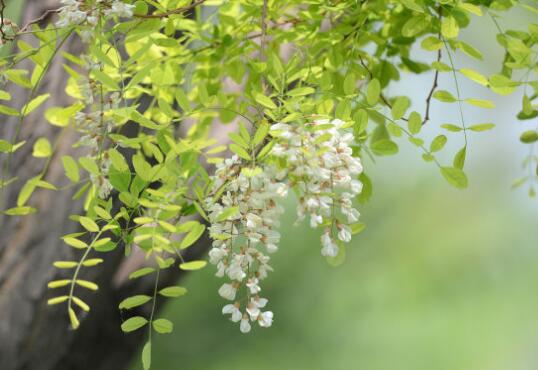
As for how to propagate Sophora japonica, it mainly comes down to two methods: seed propagation and root sucker propagation. Seed propagation is the more commonly used method, and while root sucker propagation is not used as often, its survival rate is not low either. As for how to carry out these two propagation methods specifically, there is a detailed introduction below. Let's take a look.
2. Propagation Methods for Sophora japonica
Seed Propagation
1. Substrate Selection
In the propagation of Sophora japonica, we first need to choose the soil. Only by choosing suitable soil can it grow vigorously. It prefers loose, fertile humus soil, which has good drainage and aeration and allows Sophora japonica to grow better.
2. Seed Treatment
Before sowing, it is best to soak the Sophora japonica seeds in hot water for about 24 hours, then remove them, mix them with fine sand, and place them indoors. This helps sprout the seeds. During sprouting, be sure to turn them over frequently to keep the temperature consistent from top to bottom. This usually takes about 7-10 days, and once the seeds crack open, we can sow them.
3. Sowing Method
When sowing, spread the Sophora japonica seeds evenly over the soil surface, then cover them with 1-2 cm of soil, and water afterward. Be sure to water thoroughly in one go, then keep them indoors for about 10-15 days. Once the seeds germinate, normal care can begin.
4. Follow-up Management
There are also many things to pay attention to when caring for Sophora japonica, such as fertilizing, lighting, and watering, all of which have many requirements. For details, you can refer to the article on how to grow Sophora japonica, which has detailed care instructions. I won't repeat them here.
Root Sucker Propagation
Among the propagation methods for Sophora japonica, root sucker propagation is one of the simpler ones. This method is generally carried out in spring. We only need to dig out mature root sucker seedlings and then plant them in dug holes. With this method, it generally takes about 4-5 years to become a mature plant.
How to Propagate Sophora japonica
Propagation Methods for Sophora japonica
Seed Propagation
Sophora japonica can be propagated by direct sowing. Select mature, plump seeds and soak them in warm water at 70 to 80°C for about 24 hours. Then remove them and place them in fine sand, wait for germination, and then sow.
Sowing and seedling raising are carried out in spring and autumn. For temporary planting and transplanting, wait until late autumn when the soil freezes, then transplant the seedlings into trenches 60 to 70 cm deep to overwinter. Planting and watering are done the following spring.
Root Sucker Propagation
Root sucker propagation of Sophora japonica is relatively simple and easy. You only need to dig out root sucker seedlings from mature trees and plant them in dug holes. They become mature plants in four to five years.
Propagation and Care of Sophora japonica
When propagating Sophora japonica, ensure light and humidity, and the climate should be dry, cold and cool.
It needs fertile, deep soil with good drainage. Pay attention to loosening the soil.
Remove weeds promptly and control pests and diseases.