When to sow sweet alyssum? Detailed guide to sowing and cutting techniques
Sweet alyssum is a relatively easy plant to grow; with enough light, temperature and nutrients it will produce pretty little flowers. However, after the flowering period we need to think about propagating it, because after the fruiting stage comes the time to collect sweet alyssum seeds. So how do you propagate sweet alyssum? When do you sow sweet alyssum? Let's look at the propagation methods for sweet alyssum together.
How to propagate sweet alyssum
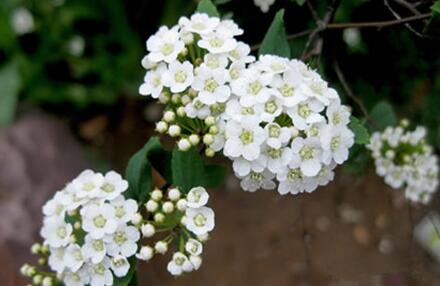
There are two commonly used propagation methods for sweet alyssum: sowing and cuttings. Because sowing sweet alyssum has the advantages of fast germination and uniform seedlings, it is used more often than with other flowering plants. Besides this, cuttings are also a very simple method, though of course they require certain techniques.
How to sow sweet alyssum
1. When to sow sweet alyssum
We know that the flowering period of sweet alyssum is March to June, and the fruiting period is June to July; this is also the time to collect sweet alyssum seeds. But when do you sow sweet alyssum? It can be divided into spring sowing and autumn sowing. In northern regions spring sowing is generally chosen, in March; in southern regions autumn sowing can also be chosen, in mid-to-late September.
2. Sowing method
(1) Preparation: The substrate used for sowing should be nutrient-rich and breathable; nutrient soil, river sand, peat soil and so on can be used. To ensure the substrate is healthy and safe it must first be sterilized. High-temperature sterilization or soaking in potassium permanganate solution can be used, thereby eliminating pathogens and pests.
(2) Germination: Soak the seeds in warm water at 40 degrees for 12-24 hours. After the seeds absorb water and swell, take them out and place them in a cool place for later use. Seeds that have been germinated are more likely to take root.
(3) Sowing: Place the seeds one by one on the surface of the soil, then cover with 1 cm of soil. After pressing down lightly, place the flower pot in water from the bottom so that water enters the pot through the drainage holes, which ensures the soil stays moist.
(4) Care: Keep the temperature at around 20 degrees. If sowing in autumn you may encounter falling temperatures; at this time you can wrap a layer of plastic film over the flower pot, then place it in sunlight every day from 9:30 to 15:30. Seedlings will emerge in 5-10 days, and when they grow to 3-4 true leaves they can be transplanted.
Propagating sweet alyssum by cuttings
1. Substrate: The soil used for cuttings is similar to that used for sowing; the soil must be fertile and healthy. Garden soil, peat soil or nutrient soil are commonly used, and river sand can also be used. When growing indoors, leaf mold that has been dried in the sun can be used.
2. Cuttings: Select new shoots from the top of a relatively robust sweet alyssum plant. Be sure the shoots have no diseased or yellow leaves. Remove the lower leaves, keep 5-7 leaves at the top, then place in a cool place and wait for the cut end to air-dry.
3. Cutting: Insert the cuttings into the substrate and press down to ensure they grow upright. To ensure they root smoothly, the temperature needs to be kept at 18-25 degrees or above, and the soil moisture should not be too high, otherwise the cut end easily rots. You can spray 1-3 times a day to increase humidity, while also avoiding too strong light.
When to sow sweet alyssum: growing methods for sweet alyssum
Sweet alyssum is a perennial herbaceous flower, often grown as an annual or biennial. When do you sow sweet alyssum? Today we will tell you the answer and the growing methods for sweet alyssum.
When to sow sweet alyssum:
In northern regions it is mostly sown in spring, generally sown and raised as seedlings in a greenhouse in March. Sweet alyssum seeds germinate faster than ordinary flower seeds and emerge uniformly. The suitable germination temperature is 20°C, with emergence in about 5 days. When there are 3-4 true leaves, plant them out into pots, and they flower in June. When the summer heat arrives they grow poorly and flower very little. At this time cut off the flower stems that have already bloomed and strengthen fertilizer and water management, and they will bloom again in autumn. In North China and southern regions it is mostly sown in autumn, overwintered in a cold frame under protection, potted up or planted out in March of the following year, and flowers in April.
Growing methods for sweet alyssum:
1. Sowing: Sweet alyssum is suitable for autumn sowing and is cultivated by sowing or cuttings. The suitable temperature is 20°C. Scatter the sweet alyssum seeds evenly over loose sandy soil and press down lightly. Next, keep the soil moist; seedlings will emerge in about 5-10 days, and when there are 3-4 leaves they can be placed in pots to grow.
2. Potting up or transplanting: When moving sweet alyssum into a flower pot, place 2-2 cm of coarse-grained substrate or ceramsite at the bottom of the pot as a drainage layer, and sprinkle some organic fertilizer in the middle as a base fertilizer.
3. Fertilizer and water management: Like other flowers and plants, it most fears indiscriminate fertilizing. So when fertilizing sweet alyssum, follow the principles of "light fertilizer applied frequently, small amounts but many times, complete nutrition" and "alternate dry and wet, when dry let it dry out thoroughly, do not water if not dry." At night be sure to keep the flowers and leaves dry.
4. Temperature management: Sweet alyssum is not very strict about temperature and can generally adapt as long as the weather is not especially cold. If the temperature exceeds 30°C it easily dies, so in summer the most suitable temperature for sweet alyssum growth is 15-25°C. Therefore, if you want to grow sweet alyssum, it is best to choose to sow in autumn or winter.
5. Growth habits: Sweet alyssum likes cool weather and dislikes heat. It needs sufficient sunlight, but at the same time is relatively shade-tolerant. It is suitable for planting in loose soil and must never be waterlogged. At night try to keep the flowers and leaves of sweet alyssum dry.
How to sow sweet alyssum: propagation methods for sweet alyssum
Sweet alyssum is also called small white flower. During the flowering period it is a mass of blooms, looking like a sea of white. Growing sweet alyssum requires a certain amount of patience and care to raise it beautifully. Sweet alyssum grows creeping very quickly and is often propagated by cuttings or sowing. What points should be noted when propagating sweet alyssum by sowing?
How to sow sweet alyssum
1. Sowing time
Because sweet alyssum is relatively afraid of heat during its growing period, and the most suitable temperature for sowing is 15°C-20°C, autumn sowing is generally carried out after mid-to-late September.
2. Preparation for sowing
The substrate can be nutrient soil, river sand, peat soil and so on. Before sowing, the substrate must be sterilized; the best method is to put it in a pot and heat it by frying at high temperature to suppress the occurrence of pests and diseases.
The seeds must first be germinated by soaking them in warm hot water for 12-24 hours, until the seeds absorb water and swell.
3. Sowing steps
For tiny seeds that are hard to pick up by hand or with other tools, you can moisten one end of a toothpick with water and place the seeds one by one on the surface of the substrate, then cover with substrate about 1 cm thick and press down lightly.
Then place the sown flower pot into water, with the water depth at 1/2-2/3 of the pot's height, letting the water slowly soak up. The suitable temperature for sweet alyssum germination is 20°C; seedlings generally emerge in 5-10 days, and when there are 3-4 true leaves they can be planted out into pots.
4. Management after sowing
After autumn sowing, if cold waves and low temperatures occur, you can wrap the flower pot in plastic film, which helps keep it warm and moist.
After the seedlings emerge, uncover the film promptly, and let the seedlings receive sunlight before 9:30 in the morning or after 3:30 in the afternoon each day, otherwise the seedlings will grow very weak and spindly.
After most of the seeds have emerged, appropriate thinning is needed, and diseased and unhealthy seedlings should be pulled out so that the remaining seedlings have a certain amount of space between them. When most of the seedlings have grown 3 or more leaves, they can be transplanted into pots.
Propagation methods for sweet alyssum
Sweet alyssum can be propagated by seeds or cuttings, but seed propagation is generally used more. In northern regions it is mostly sown in spring, generally sown and raised as seedlings in a greenhouse in March. Sweet alyssum seeds germinate faster than ordinary flower seeds and emerge uniformly. The suitable germination temperature is 20°C, with emergence in about 5 days. When there are 3-4 true leaves, plant them out into pots, and they flower in June.
When the summer heat arrives they grow poorly and flower very little. At this time cut off the flower stems that have already bloomed and strengthen fertilizer and water management, and they will bloom again in autumn. In North China and southern regions it is mostly sown in autumn, overwintered in a cold frame under protection, potted up or planted out in March of the following year, and flowers in April.
What are some small care tips for sweet alyssum
1. Temperature
Sweet alyssum is not very strict about winter temperature; as long as it is not exposed to frost it can overwinter safely. It dies when the temperature reaches above 30°C in late spring and early summer. The most suitable growing temperature is 15-25°C. In the three seasons of late autumn, winter and early spring, since the temperature is not very high, it should be given direct sunlight to help it carry out photosynthesis and form flower buds, flower and set seed. In summer, if high-temperature weather occurs, it needs to be shaded from about 50% of the sunlight.
2. Fertilizer and water
Like other herbaceous flowers, sweet alyssum has relatively high fertilizer and water requirements, but it most fears indiscriminate fertilizing, concentrated fertilizer, and one-sided application of nitrogen, phosphorus or potassium fertilizer. It requires following the two fertilizing (watering) principles of light fertilizer applied frequently, small amounts but many times, complete nutrition, and alternate dry and wet, when dry let it dry out thoroughly, do not water if not dry, and when watering, water thoroughly. Also, after fertilizing, keep the leaves and flowers dry at night.
3. Pinching
Before flowering, sweet alyssum is generally pinched twice to encourage more flowering branches to sprout. One to two weeks after potting up, or when the seedling is 6-10 cm tall and has six or more leaves, remove the top shoot and keep the lower 3-4 leaves to encourage branching. Three to five weeks after the first pinching, or when the side branches grow to 6-8 cm long, carry out the second pinching, that is, remove the top shoots of the side branches and keep the 4 leaves below on the side branches.
Introduction to sweet alyssum
1. Other names
Sweet alyssum is also called alyssum, small white flower, and jade butterfly ball.
2. Origin
Its origin is the Mediterranean coast. In China it is cultivated for ornamental purposes in parks and flower nurseries in Hebei, Shanxi, Jiangsu, Zhejiang, Shaanxi, ** and other provinces and regions.
3. Morphological characteristics
The leaves are linear or lanceolate, gradually narrowing at both ends, with entire margins. The inflorescence is corymbose, greatly elongated in the fruiting stage. The petals are light purple or white, oblong.
Seeds 1 per locule, suspended from the top of the ovary locule, oblong, about 1.5 mm long, light reddish-brown, with a sticky substance when meeting water
glue. The flowering period for greenhouse cultivation is March—April, and for open-field cultivation June—July.
Cuttings are a relatively common propagation method for plants, and the survival rate is also very high. However, sowing and propagating sweet alyssum is not difficult either, and all of this has been described in detail above. We hope it is helpful to everyone. If you want the sweet alyssum you grow yourself to thrive, careful care is still indispensable.