How to Propagate Peperomia? Detailed Guide to Cutting and Division Propagation Methods
Peperomia is a fairly common plant in people's daily lives, with high ornamental value, and many people in China grow it. As more people grow it, questions about its propagation have also drawn attention. So how do you propagate Peperomia? What are the propagation methods for Peperomia? Let's take a look below.
1. How to Propagate Peperomia: Cutting Propagation / Division Propagation
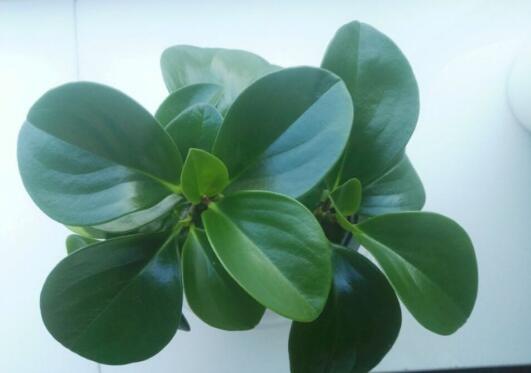
When it comes to how to propagate Peperomia, it mainly comes down to two methods: cutting propagation and division propagation. Cutting propagation is the more commonly used method, and although division propagation is used relatively less often, its survival rate is also very high. Below are the details of both propagation methods. Let's take a look.
2. Propagation Methods for Peperomia
Cutting Propagation
1. Cutting time: April to May
When propagating Peperomia by cuttings, choosing a suitable time is very important. Generally, it is best to take cuttings during April to May, because the climate is more suitable and the survival rate of the cuttings will be greatly improved.
2. Substrate selection: good drainage is required
Before taking cuttings from Peperomia, we first need to choose the soil. Only by choosing suitable soil can they grow vigorously; otherwise, they may grow poorly. Peperomia prefers loose, fertile humus soil, because this kind of soil has good drainage and can help its growth.
3. Cutting selection: choose vigorously growing branches
Before carrying out cutting propagation, we first need to select the cuttings. Generally, it is best to choose relatively vigorous branches from the Peperomia, as this will give a higher survival rate. If you choose branches that already look very weak and slender, the cutting can basically be declared a failure.
4. Cutting method: operate carefully and do not damage the roots
Among the propagation methods for Peperomia, cutting propagation is a relatively simple one. First, we can use a chopstick to poke a hole in the potting soil, then insert the cutting into it, and afterward water it thoroughly and wait quietly for it to take root. This operation can prevent the cutting from being damaged and is very practical.
Division Propagation
In addition to cutting propagation, Peperomia can also be propagated by division. Although not many people use this method, its survival rate is by no means low. For division propagation, we can do it when repotting and changing the soil. When repotting, we need to take the plant out of the potting soil, then divide it into several sections, while also cutting back the old stems, and then plant them in separate pots. After they survive, new shoots and buds will quickly sprout.
How to Propagate Peperomia, Peperomia Propagation Methods
Peperomia is a very delicate and lovely potted plant, with emerald-green leaves, and many flower enthusiasts like to grow it. Peperomia is propagated by cuttings and division. Below is a detailed introduction to the cutting propagation and division propagation of Peperomia, hoping to help flower enthusiasts growing Peperomia.
How to Propagate PeperomiaPeperomia is generally propagated by cuttings and division.
1. Peperomia cutting propagation methodIn April—May, choose vigorous top branches, about 5cm long, as cuttings, keep 1—2 leaves on the upper part, and after the cut end dries, insert it into a moist sand bed. Leaf cuttings can also be used: use a knife to cut off a leaf with its petiole, let it dry slightly, then insert it obliquely into the sand bed, and it will root in 10-15 days. In a greenhouse with temperature control equipment, it can be done year-round.
2. Peperomia division propagation methodMainly used for propagating variegated-leaf varieties. The potting soil can be made from leaf mold, peat soil plus some perlite or sand, with an appropriate amount of base fertilizer added. During the growing season, apply topdressing once every half month. For watering, it is best to use water that has been left standing in a water tank for 1—2 days, and reduce watering in winter. Temperature changes directly affect leaf color. The suitable winter temperature for variegated-leaf types is 18-20°C; for green-leaf species it is around 15°C. In hot summer it fears heat, so it can be placed under a shade shed and sprayed with water to cool down, but note that both excessive heat and excessive moisture can cause stems and leaves to turn black and rot. In winter, place it in a spot with ample light; in summer, avoid direct sunlight. Repot once every 2—3 years.
What Are the Propagation Methods for Peperomia?
Peperomia is delicate and lovely, with an emerald-green color, giving people a feeling like a refined beauty from a modest household. Although the plant is small, it is exquisite overall, so Peperomia is also highly favored by people. So what are the propagation methods for Peperomia? Let's introduce them below.
What Are the Propagation Methods for Peperomia?
1. Cuttings: In April-May, choose vigorous top branches, about 5cm long, as cuttings, keep 1-2 leaves on the upper part, and after the cut end dries, insert it into a moist sand bed. Leaf cuttings can also be used: use a knife to cut off a leaf with its petiole, let it dry slightly, then insert it obliquely into the sand bed, and it will root in 10-15 days. In a greenhouse with temperature control equipment, it can be done year-round.
2. Division: Mainly used for propagating variegated-leaf varieties. The potting soil can be made from leaf mold, peat soil plus some perlite or sand, with an appropriate amount of base fertilizer added. During the growing season, apply topdressing once every half month. For watering, it is best to use water that has been left standing in a water tank for 1-2 days, and reduce watering in winter. Temperature changes directly affect leaf color. The suitable winter temperature for variegated-leaf types is 18-20°C; for green-leaf species it is around 15°C. In hot summer it fears heat, so it can be placed under a shade shed and sprayed with water to cool down, but note that both excessive heat and excessive moisture can cause stems and leaves to turn black and rot. In winter, place it in a spot with ample light; in summer, avoid direct sunlight. Repot once every 2-3 years.
Peperomia has relatively few pests and diseases. When the soil is too wet, leaf spot and stem rot often occur, and occasionally scale insects and slugs cause damage, so timely prevention and control are needed.