How to Propagate Lady Palm? Detailed Explanation of Seed Sowing and Division Propagation Methods
Lady palm (Rhapis excelsa) is a highly ornamental plant, and people all over China are growing it. As more people cultivate lady palm, questions about its propagation have drawn growing interest. How do you propagate lady palm? What propagation methods are there for lady palm? Below, the editor takes you through the details.
I. How to Propagate Lady Palm
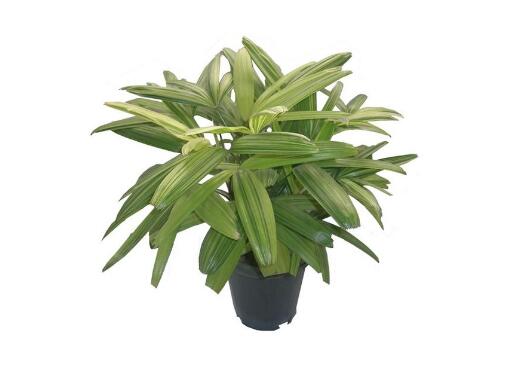
II. Propagation Methods for Lady Palm
Seed Sowing Propagation
1. Substrate selection: slightly acidic
Before propagating lady palm, we first need to choose the soil. It prefers loose, fertile, slightly acidic soil with good drainage, so we can select soil according to these requirements. Generally, humus soil is quite good and well suited to growing lady palm.
2. Substrate disinfection: sun exposure or high-heat stir-frying
After choosing the substrate, we also need to disinfect it first, to avoid hidden pests and diseases inside. There are two specific disinfection methods. One is to break up the soil, spread it flat in the sun and expose it to full sunlight for disinfection. Alternatively, you can put it in a pan and stir-fry it over high heat, so that even if there are pests inside, they will be killed.
3. Seed germination: soak in warm water for 1-2 days
Before sowing, we also need to soak the lady palm seeds in warm water to promote germination. The soaking time is about 1-2 days, and a water temperature of about 30-40°C is sufficient. Once the seeds begin to absorb water and swell, we can take them out and sow them.
4. Sowing method: germination in 1-2 months
Among the propagation methods for lady palm, seed sowing is one of the simpler ones. First, we can evenly scatter the germinated seeds over the soil surface, then cover them with about 2 cm of soil and water them. Be sure to water thoroughly. After about 1-2 months, the seeds will germinate, and once they have sprouted, we can carry out normal care.
Division Propagation
For lady palm division propagation, we can generally do it together with repotting in spring. First, we dig the old plant out of the pot, remove the soil from the roots, then use pruning shears to cut the root clumps apart. The cuts should be flat, and each clump should have at least 5-6 stems. Then plant them into prepared pots. When planting, do not plant too deep; keep the original root crown level with the potting soil.
Division Propagation Method for Lady Palm
Lady palm is a southern plant, and it is not difficult to grow. As long as you give it a warm, humid, fairly shaded and ventilated environment and water it reasonably, you can grow lady palm well. However, if you want to propagate lady palm yourself, it is not so simple. If you want to propagate lady palm yourself, then take a look at the article below.
Lady Palm
Lady palm propagation generally has two methods: seed sowing and division. Seed sowing is the most common propagation method. Generally, you can sow in pots in April-May. Before sowing, it is best to soak the seeds in 35°C warm water for one day, then sow. They germinate one month after sowing, and after half a year they can be transplanted into small pots.
If you choose division propagation, then you need to pay attention to the environment and various other factors. Lady palm has very strong adaptability, which is an advantage for division propagation. It is recommended that lady palm division propagation be done in early spring when repotting. If your lady palm is still relatively small, then when repotting you only need to cut off the small shoots around the edges and transplant them with roots. If your lady palm is relatively large, then you need to divide it into several small clumps and transplant them separately.
Generally, household propagation of lady palm is not large-scale, so without damaging the shape of the mother plant, you can use a long knife to dig out the small stems at the edge of the lady palm together with their roots, and immediately plant them in a pot. In this way, they will more easily grow into a new lady palm.
If you want to propagate on a large scale, then you should pull the dense, multi-year-old lady palm plant out of the pot, clear away some of the soil around the root system, then take 2-3 stems as one clump, cut the horizontal root system short, and plant in pots. Here I want to remind all flower lovers that because after division there will be many wounds on the root system, try not to fertilise just after potting, and do not use soil that has already been fertilised. After division, place the lady palm in a shaded spot, water thoroughly, loosen the soil once after two days, but do not water again; just spray water on the leaves 2-3 times a day. If the potting soil becomes dry, you can sprinkle a little water on the surface of the pot, and after half a month water once more, and water thoroughly. This is to prevent the wounds on the root system from rotting.
Lady palm likes a warm environment and is not cold-tolerant, so in winter you need to prevent frost damage. In fact, lady palm is very easy to grow. As long as you pay attention to the growing methods, your lady palm can also grow very beautifully.
How Is Lady Palm Sown? Propagation Methods for Lady Palm
As a common indoor green plant, lady palm is much loved by people. The lady palm plant is upright, evergreen all year round, full of vitality and vigorous in growth. So how is lady palm sown? What exactly are the propagation methods for lady palm? Below, the editor gives a detailed introduction for everyone.
How Is Lady Palm Sown?
Lady palm sowing uses loose, water-permeable soil as the substrate, generally a mix of leaf mould and river sand, etc. Before sowing, the seeds can be treated by soaking in warm water (soak in 30-35°C warm water for two days), and sown when the seeds begin to sprout. Because germination is generally uneven, after sowing the soil covering should be slightly deeper. Generally, they germinate 1-2 months after sowing, and the germination rate can reach about 80%. When the cotyledons of the seedlings reach 8-10 cm long, they can be transplanted. It is worth noting that when transplanting, 3-5 plants must be planted as one clump to help survival and growth.
Propagation Methods for Lady Palm
In home cultivation, lady palm is mostly propagated by division. Division propagation is generally carried out in spring together with repotting. Use a sharp knife to cut the original plant clump, which has many suckers, into several clumps. When dividing, try to damage the roots as little as possible and do not damage the buds, so that each clump contains more than 8-10 plants; otherwise growth will be slow and the ornamental effect poor. After dividing and potting, place in a semi-shaded spot, keep it moist, and frequently spray water on the leaves to prevent the leaves from turning yellow and withering. After new branches sprout, move it to a sunny spot for care, then carry out normal management.
For potted lady palm, you can use a mixture of equal parts leaf mould, garden soil and river sand as the substrate, and add an appropriate amount of base fertiliser when planting. During the vigorous growth period from May to September, apply liquid fertiliser 1-2 times a month; the potting soil should be kept moist, better wet than dry, but it must not become waterlogged, otherwise the roots will easily rot. In autumn and winter, appropriately reduce the amount of watering. During the growing season, shade is needed; especially in summer, avoid fierce sun exposure, otherwise the leaves will turn yellow and the plant will grow slowly and stay short. Generally, keep the shading degree at about 50%. Lady palm growth requires a well-ventilated environment; if ventilation is poor, scale insects are likely to occur. If only a few appear, promptly remove them by hand, and use an 800-fold omethoate solution for control. At the same time, pay attention to ventilation and airflow, and promptly prune dead branches and withered leaves.
Lady palm is vigorous in growth. In fact, to master the propagation methods of lady palm well, it is necessary to understand its growth habits. So everyone should now understand how lady palm is sown. For flower lovers who like growing lady palm, I hope the propagation methods for lady palm introduced in this article are helpful to you.