How to propagate the Brazil iron tree? A step-by-step guide to the cutting method, with a 100% survival rate
As an exotic foliage plant introduced from abroad, the Brazil iron tree (Dracaena fragrans) has been hugely popular with plant lovers in recent years. Not only is it attractive, it is also amazingly effective at purifying the air and beautifying the home, so it is propagated in large numbers. Different plants have different propagation methods, so how do you propagate the Brazil iron tree? Now let's take a look at the illustrated guide to Brazil iron tree propagation.
1. How to propagate the Brazil iron tree: cuttings / layering / sowing
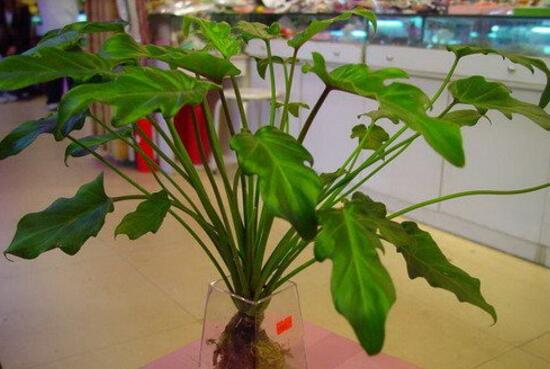
As a common foliage plant, the Brazil iron tree is actually very easy to grow, and with just a little care it can look stunning. However, propagating one yourself is not so easy. According to research, there are three propagation methods for the Brazil iron tree: cuttings, division and sowing, of which cuttings are used most often. Let's take a look at the specific steps below.
2. Illustrated guide to Brazil iron tree propagation methods
(1) Cutting propagation of the Brazil iron tree
When it comes to propagating the Brazil iron tree, cutting propagation is still the most commonly used method. According to research, cutting propagation of the Brazil iron tree can also be divided into two types: log section cuttings and slender branch cuttings.
1. Log section cuttings of the Brazil iron tree
① Cuttings: choose a thick trunk with a diameter of 6-10 cm as the cutting. A trunk of more than 10 cm is also fine, but it must stay fresh, and the color of the bark should preferably be light yellow;
② Substrate: based on the growth habits of the Brazil iron tree, the cutting substrate can be river sand, vermiculite or moss. The substrate should be about 30 cm deep. Remember to disinfect it before inserting the cuttings;
③ Inserting the cuttings: insert the cutting into the substrate to a depth of about 10-25 cm. Of course, the depth mainly relates to how firmly it is held; if the cutting is more than 1 m tall, you can fix it in place with other supports to keep it steady;
④ Care: water promptly after inserting the cuttings to keep the soil moist, and keep them out of the sun around midday. After about one month you will see new shoots appear. Once the new shoots reach 5 cm to 10 cm tall, they can be planted out.
2. Slender branch cuttings of the Brazil iron tree
Slender branch cuttings of the Brazil iron tree go hand in hand with pruning. To control the height of the tree, the branches you cut off (see also: pruning methods for the Brazil iron tree) can be used for cuttings. When taking cuttings you can insert them horizontally or vertically, keeping the room temperature at 25-30°C; new roots will grow in about one month. Note: to avoid pests and diseases in the Brazil iron tree, you should likewise disinfect all soil, containers and tools before taking cuttings.
(2) Other propagation methods for the Brazil iron tree
Besides cuttings, the Brazil iron tree can also be propagated by air layering (complicated to do, with a low survival rate). Also, the Brazil iron tree produces fruit after flowering, which leaves seeds behind, so it can also be propagated by sowing. However, mature seeds of the Brazil iron tree are generally hard to obtain, so sowing is not often used.
Overall, whether by cuttings, division or sowing, the Brazil iron tree can survive, but the method best suited to home propagation is still cuttings. Of course, methods are fixed but people are flexible, so everyone can choose a method based on their own situation. That is all for our introduction to Brazil iron tree propagation methods, and we hope it is helpful.
Illustrated guide to Brazil iron tree propagation methods_Brazil iron tree photo gallery
The Brazil iron tree is a very popular large indoor potted foliage plant. It is often grown indoors in living rooms, studies, bedrooms and other living spaces, giving people an elegant style with a touch of rustic simplicity and a hint of tropical flavor. The Brazil iron tree has a very graceful form and very neat arrangement, and it is one of the world's most famous indoor foliage plants. How much do we really know about the Brazil iron tree? Let's take a look together at the illustrated guide to Brazil iron tree propagation methods and a gallery of Brazil iron tree photos.
[Brazil iron tree photo gallery — introduction]
The Brazil iron tree is also known as the Brazil iron plant, fragrant dragon tree, Brazil thousand-year tree, and so on, and belongs to the lily family as an evergreen tree plant. The Brazil iron tree is generally more than 6 m tall, while potted specimens are usually 50-60 cm tall, and it can branch during growth. Its leaf clusters grow at the top of the stem, with a length of 40-90 cm and a width of 6 cm-10 cm, curving in an arch shape; the leaves are bright green and very glossy. It does flower, but the flowers are very small and carry a faint fragrance. It is a very famous foliage plant. The Brazil iron tree originates from western Africa, and is distributed in Yunnan, Hainan, Guangxi in China, as well as Thailand, Indonesia, the Americas and other countries. The Brazil iron tree has a very graceful form and a very neat arrangement, and has a certain tolerance for shade.
[Brazil iron tree photo gallery — growth habits]
The Brazil iron tree likes to grow in a hot and humid environment. It adapts very well to light and prefers a spot with plenty of sunshine and a little shade. In spring, autumn and winter it can photosynthesize more, while in summer it should be placed in a shaded, ventilated spot, as shade is more favorable to its growth. The Brazil iron tree has very strong vitality: as long as it gets enough sunlight, air and a little water, it can survive on its own stored energy and even grow very lushly. The Brazil iron tree is drought-tolerant but not waterlogging-tolerant, so it needs plenty of water during the growing season. The Brazil iron tree fears cold, so in winter it should be placed in a spot with plenty of sunlight; in winter its most suitable temperature is 5-10°C, and it must not go below this temperature, otherwise its growth will be affected and its ornamental value reduced.
[Brazil iron tree photo gallery — illustrated guide to Brazil iron tree propagation methods]
The Brazil iron tree can be propagated by cuttings and by water culture, and these two methods are best carried out from May to August. You can use a wooden bucket or a slightly larger flowerpot, fill it with prepared coarse sand or vermiculite to make a very simple cutting bed, and then insert one third of the Brazil iron tree cutting into it. During propagation you need to spray water frequently to keep the cutting bed moist. The temperature should generally be kept at 21-24°C, which is more favorable for the cutting to take root and sprout. Roots form relatively quickly at the tip of the Brazil iron tree leaf, usually in about one month.
If the stem section roots more slowly, it needs 2-3 months. When you see a parent plant on the stem, you can cut it off, which helps buds or new shoots appear. When the new shoots are more than 15 cm tall, they can be cut off for cuttings, and 2-3 weeks after rooting they can be potted up. After that you need to manage the potted Brazil iron tree accordingly, which is more favorable for lush plant growth.
Summary: The Brazil iron tree is a foliage plant that is very popular with people and very easy to grow, so it does not take much of our time. During cultivation, some simple maintenance is all that is needed. The above is our introduction to the illustrated guide to Brazil iron tree propagation methods, along with a brief look at the Brazil iron tree photo gallery. We hope this introduction is of greater help to you when growing the Brazil iron tree. If you would like to learn about Brazil iron tree care methods as well, please search on our website; the methods and steps are all very detailed. Thank you for reading.
More related information: the effects of Alocasia macrorrhizos how to grow Hibiscus rosa-sinensis is Mimosa pudica toxic Datura photos Cymbidium photos
How to propagate the Brazil iron plant: propagation methods for the Brazil iron plant / two types of cuttings that survive easily
As an exotic foliage plant introduced from abroad, the Brazil iron plant (Dracaena fragrans) has been hugely popular with plant lovers in recent years. Not only is it attractive, it is also amazingly effective at purifying the air and beautifying the home, so it is propagated in large numbers. Different plants have different propagation methods, so how do you propagate the Brazil iron plant? Now let's take a look at the illustrated guide to Brazil iron plant propagation methods.
1. How to propagate the Brazil iron plant: cuttings are the main method
When it comes to propagating the Brazil iron plant, there are generally three methods: cuttings, layering and sowing. Cuttings means selecting a trunk or branch from the Brazil iron plant as a cutting and inserting it into soil; layering is complicated to do and has a low survival rate, so it is not considered; as for sowing, because the Brazil iron plant rarely produces mature seeds after flowering, it is not commonly used either. Next, we will introduce Brazil iron plant cutting propagation in detail.
2. Cutting propagation of the Brazil iron plant
If you want to know how to propagate the Brazil iron plant, as a common foliage plant, the Brazil iron plant is generally propagated by cuttings. According to research, cutting propagation of the Brazil iron plant can also be divided into two types: trunk cuttings and slender branch cuttings. The specific steps are as follows:
(1) Trunk cuttings of the Brazil iron plant
1. Choosing the cutting
For Brazil iron plant cuttings, the most important step is choosing the cutting. From a potted Brazil iron plant, select a thick trunk with a diameter of 6-10 cm as the cutting; of course, a trunk of more than 10 cm is also fine, but it must stay fresh, and the color of the bark should preferably be light yellow.
2. Cutting substrate
Based on the growth habits of the Brazil iron plant, the cutting substrate can be river sand, vermiculite or moss. The substrate should be about 30 cm deep. Remember to disinfect it before inserting the cuttings, which can prevent pests and diseases in the Brazil iron plant.
3. Starting the cuttings
Once the preparations above are done, the Brazil iron plant cuttings can officially begin: insert the cutting into the prepared substrate to a depth of about 10-25 cm. Of course, the depth mainly relates to how firmly it is held; if the cutting is more than 1 m tall, you can fix it in place with other supports to keep it steady.
4. Care after inserting the cuttings
Because the Brazil iron plant likes a moist environment, water promptly after inserting the cuttings to keep the soil moist. At the same time, keep the pot out of the sun around midday. After about one month you will see new shoots appear. Once the new shoots reach 5 cm to 10 cm tall, they can be planted out, and afterwards you can care for them according to Brazil iron plant growing methods.
(2) Slender branch cuttings of the Brazil iron plant
Besides trunk cuttings, the cuttings for Brazil iron plant propagation can also use healthy, pest-free slender branches. When taking cuttings you can insert them horizontally or vertically, keeping the room temperature at 25-30°C; new roots will grow in about one month. Note that you should likewise disinfect all soil, containers and tools before taking cuttings.
Overall, for propagating the Brazil iron plant, cuttings are the method best suited to home propagation. If a single pot of Brazil iron plant looks a bit plain, you might as well try taking cuttings yourself. This not only adds to the fun of growing plants, but once the cuttings survive, the sense of success is very satisfying too. That is all for our introduction to Brazil iron plant propagation methods, and we hope it is helpful.