How to grow hollyhocks: planting in spring gives a high survival rate
Among the propagation methods for hollyhocks, there are three: sowing, cuttings, and division, of which sowing is the more commonly used one. However, for planting to succeed, there are many things to pay attention to. So how do you grow hollyhocks? What are the methods for growing hollyhocks? Let's take a look below.
1. How to grow hollyhocks: sowing
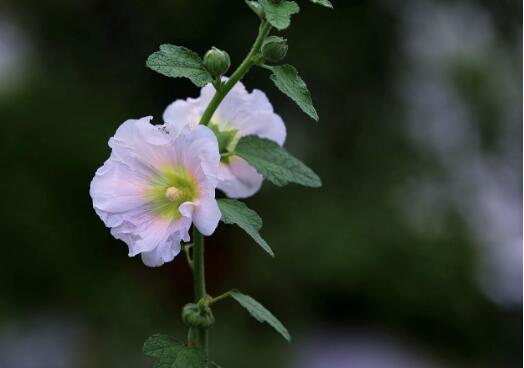
When it comes to how to grow hollyhocks, people generally use the sowing method. This method has been tested by countless people, and the survival rate is relatively high. However, for sowing to succeed, timing, substrate, and other aspects all need attention. The details are described below. Let's take a look.
2. Methods for growing hollyhocks
1. Sowing time: spring sowing is best
The sowing time for hollyhocks has a certain influence on its survival rate. Choosing a suitable time to sow it can increase the survival rate. We can choose spring as this suitable time, because the climate and environment are both relatively suitable for its growth.
2. Substrate selection: loose sandy soil
In the process of growing hollyhocks, choosing the substrate is a relatively important step. Although it has strong adaptability to substrates, choosing a suitable substrate is still very helpful for its growth. It prefers loose, fertile sandy soil with good drainage, which allows it to grow better.
3. Substrate disinfection: sun exposure or frying over high heat
After we have chosen the substrate, we cannot immediately sow the hollyhock seeds. We also need to disinfect the substrate to prevent pests and diseases in it from infecting the hollyhocks. When disinfecting, we can choose to break it up and spread it flat under the hot sun for disinfection, or put it into a pot and fry it over heat, so that if there are pests in the soil they will also be killed.
4. Seed germination: soak in warm water
Before planting hollyhocks, we also need to germinate its seeds. We can soak its seeds in warm water for about 24 hours, wait until the seeds begin to absorb water and swell, then take them out and sow them. This can make its seeds germinate quickly.
5. Sowing method: germination in about one week
When planting hollyhocks, first we need to add an appropriate amount of base fertilizer to the soil, then scatter the germinated seeds on the potting soil, cover them with about 1-2 cm of soil, and then water. When watering, be careful to water thoroughly in one go. After that, the seeds will sprout in about one week. After they grow 2-3 true leaves, we can transplant them into pots for normal care.
How hollyhocks propagate: propagation methods for hollyhocks / sowing / cuttings / division
Hollyhocks are a plant widely cultivated all over the world, and they can often be seen in many regions of our country. As more people grow them, questions about their propagation have also drawn more attention. So how do hollyhocks propagate? What are the propagation methods and precautions for hollyhocks? Let's take a look below.
1. How hollyhocks propagate: sowing / cuttings / division
When it comes to how hollyhocks propagate, there are many methods, among which the more commonly used one is sowing propagation. In addition, they can also be propagated by cuttings and by division. As long as the operations are done properly, the survival rates of these three propagation methods are all very high. The details are below. Let's take a look.
2. Propagation methods for hollyhocks
Sowing propagation
1. Sowing time: spring sowing is best
Sowing propagation is a relatively commonly used method among the propagation methods for hollyhocks. Before sowing, we first need to choose a suitable time. Generally, sowing in spring is best, because the environment and climate are both relatively suitable, which can greatly increase the success rate of propagation.
2. Seed germination: soak in warm water
Before sowing and propagating hollyhocks, we first also need to germinate the seeds. We can soak its seeds in warm water for about 24 hours, wait until the seeds begin to absorb water and swell, then take them out and sow them. This can make its seeds germinate quickly.
3. Sowing method: germination in about one week
First we can add an appropriate amount of base fertilizer to the soil, then scatter the germinated seeds on the potting soil, cover them with about 1-2 cm of soil, and then water. When watering, be careful to water thoroughly in one go. After that, the seeds will sprout in about one week. After they grow 2-3 true leaves, we can transplant them into pots for normal care.
Cutting propagation
1. Substrate selection: choose sandy soil as the substrate
Although hollyhocks have strong adaptability to soil, choosing a suitable soil is still very helpful for their growth. They prefer loose, fertile sandy soil with good drainage, which allows them to grow better.
2. Cutting selection: vigorously growing stems
Before propagating hollyhocks by cuttings, we also need to select cuttings, which is a very important step. It is best to choose vigorously growing stems from basal shoots as cuttings, generally about 7-8 cm in length, which can increase the survival rate of the cuttings.
3. Cutting method: water thoroughly after inserting
Among the propagation methods for hollyhocks, cutting propagation is a relatively simple one. First we need to use chopsticks to poke a hole in the potting soil, then insert the cutting into it, and then water thoroughly and wait quietly for roots to form. This operation can prevent the cutting from being damaged and is very practical.
Division propagation
When propagating hollyhocks by division, it is generally best to choose the period from August to September. Before dividing, we need to first dig out the old plant from the potting soil. When digging it out, be sure to be careful and not damage the plant's root system. Then divide the stem buds with fibrous roots and replant them. After planting, water thoroughly in time, and they can bloom the next year.