Gloxinia leaves turning yellow? 4 causes and solutions, with special attention to water and fertilizer
Gloxinia (Sinningia speciosa) is a plant grown both for its flowers and its foliage; its large emerald-green leaves and colorful blooms combine to create a truly magnificent sight. But during cultivation, many flower lovers run into the symptom of yellowing leaves, which seriously ruins the overall beauty of the gloxinia. So what should you do when gloxinia leaves turn yellow? Today the editor is here to solve this problem for you.
I. What to do when gloxinia leaves turn yellow
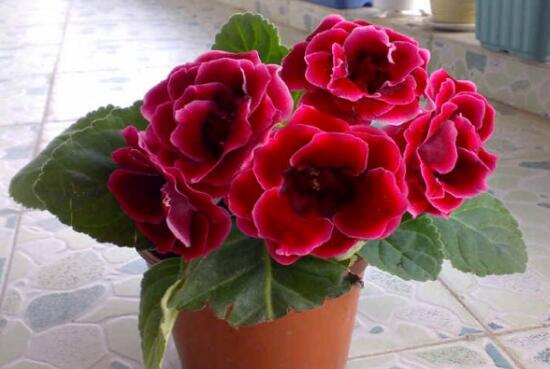
There are many reasons gloxinia leaves turn yellow: if a newly bought potted plant shows yellowing leaves, you simply need to care for it normally and wait for it to adapt, and it will recover; if it is caused by too little light, place it in a semi-shaded spot to supplement the light; if it is caused by improper watering and fertilizing, first clean the water and fertilizer off the leaves, then take the plant out of its pot, cut off the rotten roots, and repot it in fresh potting soil.
II. Causes of yellowing gloxinia leaves and solutions
1. Sudden environmental change
When it comes to the causes of yellowing gloxinia leaves, if it is a newly bought potted plant, the first thing to consider should be environmental factors. Nowadays, flower lovers like to buy potted plants directly online, which easily results in a large geographical span, so the plant cannot adapt for a while and shows symptoms of yellow leaves.
Solution: if this is the case, there is no need to worry; simply follow the gloxinia's growth habits, keep it in an environment it likes, and care for it carefully for a period of time, and it will return to health.
2. Too little light
Gloxinia dislikes strong light and prefers a semi-shaded environment, so daily care should include shading. But complete shading is no good either, because without contact with sunlight for a long time, the gloxinia's leaves will turn yellow.
Solution: place the potted gloxinia somewhere it can receive scattered light, avoid direct sunlight, and after a few weeks of careful care it will return to health.
3. Overwatering
Gloxinia likes a humid environment, but it hates waterlogging; once it is overwatered, the plant's roots stay soaked in water for a long time, which easily leads to root rot and thus the symptom of yellowing gloxinia leaves.
Solution: stop watering and drain promptly; in severe cases, take the plant out of its pot, cut off the rotten roots, and repot it in fresh potting soil. In future care, you should learn the gloxinia watering method and avoid splashing water on the leaves, so as not to cause leaf rot.
4. Improper fertilizing
Besides the points above, another cause of yellowing gloxinia leaves may be improper fertilizing. If, when fertilizing, you accidentally splash fertilizer onto the gloxinia's leaves, it will also cause the leaves to turn yellow and rot.
Solution: after each fertilization, promptly rinse the leaves with clean water to prevent fertilizer from sticking to them. Then immediately wipe the water off, so as not to cause leaf rot. To avoid fertilizing mistakes, you should learn the gloxinia fertilizing method.
What to do when gloxinia leaves turn yellow
1. Overwatering
Cause: gloxinia prefers humidity, but it must not be overwatered; too much water makes the leaves turn yellow and rot.
Solution: water gloxinia sparingly, and do not water until the soil is dry; in winter the plant enters dormancy, so watering can be stopped. Also, do not water the leaves, as they have many fine hairs, and watering will leave water spots and cause rot.
2. Lack of light
Cause: gloxinia likes a semi-shaded environment, but it must not be fully shaded; without contact with sunlight for a long time, the leaves lose their luster and turn yellow.
Solution: normally place the gloxinia where there is plenty of scattered light, such as on a windowsill, taking care to avoid direct sunlight.
The above are the cultivation methods for gloxinia; if its leaves turn yellow, you must find the correct cause to help the plant return to health.
What to do when gloxinia leaves turn yellow
Causes of yellowing gloxinia leaves
Overwatering
Gloxinia care requires high air humidity, but that does not mean watering more; uneven watering and overwatering will both cause the leaves to turn yellow and rot.
Too little light
Gloxinia prefers a semi-shaded environment, but not full shading; without contact with sunlight for a long time, the leaves will also change color.
Improper fertilizing
When fertilizing, if you accidentally get fertilizer on the leaves, it will also cause the leaves to turn yellow and rot.
What to do when gloxinia leaves turn yellow
Water appropriately
Water gloxinia sparingly, and do not water until the soil is dry.
In winter, gloxinia enters dormancy, so watering can be stopped.
Do not water the leaves; the surface of gloxinia leaves is covered with fine hairs, and watering will leave water spots and cause rot.
Absorb plenty of scattered light
In daily care, place the gloxinia where it can receive scattered light, but avoid direct sunlight; if it is the seedling stage in winter, it should receive plenty of sunlight.
Clean the leaves after fertilizing
After each fertilization, rinse the leaves with clean water, then immediately wipe the water off, so as not to cause leaf rot.