How to grow anemones? Growing methods and precautions, fertilize frequently
The anemone is the national flower of Israel, a country in Asia, where it is extremely popular, and it can also often be seen all over our country, but growing it well is not easy, and there are many things to pay attention to. How to grow anemones? What are the growing methods and precautions for anemones? Let's take a look below.
1. How to grow anemones: understand their habits
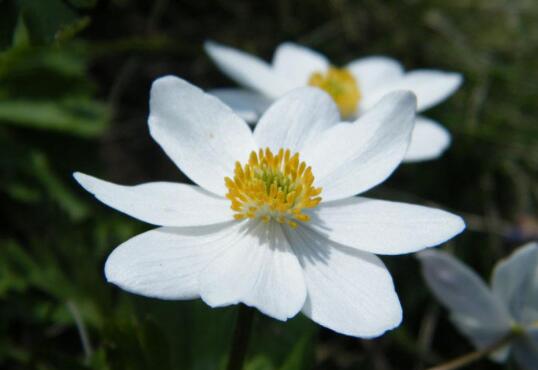
To know how to grow anemones, we first need to understand the growth habits of this plant. It likes cool, moist, sunny environments, is relatively cold-tolerant, and dislikes high temperatures and excessive moisture. So in summer we must keep the environment ventilated and frequently spray the plant with water to lower the surrounding temperature.
2. Growing methods and precautions for anemones
1. Soil: humus soil
Before growing anemones, we first need to choose the soil. In this regard, it is best to choose loose, fertile humus soil. This kind of soil is rich in nutrients and has good drainage and air permeability, allowing the plant to absorb nutrients better, and making waterlogging in the pot less likely.
2. Temperature: 15°C—35°C
Temperature management is also something we need to pay attention to when growing anemones, because only when the plant grows at a suitable temperature will it grow better. Its suitable temperature is between 15°C—35°C. In winter, the temperature should not be lower than 10°C so that it can overwinter safely. If the temperature is too low, it is not good for the plant's growth.
3. Fertilizing: once every half month
Fertilizer is one of the main nutrients in the growth of anemones. Especially after entering the growth period, its demand for fertilizer is very high. Basically, we need to fertilize it once every half month, and during the flowering period, in order to promote the formation of flower buds, we also need to fertilize it once a week.
4. Water: avoid waterlogging
The anemone plant relatively likes warm and humid environments, so when growing it we should water frequently to keep the soil somewhat moist, and it will grow better this way. However, we still need to pay attention to controlling the amount of watering. This plant is not tolerant of waterlogging, so it is best not to cause water accumulation, otherwise its roots can easily rot.
5. Light: avoid strong light
The anemone plant likes light but is not tolerant of strong light. If the light in spring and autumn is relatively suitable, we can grow it outdoors, so that it can carry out photosynthesis better. After summer arrives, the sunlight will be stronger, and we need to shade it appropriately. Especially at noon, it is best to move it indoors to a semi-shaded place to grow, so as to avoid strong light burning the plant.
6. Pests and diseases: chemical control
In the process of growing anemones, if we are not careful enough, pests and diseases can easily take advantage of the opportunity. Such problems are very harmful to the plant, so when we find them we must deal with them promptly. Generally, the most direct and effective method for dealing with pests and diseases is chemical control, but the pesticides used for each kind of pest and disease are different. Specific details are introduced in the article on common anemone pests and diseases and their control, and everyone can take a look.
How to grow anemones? Growing methods and precautions for anemones
Anemone, also known as Huabei anemone, hairy-stamened anemone, etc., is a perennial herbaceous plant of the genus Anemone in the buttercup family. Anemone flowers are gorgeous, with colors either elegant or captivating, and have high ornamental value, so they are often potted in indoor courtyards. So, how to grow anemones? The growing methods and precautions for anemones are introduced below.
Image: Anemone
1. Growing methods for anemones
1. Pot soil selection:To grow anemones, you can choose a mixed potting soil, mixing garden soil, leaf mold and plant ash in a certain ratio, and adding some base fertilizer. Good drainage is required.
2. Light and temperature:Growing anemones requires meeting the two conditions of coolness and sufficient light. Anemones can tolerate cold, but dislike high temperatures. The suitable temperature for growth is between 15°C——35°C. In winter, the temperature should not be lower than 10°C, so they can overwinter safely. They can be placed indoors in a sunny place, and if conditions permit, they can be kept in a greenhouse.
3. Watering and fertilizing:To grow anemones, the soil needs to be kept moist, but watering should be done carefully. Do not make the potting soil too wet, so as to avoid root rot. In winter, water consumption is less, so watering can be reduced. In the rainy season, anemones need to be kept in a dry place, care should be taken to avoid rain, and watering should be stopped. Fertilizing is generally done once every half month with dilute fertilizer water. During the flowering period, in order to promote the formation of flower buds, it can be applied once a week.
4. Propagation methods:Anemone propagation is mainly by sowing and dividing bulbs. Sowing is done in autumn, and the seeds are sown as soon as they are collected. Dividing bulbs mainly refers to dividing and planting the anemone bulbs.
Image: Anemone
2. Precautions for growing anemones
1. Pests and diseases:Anemones can suffer from pests and diseases. The main diseases are rot, damping-off, gray mold, powdery mildew, etc., all of which are relatively serious and need timely control. The main pests are aphids and cutworms, which can be sprayed and killed with commonly used insecticides.
2. Seed collection:Anemones can be sown, and generally the seeds are sown as soon as they are collected. The seeds must be collected in time, otherwise they will be blown away by the wind. The collected seeds should be kept in a ventilated and dry place.
[Closing remarks]Anemones like cool, moist, sunny environments, are relatively cold-tolerant but dislike high temperatures and excessive moisture, and require special attention during care. The above has introduced the growing methods and precautions for anemones, and we hope it can help everyone!
Growing methods and precautions for anemones
Growing methods for anemones
Pot soil selection
To grow anemones, you can choose a mixed potting soil, mixing garden soil, leaf mold and plant ash in a certain ratio, and adding some base fertilizer. Good drainage is required.
Light and temperature
Growing anemones requires meeting the two conditions of coolness and sufficient light. Anemones can tolerate cold, but dislike high temperatures. The suitable temperature for growth is between 15°C——35°C. In winter, the temperature should not be lower than 10°C, so they can overwinter safely. They can be placed indoors in a sunny place, and if conditions permit, they can be kept in a greenhouse.
Watering and fertilizing
To grow anemones, the soil needs to be kept moist, but watering should be done carefully. Do not make the potting soil too wet, so as to avoid root rot. In winter, water consumption is less, so watering can be reduced. In the rainy season, anemones need to be kept in a dry place, care should be taken to avoid rain, and watering should be stopped. Fertilizing is generally done once every half month with dilute fertilizer water. During the flowering period, in order to promote the formation of flower buds, it can be applied once a week.
Propagation methods
Anemone propagation is mainly by sowing and dividing bulbs. Sowing is done in autumn, and the seeds are sown as soon as they are collected. Dividing bulbs mainly refers to dividing and planting the anemone bulbs.
Precautions for growing anemones
Pests and diseases
Anemones can suffer from pests and diseases. The main diseases are rot, damping-off, gray mold, powdery mildew, etc., all of which are relatively serious and need timely control. The main pests are aphids and cutworms, which can be sprayed and killed with commonly used insecticides.
Seed collection
Anemones can be sown, and generally the seeds are sown as soon as they are collected. The seeds must be collected in time, otherwise they will be blown away by the wind. The collected seeds should be kept in a ventilated and dry place.