How do you prune a gloxinia? Pinching before flowering and cutting the flower stems after blooming
As a common ornamental flowering plant, the gloxinia is not difficult to grow; it will bloom with just a little attention to light, water and fertilizer. But blooming is one thing - if you want the gloxinia to bloom abundantly and beautifully, timely pruning is very important. So how do you prune a gloxinia? Below are the pruning methods for gloxinia, let's take a look!
I. How to prune a gloxinia
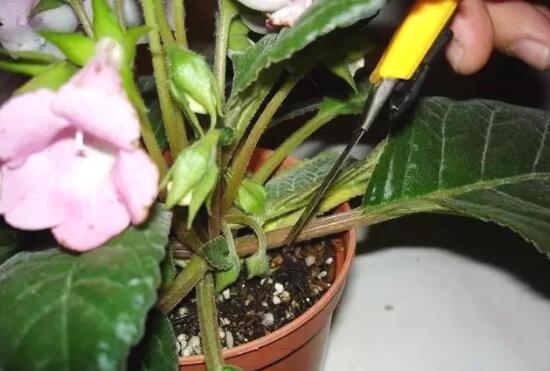
Pruning a gloxinia can be divided into three stages: pruning before flowering, pruning during the flowering period, and pruning after the flowers fade. Simply put: before flowering, pinch off the topmost flower branch; during the gloxinia's flowering period, cut off the leaves that hinder the flowers' growth; after the flowers fade, if you do not need to save seeds, it is best to cut off the flower stems. For more details, let's continue reading below.
II. Pruning methods for gloxinia
(1) Pruning techniques
1. Pruning before flowering, pinching
The gloxinia's flowering period is from April to November. Before flowering, you should pinch off the topmost flower branch of the plant. After this pruning, the gloxinia will produce more side branches and bloom more flowers.
Note: Pinching a gloxinia should be done early rather than late; start pruning in March, which helps it take shape and bloom sooner. After pinching, you should also keep 2-3 new shoots of similar height and suitable position to ensure the flowers bloom smoothly.
2. Pruning during flowering, cutting leaves
Generally, flowers do not need pruning while blooming, but the gloxinia is an exception. This is because each gloxinia plant produces a great many flowers when it blooms, and at this time its large leaves hinder the normal growth of the flowers, so leaves need to be cut during the flowering period.
When pruning the leaves, you should take the actual situation into account and either cut off some leaves entirely or cut them in half. After this pruning, the gloxinia's flowers will bloom concentrated at the top, forming a bouquet, as shown in the picture above - doesn't it look beautiful?
3. Pruning after the flowers fade, cutting the flower stems
How do you prune a gloxinia after the flowers fade? If you do not want to save seeds, it is best to cut off the flower stems, which controls the loss of nutrients. If the growing medium is fertile at this time and management is proper, the gloxinia will send up a second batch of buds and continue blooming.
If you want to save seeds, dig out the gloxinia's tubers, cut off the leaves and stems, keeping a section of stem 3-4 cm long, then store them in sand promptly, keeping the temperature no lower than 5°C. During overwintering, water at the right times, but not too much. When the temperature warms up again in spring, the tubers will sprout; at this point you can keep 2 to 3 sprouts and move them into pots to continue care.
(2) Pruning time
When you are preparing to prune a gloxinia, be sure to check the weather. Do not prune on cloudy or rainy days; it is best to choose a time with plenty of sunshine. After such pruning, the plant's wounds will heal faster and are less likely to become infected.
In everyday life, many people grow gloxinias, and many growers wonder why other people's gloxinias bloom so profusely and with such large flowers, while their own are completely different. This is the effect of pruning! So in order for the gloxinia to produce more beautiful flowers, you should master the pruning methods for gloxinia.
How to prune a gloxinia
Pruning a gloxinia before flowering
Generally, before the gloxinia blooms, prune the branches and buds by pinching.
Pinching means removing the topmost flower branch, thereby encouraging more side branches to grow, so that more flowers can bloom.
Pinching should be done early rather than late; early pinching helps the plant take shape and bloom sooner. After pinching, select 2-3 new shoots of similar height and suitable position to keep, ensuring the flowers open smoothly.
Pruning a gloxinia during flowering
After the gloxinia blooms, if the leaves around the flowers hinder the flowers' normal growth, you can, according to the actual situation and needs, cut off some leaves entirely or cut half of the leaves off.
Pruning the leaves this way allows the flowers to bloom concentrated at the top of the plant, forming a bouquet, for a better ornamental effect.
After pruning, a gloxinia can produce as many as 18 flowers at one time. Among them, a gloxinia grown in a pot with a diameter of 12 cm, with a plant height not exceeding 15 cm and only 2 branches, produced 16 flowers at the same time, a rich cluster of blooms, very beautiful.
Pruning a gloxinia after flowering
After flowering, if the growing medium is fertile and management is proper, it will send up a second batch of buds.
After the gloxinia blooms, if you do not need to save seeds, it is best to cut off the flower stems to control the loss of nutrients, which helps continued blooming and the growth and development of the tubers.
After flowering, when winter arrives, keep the gloxinia's tubers, selecting a section of leafless stem about 3-4 cm long, and store them in sand promptly, keeping the temperature no lower than 5°C.
During overwintering, the sand must not be too wet, otherwise the tubers will rot. If the sand is too dry, spray an appropriate amount of clean water to prevent the tubers from shrivelling. When spring comes and the flowers bloom, the gloxinia's tubers will sprout; keep new shoots as needed and begin a new round of care and pruning.
How should a gloxinia be pruned
Before flowering
Before the gloxinia blooms, prune the branches and buds, pinching appropriately and removing the topmost flower branch. The earlier pinching is done, the better, as it helps the plant bloom sooner.
During flowering
Dense leaves grow around the gloxinia's flowers and hinder the flowers' growth, so the leaves should be pruned appropriately, letting the flowers bloom concentrated at the top of the plant for an excellent ornamental effect.
After flowering
After the gloxinia blooms, if you are not saving seeds, it is best to cut off the flower stems to avoid nutrient loss. When winter arrives, keep the gloxinia's tubers and store them in sand, ensuring the temperature is no lower than 5°C.
That is all we have to share about gloxinia propagation methods; we hope this helps you grow a more beautiful pot of gloxinia.