How to grow cineraria? Growing methods and precautions for a plant that fears both high heat and freezing
Cineraria (Pericallis hybrida) is a very beautiful flowering plant with lovely and richly varied flower colors, deeply loved by gardening enthusiasts. In daily life, because cineraria has strong benefits, many people want to grow it, so how do you grow cineraria? Below are the growing methods and precautions for cineraria carefully compiled by the editor, very detailed. Friends who want to grow it should definitely take a look~
I. How to grow cineraria: understand its habits
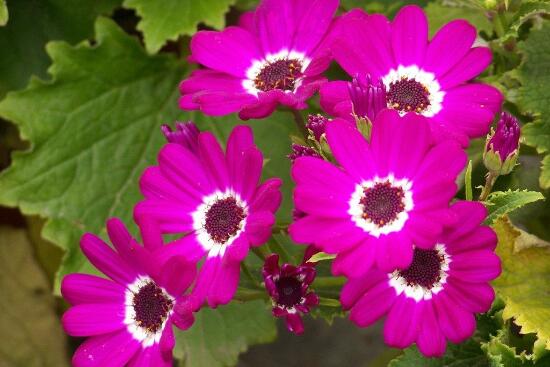
Cineraria likes a warm, humid, and well-ventilated environment. It cannot tolerate high heat and also fears the cold. When grown indoors, it should be placed in a spot with good light, avoiding direct strong sunlight, and cold protection measures should be taken in winter. As for the potting soil, it is best to use a sandy soil that drains well and is rich in humus. So how do you grow cineraria? It's simple, just meet its growth habits.
II. Growing methods and precautions for cineraria
1. Soil
How to grow cineraria: first, you should reselect the potting soil. Nowadays, the potted plants of gardening enthusiasts are basically purchased online, but that soil is very cheap. Normal care can ensure plant growth, but if you want cineraria to grow well, it is best to reselect the soil.
Soil selection: According to the growth habits of cineraria, it likes sandy soil that drains well and is rich in humus. For this, the editor recommends using a soil mix of leaf mold, pure loess, and fine sand in a 3:1:1 ratio.
2. Light
Cineraria is a light-loving plant, so in the growing methods for cineraria, light is a very key part. Cineraria is suited to growing in an environment with sufficient light, so when grown indoors, it should be placed in a spot with good light.
Precautions: After cineraria blooms, it can be enjoyed indoors, but it should still receive several hours of light each day; however, cineraria dislikes direct strong sunlight, so it should be properly shaded in summer, otherwise after being exposed to very strong light, the leaves of cineraria will curl, affecting its ornamental value.
3. Temperature
How to grow cineraria: adjusting the temperature in a timely manner is also very important. Compared with other chrysanthemums, cineraria is relatively more cold-tolerant. Its most suitable growth temperature is 10-15°C, and gardening enthusiasts who are able should maintain this temperature.
Precautions: Although cineraria has good cold tolerance, it fears frost. In the cold winter, attention should also be paid to cold protection and warmth, otherwise once the temperature drops below 0°C, the plant will suffer frost damage; in addition, cineraria dislikes high temperatures, and once the growing temperature is too high, it is prone to leggy growth, affecting its appearance.
4. Watering
Water is the source of life, so in the growing methods and precautions for cineraria, watering is a very important part. Cineraria likes a humid environment, and its leaves are very thin and large, with high transpiration, so it has fairly high water requirements. Normally you should water frequently, and once you find the potting soil dry, water immediately to keep the potting soil moist.
Precautions: Although cineraria likes water, it dislikes waterlogging. Once the potting soil becomes waterlogged, symptoms such as root rot and yellowing leaves are likely to appear. So to avoid this phenomenon, when watering cineraria, follow the principle of "don't water until dry, and water thoroughly when you do." In addition, in hot weather we can appropriately mist the leaf surfaces.
5. Fertilizing
After discussing watering, let's talk about fertilizing, which is also indispensable in the growth process of cineraria. Cineraria likes fertilizer. During the growing season, fertilize it once every 7-10 days. You can choose dilute cake fertilizer or a 1% nitrogen, phosphorus, and potassium compound fertilizer; alternating use gives better results.
Precautions: When fertilizing cineraria, one point everyone must remember is that it must not be sprinkled directly on the leaves. If it gets on them, rinse promptly with clean water. In addition, after cineraria develops flower buds, we can apply monopotassium phosphate, and once the flowers bloom, fertilizing can be stopped.
6. Pests and diseases
During the process of growing cineraria, due to high air humidity, insufficient light, poor ventilation, and other reasons, cineraria is prone to pests and diseases such as powdery mildew, verticillium wilt, aphids, and mite pests, which will seriously affect the plant's ornamental value. For this, everyone should promptly carry out prevention and control after discovery; for this you can refer to pest and disease control for cineraria.
How to grow cineraria? Growing methods and precautions for cineraria
Cineraria is a perennial herbaceous plant of the genus Pericallis in the Asteraceae family, and is a very popular ornamental flower in daily life. Cineraria's flowers are bright and richly colored, giving people a fresh and pleasant feeling, so it is often potted indoors. So how do you grow cineraria? The growing methods and precautions for cineraria are introduced below.
Image: Cineraria
I. Growing methods for cineraria
1. Soil:Cineraria originates from the Atlantic Canary Islands and is widely cultivated in parks or courtyards across China. It likes sandy loam rich in humus and well-drained, dislikes drought, fears waterlogging, and is suited to neutral and slightly acidic soil.
2. Sunlight:During the growing period, cineraria likes sunlight and should not be shaded. Rotate the flowerpot regularly so the branches and leaves receive even light and the plant shape stays upright and not lopsided. After the flowers fade, the plant still needs moderate light to adapt to seed development.
3. Watering:Cineraria's leaves are large and thin, so it needs to maintain sufficient moisture, but the potting soil must not be overly wet; keeping the leaves from wilting is appropriate. Normally, watering should be based on the dryness or moisture of the potting soil, watering after it dries, about once every 2-3 days. Clean water can be used to mist the leaf surfaces once a day, and in hot weather it can be misted twice to lower the temperature and increase air humidity. After flower buds appear, watering should be controlled as much as possible, and during the flowering period the pot should be placed in a cool environment of 8-12°C, which can extend the flowering period to 30-40 days.
Image: Cineraria
4. Temperature:Cineraria likes warmth but cannot tolerate high temperatures, and grows best under conditions of 15-20°C. When the temperature is higher than 21°C, leggy growth can occur, which is unfavorable for flower bud formation. When the temperature is below 5°C, the plant stops growing and developing, and below 0°C frost damage occurs. The suitable temperature for flowering is 10-15°C; below 6°C it cannot open its buds, and above 18°C the flower stems grow long and thin, affecting ornamental value.
5. Fertilizing:In addition to applying base fertilizer when planting cineraria, during the growth process it should be given a thin cake fertilizer topdressing once every 7-10 days, or diluted chemical fertilizer can be used. After flower buds appear, 1-2 additional applications of a 1000-fold dilution of monopotassium phosphate can be given, and fertilizing should continue until flowering (stop applying during the rainy season). If fertilizer contaminates the leaves during application, rinse promptly.
6. Pests:The common pests and diseases of cineraria are aphids and red spider mites. For serious aphid and red spider mite damage, a 2000-fold dimethoate dilution can be sprayed to kill them. Because red spider mites generally occur on the underside of leaves, while aphids generally occur on the tender top parts of cineraria, when spraying pesticide, focus on the underside of the leaves and the top of the plant, and also spray the upper surface of the leaves appropriately.
Image: Cineraria
II. Precautions for growing cineraria
When spraying pesticide, because red spider mites generally occur on the underside of leaves, while aphids generally occur on the tender top parts of cineraria, when spraying pesticide, focus on the underside of the leaves and the top of the plant, and also spray the upper surface of the leaves appropriately; when fertilizing, be careful not to pour or sprinkle fertilizer directly on the leaves. If the leaves are contaminated, rinse promptly, and stop fertilizing during the flowering period; during the growing period, place it in a greenhouse with good light for growth, and after flowering move it indoors for enjoyment. Each day it should be placed at least in front of bright south-, west-, and east-facing windows to receive 4 hours of light to maintain bright flower colors and a robust plant.
[Editor's conclusion]Cineraria is a major ornamental flower during New Year's Day and the Spring Festival, and has good planting value. The above introduced the growing methods and precautions for cineraria for everyone. Has everyone learned them?
How to grow cineraria: growing methods and precautions for cineraria
Cineraria is a common potted flower and an ornamental plant for decorating courtyards and rooms. How do you grow cineraria? Let's take a look together at the growing methods and precautions for cineraria.
Growing methods for cineraria:
1. Soil: Cineraria likes sandy loam rich in humus and well-drained, dislikes drought, fears waterlogging, and is suited to neutral and slightly acidic soil.
2. Watering: Cineraria's leaves are large and thin, so it needs to maintain sufficient moisture, but the potting soil must not be overly wet; keeping the leaves from wilting is appropriate. Normally, watering should be based on the dryness or moisture of the potting soil, watering after it dries, about once every 2-3 days. Clean water can be used to mist the leaf surfaces once a day, and in hot weather it can be misted twice to lower the temperature and increase air humidity. After flower buds appear, watering should be controlled as much as possible, and during the flowering period the pot should be placed in a cool environment of 8-12°C, which can extend the flowering period to 30-40 days.
3. Sunlight: During the growing period, cineraria likes sunlight and should not be shaded. Rotate the flowerpot regularly so the branches and leaves receive even light and the plant shape stays upright and not lopsided. After the flowers fade, the plant still needs moderate light to adapt to seed development.
4. Temperature: Cineraria likes warmth but cannot tolerate high temperatures, and grows best under conditions of 15-20°C. When the temperature is higher than 21°C, leggy growth can occur, which is unfavorable for flower bud formation. When the temperature is below 5°C, the plant stops growing and developing, and below 0°C frost damage occurs; the suitable temperature for flowering is 10-15°C, below 6°C it cannot open its buds, and above 18°C the flower stems grow long and thin, affecting ornamental value.
5. Fertilizing: In addition to applying base fertilizer when planting cineraria, during the growth process it should be given a thin cake fertilizer topdressing once every 7-10 days, or diluted chemical fertilizer can be used. After flower buds appear, 1-2 additional applications of a 1000-fold dilution of monopotassium phosphate can be given, and fertilizing should continue until flowering (stop applying during the rainy season). If fertilizer contaminates the leaves during application, rinse promptly.
6. Pests: The common pests and diseases of cineraria are aphids and red spider mites. For serious aphid and red spider mite damage, a 2000-fold dimethoate dilution can be sprayed to kill them. Because red spider mites generally occur on the underside of leaves, while aphids generally occur on the tender top parts of cineraria, when spraying pesticide, focus on the underside of the leaves and the top of the plant, and also spray the upper surface of the leaves appropriately.
Precautions for growing cineraria:
When spraying pesticide, because red spider mites generally occur on the underside of leaves, while aphids generally occur on the tender top parts of cineraria, when spraying pesticide, focus on the underside of the leaves and the top of the plant, and also spray the upper surface of the leaves appropriately.
When fertilizing, be careful not to pour or sprinkle fertilizer directly on the leaves. If the leaves are contaminated, rinse promptly, and stop fertilizing during the flowering period.
During the growing period, place it in a greenhouse with good light for growth, and after flowering move it indoors for enjoyment. Each day it should be placed at least in front of bright south-, west-, and east-facing windows to receive 4 hours of light to maintain bright flower colors and a robust plant.
More information