What conditions does night-blooming jasmine need to bloom abundantly
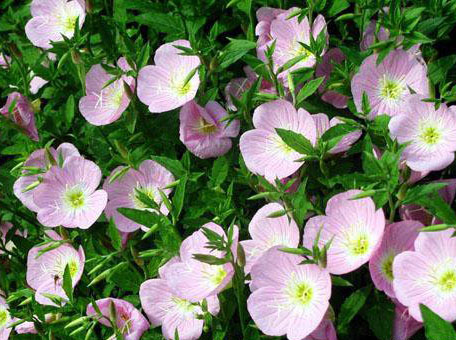
1) It self-seeds readily; once planted, it will bloom every year thereafter. The seeds mature around early autumn, and after harvesting and drying, they are best sown in October each year. After winter sets in, the seedlings should be placed in cold-protection facilities, and in the second spring they are planted out in the open ground (sown in early spring in March, they can bloom the same year, but the flower quality is not as good as that of autumn sowing). After sowing and emergence, transplant once when 2 to 3 true leaves have grown, and plant out again when 4 to 5 true leaves are present.
2) The main root is relatively well developed; generally, after the plant has established in a pot, pinching is needed, and pinched plants branch more and can also bloom more. After the flowers fade, it is best to promptly remove the spent flowers to minimize nutrient consumption and encourage reblooming.
3) During the growing period, apply a dilute cake fertilizer solution about every 20 days, and keep the soil relatively moist to ensure blooming.
4) If the seeds are sown directly in a pot, keep the potting soil moist; after emergence, only one vigorous seedling needs to be kept per pot. During the growing period, it is best to place it in a spot with plenty of sunlight and apply liquid fertilizer every 7 to 10 days, and it will grow vigorously and bloom smoothly.
When does night-blooming jasmine bloom, and how to make night-blooming jasmine bloom
When does night-blooming jasmine bloom? What is the method to make it bloom? Many people may know night-blooming jasmine and also know how to grow it, but the night-blooming jasmine they grow does not bloom, which leaves many gardeners quite puzzled.
Conditions required for night-blooming jasmine to bloom:
Night-blooming jasmine loves a warm environment with plenty of sunlight and is not tolerant of frost. The most suitable growing temperatures are 25-30°C during the day and 20-22°C at night. It likes fertilizer and moisture but dislikes waterlogging, and grows well in low, moist spots without standing water. It is not strict about soil and prefers fertile clay loam. It is self-pollinating but the stamens mature first, so the natural seed-setting rate is very low. It is a perennial herb. It has oblong tubers borne on short, thick tubers. The flowers are white, strongly fragrant, and especially intense at night.
Night-blooming jasmine is native to South America, where it is an evergreen herb; with suitable temperatures it grows year-round and blooms in all four seasons, but most abundantly in summer. When cultivated outdoors in our country, because winters are severely cold in most regions, it can only be grown as a spring-planted bulb crop: it sprouts and grows in spring, blooms in summer and autumn, and goes dormant in winter (forced dormancy).
Flowering period of night-blooming jasmine:
Flowering control for tuberose is relatively simple. Plant the bulbs in a high-temperature greenhouse, keep sunlight sufficient and air circulating, and pay attention to care and management, and it can bloom in just over 2 months. For example, if planted in February, it can bloom in May-June.
What conditions does evening primrose need to bloom abundantly
Evening primrose, also known as night-blooming jasmine, has large yellow flowers, and each flower stalk can often bloom successively with around 20 flowers. It opens at dusk, golden yellow in color, with fragrance, gradually turning red the next morning, and withering after sunrise. The flowering period is from June to September. Evening primrose is robust, loves full sunlight, tolerates drought but not waterlogging, and grows well in loose, fertile, well-drained sandy loam.
1) It self-seeds readily; after one planting, self-sown seedlings will bloom every year thereafter. The seeds mature around early autumn, and after harvesting and drying, they are best sown in October. After winter sets in, overwinter the seedlings in a cold frame with cold-protection equipment, and in the following spring plant them out in the open ground (sown in early spring in March, they can bloom the same year, but the flower quality is not as good as that of autumn sowing). After sowing and emergence, transplant once when 2 to 3 true leaves have grown, and plant out again when 4 to 5 true leaves are present.
2) The main root is relatively well developed; generally, after the plant has established in a pot, pinching can be done to encourage more branching and more blooming. After the flowers fade, promptly remove the spent flowers to reduce nutrient consumption and encourage reblooming.
3) During the growing period, apply a dilute cake fertilizer solution about every 20 days, and keep the soil moist, and it will bloom when the time comes.
4) Sow the seeds directly in a pot, keep the potting soil moist, and after emergence keep only one vigorous seedling per pot and remove the rest. During the growing period, place it in a spot with plenty of sunlight and apply liquid fertilizer every 7 to 10 days, and it will also grow vigorously and bloom well.
Article source: http://yuhuagu.com