How to grow a Medinilla? Cultivation methods and precautions: avoid strong light and water frequently
The Medinilla is a fairly well-known flowering plant worldwide, and it can also be seen in many regions of our country. However, growing it well is not easy, and there are many points to pay attention to. How do you grow a Medinilla? What are the cultivation methods and precautions for the Medinilla? Below, the editor will walk everyone through it.
1. How to grow a Medinilla: understand its habits
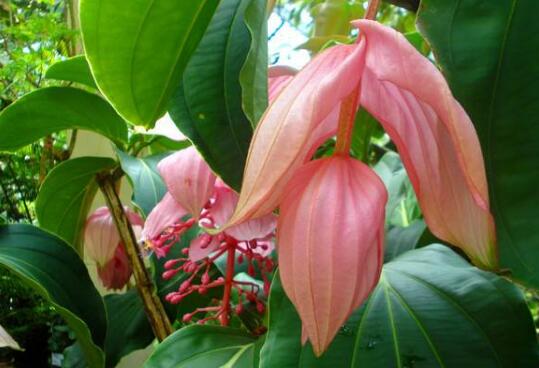
To know how to grow a Medinilla, we first need to understand its growth habits. This plant likes a warm and humid environment and tolerates partial shade, but it is not cold-tolerant, so when the weather is colder it is best to move it indoors for cultivation, and also do a good job of temperature control to prevent the plant from being damaged by cold when temperatures are too low.
2. Cultivation methods and precautions for the Medinilla
1. Soil: leaf mold or peat soil
Before growing a Medinilla, we first need to choose the soil. This is the step of laying a solid foundation and is very important. Generally, it is best to choose loose and fertile leaf mold or peat soil. Both of these soils have good drainage and aeration, and they are also rich in nutrients, allowing the plant to grow robustly.
2. Temperature: 18°C-27°C
The Medinilla is not tolerant of high temperatures and is also very afraid of cold weather. The most suitable ambient temperature for its growth is between 18°C-27°C. If the temperature reaches above 27°C, we need to cool it down by shading, opening skylights for ventilation, or starting circulating ventilation fans, mist cooling machines, etc. If the temperature falls below 18°C, we also need to keep it warm, and when it is below 10°C we should start the greenhouse heating system.
3. Fertilizing: once a week
Fertilizer is one of the main nutrients in the Medinilla's growth process. Especially after it enters its growth period, its demand for fertilizer is very high, and it basically needs fertilizing about once every week. In choosing fertilizer, we can use a compound fertilizer containing nitrogen, phosphorus, and potassium at a ratio of 1:1:1, and when using it, first dilute it with water into a 1 mg/L nutrient solution to avoid burning the plant due to too high a concentration.
4. Water: water frequently
The Medinilla has a very high demand for water during its growth process. We should water it regularly to keep the soil somewhat moist, and also frequently spray its leaves to maintain air humidity. If the humidity is suitable, its leaves will also appear more glossy, and the plant will grow better.
5. Light: avoid strong light
The Medinilla likes to grow in a partially shaded environment and is not very tolerant of strong light. If the light in spring is relatively suitable, we can grow it in a spot with scattered sunlight. After summer arrives, because the light is relatively intense, we should move it indoors to a partially shaded spot for cultivation to avoid strong light burning the plant.
6. Pinching: pinch or lightly prune in autumn
After autumn arrives, if the Medinilla's growing environment is suitable, we can carry out one pinching or light pruning to control the number of flowering branches on the plant. In late autumn and early winter, from the flower bud stage to the bud formation stage, the leaf buds need to be removed so that the flower buds can fully develop. When removing buds, it is required to snap them off 1 cm to 2 cm away from the stem node. Never pinch them off, otherwise bacterial infection may affect the other flowers.
7. Pests and diseases: handle promptly
In the process of growing a Medinilla, if care is improper, pests and diseases can easily take advantage of the situation. Such problems are extremely harmful to the plant, so when we discover them we must handle them promptly. For specific treatment methods, everyone can refer to the article on pest and disease control for the Medinilla, which has detailed instruction.
How to grow lotus bamboo? Cultivation methods and precautions for lotus bamboo / likes scattered light
Flower lovers should be familiar with lotus bamboo. It grows coarsely and vigorously, stays evergreen all year round, and has upright and elegant stems with a free and easy posture, making it a beautiful ornamental plant. In daily life, after discovering lotus bamboo, many friends want to grow it, so how do you grow lotus bamboo? The following are the cultivation methods and precautions for lotus bamboo, very detailed. Friends who want to grow it should definitely take a look.
1. How to grow lotus bamboo: understand its habits
Lotus bamboo likes a warm and humid environment. It prefers partial shade, avoids strong light, is not cold-tolerant, and fears waterlogging. So how do you grow lotus bamboo? When growing it indoors, everyone should place it in an environment with plenty of scattered light, water it regularly to keep the potting soil moist, and take good cold protection measures in winter. As for the growing medium, lotus bamboo is not strict about soil, as long as drainage is good.
2. Cultivation methods and precautions for lotus bamboo
1. Soil
How do you grow indoor lotus bamboo? The editor suggests everyone reselect the potting soil. Because for lotus bamboo potted plants bought online or in flower shops, normal care is fine, but that soil is very cheap. If you want to grow it well, it is best to reselect the soil.
Soil choice: Although lotus bamboo is not demanding about soil, it grows better in shaded, moist, well-drained sandy loam. For this, the editor recommends everyone use soil mixed with leaf mold and river sand or cinder ash.
2. Light
In the cultivation methods for lotus bamboo, light is very important, but it likes a partially shaded environment. When caring for it at home, just place it in a spot with plenty of scattered light, such as under a south-facing window or on a balcony.
Precautions: Lotus bamboo avoids strong light. In summer, it should be moved to a place with a shading rate of 50%-70%. Once directly exposed to strong light, phenomena such as yellowing and fading of lotus bamboo leaves will appear, seriously affecting the plant's ornamental value.
3. Temperature
How do you grow lotus bamboo? Adjusting the temperature in good time is also very key. It is understood that the most suitable growth temperature for lotus bamboo is 20-28°C. If you want its leaves to remain evergreen through the four seasons, it is best to maintain this temperature when growing it indoors.
Precautions: Lotus bamboo is not cold-tolerant. Although it can tolerate low temperatures of 2—3°C, in winter, if you want it to continue growing, the room temperature should be adjusted to above 5°C.
4. Watering
Water is the source of life, so in the cultivation methods for lotus bamboo, watering is a very important part. Because lotus bamboo likes a fairly humid environment, during the growing season from May to September, water whenever the surface of the potting soil looks somewhat dry. To keep the potting soil moist, everyone should, when watering, prefer moist over dry, but it cannot become waterlogged, otherwise root rot easily occurs.
Precautions: In addition to normal watering, during high summer temperatures, water should also be frequently sprayed on the leaves and ground to increase air humidity. In winter, you can wait until about 2 cm deep on the surface of the potting soil is dry before watering. Also, do not water too much, otherwise water accumulation leading to root rot in the plant is not good.
5. Fertilizing
Having covered watering, let's then talk about fertilizing, which is also very important in the growth process of lotus bamboo. However, lotus bamboo is not demanding about fertilizer. In addition to adding a certain amount of decomposed organic fertilizer as base fertilizer when repotting, you can apply liquid fertilizer 1—2 times per month during the growing period. This can promote rich green and verdant leaf color. In winter, fertilizing should be stopped.
6. Pests and diseases
In the process of growing lotus bamboo, due to poor environment, improper care, and other reasons, the plant will inevitably develop pests and diseases. Among them, the main pests to watch for are thrips and scale insects, and the main diseases are leaf spot, stem rot, and root rot. Their appearance will harm the plant's health and appearance. So once discovered, pesticide should be sprayed immediately for control. For specific pesticides to spray, refer to pest and disease control for lotus bamboo.
Overall, lotus bamboo is still quite easy to grow, but if you want to grow it beautifully, everyone needs to put in more effort and care for it according to the above requirements, so that it can grow incomparably beautiful. Regarding the cultivation methods and precautions for lotus bamboo, the editor will introduce them here. Flower lovers who are tempted might as well try growing it.
How to grow lotus bamboo? Cultivation methods and precautions for lotus bamboo / avoid dry wind
Lotus bamboo, as the name suggests, is a good-looking plant. It was only introduced into our country in recent years. Its stems are upright and elegant, and its leaves are evergreen all year round, making it highly ornamental when grown indoors. In daily life, many people want to grow lotus bamboo, so how do you grow lotus bamboo? The following are the cultivation methods and precautions for lotus bamboo, very detailed. Friends who want to grow it should definitely take a look.
1. How to grow lotus bamboo: understand its habits
Lotus bamboo likes a warm, humid, partially shaded environment. It tolerates waterlogging, has strong cold resistance, and avoids strong light. So how do you grow lotus bamboo? When growing it indoors, everyone should place it in an environment with plenty of scattered light, and water it regularly to keep the potting soil moist. As for the growing medium, lotus bamboo is not strict about soil, as long as drainage is good.
2. Cultivation methods and precautions for lotus bamboo
1. Soil
How do you grow potted lotus bamboo? Everyone should first replace the potting soil. Because whether lotus bamboo potted plants are bought from flower shops or online, the soil inside is very cheap. It can ensure the plant's growth, but if you want it to grow better, it is best to reselect the soil.
Soil choice: Although lotus bamboo is not demanding about soil, it is most suitable for growing in well-drained sandy soil or semi-muddy sand and alluvial clay. For this, the editor recommends everyone use soil mixed with leaf mold and river sand or cinder ash.
2. Light
In the cultivation methods for lotus bamboo, light is very important, but it likes a partially shaded environment and tolerates shade while fearing sun exposure. So when caring for it at home, it is best to place it in a spot with plenty of scattered light, such as under a south-facing window or on a balcony. This helps the leaves carry out photosynthesis, making the leaves dark green, broad, thick, and glossy dark green.
Precautions: Lotus bamboo avoids strong light. In summer, it should be moved to a place with a shading rate of 50%-70%. Once directly exposed to strong light, phenomena such as yellowing and fading of lotus bamboo leaves will appear, seriously affecting the plant's ornamental value.
3. Temperature
How do you grow lotus bamboo? Adjusting the temperature in good time is also very key. It is understood that the most suitable growth temperature for lotus bamboo is 20-28°C. If you want its leaves to remain evergreen through the four seasons, it is best to maintain this temperature when growing it indoors.
Precautions: Although lotus bamboo has strong cold resistance and can tolerate low temperatures of 2—3°C, in winter, if you want it to continue growing, the room temperature should be adjusted to above 5°C.
4. Watering
Lotus bamboo likes a humid environment, but it avoids waterlogging, so in the cultivation methods for lotus bamboo, watering is a very important part. During the growing season from May to September, give lotus bamboo more water, and water whenever the surface of the potting soil looks somewhat dry. During dry air periods, frequently spray water on the leaves.
Precautions: When watering lotus bamboo, you need to keep the soil moist, preferring moist over dry. But moist does not mean waterlogged, otherwise root rot easily occurs. In addition, in winter, you can wait until about 2 cm deep on the surface of the potting soil is dry before watering.
5. Fertilizing
Having covered watering, let's then talk about fertilizing, which is also very important in the growth process of lotus bamboo. However, lotus bamboo is not demanding about fertilizer. In addition to adding a certain amount of decomposed organic fertilizer as base fertilizer when repotting, you can apply a small amount of compound fertilizer granules with nitrogen:phosphorus:potassium at 2:1:1 to the potting soil once a month during the growing period. No fertilizing is needed in winter.
6. Pests and diseases
In the process of growing lotus bamboo, due to poor environment, improper care, and other reasons, the plant will inevitably develop pests and diseases. Among them, the main pests to watch for are thrips and scale insects, and the main diseases are leaf spot, stem rot, and root rot. Their appearance will harm the plant's health and appearance. So once discovered, pesticide should be sprayed immediately for control. For specific pesticides to spray, refer to pest and disease control for lotus bamboo.
7. Avoid wind
In the cultivation methods and precautions for lotus bamboo, there is one more point everyone needs to note, and that is the growing environment. It is understood that lotus bamboo fears wind and fears radiation, so its placement should be far from places reached by electric fans, and also far from televisions, washing machines, air conditioners, etc.
Overall, lotus bamboo is still quite easy to grow, but if you want to grow it beautifully, everyone needs to put in more effort and care for it according to the above requirements, so that it can grow incomparably beautiful. Regarding the cultivation methods and precautions for lotus bamboo, the editor will introduce them here. Flower lovers who are tempted might as well try growing it.