What to do when nasturtium gets bugs? Control methods for 3 pests and 2 diseases
In the process of growing nasturtium, the last thing we want to encounter is pests and diseases. Such problems are extremely harmful to the plants, not only affecting their ornamental value, but in severe cases also causing the plants to wither and die. So what should you do when nasturtium gets bugs? How should disease control for nasturtium be carried out? Let's take a look below.
I. What to do when nasturtium gets bugs: find the cause
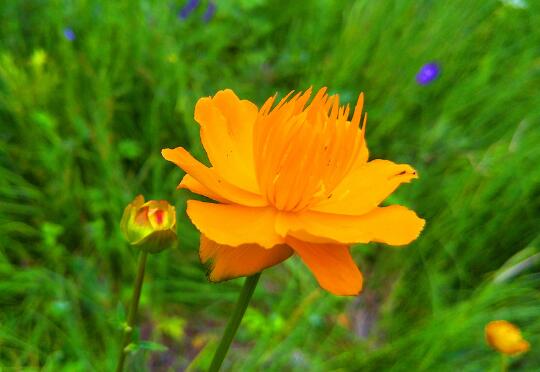
To know what to do when nasturtium gets bugs, we first need to understand what kind of bug it is, so that we can deal with it in a targeted way, because the control methods for each pest and disease are different. The details are described below, and those troubled by this can take a look.
II. Pest and disease control for nasturtium (pests)
1. Aphids
Aphids are a phytophagous insect and one of the most destructive pests in the world. They mainly suck the sap from nasturtium, causing its nutrients to drain away in large amounts, and it gradually withers and dies. The affected parts generally form blighted spots, which we can use to confirm the problem.
Control method: When dealing with this pest and disease problem in nasturtium, we can directly spray to kill them with a 3000-fold dilution of 2.5% fenpropathrin emulsifiable concentrate or a 3000-fold dilution of 50% pirimicarb wettable powder.
2. Stem borers
Stem borers are a pest belonging to the order Lepidoptera. This pest is more common in southern regions. It mainly harms the leaves of nasturtium, causing the leaves to gradually curl and wither, and finally to gradually fall off.
Control method: When dealing with this pest and disease problem in nasturtium, we can use 75 grams each of 90% trichlorfon crystal and 90% acephate soluble technical powder to spray and kill them.
3. Red spider mites
Red spider mites are a pest that exists on many plants, and nasturtium is no exception. Their peak period is every summer, so everyone must pay extra attention at this time. When this pest appears, the plant's leaves will gradually turn yellow and white, and if left untreated for a long time, it can also cause the plant to wither.
Control method: When dealing with this pest and disease problem in nasturtium, if only individual leaves are damaged, we can directly remove the affected leaves. If more leaves are damaged, we need to spray. Generally, dicofol can be used to spray and kill the pests.
III. Pest and disease control for nasturtium (diseases)
1. Leaf spot disease
Leaf spot disease is a disease that exists on many plants, and nasturtium is no exception. When it occurs, many oval-shaped and elongated brown spots appear on its leaves, and over time they gradually spread, eventually causing the plant to gradually wither and die.
Control method: For this pest and disease problem in nasturtium, we can use 20ml of 41% polyvalent · pyrimethanil plus 15ml of 4% pyrimidine nucleoside antibiotics mixed with water to spray the diseased plants. Generally, spray once every 7-10 days, and after 1-2 times it can recover.
2. Stem rot
Stem rot is a relatively common disease of nasturtium. This disease mainly harms the plant's roots. When it occurs, the phloem of the roots turns black and rots, and it gradually spreads toward the roots, eventually causing the entire plant to rot and die.
Control method: When dealing with this pest and disease problem in nasturtium, we can use a 1000-fold dilution of 38% oxadixyl, pyrimethanil and copper to drench the roots. Generally once every 5-7 days, and after 3-4 times it can recover.
What to do when medinilla gets bugs: pest and disease control for medinilla / 4 pests and 1 disease
When growing medinilla, the last thing we want to encounter is pests and diseases. Such problems are extremely harmful to the plants, not only affecting their shape and beauty, but in severe cases also causing the plants to wither and die. So what should you do when medinilla gets bugs? How should pest and disease control for medinilla be carried out? Let's take a look below.
I. What to do when medinilla gets bugs: find the cause
To know what to do when medinilla gets bugs, we first need to understand what kind of bug it is, and then we can deal with it in a targeted way, because the control methods for different pests and diseases are also different. Below are the control methods for various pests and diseases of medinilla, and those troubled by this can take a look.
II. Pest and disease control for medinilla
1. Noctuid moths
Noctuid moths are a phytophagous pest belonging to the order Lepidoptera. They mainly harm the leaves and flowers of medinilla. Their larvae continuously bite and eat the leaves and flowers, causing many holes to appear on them, which looks very damaging to the ornamental value, and in severe cases can also cause the plant to wither and die.
Control method: For this pest and disease problem in medinilla, we can use 2.5% trichlorfon powder or 1.5% parathion (1605) powder to directly spray and kill them.
2. Red spider mites
Among the pests and diseases of medinilla, red spider mites are one of the more common. Their peak period is every summer, so everyone must pay extra attention at this time. When this pest appears, the plant's leaves will gradually turn yellow and white, and if left untreated for a long time, it can also cause the plant to wither.
Control method: When dealing with this red spider mite pest, we can directly use a 1000-1500-fold dilution of 40% dicofol emulsifiable concentrate to spray and kill them. Generally, spraying three times in a row can completely kill this pest.
3. Scale insects
Scale insects are an insect belonging to the order Homoptera, and they are harmful to many plants, and medinilla is no exception. They gather on the plant's branches, leaves and fruits for life, causing the leaves to turn yellow and the plant to weaken, and in severe cases can also cause the plant to wither and die.
Control method: When dealing with this pest and disease problem in medinilla, the most direct method is to use a 1000-fold dilution of 40% omethoate or a 3000-fold dilution of 2.5% deltamethrin to spray and kill the pests.
4. Aphids
Aphids are a relatively common phytophagous insect, with more than 4000 species worldwide. Their body length is often less than 10 millimeters, making them relatively hard to spot. They leave honeydew on the plant's leaves and suck the sap from the leaves, causing medinilla's leaves to wither, turn yellow and lose their luster, and can also cause diseases such as sooty mold.
Control method: For this pest and disease problem in medinilla, we can directly use a 3000-fold dilution of 2.5% fenpropathrin emulsifiable concentrate to spray and kill them.
5. Soft rot
Among the pests and diseases of medinilla, soft rot is a relatively common disease. When it occurs, many water-soaked spots appear on the plant's roots, and over time the rhizome gradually rots and gives off waves of foul odor, finally causing it to gradually rot and die.
Control method: When controlling this disease, we can use a 1000-fold dilution of 38% oxadixyl, pyrimethanil and copper to drench the roots. Generally, apply once a week, and after 2-3 times it can be controlled.
What to do when flamboyant gets bugs: pest and disease control for flamboyant / 2 pests and 3 diseases
During the growth of flamboyant, the last thing we want to encounter is pests and diseases. Such problems are extremely harmful to the plants, not only affecting the ornamental value, but in severe cases also causing the plants to wither and die. So what should you do when flamboyant gets bugs? And how should pest and disease control for flamboyant be carried out? Let's take a look below.
I. What to do when flamboyant gets bugs: find the cause
To know what to do when flamboyant gets bugs, we first need to understand what kind of bug it is, so that we can deal with it in a targeted way, because the treatment methods for each pest and disease are different. The details are described below, and those troubled by this can take a look.
II. Pest and disease control for flamboyant (pests)
1. Scale insects
Scale insects prefer to grow in warm and humid environments. If the growing environment is too dry, scale insects are very likely to appear. They mainly threaten the branches, leaves and fruits of flamboyant, causing the leaves to gradually turn yellow, the tree vigor to gradually decline, and finally a withering phenomenon to appear.
Control method: When dealing with this pest and disease problem in flamboyant, we can use a 1000-fold dilution of 255 phosmet or a 3000-fold dilution of 2.5% deltamethrin to directly spray and kill them.
2. Aphids
Aphids are a phytophagous insect. They mainly suck the sap from flamboyant's leaves, causing the leaves to gradually lose their green color, and in severe cases also causing the leaves to continuously shrivel and fall off, and affecting its flowering.
Control method: For this pest and disease problem in flamboyant, we can directly use a 1000-fold dilution of 50% malathion emulsifiable concentrate or a 3000-fold dilution of 50% pirimicarb wettable powder to spray and kill them.
III. Pest and disease control for flamboyant (diseases)
1. Powdery mildew
Powdery mildew is a disease that can appear on many plants, and flamboyant is no exception. When it occurs, many white powdery spots appear on its leaves, and over time they gradually cover the entire leaf, so that the plant cannot carry out photosynthesis and gradually withers and dies.
Control method: When dealing with this pest and disease problem in flamboyant, we can use a 1000-fold dilution of 70% thiophanate-methyl wettable powder to spray the diseased plants. Generally, spray once every half a month, and after about two times it can recover.
2. Damping-off
This disease mainly attacks the root and stem area of flamboyant, causing the root and stem area to turn black or constrict, and in humid environments white mold-like substances also appear. Generally, within a few days of being attacked by this disease, the plant's leaves wilt, and over time the entire plant gradually dies.
Control method: For this pest and disease problem in flamboyant, we can use a 1200-fold dilution of 20% tolclofos-methyl emulsifiable concentrate to spray the diseased plants for control. Generally once every 7-10 days, and after 2-3 times it can recover.
3. Brown spot disease
Brown spot disease is also called leaf spot disease. It is a disease caused by fungi. This disease mainly threatens the plant's leaves. When it occurs, many brown spots appear on the leaves, and over time they gradually spread, eventually causing the plant to wither and die.
Control method: When dealing with this pest and disease problem in flamboyant, we can use a 300-600-fold dilution of 25% carbendazim wettable powder for control. Generally, apply once every 10 days or so, and after 1-2 times it can recover.