What to Do When Holly Gets Pests? Control Methods for 2 Pests and 2 Diseases
During the growth of holly, the last thing we want to encounter is pests and diseases. These problems are extremely harmful to it, not only affecting its ornamental value, but in severe cases even causing it to wither and die. So what should you do when holly gets pests? How should pest and disease control for holly be carried out? Below, the editor will walk you through it.
I. What to Do When Holly Gets Pests: Find the Cause
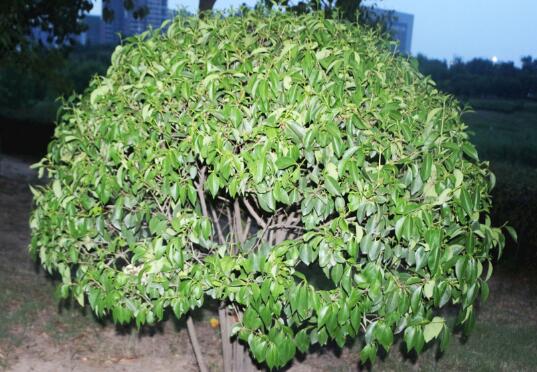
To know what to do when holly gets pests, we first need to find the cause and identify what kind of pest it is, so that we can deal with it in a targeted way, because the control methods for each pest and disease are different. The details are described below, and those troubled by this can take a look.
II. Pest and Disease Control for Holly (Pests)
1. Aphids
Aphids are a pest that can appear on many plants, and holly is no exception. They mainly feed on the sap in leaves, stems, tender tips and tender ears through nymphs, causing the plant to lose a large amount of nutrients and eventually wither.
Control method: For aphids, this pest of holly, the most direct method is to use chemicals to spray and kill them. In terms of chemicals, we can choose 50% pirimicarb wettable powder at 3000 times dilution.
2. Scale insects
Scale insects are an extremely harmful pest, mainly threatening the leaves, branches and fruits of holly. They gather heavily on branches, leaves and fruits, causing leaves to turn yellow, branch tips to wither, tree vigor to decline, and they can also trigger sooty mold.
Control method: For this pest of holly, we can use a pesticide made by mixing 40.7% chlorpyrifos EC and 80% dichlorvos EC at a 1:1 ratio, diluted 1000-1500 times, to spray and kill them.
III. Pest and Disease Control for Holly (Diseases)
1. Leaf spot disease
Leaf spot disease is a disease that can appear on many plants, and holly is no exception. The peak period of this disease is in spring and autumn each year, so everyone must pay extra attention during these two periods. When this disease appears, many irregular brown spots appear on the leaves of holly, and they gradually spread over time, eventually causing the plant to wither and die.
Control method: When dealing with this disease of holly, we can use 80% mancozeb at 400-600 times dilution or 50% thiophanate at 1000 times dilution to spray it. Generally once every 7-10 days, and it can recover after 1-2 applications.
2. Bud rot
This disease mainly threatens the young buds and tender leaves of holly. When it first occurs, the unopened leaves wither first, turning brown, then droop. The pathogen spreads from the base of the tender leaves to the young tissues of the buds, causing the young buds to wither and rot, the plant to stop growing, and in severe cases the whole plant to die.
Control method: When dealing with this disease of holly, we can use 80% mancozeb wettable powder at 500 times dilution to spray the diseased plants. Generally spray once every 10 days, and it can recover after 3-4 applications.
What to Do When Heather Gets Pests: Pest and Disease Control for Heather / 2 Pests and 2 Diseases
During the process of growing heather, the last thing we want to encounter is pests and diseases. These problems are very harmful to the plant, not only affecting its ornamental value, but in severe cases even causing the plant to wither and die. So what should you do when heather gets pests, and how should pest and disease control for heather be carried out? Below, the editor will walk you through it.
I. What to Do When Heather Gets Pests: Find the Cause
To know what to do when heather gets pests, we first need to understand what kind of pest it is, so that we can deal with it in a targeted way, because the treatment methods for each pest and disease are different. The details are described below, and those troubled by this can take a look.
II. Pest and Disease Control for Heather (Pests)
1. Aphids
Aphids are a pest that can appear on many plants, and heather is no exception. They mainly feed on the sap in leaves, stems, tender tips and tender ears through nymphs, causing the plant to lose a large amount of nutrients and eventually wither.
Control method: For aphids, this pest of heather, the most direct method is to use chemicals to spray and kill them. In terms of chemicals, we can choose 50% pirimicarb wettable powder at 3000 times dilution.
2. Scale insects
Scale insects prefer to grow in warm, humid environments. If the growing environment is too dry, scale insects are very likely to appear. They mainly threaten the branches, leaves and fruits of heather, causing leaves to gradually turn yellow, tree vigor to gradually decline, and eventually withering.
Control method: When dealing with this pest of heather, we can use 255 phosmet at 1000 times dilution or 2.5% deltamethrin at 3000 times dilution to spray and kill them directly.
III. Pest and Disease Control for Heather (Diseases)
1. Leaf spot disease
Leaf spot disease, as its name suggests, harms plant leaves. When it occurs, many irregular spots appear on the leaves of heather, and over time small black dots also appear on the spots, greatly affecting its ornamental value.
Control method: When dealing with this disease of heather, we can use 50% carbendazim wettable powder at 500 times dilution to spray the diseased plants. Generally spray once every 7-10 days, and it can recover after 3-4 applications.
2. Rust disease
Rust disease is a type of plant disease caused by parasitic rust fungi, mainly harming the leaves, stems and fruits of heather. When it occurs, many small blister-like spots appear on the affected parts, and in severe cases the spots densely merge into patches, causing the plant to wither and die rapidly due to massive water loss.
Control method: When dealing with this disease of heather, we can use 12.5% diniconazole wettable powder at 2000-3000 times dilution to spray and control the plant. Generally spray once every ten-plus days, and it can recover after 1-2 applications.
What to Do When Blanket Flower Gets Pests: Pest and Disease Control for Blanket Flower / 2 Pests and 2 Diseases
When growing blanket flower, the last thing we want to encounter is pests and diseases. These problems are very harmful to the plant, not only affecting its ornamental value, but in severe cases even causing the plant to wither and die. So what should you do when blanket flower gets pests? How should pest and disease control for blanket flower be carried out? Below, the editor will walk you through it.
I. What to Do When Blanket Flower Gets Pests: Find the Cause
To know what to do when blanket flower gets pests, we first need to understand what kind of pest it is, so that we can deal with it in a targeted way, because the treatment methods for each pest and disease are different. The details are described in detail below, and those troubled by this can take a look.
II. Pest and Disease Control for Blanket Flower
1. Aphids
Among the pests and diseases of blanket flower, aphids are one of the most harmful. They mainly harm the leaves, stems, tender tips and tender ears of blanket flower, gradually sucking out the sap, causing the plant to lose a large amount of nutrients and gradually wither and die.
Control method: For aphids, this pest of blanket flower, if the number is small, we can carry out manual capture, pinching each one we see. If the number is large, we can use 40% imidacloprid water-soluble concentrate at 1500-2000 times dilution to spray and kill them.
2. Scarab beetles
Scarab beetles are invertebrates that mainly harm the root system, leaves and flower buds of blanket flower, affecting the yield and quality of its flowering, and in severe cases even preventing the plant from blooming.
Control method: When dealing with this pest of blanket flower, we can use 2.5% deltamethrin at 2000-3000 times dilution to spray and kill them, or lure and kill them under lights.
3. Rust disease
Rust disease is one of the more common pests and diseases of blanket flower. This disease mainly threatens the leaves, stems and fruits of the plant. When it occurs, many small blister-like spots appear on the affected parts, and in severe cases the spots densely merge into patches, causing the plant to wither and die rapidly as a result.
Control method: When rust disease appears on blanket flower, we can use 50% carboxin wettable powder at 2000 times dilution to spray it. Generally spray once every 7-10 days, and it can recover after 1-2 applications.
4. Black spot disease
Black spot disease is a disease caused by fungi. When it occurs, many black spots appear on the leaves of blanket flower, and over time the spots gradually spread, eventually causing the plant to gradually wither and die.
Control method: When controlling this disease of blanket flower, we can use 7% thiophanate at 800 times dilution to spray it. Generally spray once every 7-10 days, and it can recover after 2-3 applications.