What to Do When Sage Gets Bugs? Learn to Control 2 Pests and 2 Diseases
When we grow sage, the last thing we want to encounter is pests and diseases. These problems are extremely harmful to the plant, not only affecting its ornamental value but, in severe cases, causing the plant to wither and die. So what should you do when sage gets bugs? And how should pest and disease control for sage be carried out? Below, the editor will walk you through it.
I. What to Do When Sage Gets Bugs: Find the Cause
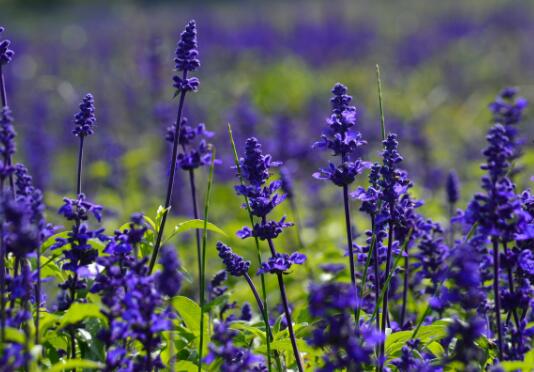
To know what to do when sage gets bugs, we first need to understand what kind of bug it is, so that we can deal with it in a targeted way, because the treatment for each pest and disease is different. The details are described below, so you can take a look.
II. Pest and Disease Control for Sage (Pests)
1. Whitefly
The whitefly is a tiny, plant-eating, piercing-sucking insect. It is extremely harmful to sage, gradually sucking the sap from its phloem, and because of its strong reproductive capacity, it can reach very high densities in a short period of time, sucking large amounts of sap and causing the plant to weaken.
Control method: When dealing with this sage pest, we can use a 25% buprofezin EC 1500x spray to kill it. It can kill eggs, nymphs, and adults.
2. Aphids
Aphids are a relatively common plant-eating insect, with over 4000 species worldwide. Their body length is often less than 10 mm, making them hard to spot. They leave honeydew on the plant's leaves and suck the sap from the leaves, causing sage leaves to wither, turn yellow, and lose their luster, and can also cause sooty mold and other diseases.
Control method: For this sage pest, we can directly use a 2.5% fenpropathrin emulsifiable concentrate 3000x solution to spray and kill it.
III. Pest and Disease Control for Sage (Diseases)
1. Leaf spot
Leaf spot is a disease found in many plants, and sage is no exception. It mainly harms the leaves, petioles, and stems of sage. When the disease occurs, many brown spots appear on the affected parts, and over time the spots gradually spread, eventually causing the plant to gradually wither and die.
Control method: When dealing with this sage disease, we can use a 4% flusilazole 1000x solution to spray it. Generally, spray once every 7-10 days, and after 2-3 times it can be cured.
2. Damping-off
Damping-off is a disease caused by infection with fungi of the Deuteromycotina. It mainly harms the base of the stem or the underground roots of sage seedlings. At first, many dark brown irregular spots appear on the affected parts, and over time they gradually spread. Once the spots expand and encircle the stem, the plant will dry up and die.
Control method: For this sage disease, we can use a 20% tolclofos-methyl EC 1200x solution or a 72.2% propamocarb aqueous solution 800x to spray the diseased plants. Generally, apply once every 7-10 days, and after about 3 times it can be cured.
How to Control Pests and Diseases When Growing Vegetables on a Balcony?
Vegetables grown in containers, like those grown in the ground, can also be attacked by various diseases and pests. You should pay attention to whether the leaves, stems, and other organs of the vegetables are growing well and whether pests appear. Once a problem is found, first determine whether it is a problem with environmental conditions such as water, light, or temperature, or a problem with the fertility of the growing medium. After ruling out these factors, then determine whether it is a disease or a pest.Common Problems with Container Vegetable Growing and Their Control Measures
Spindly, elongated plants that bear no fruit Insufficient light Move the container to a spot with plenty of light Excess nitrogen Reduce the nutrient content in the nutrient solution Plants turning yellow from the bottom, lacking vigor, dull color Overwatering Reduce watering frequency, check whether the container drains well Insufficient fertility Increase the nutrient content in the nutrient solution Plants still wilt despite sufficient watering Poor drainage and ventilation Add more drainage holes to the container, increase the organic matter content in the growing medium Scorched leaf edges High salt content in the growing medium Regularly rinse the container with tap water Slow plant growth, weak resistance, slightly purple Low temperature Move the container to a warmer place Low phosphate Increase the phosphate content in the nutrient solution Distorted or notched leaves Pests Spray eco-friendly insecticide Yellow spots, blight spots, powdery spots, or rust spots on leaves Disease Remove the affected parts, spray an eco-friendly fungicide After confirming that the vegetables have a pest or disease problem, you can refer to the following articles to diagnose which disease or pest it is, then go to a garden store to buy a pure natural plant health solution and treat the problem accordingly.
How to Diagnose Vegetable Pests
Vegetable pests and diseases can be diagnosed by identifying the morphological characteristics of the pests at each stage, or by diagnosing from the pest's residual remains. Pest remains include eggshells, pupal shells, shed skins, residual hairs on the insect body, and dead insect carcasses, as well as pest excrement such as feces, honeydew substances, silk webs, and foamy substances.
1. Leaves eaten, forming notches. These are mostly eaten by chewing-mouthpart lepidopteran larvae and coleopteran pests.
2. Linear stripes or grayish-white or grayish-yellow spots on the leaves. This symptom is mostly caused by piercing-sucking mouthpart pests such as leafminers or stink bugs.
3. Seedlings bitten off or cut through. This is mostly the work of crickets or leaf moths.
4. Honeydew secretion leading to sooty mold. These pests cause black spots by producing honeydew-like excrement that covers the vegetable surface, and are mainly sap-sucking, liquid-excreting pests such as various aphids.
5. Heart leaves shrinking and thickening. This symptom mostly appears on sweet peppers and chili peppers, and is related to mite pests. 6. Damage inside the vegetable body. These pests generally enter the interior of the vegetable, making them hard to see from the outside. If you find fresh pest droppings on or around the plant and fresh insect entrance holes on the plant, you can judge that the pests are far inside the vegetable body causing damage. Sometimes, although there are droppings and entrance holes, the droppings and holes have already dried up, indicating that the pests have already moved elsewhere. These pests are mostly moth pests and larvae.
7. The upper part of the seedling withering and dying. This indicates that the vegetable roots have been damaged, mostly the work of underground pests such as mole crickets, root mites, and root-knot nematodes.
8. Blocky fruits bored into and rotting. For example, the underground tubers of potatoes, onions, and garlic rot or are bored into during growth and storage. These are mostly caused by weevils, root mites, and the like.
Use these characteristics to identify the pests and take corresponding control measures. First, rule out the influence of other factors, such as excessive fertilizer or water causing the upper part of the vegetable seedlings to wilt and die.
Various Methods for Controlling Pests and Diseases in Balcony Vegetable Growing
1. Handpicking. Although primitive, it is very effective. Always keep an eye on the front and back of the leaves and the surrounding soil to see if there are signs of pests.
2. Isolation. As soon as you see branches and leaves infected or eaten by pests and diseases, remove them immediately and throw them into the compost. Vegetables that are too severely damaged should be pulled up by the roots and thrown into the compost.
3. Homemade natural insecticide. There are many simple and effective recipes. A science magazine editor once introduced this method: "When my vegetable garden was suffering greatly from pests, I noticed that some plants around the garden were unharmed. I picked some branches and leaves from these plants, put them in a blender and blended them, then mixed in an equal amount of water to make a solution. I sprayed this solution on the vegetables in my garden, and the result was very effective." This is because those plants unaffected by pests must contain some substance that resists disease and repels insects. In addition, asparagus juice can kill nematodes that harm tomatoes. Garlic also has a good bactericidal and insect-repelling effect, and can be ground into powder or squeezed into juice to spray on vegetables and seeds. Horseradish also has a strong bactericidal and insect-repelling ability, and additionally has the effect of purifying the soil. Plants such as orange peel, chili, garlic, mint, marigold, sage, rosemary, and nasturtium can all be used to make insect repellents.
4. Plowing the soil. This can control pests such as cutworms, cotton bollworms, leafhoppers, aphids, and mole crickets. These pests like to lay eggs on crop stubble or in the soil after the summer and autumn harvest. Therefore, after the autumn harvest, plow the ground once and bury the crop stubble into the soil to prevent pests from laying eggs on it. Plow the ground again before planting in early spring, which will eliminate most of the remaining pests. The plowing depth should be at least 15 cm. This can turn up the eggs, pupae, and larvae of pests hiding in the ground, letting the hot sun, hot wind, and natural enemies destroy them. In our grandparents' time, it was common to see beneficial birds such as egrets following the farmer's plow, scratching for insects to eat. Nowadays, egrets are rarely seen. But when plowing, if you can get a few chickens to follow behind and eat the insects, it will also have a good effect.
5. Use protective sleeves to protect seedlings. Wrap brown cardboard around the stem of the seedling, insert it 5 cm into the soil, and leave about 3 cm exposed above the ground. This can effectively prevent cutworms from biting through the seedlings. This method can also be used against cotton bollworms.
6. Sprinkling flour. In the early morning while the dew has not yet dried, sprinkle some flour on cabbage or head cabbage leaves. Around noon, you will see plump cabbage caterpillars struggling in the batter and dying under the scorching sun.
7. Ask beneficial insects for help. Insects such as mantises, seven-spotted ladybugs, parasitic wasps, and ground beetles can help us eliminate many pests. You can think of some ways to attract them.
8. Think of some ways to attract birds to help catch pests.
9. Make traps. This method can be used against earwigs. Take four 30 cm long bamboo tubes, paint them green, and after they dry, tie them into a bundle with nylon rope and place it under a fence or tree or in other places where earwigs frequently appear. After a few days, on an early morning, shake the earwigs out of the bamboo tubes into boiling water or gasoline to kill them.
10. Rinse with water. Spraying water with a watering can can wash spider mites off the vegetable leaves. Generally, once they are washed off, they will not come back. This method can also be used against aphids that harm roses.
11. Sprinkle plant ash. Sprinkling a ring of plant ash or limestone powder around the vegetables can also protect them from cutworms. However, be careful not to sprinkle the ash on the vegetable leaves.
12. Place a bowl of beer next to the plants. It is said to lure snails and slugs in to drown. You can also sprinkle a ring of coarse sand, coal cinders, or limestone powder around the vegetable beds to protect the vegetables from snails and slugs.
In short, if you run into trouble with pests and diseases, do not turn to pesticides and chemical insecticides. Instead, first check whether there is a problem with your soil and the methods you are using, determine the cause, and then solve it with the simplest and most natural method possible.
Common Problems in Balcony Vegetable Growing: Teaching You How to Prevent Pests and Diseases
, please share it to your Moments.
In recent years, balcony vegetable growing has become the choice of most city dwellers, but there are also many methods and tips for balcony vegetable growing, and in daily life you should also pay attention to doing a good job of preventing various diseases and pests.
Vegetable seedlings growing spindly
1. What common problems occur when growing vegetables at home?
(1) Vegetable seedlings growing spindly, plants thin and elongated, bearing no fruit: the cause is mostly insufficient light or excess nitrogen; you should move the container to a spot with plenty of light and reduce the amount of fertilizer applied.
(2) Vegetable seedlings turning yellow from the bottom, lacking vigor, dull color: the cause is mostly overwatering or insufficient fertility; you should reduce watering frequency and check whether the container drains well. It may also be a lack of fertilizer, so increase the number of fertilizer applications, but do not apply too much at once; apply light fertilizer frequently. If the seedlings still wilt despite sufficient watering, and drainage and ventilation are poor, you should add more drainage holes to the container and loosen the soil in the flowerpot or planting trough in a timely manner.
(3) Scorched leaf edges are mostly due to the growing medium having too high a salt content. You need to replace the growing medium, or use a large amount of water to leach out the salt.
(4) Plants growing slowly, with weak resistance and slightly purple, should be due to low temperature; move the container to a warmer place.
(5) If yellow spots, blight spots, powdery spots, or rust spots are found on the leaves or fruits, that is a disease problem, and you should remove the affected parts. If insect bites are found on the leaves, irregular tunnels on the underside of the leaves, or small flying insects swarming on the plant, then that is a pest problem, and safe methods should be used to eliminate the pests in home growing.
Cabbage caterpillar
Control Methods for Some Common Pests
1. Handpicking
Although primitive, it is very effective. Always keep an eye on the front and back of the leaves and the surrounding soil to see if there are signs of pests.
2. Isolation
As soon as you see branches and leaves infected or eaten by pests and diseases, remove them immediately and throw them into the compost. Vegetables that are too severely damaged should be pulled up by the roots and thrown into the compost.
3. Homemade natural insecticide
There are many simple and effective recipes. A science magazine editor once introduced this method: "When my vegetable garden was suffering greatly from pests, I noticed that some plants around the garden were unharmed. I picked some branches and leaves from these plants, put them in a blender and blended them, then mixed in an equal amount of water to make a solution. I sprayed this solution on the vegetables in my garden, and the result was very effective." This is because those plants unaffected by pests must contain some substance that resists disease and repels insects. In addition, asparagus juice can kill nematodes that harm tomatoes. Garlic also has a good bactericidal and insect-repelling effect, and can be ground into powder or squeezed into juice to spray on vegetables and seeds. Horseradish also has a strong bactericidal and insect-repelling ability, and additionally has the effect of purifying the soil. Plants such as orange peel, chili, garlic, mint, marigold, sage, rosemary, and nasturtium can all be used to make insect repellents.
4. Plowing the soil
This can control pests such as cutworms, cotton bollworms, leafhoppers, aphids, and mole crickets. These pests like to lay eggs on crop stubble or in the soil after the summer and autumn harvest. Therefore, after the autumn harvest, plow the ground once and bury the crop stubble into the soil to prevent pests from laying eggs on it. Plow the ground again before planting in early spring, which will eliminate most of the remaining pests. The plowing depth should be at least 15 cm. This can turn up the eggs, pupae, and larvae of pests hiding in the ground, letting the hot sun, hot wind, and natural enemies destroy them. In our grandparents' time, it was common to see beneficial birds such as egrets following the farmer's plow, scratching for insects to eat. Nowadays, egrets are rarely seen. But when plowing, if you can get a few chickens to follow behind and eat the insects, it will also have a good effect.
5. Use protective sleeves to protect seedlings
Wrap brown cardboard around the stem of the seedling, insert it 5 cm into the soil, and leave about 3 cm exposed above the ground. This can effectively prevent cutworms from biting through the seedlings. This method can also be used against cotton bollworms.
6. Sprinkling flour
In the early morning while the dew has not yet dried, sprinkle some flour on cabbage or head cabbage leaves. Around noon, you will see plump cabbage caterpillars struggling in the batter and dying under the scorching sun.
7. Ask beneficial insects for help
Insects such as mantises, seven-spotted ladybugs, parasitic wasps, and ground beetles can help us eliminate many pests. You can think of some ways to attract them.
Seven-spotted ladybug
8. Think of some ways to attract birds to help catch pests.
9. Make traps
This method can be used against earwigs. Take four 30 cm long bamboo tubes, paint them green, and after they dry, tie them into a bundle with nylon rope and place it under a fence or tree or in other places where earwigs frequently appear. After a few days, on an early morning, shake the earwigs out of the bamboo tubes into boiling water or gasoline to kill them.
10. Rinse with water
Spraying water with a watering can can wash spider mites off the vegetable leaves. Generally, once they are washed off, they will not come back. This method can also be used against aphids that harm roses.
11. Sprinkle plant ash
Sprinkling a ring of plant ash or limestone powder around the vegetables can also protect them from cutworms. However, be careful not to sprinkle the ash on the vegetable leaves.
12. Place a bowl of beer next to the plants
It is said to lure snails and slugs in to drown. You can also sprinkle a ring of coarse sand, coal cinders, or limestone powder around the vegetable beds to protect the vegetables from snails and slugs.
Thank you for reading. You can do some things to support us~!
1. Click the button in the upper right corner to share to your Moments
"More wonderful content!
Subscribe for techniques on growing nursery stock, vegetables, fruits, Chinese herbal medicines, grain and oil crops, and pest and disease control. (Scan to follow)