What to Do When Yucca Plants Get Pests? A Guide to Controlling 3 Pests and 2 Diseases
During the growth of yucca plants, the last thing we want to encounter is pests and diseases. These problems are extremely harmful to the plant, and if not dealt with in time, the plant will gradually wither and die. So what should you do when yucca plants get pests? And how should pest and disease control for yucca be carried out? Let's take a look below.
I. What to Do When Yucca Plants Get Pests: Find the Cause
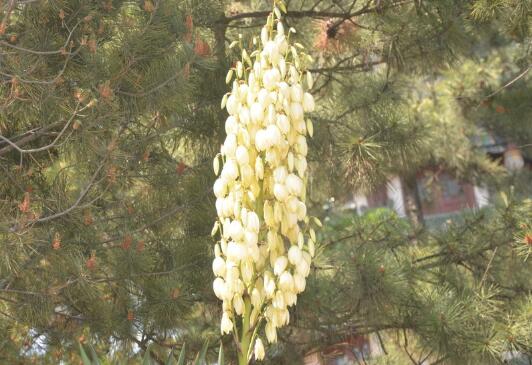
To know what to do when yucca plants get pests, we first need to understand what kind of pest it is, so that we can carry out targeted treatment, because the control methods for each pest and disease are different. The details are introduced below, so let's take a look.
II. Pest and Disease Control for Yucca (Pests)
1. Whitefly
Whitefly is a very small pest that is one of the most harmful among yucca pests and diseases. This pest mainly feeds on the sap of the yucca, gradually sucking the sap from the stems, which leads to a massive loss of nutrients and eventually causes the plant to wither.
Control method: When dealing with this yucca pest and disease, you can directly use a 20% buprofezin wettable powder solution to spray and kill it.
2. Scale insects
Among yucca pests and diseases, scale insects are an extremely harmful pest. They mainly damage the leaves, branches and fruits of the yucca, causing the leaves to gradually turn yellow and fall off, and eventually the entire yucca plant will gradually wither.
Control method: When controlling this pest, you must act promptly. If it drags on too long, it will be very difficult to completely eradicate. When treating it, we can use a 255 imidothion 1000x solution to spray and kill it directly.
3. Noctuid moths
Noctuid moths are a type of insect in the order Lepidoptera. They are phytophagous pests that mainly chew on yucca leaves and bore into flower buds. In severe cases, they can eat all the leaves or destroy the flower buds. The peak period for this pest is from June to October each year, so everyone must pay extra attention during this time.
Control method: When dealing with this yucca pest and disease, we can directly use a 2.5% trichlorfon powder or 1.5% parathion powder to spray and kill it.
III. Pest and Disease Control for Yucca (Diseases)
1. Anthracnose
Anthracnose is a frequently occurring disease of yucca. It spreads very quickly. If not controlled in time after onset, it will not only affect the ornamental effect, but in severe cases can also lead to plant death. When the disease occurs, many brown spots appear on the leaves, and the inside of the lesions is grayish-brown with a yellow halo around them. You can identify it by this.
Control method: For this yucca pest and disease, we can use a 75% chlorothalonil wettable powder 1000x solution to spray the diseased plants. Generally, spray once every week, and after 3-4 times it can be cured.
2. Leaf spot disease
Leaf spot disease is a disease caused by Pseudomonas bacteria. When the disease occurs, many brown lesions appear on the leaves, varying in shape and size. As time goes on, the lesions gradually spread, and the color also changes, eventually causing the plant to gradually wither and die.
Control method: When dealing with this yucca pest and disease, we can use a 70% thiophanate-methyl wettable powder 1000x solution to spray the diseased plants. Generally, once every 7-10 days, and after 2-3 times it can be cured.
What to Do When Monotropa Plants Get Pests: Pest and Disease Control for Monotropa / 2 Pests and 3 Diseases
Pests and diseases are the last problem you want to encounter during plant growth, and Monotropa is no exception. When affected by such problems, it not only greatly affects its ornamental value, but in severe cases can also cause the plant to wither and die. So what should you do when Monotropa gets pests? How should pest and disease control for Monotropa be carried out? Let's take a look below.
I. What to Do When Monotropa Gets Pests: Find the Cause
When it comes to what to do when Monotropa gets pests, we first need to know what kind of pest it is, so that we can carry out targeted treatment, because the treatment methods for each pest and disease are different. The details are introduced below, so you can take a look, in case you encounter such problems later and are at a loss.
II. Pest and Disease Control for Monotropa (Pests)
1. Aphids
Aphids are a relatively common phytophagous insect, with more than 4000 species worldwide. Their body length is often less than 10 mm, making them hard to spot. They leave honeydew on the plant's leaves and suck the sap from the leaves, causing Monotropa leaves to wither, turn yellow, lose their luster, and also cause sooty mold and other diseases.
Control method: For this Monotropa pest and disease, we can directly use a 2.5% fenpropathrin emulsion 3000x solution to spray and kill it.
2. Scale insects
Scale insects are a relatively common pest during the growth of Monotropa. They mainly threaten the leaves, branches and fruits of Monotropa, causing the leaves to gradually turn yellow and fall off, and eventually the entire Monotropa plant will gradually wither.
Control method: When dealing with this Monotropa pest and disease, we can directly use a 40% omethoate emulsion 1000x solution to spray and kill it, and the effect is very good.
III. Pest and Disease Control for Monotropa (Diseases)
1. Black spot disease
Black spot disease, also known as brown spot disease, is a disease that can appear in many plants, and Monotropa is no exception. Its leaves, stems and flowers can all be harmed by this disease. This disease causes symptoms such as leaves turning brown and drying up, and petals shriveling. In severe cases, it can also cause the plant to wither and die.
Control method: When dealing with this Monotropa pest and disease, we can use a 50% zineb or mancozeb 5000x solution spray to apply to the affected areas, and when spraying, pay special attention to spraying the leaf undersides evenly.
2. Powdery mildew
Powdery mildew is a relatively common disease of Monotropa. When the disease occurs, many white powdery mold layers appear on the leaf surface, and as time goes on they gradually cover the entire leaf, severely affecting photosynthesis, disrupting normal metabolism, causing premature aging and losses in yield.
Control method: For this Monotropa pest and disease, we can use a 75% chlorothalonil wettable powder 700x solution to spray the diseased plants. Generally, spray once every 7-10 days, and after 2-3 times it can be cured.
3. Anthracnose
Anthracnose mainly threatens the leaves of Monotropa. In the early stage of the disease, many brown lesions appear on the leaves, and as time goes on the lesions gradually expand and can occupy half the area of a small leaf, preventing the plant from carrying out photosynthesis, causing it to gradually turn yellow and wither, and the leaves gradually fall off.
Control method: When controlling this Monotropa pest and disease, we can use a 75% thiophanate-methyl wettable powder 1000x solution to spray the diseased plants. Generally, spray once every 7-10 days, and after 2-3 times it can be cured.
What to Do When Dendrobium Orchids Get Pests: Pest and Disease Control for Dendrobium Orchids / 2 Pests and 3 Diseases
In the process of growing Dendrobium orchids, the last thing we want to encounter is pests and diseases. These problems are extremely harmful to the plant, and if not dealt with in time, they will cause the plant to wither and die. So what should you do when Dendrobium orchids get pests? How should pest and disease control for Dendrobium orchids be carried out? Let's take a look below.
I. What to Do When Dendrobium Orchids Get Pests: Find the Cause
To know what to do when Dendrobium orchids get pests, we first need to understand what kind of pest it is, so that we can carry out targeted treatment, because the control methods for different pests and diseases are also different. Below is a detailed explanation of pest and disease control for Dendrobium orchids. Friends troubled by this can take a look.
II. Pest and Disease Control for Dendrobium Orchids (Pests)
Thrips
Thrips is the collective name for insects in the order Thysanoptera. It is an economic pest that mainly threatens the flowers and leaves of Dendrobium orchids. When leaves are damaged, many small white spots appear on them, and when flowers are damaged, their color becomes dull and colorless, and deformities also appear.
Control method: When dealing with this Dendrobium orchid pest and disease, we can use a 25% imidacloprid 1000x solution or a 40% omethoate emulsion 1000-1500x solution to spray and kill it directly.
Whitefly
Whitefly is a small phytophagous pest belonging to the order Hemiptera. It mainly harms the new shoots, leaves and flowers of Dendrobium orchids. It inserts its piercing-sucking mouthparts from the underside of the leaves and then gradually sucks the sap inside, causing a massive loss of nutrients in the plant, resulting in yellowing and withering.
Control method: For this Dendrobium orchid pest and disease, we can use a 25% buprofezin emulsifiable concentrate 1500x spray to spray and kill it directly. It can kill eggs, nymphs and adults.
III. Pest and Disease Control for Dendrobium Orchids (Diseases)
Anthracnose
Anthracnose mainly occurs on the leaves of Dendrobium orchids. In the early stage of the disease, many water-soaked yellow lesions appear on the leaves. After expanding, they become elliptical to irregular brown or yellowish-brown lesions. In the later stage, the lesions connect into a single patch, causing the leaves to dry up, and produce small black dots arranged in concentric rings.
Control method: This disease mainly occurs because the growing environment has poor ventilation, so when cultivating them we must keep the environment well ventilated. As for treating this disease, we can use a 65% zineb wettable powder 600x solution to spray the affected areas. Generally, spray once every week, and after 3-4 times it can be cured.
Mosaic disease
Mosaic disease is a worldwide viral disease that is extremely harmful to Dendrobium orchids. In the early stage of the disease, chlorotic angular lesions appear on the leaves, which eventually turn brown. In severe cases, it also affects the yield and quality of cut flowers.
Control method: When dealing with this Dendrobium orchid pest and disease, we can use a 40% dimethoate emulsifiable concentrate 1000x solution to spray the plants. Generally, once every 10 days, and after 2-3 times it can be cured.
Leaf spot disease
Leaf spot disease is a disease that exists in many plants, and Dendrobium orchids are no exception. When the disease occurs, many elliptical and elongated brown lesions appear on its leaves, and as time goes on they gradually spread, eventually causing the plant to gradually wither and die.
Control method: For this Dendrobium orchid pest and disease, we can use 41% polyalthia · pyrimethanil 20ml + 4% pyrimidine nucleoside antibiotics 15ml diluted with water to spray the diseased plants. Generally, spray once every 7-10 days, and after 1-2 times it can be cured.