Does the Brazil iron tree get pests? Pest and disease control and anthracnose medication methods
The Brazil iron tree, which has become popular in recent years, is a beautiful foliage plant and has now appeared in many people's homes. However, as more people grow the Brazil iron tree, some problems, such as pests and diseases, have gradually increased. So does the Brazil iron tree get pests? Below are several pest and disease control methods for the Brazil iron tree. Come and take a look with the editor!
1. Does the Brazil iron tree get pests? Yes
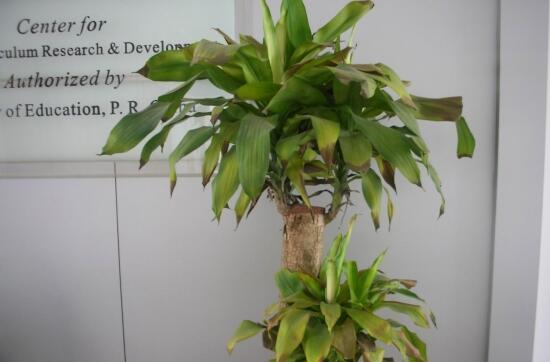
In daily life, many people keep Brazil iron trees, but because there are many beginners, improper care inevitably occurs, and as a result, they get pests. It is understood that the main pests and diseases of the Brazil iron tree are: sugarcane borer, red spider mite, small grain bark beetle, anthracnose, phytophthora blight, and gray mold. Their appearance all affects the health of the plant, so once discovered, pesticide control should be carried out immediately.
2. Pest and disease control of the Brazil iron tree
1. Red spider mite
When it comes to the Brazil iron tree getting pests, the first thing to consider should be the red spider mite, because it is the common enemy of foliage plants. It is understood that the red spider mite mainly pierces its mouthparts into the leaves of the Brazil iron tree to suck sap, damaging the plant's chlorophyll, causing the leaves of the Brazil iron tree to turn yellow and even fall off.
Control method: For red spider mites, everyone should always guard against them and check the undersides of leaves in time. When individual leaves are damaged, the infested leaves can be removed; when more leaves are damaged, pesticides such as propargite, dimethoate, huachongjing, and fenvalerate should be sprayed early for control.
2. Sugarcane borer
Among the pests of the Brazil iron tree, the sugarcane borer is one that everyone needs to consider. This insect is a highly potentially dangerous insect. After being attacked by the sugarcane borer, the fleshy part under the epidermis of the Brazil iron tree is completely eaten out and replaced with insect feces. With further damage, the plant will face death.
Control method: After discovering the sugarcane borer, you can use fast-killing agents such as chrysanthemum-kill emulsifiable concentrate to drench the damaged part of the stem, and use trichlorfon to make poisonous soil and spread it in the surface soil of the flower pot.
3. Small grain bark beetle
A pest that harms the Brazil iron tree, it mostly appears during the growth period, and the damage is very serious. The small grain bark beetle is small in size, its feces are slightly fine, and it usually occurs together with the sugarcane borer. Therefore, after being damaged by this insect, the symptoms of damage are basically similar to those of the sugarcane borer.
Control method: Once the small grain bark beetle is found, pesticide spraying should be carried out immediately for control. The available agents include 40% omethoate emulsifiable concentrate 1000 times solution mixed with 90% trichlorfon 800 times solution, once every 7 to 10 days, and 4-5 consecutive times can be effective.
4. Anthracnose
In the pest and disease control of the Brazil iron tree, anthracnose is one that requires extreme attention. This disease easily occurs in rainy seasons, when indoor ventilation is poor, and when humidity is too high. If the Brazil iron tree shows blackened leaf tips and yellow spots on the leaves, it should have anthracnose.
Control method: After confirming it is anthracnose, spray 75% chlorothalonil 600 times solution or 50% thiram wettable powder 500 times solution, once every 7-10 days, and 3 consecutive sprays can be effective. In addition, during the peak growth season of the Brazil iron tree, fertilizing once about every 20 to 30 days can effectively reduce the occurrence of this disease.
5. Phytophthora blight
Another disease of the Brazil iron tree, it mainly harms the plant's leaves and the ground area, causing diseased leaves to show water-soaked spots, which then quickly expand into dark brown rot and cause leaf drop. Sometimes there is a thin white mold layer on the damaged surface of the leaves.
Control method: Cut off diseased leaves in time, and burn them in a centralized way or bury them in soil to reduce the source of disease. When the disease occurs, spray 72.2% propamocarb aqueous solution 600-700 times solution for control.
6. Gray mold
In the process of growing the Brazil iron tree, if the soil is too wet, light is insufficient, and ventilation is poor, it is prone to gray mold. After contracting this disease, the leaves and petioles of the Brazil iron tree appear grayish white, water-soaked, and the tissue even softens to the point of rotting.
Control method: When the above symptoms are found, cut off diseased leaves in time to reduce the source of disease; in the early stage of the disease, spray 70% thiophanate-methyl wettable powder 1000 times solution for control.
Overall, the cultivation method of the Brazil iron tree is not difficult. As long as everyone cares for it carefully, pests will not come knocking. Regarding pest and disease control of the Brazil iron tree, the editor has introduced it here. I believe everyone should know what to do when encountering pests or illness in the Brazil iron tree again! Finally, may everyone's Brazil iron tree grow beautifully~
Does white-veined peperomia get pests? White-veined peperomia pest and disease control / 2 pests and 3 diseases with pesticide spraying
White-veined peperomia, a small foliage plant introduced recently, has a small and exquisite plant body, with leaves alternating white and green, looking very beautiful, and has now appeared in many people's homes. However, as more people grow white-veined peperomia, some problems, such as how to control pests and diseases, are also being asked about more often. So does white-veined peperomia get pests? Below are several pest and disease control methods for white-veined peperomia. Let's take a look together!
1. Does white-veined peperomia get pests? Yes
Generally speaking, white-veined peperomia does not have many pests or diseases, but during growth, due to improper care, poor environment, and other reasons, the plant will inevitably get scale insects and red spider mites; when the soil is waterlogged for a long time and the water used is too cold, it will also contract root rot. In response, once discovered, everyone should immediately spray pesticides for control.
2. Pest and disease control of white-veined peperomia
1. Scale insects
During cultivation, white-veined peperomia rarely gets pests, but when the environment is not ventilated and care is improper, scale insects occasionally cause damage. This insect uses piercing-sucking mouthparts to suck sap on leaves and small branches. If not noticed for a long time, white-veined peperomia will drop leaves.
Control method: When a small number of scale insects are found, remove them manually in time, or wash them off with water, and place the plant in a ventilated place; when there are many scale insects, pesticides must be sprayed. The agent can be kuangshajie 800-1000 times solution, and generally one application can achieve the control effect.
2. Red spider mite
When it comes to white-veined peperomia getting pests, apart from scale insects, it is basically red spider mites, since they are the common enemy of foliage plants. This insect mainly pierces its mouthparts into the leaves of white-veined peperomia to suck sap, damaging the plant's chlorophyll, causing the leaves of white-veined peperomia to turn yellow and even fall off.
Control method: For red spider mites, everyone should always guard against them and check the undersides of leaves in time. When individual leaves are damaged, the infested leaves can be removed; when more leaves are damaged, decis can be used for treatment, or medications such as acaricide 25% emulsifiable concentrate 800 times solution and 73% propargite 2000 times solution can be sprayed.
3. Root rot
When watering too much, or when drainage is not timely during the rainy season, or when the water used is too cold, white-veined peperomia will also contract root rot. After contracting this disease, the roots of the plant will rot, and in severe cases the entire plant may die.
Control method: When the above symptoms are found, if the condition is mild, spray 500 times zineb solution; if the rot is severe, just throw it away.
4. Anthracnose
Among the pests and diseases of white-veined peperomia, anthracnose is one that requires extreme attention. This disease easily occurs in rainy seasons, when indoor ventilation is poor, and when humidity is too high. If white-veined peperomia shows blackened leaf tips and yellow spots on the leaves, it should have anthracnose.
Control method: After confirming it is anthracnose, spray 75% chlorothalonil 600 times solution or 50% thiram wettable powder 500 times solution, once every 7-10 days, and 3 consecutive sprays can be effective.
5. Gray mold
In the process of growing white-veined peperomia, if the soil is too wet, light is insufficient, and ventilation is poor, it is also prone to gray mold. After contracting this disease, the leaves and petioles of white-veined peperomia appear grayish white, water-soaked, and the tissue even softens to the point of rotting.
Control method: When the above symptoms are found, cut off diseased leaves in time to reduce the source of disease; in the early stage of the disease, spray 70% thiophanate-methyl wettable powder 1000 times solution for control.
Overall, the cultivation method of white-veined peperomia is not difficult. As long as everyone cares for it carefully, pests will not come knocking. Regarding pest and disease control of white-veined peperomia, the editor has introduced it here. I believe everyone should know what to do when encountering pests or illness in white-veined peperomia again! Finally, may everyone's white-veined peperomia grow beautifully~
Does Aglaonema 'Ruyi' get pests easily? Pest and disease control of Aglaonema 'Ruyi' / 2 pests and 3 diseases with pesticide spraying
As a beautiful foliage plant, Aglaonema 'Ruyi' has many benefits. It not only looks good, but can also absorb formaldehyde, and has good medicinal uses as well. But when growing Aglaonema 'Ruyi' indoors, everyone is afraid it will get pests. So does Aglaonema 'Ruyi' get pests easily? Below are several pest and disease control methods for Aglaonema 'Ruyi'. Come and learn about them with the editor.
1. Does Aglaonema 'Ruyi' get pests easily?
Generally speaking, Aglaonema 'Ruyi' is not prone to pests, but under improper care and very poor environmental conditions, Aglaonema 'Ruyi' will also get pests and diseases. It is understood that the pests and diseases of Aglaonema 'Ruyi' are: scale insects, red spider mites, anthracnose, leaf spot disease, and brown spot disease. Their appearance will all affect the health and appearance of the plant. In response, once discovered, pesticide spraying should be carried out immediately for control.
2. Pest and disease control of Aglaonema 'Ruyi'
1. Scale insects
When it comes to Aglaonema 'Ruyi' getting pests, it is generally scale insects. This insect is relatively small and often gathers together, mainly attacking the plant's leaves, affecting the plant's photosynthesis, causing the leaves of Aglaonema 'Ruyi' to turn yellow and harming its ornamental value.
Control method: When a small number of scale insects are found, they can be brushed off with a brush and then rinsed clean with water; when there are many scale insects, spray 40% omethoate 1000 times solution in time for control, spraying once a week, and 2 to 3 consecutive times can be effective.
2. Red spider mite
In environments with poor ventilation and insufficient light, Aglaonema 'Ruyi' will also get red spider mites. This insect pierces its mouthparts into the leaves of Aglaonema 'Ruyi' to suck sap, damaging the plant's chlorophyll, causing the leaves to show grayish-yellow spots or patches, and the leaves to become withered and yellow, or even fall off.
Control method: Usually observe the flowers and plants. When the above symptoms are found, check the undersides of leaves in time. When individual leaves are damaged, the infested leaves can be removed; when more leaves are damaged, medications such as acaricide 25% emulsifiable concentrate 800 times solution and 73% propargite 2000 times solution can be sprayed for control.
3. Viral disease
Besides getting pests, Aglaonema 'Ruyi' can also get diseases, among which the relatively common disease is called viral disease, which harms the plant's growth. Symptoms: The leaves of Aglaonema 'Ruyi' will show some irregular yellow spots, and at the same time the leaves will become deformed, curled, or wrinkled, and in severe cases may even become malformed.
Control method: After discovering the above symptoms, spray 5% beta-cypermethrin 3000 times solution in time, and the control effect is excellent; in addition, everyone can also appropriately apply more flower fertilizer containing relatively more K element and P element to increase its resistance to disease.
4. Root rot
In addition, under improper care, for example in winter, if watering is too much or the potting soil drains poorly, and combined with a dark indoor environment, Aglaonema 'Ruyi' is prone to root rot. Symptoms: The roots and stems of Aglaonema 'Ruyi' turn black and rot, then the plant's leaves also wither, and it spreads very quickly.
Control method: First, cut off the rotten parts of Aglaonema 'Ruyi', apply sulfur powder, then replace with fresh culture soil and replant. After that, move the potted plant to a ventilated sunny place, and before long, Aglaonema 'Ruyi' will recover its health.
5. Leaf spot disease
When the indoor temperature fluctuates greatly in a short period, or when watering too much during the dormant period, Aglaonema 'Ruyi' is prone to leaf spot disease. Symptoms: Many small brown spots will appear on the leaves of Aglaonema 'Ruyi', and in severe cases the spots will cover the entire leaf.
Control method: When the above symptoms are found, remove diseased leaves in time and destroy them in a centralized way to reduce the source of disease; then use chlorothalonil 800 times solution for foliar spraying, once every 7-8 days, for 2-3 consecutive times, and it can basically recover.
Regarding pest and disease control of Aglaonema 'Ruyi', the editor has introduced it here. I believe everyone should know what to do when encountering pests or illness in Aglaonema 'Ruyi' again! Overall, the cultivation method of Aglaonema 'Ruyi' is not difficult. As long as everyone cares for it carefully, pests will not come knocking. Finally, may everyone's Aglaonema 'Ruyi' grow beautifully~