What to do when orchids get pests? Common 2 pests and 3 diseases of orchids and how to treat them
Orchids, also known as cymbidiums, are grouped together with plum, bamboo, and chrysanthemum as the “Four Gentlemen of Flowers” and are a beautiful ornamental flower. However, orchids are herbaceous plants and are prone to pests and diseases when cultivated artificially, so what should you do when orchids get pests? The following are several common pest and disease control methods for orchids, so come and take a look with the editor!
I. What to do when orchids get pests: spray with pesticide
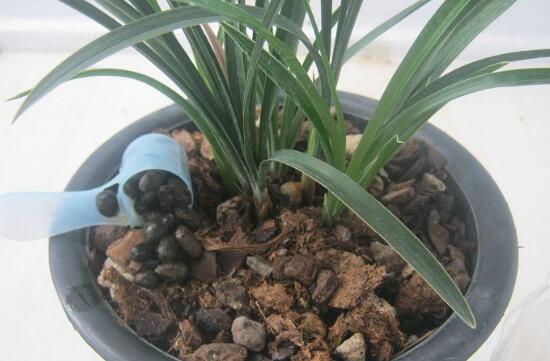
Because orchids are so beneficial, many flower lovers grow them in pots at home. However, in the process of growing orchids indoors, due to improper care and unclean air in the environment, they are prone to several pests and diseases: red spider mites, scale insects, black spot disease, southern blight, and anthracnose. Their appearance will affect the normal growth of the plant, and once discovered, pesticide should be sprayed immediately for control.
II. Pest and disease control for orchids
1. Red spider mites
When orchids are grown indoors, if ventilation is poor, red spider mite damage often occurs. Although this pest is small, it can use its sharp mouthparts to suck nutrients from the leaves, thereby affecting the normal growth of the croton.
Control method: In daily care, observe orchids more often. Once red spider mites are found, pesticide should be sprayed immediately for control. The pesticide can be 1000 times dimethoate or 20% dicofol emulsifiable concentrate 1000 times solution, once every 5-7 days, and 2-3 consecutive applications can kill them completely.
2. Scale insects
Under conditions of high temperature, high humidity, and poor air circulation, orchids are also prone to scale insects. This pest occurs mostly in May, piercing into the leaves with its mouthparts to suck sap, causing orchid leaves to turn yellow, and in severe cases the plant will die.
Control method: When there are few scale insects, you can gently and repeatedly wipe the affected plant with alcohol, which is extremely effective; when there are many scale insects, promptly spray 40% omethoate 1000 times solution or 50% dichlorvos 1000 times solution for control, spraying once every 7—10 days, and 2—3 consecutive sprayings will be effective.
3. Black spot disease
Besides pests, orchids can also get diseases, among which the most common is black spot disease. When this disease first appears, circular dark brown spots about 2-3 mm in diameter appear on the affected leaves, then slowly expand and increase, and in severe cases harm the entire tissue, causing poor plant growth.
Control method: This disease occurs mostly in June, so everyone should observe more often. When the above symptoms are found, cut off all severely affected leaves and burn them, and promptly spray 40% carbendazim 800 times solution or 65% zineb 400-500 times solution for control.
4. Southern blight
Among the common pests and diseases of orchids, southern blight is also one that must be guarded against. This disease occurs mostly during the plum rain season and mainly harms the stem base and roots of orchids, causing purple-brown spots on the leaves, followed by an obvious white layer of mycelium, and in severe cases the plant withers and eventually dies.
Control method: After discovering the above symptoms, promptly spray fungicides such as carbendazim, Bordeaux mixture, and lime sulfur mixture on the stem base of the plant and on the substrate; or, after the disease occurs, directly remove the infected potting soil and sprinkle pentachloronitrobenzene powder or lime on it.
5. Anthracnose
In the hot and humid season, especially in the high-temperature and high-humidity plum rain season, orchids are prone to anthracnose. This disease causes brown small spots to appear on orchid leaves, which later expand into round or oval shapes, and in severe cases the entire plant is damaged.
Control method: After discovering that the plant has anthracnose, you can first spray with 50% thiophanate-methyl wettable powder 800-1500 times solution, once every 7-10 days, and then supplement with 1% equal Bordeaux mixture, once every half month. After doing this, the disease can basically be cured.
How to grow potted orchids: orchid cultivation methods and precautions / likes diffused light, avoids strong light
Orchids, known as the "number one fragrance," have delicate and far-reaching floral fragrance, leaves that stay green all year round, and elegant posture. They are a very popular indoor potted plant in recent years and are deeply loved by flower lovers. In daily life, many people want to grow a pot of orchids, so how do you grow potted orchids? The following are the orchid cultivation methods and precautions carefully compiled by the editor, very detailed, and those who want to grow them should definitely take a look~
I. How to grow potted orchids: understand their habits
Orchids like warm, humid environments. They are relatively shade-tolerant, avoid strong light, and are not cold-tolerant, so how do you grow potted orchids? Everyone should place orchids in a bright, diffused-light location, avoid direct sunlight, water appropriately during daily care, keep the potting soil slightly moist, and take good cold protection measures in winter. As for the growing medium, it is best to choose loose, breathable, well-draining humus soil.
II. Orchid cultivation methods and precautions
1. Soil
How to grow orchids: first, you should reselect the potting soil. Nowadays, the orchid pots owned by flower lovers are basically purchased online and are very cheap. This results in very cheap soil. Normal care can ensure plant growth, but if you want orchid flowers to bloom beautifully, it is best to reselect the soil.
Soil selection: According to the growth habits of orchids, they like loose, breathable, well-draining humus soil. For this, the editor recommends using a soil mixed with 7 parts leaf mold, 2 parts perlite, and 1 part river sand.
2. Light
Orchids like shade and fear direct strong light, so in orchid cultivation methods, light is something everyone needs to pay attention to. When growing indoors, orchids should be placed on a balcony with bamboo blinds for shade, shading from 9 a.m. to 6 p.m. when light is strong, and not shading at other times. In winter, when light is weak, they can be placed in a bright, diffused-light location for care.
3. Temperature
How to grow orchids: adjusting the temperature in a timely manner is also very important. Orchids like warm environments and are not cold-tolerant. When winter temperatures are low, move them indoors. How to grow orchids: adjusting the temperature in a timely manner is also very important. After spring arrives and the temperature gradually warms up, orchids can slowly be moved to the courtyard or balcony.
4. Watering
Growing plants always involves watering, and in orchid cultivation methods, watering is a very important part. Orchids like humid environments, and daily care requires keeping the potting soil slightly moist. In spring and autumn, water orchids once every 2-3 days; in summer, when temperatures are high and orchids are in a vigorous growth period, water 1-2 times a day; in winter, when temperatures are low, generally water once every 5-7 days.
Precautions: When watering orchids, everyone should be careful not to splash water on the leaves, to avoid black spots appearing and affecting the ornamental effect; in addition, watering should not be too much or too little, and it is best to follow the principle of not dry in autumn and not wet in winter. Also, if grown outdoors, orchids can get a little light rain, but be careful to avoid plum rain, showers, or continuous rain.
5. Fertilizing
How to grow orchids? After watering, let's talk about fertilizing, which is also indispensable in the growth process of orchids. Orchids like fertilizer, and during the growing period should be given organic fertilizer once every 10 days, such as farmyard manure. In addition, when fertilizing orchids, the amount should be small and the solution clear and dilute, truly achieving frequent application of light fertilizer.
6. Pruning
In the process of growing orchids, timely pruning is also very important. During their growth process, we should continuously cut off withered yellow old leaves and diseased or pest-affected leaves to facilitate ventilation. In addition, when the last flower on the orchid inflorescence has been open for one week, it should be cut off 3 cm from the pot surface, to avoid consuming too many nutrients and affecting flowering the next year.
7. Preventing pests and diseases
In the process of growing orchids, due to improper care, high air humidity, insufficient light, poor ventilation, and other reasons, orchids are prone to pests and diseases. To prevent this phenomenon, in addition to properly controlling the dryness and moisture of the potting soil at ordinary times, everyone should also master orchid pest and disease control, and promptly spray pesticide for control after discovering pests and diseases.