What to Do When Daphne Gets Pests? 4 Pests and 2 Diseases: Pesticide Control
Daphne (Daphne odora), a beautiful ornamental flower, is not only attractive but also fairly disease-resistant, making it very suitable for growing indoors and much loved by flower enthusiasts. However, during cultivation, for various reasons, daphne can still get pests and diseases that affect the plant's growth. So what should you do when daphne gets pests? Below is the pest and disease control for daphne - let's take a look!
I. What to Do When Daphne Gets Pests: Spray with Pesticide
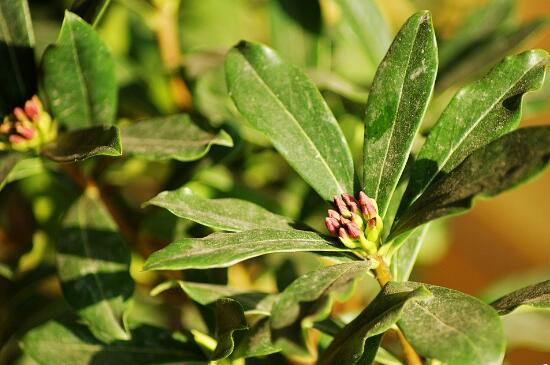
Although daphne is highly disease-resistant, under poor growing conditions and improper care, it can still suffer from pest infestations and occasionally diseases. The main pests to watch for are: aphids, red spider mites, scale insects, and earthworms; the diseases include: mosaic virus and root rot. So what should you do when daphne gets pests? It's simple - just identify the pest, then spray the appropriate pesticide to solve the problem.
II. Pest and Disease Control for Daphne
1. Aphids
Although daphne is not prone to pests, in the hot summer weather, if the environment is not ventilated, it can easily fall victim to aphids. These pests typically parasitize the leaves, sucking sap. Symptoms of infestation: daphne leaves turn yellow and dry up; in severe cases, the flowers lose their color and quickly wither.
Control method: After discovering aphids, if the quantity is small, you can manually remove them by brushing them off with a brush or small paintbrush and burying them in the potting soil; when aphids are numerous, you can spray with a 2000-3000 times dilution of 40% Kuailing wettable powder, which works especially well.
2. Red Spider Mites
When it comes to daphne getting pests, red spider mites are also something to watch for. They pierce the daphne leaves with their mouthparts and suck the sap, destroying the plant's chlorophyll, causing the leaves to show grayish-yellow spots or patches, become withered and yellow, and even drop off.
Control method: Regularly observe the flowers, and when the above symptoms are found, promptly check the undersides of the leaves. When only a few leaves are affected, remove the infested leaves; when many leaves are affected, spray early with acaricides such as propargite, dicofol, dimethoate, Huachongjing, or fenvalerate for control.
3. Scale Insects
Scale insects are one of the pests that all flowers hate, and daphne getting pests may well be due to them. These insects often cluster on branches, leaves, and fruit. The mouthparts of adults and nymphs insert into the leaf and branch tissues of the peace lily to suck sap, causing leaves to wilt and inducing sooty mold, doing great harm.
Control method: When scale insects are few, gently brush them off with a soft brush or wipe them clean with a cotton ball or loofah stem; when scale insects are numerous, you can use a 800-1000 times dilution of 40% omethoate, 50% malathion, or 80% dichlorvos emulsifiable concentrate, spraying once every 7-10 days for 2-3 consecutive times, which can effectively prevent scale insect damage.
4. Earthworms
Because daphne's root system has a sweet taste, it easily attracts earthworms. These worms wrap around the daphne roots, affecting the root system's normal absorption of water and nutrients, causing various growth problems for the plant.
Control method: Repot frequently, and when earthworms are found hiding in the potting soil, remove them; during routine care, avoid placing flower pots on bare ground to prevent earthworms from entering through the drainage hole at the bottom.
5. Mosaic Virus
Besides pests, daphne also occasionally suffers from diseases, one of which is mosaic virus, the most common disease of flowers. Symptoms: affected daphne leaves show discolored patches and become deformed, leading to poor flowering and stunted plant growth.
Control method: When diseased plants are found, promptly remove them to reduce the source of infection. In severe cases, spray the leaves with a 1200 times dilution of 50% thiophanate-methyl for disinfection to prevent spread.
6. Root Rot
In winter, if overwatering or poor drainage of the potting soil causes the soil to be too wet, or if unrotted organic fertilizer is applied, daphne is often prone to root rot. Symptoms: the roots and stems of daphne turn black and rot.
Control method: After discovering the above symptoms, cut away the rotten parts of the daphne, apply sulfur powder, then replace with fresh potting soil and replant. Afterward, move the pot to a ventilated, sunny spot, and before long the daphne will recover its health.
What to Do When Daphne Leaves Droop
1. Replace the Potting Soil
If you notice daphne leaves drooping, first check whether it's a soil problem and replace the soil promptly.
2. Trim the Roots
Drooping daphne leaves may also be caused by root problems, so you should check the roots, cut away the rotten roots, which can also improve the situation.
3. Growing Environment
Drooping leaves may also be caused by problems with the growing environment, because daphne prefers warmth, fears strong sunlight, likes shade, and fears cold. In summer, provide shade and shelter from rain; in winter, place it indoors in a sunny, sheltered spot.
4. Indoor Air
In daphne's living environment, avoid indoor coal smoke and cooking fumes. Also, it must not be exposed to freezing or excessive cold. If the air is not warm and clean enough, it may well affect its growth.
Since you're growing daphne, you need to do the work well, be diligent and dedicated in cultivating it so it can produce beautiful flowers. Also pay attention to pest control. There are many daphne varieties - let's learn about them below.
How to Propagate Daphne: Daphne Cutting Method / Cutting at Qingming Roots in 40 Days
The benefits of daphne - those who have grown it should know - it not only blooms beautifully but also gives off a captivating fragrance, and can even be used medicinally to treat various ailments. Such a plant is naturally propagated in large numbers, so how do you propagate daphne? The joy of growing flowers lies in doing it yourself. Below, the editor will introduce a daphne propagation method - let's take a look!
I. How to Propagate Daphne: Cuttings
When it comes to propagating daphne, there are many methods - sowing, layering, grafting, and cuttings all work. However, the first three have high requirements and slow results, so they are not suitable for widespread use; flower enthusiasts mostly use cutting propagation. Cuttings means selecting a segment of daphne branch as a cutting, inserting it into a cutting bed, and once it grows to a certain height, it can be divided and potted.
II. Daphne Cutting Method
1. Cutting Time
To achieve a high survival rate after cutting daphne, you first need to pick a good time. According to daphne's growth habits, it is suitable to do this at Qingming or before Lixia, or in autumn; the specific time can be chosen on a clear, sunny day.
2. Cutting Selection
In the daphne cutting method, the selection of cuttings is particularly important. If cutting in April-June, you should select healthy, current-year top shoots from the potted daphne as cuttings; if cutting in July-September, use thick, current-year semi-lignified branches as cuttings.
Cutting preparation: The cutting length is generally 5-7 cm; remove the lower leaves, and preferably keep 2-3 leaves at the top. After selecting the cuttings, tie them into bundles and soak them in a 50-100 mg/L NAA solution for one day.
3. Cutting Substrate
For the daphne cutting bed, it is best to use loose, well-draining acidic sandy mountain soil or fired soil.
4. Starting the Cuttings
With the above preparations done, the daphne cutting method can officially begin. Insert the treated cuttings into the prepared substrate, at a depth of 1/2 to 1/3 of their total length.
5. Aftercare
After cutting daphne, water moderately, keeping the substrate moisture content at around 20%, and move it to a spot with over 70% shade, keeping the cutting bed temperature at 25-30°C. After doing this, roots will form in about 40 days, after which apply diluted liquid fertilizer every 10-15 days. When the seedlings reach 10-15 cm in height, they can be divided and potted, then cared for normally according to daphne growing methods.
Overall, propagating daphne by cuttings is not difficult, but during transplanting you should note two things: first, if transplanting in summer, choose early morning, evening, or cool weather; second, the seedlings should retain more native soil, and the branches should be pruned and given proper shade to survive more easily. That's all for the daphne propagation method - I hope it helps everyone.