What to Do When Pilea Peperomioides Gets Pests? 3 Pest and 2 Disease Control Methods
As a beautiful foliage plant, Pilea peperomioides has many benefits. It not only looks good and purifies the air, but also has good medicinal uses, so it is often grown as a potted plant at home. However, when growing Pilea peperomioides indoors, for certain reasons, it can get pests and diseases. So what should you do when Pilea peperomioides gets pests? Below are several pest and disease control methods for Pilea peperomioides. Let's take a look together.
I. What to Do When Pilea Peperomioides Gets Pests
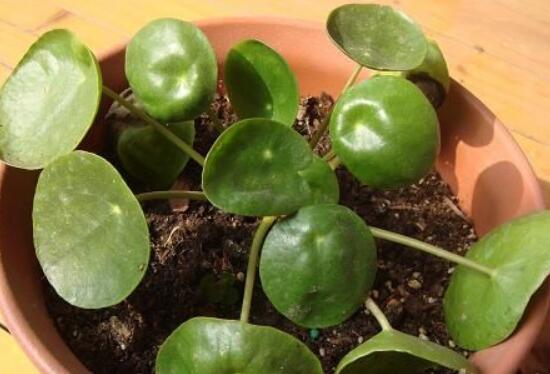
During the growth of Pilea peperomioides, for various reasons, the plant will inevitably suffer from pest and disease damage. According to research, the main pests and diseases include: scale insects, red spider mites, leaf spot disease, anthracnose, etc. They all harm the health of the plant. So once discovered, everyone should immediately spray pesticide for control. As for what pesticide to spray, let's continue reading below.
II. Pest and Disease Control for Pilea Peperomioides
1. Scale insects
When it comes to Pilea peperomioides getting pests, it is usually scale insects. Their appearance is caused either by failure to disinfect in time or by the breeding of insect eggs. These insects are small in size and often gather together. They mainly attack the leaves of the plant, affecting the plant's photosynthesis, which leads to yellowing of Pilea peperomioides leaves and detracts from its ornamental value.
Control method: If a small number of scale insects are found, they can be brushed off with a brush and then rinsed clean with water; when there are many scale insects, when there are many scale insects, a 1000-fold dilution of 40% omethoate solution can be used, sprayed once every 8 days, and 2 to 3 consecutive times can effectively control them.
2. Aphids
As a foliage plant, under improper care, Pilea peperomioides can also get aphids. These insects suck the sap from the stems and leaves, causing malnutrition in Pilea peperomioides. Moreover, aphids reproduce quickly. Once you fail to notice them, they will appear in large patches, looking very frightening, so timely control is necessary.
Control method: When there are few aphids, they can be brushed off with a brush dipped in water, and the brushed-off aphids should be promptly gathered and destroyed; when aphids are abundant, spray with a 40.7% emulsifiable concentrate diluted 1 000-2 000 times for control, spraying once every 7-10 days, and 3-4 consecutive times gives excellent results.
3. Red spider mites
When it comes to Pilea peperomioides getting pests, besides scale insects and aphids, red spider mites also commonly appear. When cultivated indoors, if ventilation conditions are poor, Pilea peperomioides often suffers from red spider mite damage. Although these insects are small, they can use their sharp mouthparts to suck nutrients from the leaves, thereby affecting the normal growth of Pilea peperomioides.
Control method: When red spider mites are found, spray with a 1000-fold dilution of dimethoate or a 1000-fold dilution of 20% dicofol emulsifiable concentrate for control, once every 5-7 days, and 2-3 consecutive times can completely eliminate them.
4. Anthracnose
Besides getting pests, Pilea peperomioides can also get diseases, among which the most common is anthracnose. It is generally caused by bacteria and easily occurs in hot and humid summers. This disease causes brown small spots to appear on Pilea peperomioides leaves, which then expand into round or oval shapes, and in severe cases the entire plant is damaged.
Control method: When diseased leaves are found, remove them immediately to reduce the source of disease; in the early stage of the disease, first open windows for ventilation to reduce indoor air humidity, then spray with a 800-1500 fold dilution of 50% thiophanate-methyl wettable powder for treatment, spraying once every 7-10 days, supplemented by a 1% equal-amount Bordeaux mixture, once every half month. After doing this, the disease can basically be cured.
5. Leaf spot disease
When the indoor temperature fluctuates greatly in a short period, or when too much water is given during the dormant period, Pilea peperomioides is also prone to leaf spot disease. Symptoms: Many small brown spots appear on the leaves of Pilea peperomioides, and in severe cases the spots spread across the entire leaf.
Control method: When the above symptoms are found, promptly remove the diseased leaves and destroy them in a centralized manner to reduce the source of disease; then use an 800-fold dilution of chlorothalonil for foliar spraying, once every 7-8 days, for 2-3 consecutive times, and it can basically recover.
What to Do When Pilea Peperomioides Leaves Turn Yellow: Supplement Light / Appropriate Shading / Spray with Pesticide for Pests and Diseases
Plant lovers should be familiar with Pilea peperomioides. Its leaves are large and round, very much like the mirrors used in ancient times, and growing it as a potted plant at home gives excellent ornamental value. Such a plant is naturally grown by many people at home, but during cultivation, many plant lovers' plants develop yellow leaves, affecting the ornamental value. So what should you do when Pilea peperomioides leaves turn yellow? Today the editor will help everyone solve this problem.
I. What to Do When Pilea Peperomioides Leaves Turn Yellow
If the yellowing of Pilea peperomioides leaves is caused by a sudden environmental change, just create the most suitable growing environment for it; if it is caused by insufficient light, then supplement light; if there is too much water, loosen the soil more, and if root rot appears, you also need to cut off the rotten roots, change the potting soil and replant; if it is caused by too low a temperature, adjust the temperature; if pests or diseases are encountered, spray pesticide promptly for control.
II. Causes and Solutions for Yellowing Leaves of Pilea Peperomioides
1. Sudden environmental change
When it comes to the causes of yellowing leaves in Pilea peperomioides, if it is a newly bought potted plant, everyone should consider environmental factors. Nowadays, most of the Pilea peperomioides potted plants bought by plant lovers are purchased online, which easily causes a large regional span, and the environment changes too much at once, so Pilea peperomioides cannot adapt for a while and its leaves turn yellow.
Solution: It is very simple. If a newly bought Pilea peperomioides develops yellow leaves, according to the growth habits of Pilea peperomioides, provide it with the most suitable growing environment, and after a period of time, the plant will recover its health.
2. Too little light
Although Pilea peperomioides is shade-tolerant, as a foliage plant, it also needs light. Once it is placed in a dark place for a long time, its leaves will turn yellow due to lack of nutrients from photosynthesis.
Solution: It is very simple, just supplement light, but avoid direct sunlight, especially in summer, be sure to provide shade to prevent the leaves from being scorched. The best method is to move the potted plant to a place with sufficient scattered light.
3. Too much watering
Pilea peperomioides likes a moist environment, and during cultivation we should water frequently. However, although Pilea peperomioides likes water, it is enough to keep the potting soil from drying out. Never water too much, otherwise water will accumulate in the pot, causing root rot, and its leaves will turn yellow because they cannot absorb nutrients.
Solution: Loosen the soil more, and move the potted plant to a ventilated sunny place so the water evaporates quickly; if it is discovered too late and the roots have rotted, you also need to take it out of the pot, cut off the rotten roots, then change the potting soil and replant.
4. Too low temperature
Pilea peperomioides likes a warm environment and is relatively cold-tolerant, but the overwintering temperature should be kept at 7°C, otherwise yellowing leaves, curling leaves, leaf drop, and even frost damage may occur.
Solution: After winter arrives, everyone should move Pilea peperomioides indoors for care, and it is best to keep the room temperature above 7°C.
5. Pests and diseases
If the above points can be ruled out, then the yellowing leaves of Pilea peperomioides may be caused by pests and diseases. Although Pilea peperomioides is not prone to pests and diseases, under improper care and poor ventilation, it can also suffer from pest damage and disease infection. And the appearance of these pests and diseases may cause the leaves of Pilea peperomioides to turn yellow.
Solution: It is very simple. Determine the specific pest or disease, then spray pesticide accordingly for control. As for what pesticide to spray, you can refer to the pest and disease control for Pilea peperomioides.
Overall, the cultivation method of Pilea peperomioides is not difficult, but because many plant lovers are beginners, symptoms of yellow leaves will inevitably appear. However, after reading the whole article, I believe everyone has a clearer idea now. When yellow leaf problems appear, just solve them according to the methods above. That is all the editor has to introduce about yellowing leaves of Pilea peperomioides, and I hope it can help everyone.