What to Do When Scadoxus Gets Bugs? 2 Pests and 2 Diseases and Their Control Methods
In the process of growing scadoxus, the last thing we want to encounter is pests and diseases. Such problems are extremely harmful to the plant, not only affecting the beauty of its form, but in severe cases even causing the plant to wither and die. So what should you do when scadoxus gets bugs? How should pest and disease control for scadoxus be carried out? Let's take a look together below.
I. What to Do When Scadoxus Gets Bugs: Find the Cause
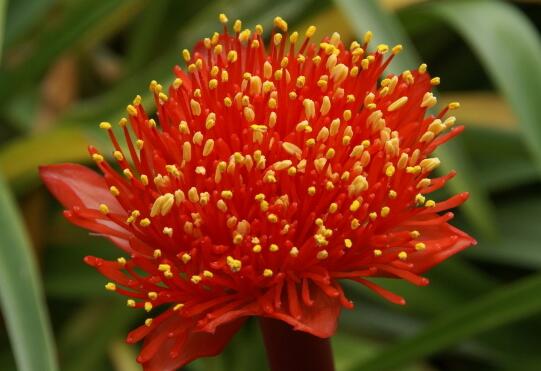
To know what to do when scadoxus gets bugs, we first need to understand what kind of bug it is, so that we can deal with it in a targeted way, because the treatment methods for each pest and disease are different. The details are introduced below, and friends troubled by this can take a look.
II. Pest and Disease Control for Scadoxus (Pests)
Slugs
Slugs, also known as leatherleaf slugs, are mollusks that look similar to a snail without a protective shell. They mainly threaten the leaves of scadoxus, gradually nibbling away at them, and eventually causing many wormholes to appear on the leaves, greatly affecting their appearance.
Control method: When dealing with this scadoxus pest, we can take advantage of its habit of crawling out to feed after watering, after rain, in the early morning, in the evening, and on cloudy days, and manually catch it by skewering it with wire.
Root-knot nematodes
Root-knot nematodes are a highly specialized omnivorous plant-pathogenic nematode. They are extremely harmful to the plant. At first, many red blighted spots appear on the leaves, and over time the leaves gradually fall off, and the plant also gradually dries up.
Control method: When dealing with root-knot nematodes, this scadoxus pest, we can use 10% ethoprophos or 5% isazofos to treat the plant. Generally, applying once every 5-7 days, 2-3 times can completely clear this pest.
III. Pest and Disease Control for Scadoxus (Diseases)
Rust
Rust is one of the more frequently occurring pests and diseases of scadoxus. This disease mainly threatens the plant's leaves, stems and fruits. When it occurs, many small blister spots appear on the affected parts, and in severe cases the blister spots densely merge into patches, and the plant rapidly withers and dies as a result.
Control method: When rust appears on scadoxus, we can use a 2000-fold dilution of 50% carboxin wettable powder to spray it. Generally, spraying once every 7-10 days, 1-2 times can bring about recovery.
Powdery mildew
Powdery mildew is a condition caused by infection with powdery mildew fungi. When it occurs, many white powdery disease spots appear on the leaves of scadoxus, and over time they gradually cover the entire leaf surface, causing the plant to be unable to carry out photosynthesis and gradually shrivel and die.
Control method: If we find symptoms of powdery mildew on the plant, we must deal with it immediately. When treating, we can use an 800-fold dilution of triadimefon spray to treat the plant. Generally, applying once every 7-8 days, and usually after three consecutive sprays it can basically recover.
What to Do When Weigela Gets Bugs: Pest and Disease Control for Weigela / 2 Pests and 2 Diseases
When growing weigela, the last thing we want to encounter is pests and diseases. Such problems are very harmful to the plant, not only affecting its ornamental value, but in severe cases even causing the plant to gradually wither and die. So what should you do when weigela gets bugs? And how should pest and disease control for weigela be carried out? Let's take a look together below.
I. What to Do When Weigela Gets Bugs: Find the Cause
To know what to do when weigela gets bugs, we first need to understand what kind of bug it is, so that we can deal with it in a targeted way, because the treatment methods for each pest and disease are different. The details are introduced below, and friends troubled by this can take a look.
II. Pest and Disease Control for Weigela: 2 Pests and 2 Diseases
1. Scale insects
Scale insects are a relatively common pest during the growth of weigela. They mainly threaten the leaves, branches and fruits of weigela, causing its leaves to gradually turn yellow and fall off, and in the end the whole weigela plant also gradually withers.
Control method: When dealing with this weigela pest, we can directly use a 1000-fold dilution of 40% omethoate emulsifiable concentrate to spray and kill it, and the effect is very good.
2. Longhorn beetles
Longhorn beetles are the collective name for insects of the family Cerambycidae in the suborder Polyphaga. Their harm to weigela is strongest during the larval stage. The larvae gradually bore into the plant, thereby hindering the plant's normal growth, reducing yield, weakening tree vigor, and shortening lifespan. In severe cases, they can also cause the plant to rapidly wither and die.
Control method: For this weigela pest, we can use 80% dichlorvos emulsifiable concentrate injected into the affected bore holes, then seal the bore holes tightly with yellow mud to kill this pest.
3. Leaf spot disease
Leaf spot disease is a disease that can appear in many plants, and weigela is no exception. When it occurs, many brown disease spots appear on the plant's leaves and gradually spread, eventually causing the plant to gradually dry up and die.
Control method: For this weigela pest and disease, we can use an 800-1000-fold dilution of 38% oxathiapiprolin or 400-600-fold 80% mancozeb to spray the diseased plant. Generally, once every 10-15 days, 1-2 times is enough for recovery.
4. Rust
Rust is a disease that appears in many plants, and weigela is no exception. This disease mainly threatens the plant's leaves, stems and fruits. When it occurs, many small blister spots appear on the affected parts, and in severe cases the blister spots densely merge into patches, and the plant rapidly withers and dies as a result.
Control method: When controlling this weigela pest and disease, we can use a 400-600-fold dilution of 20% carboxin emulsifiable concentrate spray to spray weigela. Generally, spraying once every 15 days or so, after 2-3 times it can recover.
What to Do When Paperbush Gets Bugs: Pest and Disease Control for Paperbush / 2 Pests and 2 Diseases
In the process of growing paperbush, the last thing we want to encounter is pests and diseases. Such problems are extremely harmful to the plant, not only affecting the beauty of its form, but in severe cases even causing the plant to wither and die. So what should you do when paperbush gets bugs? And how should pest and disease control for paperbush be carried out? Let's take a look together below.
I. What to Do When Paperbush Gets Bugs: Find the Cause
To know what to do when paperbush gets bugs, we first need to understand what kind of bug it is, so that we can deal with it in a targeted way, because the treatment methods for each pest and disease are different. The details are introduced below, and friends troubled by this can take a look.
II. Pest and Disease Control for Paperbush
1. Noctuid moths
Noctuid moths are a type of phytophagous pest in the order Lepidoptera. They mainly harm the leaves of paperbush. Their larvae feed on plant leaves, often eating all the host's leaves, seriously affecting tree growth and ornamental value.
Control method: The main damage period of noctuid moths is from July to September each year, so everyone must pay special attention at this time. For this paperbush pest, we can directly use 2.5% trichlorfon powder to spray and kill it.
2. Red spider mites
Among the pests and diseases of paperbush, red spider mites are a relatively common one. Their peak period is every summer, so everyone must pay special attention at this time. When this pest appears, the plant's leaves gradually turn yellow and pale, and if left untreated for a long time, it can also cause the plant to wither.
Control method: When dealing with this red spider mite pest, we can directly use a 1000-1500-fold dilution of 40% dicofol emulsifiable concentrate to spray and kill it. Generally, three consecutive sprays can completely kill this pest.
3. Southern blight
Southern blight mainly harms the root and stem parts of the plant. When it occurs, many white hyphae appear at the root and stem, then gradually spread, eventually causing paperbush to become dehydrated and thus head toward withering and death.
Control method: For this disease, we need to carry out root drenching treatment. Generally, a 1000-fold dilution of quintozene can be used. If discovered in time, it can basically recover.
4. Leaf blight
Leaf blight is a relatively common disease of paperbush, mainly threatening its leaf margins, leaf tips and other areas. When it occurs, many irregularly sized disease spots appear on the leaves and gradually spread over time, eventually causing the plant to wither and die.
Control method: When dealing with leaf blight, we can use a 1000-fold dilution of 50% thiophanate to spray the plant. Generally, once every 10 days or so, after 1-2 times it can recover.