How to Propagate the Ginseng Ficus? Detailed Guide to Cutting, Layering and Seed Propagation
The ginseng ficus (Ficus microcarpa) is an ornamental plant with a peculiar shape. Its roots are unusually well developed and often emerge above the soil surface, looking very much like ginseng, which is where its name comes from. In daily life, many plant lovers want to grow a ginseng ficus, but rather than buying one to grow, it is better to plant one yourself, and this requires us to master the propagation methods of the ginseng ficus. So how do you propagate a ginseng ficus? Follow the editor and take a look!
I. How to Propagate the Ginseng Ficus: Cuttings / Seeds
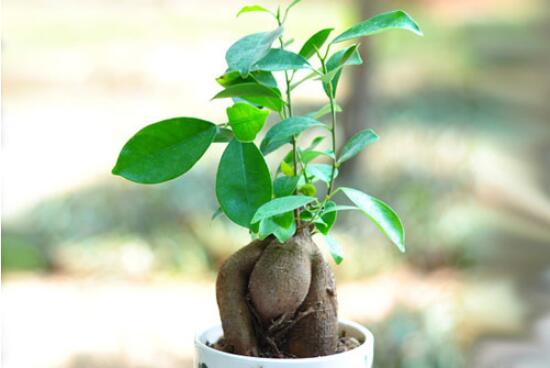
If you are a beginner grower, then mastering the care methods for the ginseng ficus is enough; but if you are an old hand, besides knowing how to grow it, you should also know how to propagate it, which not only adds to the fun of growing plants but also lets you turn one pot of ginseng ficus into many. As for how to propagate the ginseng ficus, there are three commonly used methods: cuttings, layering and seed sowing. Let's take a look at the specific operations.
II. Three Propagation Methods for the Ginseng Ficus
(1) Cutting Propagation Method for the Ginseng Ficus
1. Cutting time: March in the south, early May in the north; softwood cuttings are mostly used, and the survival rate can reach over 95%.
2. Selection of cuttings: From a healthy, growing potted ginseng ficus, select one-year-old branches, cut them to a length of 15-20 cm, and keep 1-2 leaves as the cutting.
3. Starting the cuttings: Insert the cuttings into prepared plain sandy soil, place them in a shady spot, and spray water 1-2 times a day to raise air humidity. Be careful to protect them from wind; roots will gradually form after 20 days.
(2) Layering Propagation Method for the Ginseng Ficus
The fastest propagation method for the ginseng ficus is cuttings, but if the branches are highly flexible, layering can be used instead. The specific steps are as follows:
Next to the mother ginseng ficus plant, place a large flower pot filled with potting soil. Then, on the mother plant, choose a branch with good shape and good flexibility, bend it down and bury it in the new pot, and press the branch down with a stone. Generally speaking, after 2 months you can cut it off from the mother plant, and the branch will slowly grow into a larger potted plant.
(3) Seed Propagation Method for the Ginseng Ficus
When it comes to how to propagate the ginseng ficus, the best method is still sowing seeds; it is the propagation method most favorable for root development and growth. Note that ginseng ficus seeds must be collected, processed and sown right away. The specific steps are as follows:
From the ginseng ficus, collect ripe pinkish-red berries, wrap them well in cotton gauze, then rub and wash them in clean water until they become a mushy pulp. After drying for 2-3 days, sow them directly in a prepared sand bed or flower pot without covering with soil. After sowing, spray clean water 1-2 times a day to keep the bed surface moist. At a temperature of 25-30°C, they will gradually sprout 10 days after sowing.
In general, when propagating the ginseng ficus, whether by cuttings, layering or sowing, it can survive, but the methods most suitable for home propagation are still cuttings and sowing. Of course, methods are fixed but people are flexible; everyone can choose a method to propagate according to their actual situation. That is all the editor has to introduce about ginseng ficus propagation methods, and I hope it can be of help to everyone.
How to Grow a Potted Ginseng Ficus and Its Propagation Methods
The ginseng ficus is cultivated from seedlings of the Chinese banyan (Ficus microcarpa) and is an evergreen tree plant of the genus Ficus in the mulberry family. Its potted plants have been transplanted all over the world. Its roots resemble ginseng, its form is natural, its root plate is exposed, its crown is lush, and its charm is unique. Appreciating its posture and shape is full of interest and delights the heart, and it is deeply loved by consumers around the world. Let's take a look below at how to grow a potted ginseng ficus!
Growth Habits of the Ginseng Ficus
The ginseng ficus has amazing vitality and can grow in any environment and any soil type, even clinging to rocks or soil-retaining walls. It is salt-tolerant, likes light and a warm, humid climate, and tolerates waterlogging. It grows slowly and has a broad, dense crown and branches. Its growing temperature is 18-33°C; in winter it must not go below 10°C, and below 6°C it is highly susceptible to freeze damage. It likes a warm, humid environment; in spring and autumn it can be placed in a spot with appropriate light, and in summer it should be placed where there is no direct sunlight. Watering should follow the principle of watering when dry and letting it dry somewhat between waterings, and the potting soil should often be kept moist.
Propagation Methods for the Ginseng Ficus
1. Sowing: Ginseng ficus seeds must be collected, processed and sown right away. First wrap the ripe berries well in cotton gauze, rub and wash them in clean water until they become a mushy pulp, dry for 2-3 days, then sow directly in a prepared sand bed or flower pot by broadcasting, without covering with soil. Spray clean water 1-2 times a day to keep the bed surface moist. At a temperature of 25-30°C, they will gradually sprout 10 days after sowing.
2. Cuttings: When mass-propagating seedlings in South China and Southwest China, softwood cuttings are mostly taken in open-field seedbeds during the rainy season, and the survival rate can reach over 95%. In the north, in early May, one-year-old plump, full branches can be collected and cut in flower pots, wooden boxes or seedbeds. That is, cut the branches into sections of 3 nodes each, keep 1-2 leaves at the tip, insert them into plain sandy soil, and maintain them in shade. Spray water 1-2 times a day to raise air humidity, and be careful to protect them from wind; roots will gradually form after 20 days.
3. Layering: To cultivate large seedlings of the ginseng ficus, you can take advantage of the flexibility of large branches for layering. First place a large flower pot filled with potting soil near the mother plant, then choose a large side branch with good shape, bend it down and bury it in the pot, and press a stone on top. The buried part will root without needing to be wounded; after 2 months, cut it away from the mother plant and it will form a larger potted plant.
How to Grow a Potted Ginseng Ficus?
1. Soil: For growing a ginseng ficus bonsai, river sand or sandy soil is best. In order to make the roots of the ginseng ficus large and fat, a little fertilizer should be added, and a fertilizer with a higher ratio of phosphorus and potassium can be used. When cultivating the ginseng ficus, be sure to use seed sowing so that fat roots can be grown.
2. Temperature: The best growing temperature for the ginseng ficus is between 18-33°C, so in winter and summer you need to pay attention to sun protection and freeze protection. Especially in winter, the temperature must not be too low, otherwise losing leaves is a minor matter and it may even freeze to death.
3. Watering: The ginseng ficus can be kept with slightly moist potting soil, but it must never become waterlogged. All flowers and plants must not become waterlogged, so the number of waterings should be controlled, and water again when the potting soil is dry (dry does not mean very dry; do not go to extremes).
4. Fertilizing: The ginseng ficus does not like heavy fertilizer; a small amount of compound fertilizer (slow-release fertilizer) can be applied once each season. The main components of the fertilizer are nitrogen, phosphorus and potassium. Fertilize 3 to 4 times a year, and do not overdo it, otherwise it easily causes excessive growth of branches and leaves and ruins the plant's composition and shape.
5. Repotting: The ginseng ficus can be repotted once every 2 years, and the best time is before it is moved outdoors in spring. Pry open the soil around the flower pot, take out the large tuberous-root plant, remove part of the old soil, and replant it with fresh, fertile, loose, well-draining, nutrient-rich potting soil.
6. Pruning: When repotting the ginseng ficus, prune and adjust the branches and leaves appropriately so that it can continue to maintain a good plant shape. Right after changing the soil, do not water too much; wait until the temperature rises above 20°C, then give normal water and fertilizer management.
Precautions for the Ginseng Ficus
1. A newly bought ginseng ficus, on the one hand, has to adapt to a new environment, and on the other hand, it may also have been newly planted by the seller, so losing leaves at the beginning is normal. Therefore, after buying it and bringing it home, let it first settle into the pot, and only after it has settled in should you consider management methods such as sun exposure and fertilizing.
2. Do not move a potted ginseng ficus around casually. After choosing a good position, apart from watering or occasionally tending to it, do not fuss over it three times a day.
3. The ginseng ficus needs attention to ventilation. Because it tolerates partial shade, some plant lovers grow it indoors, which leads to poor indoor air circulation and causes the ginseng ficus to lose its vitality.
4. The ginseng ficus needs attention to pruning. The reason it looks good is because of its good tree shape. If it is not pruned for a long time, it will grow wild and lose its ornamental value, so pruning is necessary, and it can be done every spring.
What to Do If the Leaves of the Ginseng Ficus Turn Yellow?
1. Overwatering
[Cause] Overwatering causes water to accumulate in the potting soil and remain wet for a long time, resulting in a lack of oxygen in the soil, which causes some fibrous roots to rot. As a result, the ability to absorb water and fertilizer weakens, causing the young leaves of the ginseng ficus to turn pale yellow, and the variegated leaves also gradually turn dark yellow one after another.
[Solution] If overwatering occurs, once discovered, watering should be controlled immediately, fertilizing should be stopped, and the soil should be loosened frequently so that the potting soil is well aerated.
2. Underwatering
[Cause] Too little watering, or long-term half-watering or missed watering, makes the water evaporation from the leaves greater than absorption, causing water supply to fall short of demand, which can also cause the leaves to turn yellow.
[Solution] If underwatering is found, immediately move the flower pot to a shady place, spray some water on the leaf surface, and water a small amount.
3. Overfertilizing
[Cause] Especially when too much nitrogen fertilizer is applied while phosphorus and potassium fertilizer are lacking, it easily causes the leaves to turn yellow.
[Solution] If too much fertilizer has been applied, fertilizing should be stopped immediately, the amount of watering should be increased so that the fertilizer flows out through the drainage holes, or the pot should be turned out immediately, part of the old soil removed, the root ball washed with water, part of the soil replaced with new potting soil, and the plant replanted in the pot.
4. Insufficient Fertilizing
[Cause] Insufficient fertilizing, or long-term failure to apply nitrogen fertilizer or change the potting soil, leads to a lack of nitrogen nutrition in the soil, causing the branches and leaves to become weak and the leaves to be thin and yellow.
[Solution] If fertilizing has been insufficient, the pot should be turned out in time, the plant taken out, replaced with a pot one size larger, filled with new loose and fertile potting soil, replanted well, watered thoroughly, and then placed in a half-lit place to recover.
5. Light Level
[Cause] Although the ginseng ficus likes a sunny environment, if it is kept for a long time in a place with strong direct light, it is very easy to cause the young leaf buds or leaf edges to scorch or the entire leaf to turn yellow. Keeping it for a long time indoors in a place with insufficient light will also cause weak growth and thin, yellow leaves.
[Solution] When growing the ginseng ficus, it usually needs to be placed outdoors in a sunny or half-lit spot, and after flowering it can be moved indoors for viewing.
6. Pests and Diseases
[Cause] Pests and diseases are rare on the ginseng ficus, with occasional damage by scale insects, but if you do not pay attention, over time the pests and diseases will run rampant, which will also cause the leaves to turn yellow and, more seriously, the leaves to fall off.
[Solution] When pests and diseases occur, they should be brushed off by hand immediately, and management should also be carried out in these aspects: reducing watering, maintaining shade, spraying more water on the leaf surface, softening the water quality, and reducing fertilizing.
How to Propagate the Ginseng Ficus? What Propagation Methods Are There?
Image: Ginseng ficus
[Common Questions]How to Propagate the Ginseng Ficus? What Propagation Methods Are There?
[Expert Answer]The ginseng ficus is a relatively common bonsai plant. It has a special shape and form and extremely high ornamental value, and is often used for landscape bonsai planting indoors and in courtyards, etc. The propagation methods of the ginseng ficus mainly include three types: cuttings, layering and sowing. The propagation methods of the ginseng ficus are introduced as follows:
I. Cutting Propagation
The season for cutting propagation of the ginseng ficus depends on the specific region. Generally, cuttings are taken in March in the south and in early spring in the north.
The specific steps of cutting propagation are:First, it is best to select one-year-old robust and thick branches as cuttings, keep a few leaves on them, then cut them into sections of 15 cm-20 cm, and insert them into plain sandy soil, tending them carefully and keeping them moist and shaded. When the ambient temperature is kept between 25-30, they can sprout very quickly, and the survival rate is extremely high. After the plant has rooted, it can be moved to a nursery for growing. Cutting propagation grows fast and branches abundantly, and is a relatively commonly used propagation method for the ginseng ficus.
Image: Ginseng ficus
II. Layering Propagation
Layering propagation of the ginseng ficus has very high requirements for branch flexibility; the large branches of the banyan must be soft.
The specific steps of layering propagation are:First prepare a flower pot filled with potting soil and place it next to the mother plant, then press a qualifying side branch into the flower pot, press a stone on top of it, let it grow normally, and strengthen care. After two months, it can be cut away from the mother plant. In addition, you can also select branches on the crown of the mother plant for air layering; this operation is simpler and the shape forms faster.
III. Seed Propagation
Seed propagation of the ginseng ficus requires collecting the berries in advance, then rubbing, washing and drying the berries before sowing.
The specific steps of seed propagation are:Scatter the seeds and berry residue on prepared fertile, loose potting soil without covering with soil, then ensure sufficient sunlight and spray water frequently. In this way, they will quickly sprout and root.
[Editor's Summary]The above is an introduction to the propagation methods of the ginseng ficus. Watching a potted plant you propagated yourself grow bit by bit is a very fulfilling thing. I hope the introduction above can be of help to everyone!