How to deal with yellowing leaves on a Ming aralia? Adjust light, water and fertilizer, and spray to prevent pests and diseases
As a recently popular foliage plant, the Ming aralia (Polyscias fruticosa) has many benefits, but what people value most is its ornamental value, especially those evergreen leaves that lift your mood the moment you look at them. So when these beautiful leaves turn yellow, flower lovers must be very anxious! So what should you do when the leaves of a Ming aralia turn yellow? Today the editor will help you solve this problem.
I. What to do when the leaves of a Ming aralia turn yellow
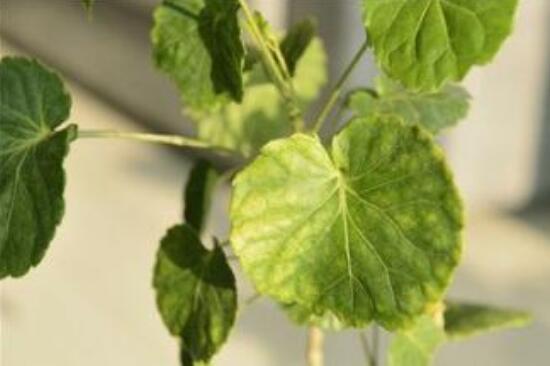
When it comes to yellowing leaves on a Ming aralia, apart from unsuitable environment, it is caused by improper care: if there is too little or too much light, the leaves will turn yellow, and you just need to supplement light or shade it in time; if it is caused by improper water and fertilizer, water and fertilize reasonably, neither too much nor too little; if it is caused by pests and diseases, spray in time for prevention and control.
II. Causes of yellowing leaves on a Ming aralia and solutions
1. Sudden environmental change
As for what to do when the leaves of a Ming aralia turn yellow, there are generally many causes of yellowing leaves, but the first thing everyone thinks of should be environmental problems. Nowadays, flower lovers buy their potted Ming aralias online, which easily leads to a large regional difference, a relatively big change in the environment all at once, and the plant cannot adapt for a while, thus showing symptoms of yellow leaves.
Solution: Very simple, according to the growth habits of the Ming aralia, provide it with the best growing environment, and after caring for it for a period of time, it will recover its health.
2. Unsuitable light
① Insufficient light: The Ming aralia likes light and needs enough light during growth. Once it is placed in a shaded spot for cultivation, over time the Ming aralia will be unable to absorb the light needed for growth, and its leaves will wilt and then turn yellow. Solution: Very simple, place the Ming aralia in a place with sufficient light and good ventilation, and be careful to avoid direct strong light in summer.
② Too much light: Although the Ming aralia needs sufficient light, it dislikes strong light. Once the light is too abundant, or it is exposed to direct strong light, its leaves are easily sunburned, resulting in yellow leaves. Solution: Immediately move the Ming aralia to a ventilated place indoors, water it appropriately, then care for it carefully for a period of time, and then slowly let it receive light; before long the leaves will regain their luster.
3. Overwatering
The Ming aralia likes moisture but dislikes waterlogging, so just water it appropriately, not too much. Once it is overwatered and water accumulates in the pot, the plant's root system will have trouble breathing, the leaves will not get nutrients, and over time it is no wonder the Ming aralia's leaves turn yellow.
Solution: If discovered in time, loosen the soil more to let the water evaporate quickly; once root rot appears, you should also take the plant out of the pot, then cut off the rotten roots, replace with new potting soil and replant.
4. Too much or too concentrated fertilizer
The Ming aralia likes fertilizer, and sufficient nutrients can make it grow with luxuriant branches and leaves. But although it likes it, there is still a limit. Once you fertilize the Ming aralia too much, or too concentrated, it will burn the plant's roots, which in turn causes the Ming aralia's leaves to turn yellow.
Solution: Immediately stop fertilizing, then use water to dilute the concentrated fertilizer already applied, and be careful to flush several times; if the roots have already been burned and rotted, then take it out of the pot, cut off the rotten roots, replace with new potting soil and replant.
5. Pests and diseases
During the process of growing a Ming aralia, due to improper care or a poor environment and other reasons, the plant will attract pests and diseases. Their appearance not only harms the plant's health, but also easily causes the leaves to turn yellow.
Solution: If the yellow leaves are caused by pests and diseases, you only need to determine the specific disease or pest, and then spray accordingly for prevention and control. As for what to spray, you can refer to the pest and disease control for Ming aralia.
Overall, the cultivation method of the Ming aralia is not difficult, but because many flower lovers are beginners, symptoms of yellow leaves will inevitably appear. However, after reading the whole article, I believe everyone has a clearer idea. When the yellow leaf problem appears, just solve it according to the above methods. That is all the editor will introduce about yellowing leaves on the Ming aralia, hoping it can help everyone.
Identification and prevention of freezing and chilling injury in flowers and trees
For potted or field-grown flowers and trees, a sudden cold wave moving south in late autumn and early winter, or the sudden arrival of the "first frost," can easily cause the plants to suffer chilling injury or freezing injury; in spring, when potted flowers are moved out of the house or when the covering film is removed from facility-cultivated flowers and trees, suddenly encountering a late-arriving "late frost" or "late spring cold" may also very likely cause the plants to suffer chilling injury or freezing injury again. Whether it is large-scale production cultivation or a small number of potted plants kept by flower enthusiasts, the prevention of cold damage must be taken highly seriously, otherwise it will bring you serious losses and long-lasting "regret."
Cold damage is a physiological disease, not an infectious disease induced by the harm of pathogenic bacteria. It generally refers to damage caused by low temperature acting directly on the plant, including chilling injury and freezing injury, and does not include indirect winter drought, frost heaving and other winter damage.
Winter drought and frost heaving are indirect damage caused by low temperature. Winter drought refers to: some evergreen flowers, under certain special weather conditions in winter, such as encountering persistent and strong wind sweeping or encountering an not-too-cold but very sunny clear day, have a relatively high transpiration rate, but because the soil temperature is relatively low, the roots absorb water slowly, and the water in the body cannot maintain a normal balance, causing tissues such as leaves to dehydrate, dry out and suffer damage; its essence is a kind of drought damage; for example, the leaves of banksia rose and jasmine suddenly dry up on dry, cold, clear days. Frost heaving refers to: when melted snow water seeps into the soil and freezes again, some plants, especially seedlings or herbaceous flowers, are often lifted up together with the frozen soil, thus destroying the close contact between the root system and the soil, and even tearing the root mass apart; before the root system has time to recover, it then encounters weather conditions that promote strong transpiration, causing the plant to wither and die. For example, wintersweet planted in flower pots, placed in a very cold and shaded place in winter, because the potting soil is relatively wet and freezes, lifts the root ball so that it separates from the pot wall; if this is not discovered in time and it is not replanted properly, or moved to a relatively warm environment, it is also very likely to die from root exposure and water loss, ultimately leading to the death of the plant.
I. Types and causes of cold damage
Because the causes of cold damage differ, the degree of harm caused also differs. The difference between cold damage and general infectious diseases lies in: first, it is not contagious, and no pathogens appear in the damaged parts; second, the same kind of flower and tree placed in the same environment often shows disease overnight at the same time, and the tender shoots and new leaves are the most severely affected; third, it occurs under low temperature or particularly cold weather conditions, and the degree of harm caused is related to the species of flower and tree, the length of time the low temperature lasts, the speed at which the temperature rises, and the lower limit of the low temperature.
Chilling injury in Calathea
Chilling injury in poinsettia
Chilling injury in miniature Monstera deliciosa
Chilling injury in petunia
Chilling injury in Syngonium podophyllum
Chilling injury in Dieffenbachia 'Marianne'
1. Causes of chilling injury
Some ornamental plants native to tropical or subtropical regions, after being affected by low temperatures above freezing (0°C~5°C or a bit higher) for several days or even just a few hours, suffer severe damage to or death of the plant's tissue structure. This kind of cold damage that does not reach the degree of freezing inside the tissues is called "chilling injury," and is damage formed because normal metabolism within the cells is disturbed, damaged and tends toward disorder, producing toxic substances. The different physiological activities and metabolic processes of the plant each have their own maximum, minimum and optimum temperatures. When the environmental temperature changes, their physiological activities and metabolic processes will all be affected to different degrees; if it exceeds a certain range, it will destroy the coordination among them and produce large amounts of substances that would not be produced and accumulated under normal conditions. Further research found that under conditions of chilling injury, the rate of protein hydrolysis increases by 4~9 times compared with normal conditions; nucleic acid metabolism is also severely disturbed; in addition, temperature drop also affects the oxidative activity of sensitive mitochondrial membranes in plant cells.
From this it can be seen: first, the ornamental plant species that suffer chilling injury are usually plants native to tropical or subtropical regions; second, the temperature condition for chilling injury is damage from low temperatures above freezing; third, the time that causes chilling injury varies from long to short, usually several days, or even just a few hours. Generally in late autumn and early winter or early spring, sudden changes in temperature are most likely to cause chilling injury in flower-viewing and foliage plants native to tropical or subtropical regions. It usually manifests as overly tender new shoots and young leaves "turning purple," "turning brown," "turning yellow," "wilting," "necrosis," etc., such as frost-hit scarlet sage, Rhoeo discolor, kalanchoe, bougainvillea, purple bamboo leaf, etc., all belonging to this category.
Chilling injury in Dracaena fragrans 'Massangeana'
Chilling injury in Pelargonium
Chilling injury in Syngonium 'Pixie'
Chilling injury in mosquito plant
Chilling injury in Ficus microcarpa
Chilling injury in Philodendron 'Imperial Green'
Chilling injury in Spathiphyllum
Chilling injury in Peperomia argyreia
Chilling injury in Tradescantia
Chilling injury in Dieffenbachia
Chilling injury in Schefflera
2. Causes of freezing injury
Freezing injury refers to damage caused by ice formation inside the tissues of ornamental plants when they are in an environment below 0°C, or encounter prolonged ultra-low temperatures.
There are two situations in which ice crystals appear inside plant tissues: one is freezing inside the cells, and the other is freezing between the cells. The former refers to when plant tissues freeze very quickly, ice crystals form in the vacuoles and protoplasm, destroying the structure of the protoplasm and causing protein denaturation, and some membranes within the protoplasm are also torn, usually leading to the death of the tissue; therefore the result of this kind of "freezing injury" is very serious and irreversible. For example, in early winter when a cold wave from the north suddenly moves south, causing a large temperature drop in a short time, the winter of 2004 caused a large number of foliage plants in southern China to die from freezing injury; in early December 2005, the temperature in the Hefei area suddenly dropped from 12°C~15°C to -3°C~-5°C, causing severe freezing of the leaves and young stems of a large number of field-grown magnolia family trees, such as Magnolia guinanensis, Michelia yunshanensis, Manglietia insignis, Manglietia ruyuanensis, etc. The latter refers to when, as the environmental temperature gradually drops, ice crystals gradually form inside plant tissues. Because the concentration of the solution in the intercellular spaces is generally lower than that of the protoplasm and vacuolar fluid, when the cooling rate is not too fast, the water in the intercellular spaces reaches freezing point and freezes before the inside of the cells; the formation of ice crystals also causes water in the protoplast to move outward, thereby causing concentration of cell sap, dehydration of protoplasm, protein precipitation, degeneration of cell membranes, and rupture of cell walls; when ice crystals form in the intercellular spaces, whether the cell tissue is killed depends on the freezing resistance of the cells and the speed and number of times of freezing and thawing; one of the mechanisms of freezing injury is protoplasmic dehydration, and its consequence is the same as dehydration under drought conditions, namely that due to mechanical stress produced by deformation of the cell wall, the structure of the protoplasm suffers irreversible damage; after the cell sap is concentrated, the concentration of salt ions and organic acids increases, which may also poison the protoplasm. The severity of freezing injury is related to the speed of freezing; the faster the freezing, the more severe the damage, because when freezing is fast the possibility of intracellular freezing is greater; if freezing is limited only to the intercellular spaces, then the faster the freezing, the faster the cells lose water and shrink, and the greater the destructive effect of the resulting mechanical stress. The serious consequences of freezing injury are also related to the speed at which the frozen tissue thaws. Generally, in the case of intracellular freezing, tissue necrosis is inevitable, regardless of the thawing speed; while in the case of intercellular freezing, the faster the thawing, the greater the damage, because the cell wall rapidly absorbs the water produced by thawing ice and expands, but the protoplasm attached to the cell wall absorbs water slowly, so it is torn and damaged. For example, after red bell flower and bougainvillea suffered severe freezing, because the temperature rose rapidly, the bark was torn and the plants died.
II. Specific manifestations of cold damage in ornamental plants
1. Blackening of xylem
Among the various tissues of mature branches of woody flowers, the cambium is the most cold-resistant, followed by the cortex, while the xylem and pith are the least cold-resistant. Therefore, mild freezing injury shows only discoloration of the pith, moderate freezing injury shows discoloration of the xylem, and only severe freezing injury freezes and damages the phloem. If the cambium in the stem or branch becomes discolored, it will lose its ability to recover, possibly leading to the death of the whole plant.
2. Cracking and necrosis of dry bark
Some flower and tree species native to tropical and southern subtropical regions with relatively high water content in the dry bark, such as Chinese hibiscus, red bell flower, Fagraea ceilanica, cinnamon, money tree, crown of thorns, Ficus microcarpa, etc. When the environmental temperature drops to around -3°C, not only will the leaves and branches freeze to death, but even the outer bark of the stem, especially the root crown area, will also crack and necrose due to water in the tissues forming ice crystals and expanding in cold and contracting in heat, and even the whole plant may die.
Chilling injury in Michelia alba
Chilling injury in purple bamboo grass
Chilling injury in Anthurium
Chilling injury in Alocasia
Chilling injury in kalanchoe
Chilling injury in Philodendron 'Golden Empress'
Freezing injury in Euphorbia neriifolia
3. Changes in the color of tender shoots and new leaves
The first is "turning yellow." In cold seasons, because the temperature is too low, the leaves of some flowers that require relatively high overwintering temperatures will also turn yellow due to cold damage, or even fall off, such as Anthurium, spider plant types, trailing pothos, Peperomia argyreia, etc.; the second is "whitening." For example, spider plant, amaryllis, Tradescantia zebrina, etc., placed or planted in the open, when encountering relatively low temperatures, the new shoots and tender leaves will lose their original luster and show the abnormal change of "whitening and loss of green"; the third is "scorching." The new shoots and tender leaves of some ornamental plants, due to damage such as frost, show "scorching" on the new leaves, such as spider plant, clivia, Japanese aralia, etc.; the fourth is "turning purple." Some ornamental plants, when encountering low temperatures, show "purpling and browning" at the leaf tips or leaf margins, such as Zamioculcas zamiifolia, Cymbidium sinense, camellia (new leaves), etc.
4. New shoots and tender leaves look as if scalded by boiling water
Some ornamental plants with relatively high water content in leaves, new shoots or stems, including some succulents, such as pothos, Fagraea ceilanica, Chinese hibiscus, Rieger begonia, Aptenia cordifolia, clivia, Alocasia, aloe, kalanchoe, Rhapis excelsa, Canary Island date palm (seedlings), Washington fan palm, Zamioculcas zamiifolia, Spathiphyllum, etc., when the environmental temperature suddenly drops from 5°C~8°C to below -3°C~-5°C and lasts for a relatively long time, their newly sprouted tender branches and leaves look as if scalded by boiling water or boiled, all die in a short time, and the dry bark cracks and peels off.
5. Browning, drying and necrosis of new shoots and tender leaves
The new shoots and tender leaves of some underdeveloped ornamental plants, such as Ficus microcarpa, Mahonia, Japanese aralia, oleander, money tree, Cycas, etc., look as if burned by fire, very unsightly.
6. Necrosis and hollowing of the plant body
Generally, succulents, after encountering freezing injury, often become shriveled and hollow, with the whole plant necrosing. Such as cactus balls, cacti, Euphorbia, three-angled arrow, etc.
III. Prevention and treatment of cold damage in ornamental plants
1. Prevention of cold damage in ornamental plants
(1) Choose relatively cold-resistant flower species
Flower enthusiasts should choose foliage, flowering or fruit-viewing flower and tree species according to the lowest temperature in normal years in your area or the highest room temperature that can be maintained at home in winter (generally 5°C~6°C); in ordinary homes in the Yangtze River basin, under conditions without heating equipment, you can choose camellia, sasanqua, jasmine, Michelia alba, clivia, Belgian azalea, plum blossom, wintersweet, finger citron, bitter orange, Anthurium, sago palm, etc., and cannot choose croton, Calathea types, Fittonia, desert rose, Hypoestes, Ming aralia, Phalaenopsis, Dieffenbachia 'Marianne', Syngonium podophyllum, Zamioculcas zamiifolia, etc.
(2) Carry out cold resistance training in stages
For generally potted Japanese white pine, black pine, Japanese red pine, Huangshan pine, papaya, Chinese elm, trident maple, plum blossom, camellia, ginkgo, Chinese juniper, Oriental arborvitae, Chinese juniper, etc., you may consider overwintering them in the ground. It is best to wait until their growth for the year has ended, then carry out freezing resistance training in several stages. The first stage is 0°C~6°C, requiring several days to several weeks, with sufficient light; for evergreens, this can make the starch in the leaves convert into sugar and large vacuoles divide into several small vacuoles, and some fatty tree species can convert starch into fat; the second stage is -3°C~-5°C, in which the fine structures and enzymes in the protoplasm reorganize, enabling their cells to endure dehydration caused by freezing; the third stage is between -10°C~-15°C, enabling the protoplasm to gain relatively strong freezing resistance, thereby getting through the cold winter. And some non-cold-resistant succulent plants, such as if placed on a balcony or maintained in the open for a long time, have a process of gradual adaptation; species like rat-tail cactus, Haworthia, Sedum, gemstone flower, etc., can be raised from resisting a low temperature of 0°C to resisting a low temperature level of -5°C~-7°C.
Freezing injury in amaryllis
Freezing injury in camellia
Freezing injury in Areca palm
Freezing injury in king coconut
Freezing injury in aloe
Freezing injury in Schefflera
Freezing injury in Philodendron bipinnatifidum
Freezing injury in bougainvillea
Freezing injury in clivia
Freezing injury in kumquat
Freezing injury in Phalaenopsis
Freezing injury in Phoenix roebelenii
Freezing injury in banana
Freezing injury in osmanthus
Freezing injury in Rhapis excelsa
Freezing injury in Monstera deliciosa
Freezing injury in Cycas
Freezing injury in Japanese aralia
Freezing injury in red bell flower
Freezing injury in oleander
Freezing injury in fishtail palm
Freezing injury in round-leaf lady palm
Freezing injury in money tree
Dry freezing injury in sago palm
(3) Strengthen cold-resistant cultivation management
After mid-autumn, control the water and fertilizer supply for potted ornamental plants, appropriately apply more phosphorus and potassium fertilizer, promote lignification of branches and full development of tissues, and enhance their cold resistance; for example, you can pour or spray a 0.3% potassium dihydrogen phosphate solution. Pruning in winter or manually removing part of the leaves (such as Michelia alba) reduces the transpiration area and can produce good results in preventing low-temperature damage. Strengthen pest and disease control, promote robust plant growth, and prevent the appearance of autumn shoots or tender shoots.
(4) Provide freeze protection for the tree body
For tall field-grown camellia, osmanthus, Michelia figo, Magnolia grandiflora, Canary Island date palm, sago palm, etc., the trunk can be bound with straw rope or film, the trunk painted white or the crown sprayed white (7%~10% lime milk); the crown can be covered and bound with plastic film, or sprayed with wax preparations or liquid plastic, all of which can achieve a certain freeze prevention effect.
(5) Artificial heating to drive away cold
For potted plants placed in greenhouses, on particularly cold days, you can heat with electric heaters or coal stoves inside the greenhouse, especially at 5~6 o'clock in the morning, the coldest time of the day, when heating must be focused; outside the greenhouse, cover with straw curtains or felt blankets for insulation. In ordinary homes, you can put double-layer plastic bags over the plants; for potted flowers placed indoors, if conditions permit, you can turn on the air conditioner from about 6 a.m. to 10 p.m. to avoid chilling injury to Anthurium, Calathea, clivia, Phalaenopsis, Oncidium, Cymbidium sinense, Cymbidium hybridum, etc. For field-grown camellia, osmanthus, Michelia figo and other flowers and trees, you can spray water on the crown at dawn when frost is about to occur or light frost prevention smoke agents before frost in the morning, which can effectively prevent “radiation frost.”
(6) Delay sprouting to prevent late frost
Using growth regulators or other methods to prolong plant dormancy and delay sprouting can avoid frost damage caused by early spring cold wave attacks. For example, spraying field-grown plants before budding or in late autumn with B9, ethephon, maleic hydrazide, potassium naphthaleneacetate (250mg/kg~500mg/kg), or maleic hydrazide (0.1%~0.2%) solution all have relatively good effects. If potted flowers encounter "late frost" after being moved out of the house, you can cover them with double-layer large plastic film and remove it after the temperature rises during the day.
2. Treatment of cold damage in ornamental plants
(1) Reasonable pruning
For plants that have suffered cold damage, reasonable pruning measures should be taken, and heavy pruning should not be carried out, otherwise harmful side effects will occur. So how do you grasp and control the amount of pruning well? You should both cut the damaged organs back to healthy parts to promote branch renewal and growth, and ensure the relative balance of aboveground and underground organs. Generally, pruning immediately after damage can retain 1cm~2cm of the damaged branch portion to prevent the healthy branch portion from shrinking downward further; if pruning after the beginning of spring, you can cut back to healthy parts to help the wound heal; practice has proved that damaged plants that have undergone reasonable pruning recover faster than heavily pruned or unpruned plants.
For general evergreen potted woody flowers and foliage plants, all dead parts should be cut off in time, and they should be moved to a relatively warm environment.
(2) Protect and repair wounds
For large plants with freezing injury only to a local part of the trunk base (northwest direction), you can gouge out the necrotic part, apply wound healing agent, and then wrap and protect it with film, creating a relatively warm small environment for it; for some damaged bonsai plants, they can be remedied by bridge grafting or approach grafting to replace roots.
(3) Strengthen pest and disease control
After ornamental plants suffer low-temperature damage, because their tree vigor is relatively weak, they are extremely vulnerable to pest and disease attacks. In combination with preventing and treating freezing injury, chemical agents can be applied. Among them, fungicide plus moisturizing adhesive has a relatively good effect, followed by fungicide plus high-fat film; both are better than simple fungicide or whitewash. Because the main agent fungicide can only play a role in surface disinfection and sterilization, while the auxiliary agent moisturizing adhesive and high-fat film both play a moisturizing role and a warming role, all of which are beneficial to the formation of callus tissue in frost-cracked bark, thereby promoting the healing of freezing injury.
(4) Fertilize cautiously
For plants that have suffered freezing injury, after overwintering you cannot immediately apply high-concentration chemical fertilizer; instead, wait until the temperature rises and the root system recovers its absorption function, then spray or pour low-concentration liquid fertilizer. For example, you can alternately spray or pour 0.3% potassium dihydrogen phosphate and 0.3% urea solution, and the effects are all very good.
Hydroponic flower knowledge | Complete guide to hydroponic flower knowledge
Hydroponic Flower Knowledge|The Complete Guide to Hydroponic Flower Knowledge
Ten Questions About Hydroponic Flower Techniques
1. What flowers are suitable for hydroponics? What advantages does it have?
Answer: In theory, any flower can be grown hydroponically, but different types of flowers have different environmental requirements. For example, some varieties that need water control to promote flowering may have their flowering affected under hydroponic conditions, and some plants that are sensitive to oxygen deficiency need to have air pumped into the nutrient solution at regular intervals to supplement oxygen. At the same time, different types of flowers have different nutritional requirements, so suitable nutrient solution formulas must be adopted. Therefore, flowers and plants must undergo proper acclimation and adaptation before they can be grown hydroponically. There are many plants suitable for hydroponics, including Pachira
aquatica (money tree), Pachira macrocarpa (money tree), Peperomia obtusifolia (baby rubber plant), Sun God, Maranta (prayer plant), Little Angel, Marian, Shanhaidai, Echinocactus grusonii and other cactus balls, as well as Goodyera (jewel orchid), Sansevieria trifasciata (snake plant), and so on. Hydroponic flowers can go a long time without watering or fertilizing, have no foreign leaves, are clean and hygienic, beautiful and elegant, and are the first choice for home beautification and greening.
2. What substances are contained in the nutrient solution for hydroponic flowers?
Answer: The hydroponic nutrient solution contains all the essential nutrient elements needed for flower growth, including nitrogen, phosphorus, potassium, calcium, magnesium, sulfur, iron, manganese, zinc, copper, boron, molybdenum, and so on. It is a colorless, odorless, non-toxic product, so please use it with confidence.
3. Why do hydroponic flowers need two concentrated solutions?
Answer: The reason the concentrated nutrient solution for hydroponic flowers is divided into two parts is mainly that when the concentrations of metal nutrient elements such as calcium, magnesium, iron, zinc, and copper in the nutrient solution are too high, they will precipitate each other and cause the nutrients to become ineffective. Therefore, in order to ensure adequate and balanced nutrient supply, these non-toxic compounds cannot be mixed together in the concentrated nutrient solution. So currently, if the hydroponic nutrient solution sold on the market is only one type, its nutrients are often unbalanced.
4. Is more nutrient solution in the hydroponic flower container always better?
Answer: No. The depth of the nutrient solution in the container should be determined according to the growth of the flower's root system and should not be too much. Under normal circumstances, when the root system is relatively well developed, part of the root system should be exposed to the air above the liquid surface so that the roots can absorb some oxygen from the air, which is very beneficial for healthy root growth. Do not add too much nutrient solution to the container, but it should not be too little either. If it is too little, the nutrient solution will need to be replenished frequently, causing inconvenience in management. Usually, maintaining a nutrient solution layer of about 5-10 cm deep is enough.
5. Do household hydroponic flowers need sunlight?
Answer: This depends on the light requirements of the flowers being grown. If they are shade-loving species, they should not be exposed to direct sunlight, but because hydroponic flowers placed in the home are usually in an environment with poor light, even shade-loving flowers need to be placed on a balcony with slightly stronger light at regular intervals. Generally, placing them on the balcony for one day a week is enough.
6. Do hydroponic flowers need a different nutrient solution for each type of flower?
Answer: No. There are many varieties of hydroponic flowers, but not every type of flower needs a corresponding nutrient solution. It is enough to choose different nutrient solutions according to different major categories. Of course, a general-purpose nutrient solution can also be used. At present, the Soilless Cultivation Technology Research Laboratory of South China Agricultural University has developed five types of nutrient solutions: general-purpose, foliage type, indoor plant type, orchid type, and flowering type.
7. Can flowers grown directly in soil be converted directly to hydroponics?
Answer: Converting from soil cultivation to hydroponics must be done after a series of treatments. First, take out the soil-grown flowers and wash the roots clean, then soak the roots in a root treatment solution for hydroponics for about 20 minutes before they can be placed in a hydroponic container for hydroponic cultivation.
8. Do flowers and fish grown together need to be fed?
Answer: No feeding is needed. Because most of the small fish kept together with flowers are small types, these fish only need to absorb plankton and root secretions from the nutrient solution to meet their needs. If they are fed, it is instead easy to cause the fish to overeat and die. At the same time, after adding feed, it is also easy to make the nutrient solution turbid and reduce the dissolved oxygen content in the nutrient solution, affecting the growth of both flowers and fish.
9. When growing hydroponic flowers, how should the nutrient solution be replenished or replaced?
Answer: This depends on the water consumption rate of the plant. If the weather is dry and the plant is relatively large, generally the nutrient solution needs to be replenished once about every 15-20 days, and it is enough to add an appropriate amount of nutrient solution when replenishing. When replenishing the nutrient solution, never add too much; it is enough to add about 1/3-1/2 of the container depth.
10. What is the shelf life of the concentrated nutrient solution for hydroponic flowers? What should be noted during storage?
Answer: The shelf life of the concentrated solution for hydroponic flowers is almost unlimited, but generally it is best not to use one that has been stored for more than 5 years. When storing the concentrated nutrient solution, keep it away from light as much as possible and do not place it where children can reach it.
A Talk on Household Hydroponic Flower Experience
As an environmentally friendly way of growing flowers, hydroponic flowers have the following characteristics compared with traditional soil-grown flowers: 1) Water replaces soil, with no odor, clean and hygienic. 2) No need to change pots or loosen soil, which can reduce the labor of growing flowers. 3) Light in weight, can be moved anytime and anywhere. 4) Flexible selection of materials, can be reasonably matched according to indoor furnishings. 5) Fewer harmful microorganisms in the water, high seedling survival rate. The seedling survival rate can remain stable above 80%.
1. Flower varieties suitable for hydroponics. Many years of practice have proven that foliage plants are the first choice for household hydroponic flowers, such as Aglaonema modestum (Chinese evergreen), Dieffenbachia seguine (dumb cane), Monstera deliciosa (Swiss cheese plant), Alocasia (elephant ear), Epipremnum aureum (pothos), Dracaena sanderiana (lucky bamboo), Asparagus setaceus (asparagus fern), Chlorophytum comosum (spider plant), Aloe, Commelina (dayflower), Tradescantia zebrina (inch plant), Coleus scutellarioides (coleus), Dracaena fragrans (corn plant), Chamaedorea elegans (parlor palm), Hibiscus rosa-sinensis (Chinese hibiscus), and Fuchsia (lady's eardrops). In addition, Salvia splendens (scarlet sage), Rhododendron (azalea), Camellia japonica (camellia), Cyclamen persicum (cyclamen), Hippeastrum (amaryllis), Zantedeschia aethiopica (calla lily), Euphorbia milii (crown of thorns), Kalanchoe blossfeldiana (flaming Katy), and Hyacinthus orientalis (hyacinth) and other flowering plants have good results when grown hydroponically. Nephrolepis cordifolia (sword fern), Calendula officinalis (pot marigold), Petunia (petunia), and Excoecaria cochinchinensis (Chinese croton) have low survival rates when grown as hydroponic flowers.
2. Selection of hydroponic containers and bedding materials. 1) Containers. Any beautiful container that can hold water can be used. It is best to use a transparent container, such as a beverage bottle (cut off the narrow neck), wine glass, teacup, vase, fish tank, etc. The opening must be somewhat large to allow gas exchange. The size, height, shape, color, texture, etc. of the container should be coordinated with the hydroponic flowers. It is best to clean and disinfect them before use. 2) Bedding materials. Bedding materials are often placed at the bottom of the hydroponic container, mainly to stabilize the plant, such as pebbles, yellow sand, perlite, etc. Small pebbles with an elegant appearance and various shapes are best. They should also be cleaned and disinfected before use.
3. Time for hydroponics. Spring and autumn are most suitable for hydroponics, but it also varies with flower species. If the indoor temperature is 15°C-28°C, foliage plants can be grown in all four seasons. Flowering plants are best grown when the first flower is just about to bloom. For example, Cyclamen persicum (cyclamen), Hyacinthus orientalis (hyacinth), Rhododendron (azalea), and Camellia japonica (camellia) are often grown hydroponically in early January, so that the full flowering period falls during the Spring Festival, giving people the joy of spring warmth and blooming flowers.
4. Acquisition and treatment of hydroponic materials. 1) Root-washing method. Select a potted plant with a full plant shape, vigorous growth, and no pests or diseases, remove it from the pot and soil, wash the soil off the roots with water close to room temperature, and cut off roots that are already decayed and aged. If the fibrous roots are dense, about 1/3 can be cut off, but care should be taken to avoid damaging new roots. Then soak the roots in a 50% potassium permanganate aqueous solution for 30 minutes, which both sterilizes and disinfects and can promote new root growth, after which hydroponic cultivation can be carried out. This method is mostly used for relatively large plants and flowers that are difficult to root. 2) Water cutting method. Select robust, pest-free, semi-lignified branches of the current year, cut them off, and insert them into water for hydroponic cultivation. The cut is usually made two or three millimeters below a stem node. The cut surface should be smoothed with a sharp knife (wiped and disinfected with white liquor in advance), and the lower leaves of the branch should be removed. Before rooting, it is best to use an opaque container or wrap a black plastic bag around a transparent container to facilitate rooting of the cuttings. This method is mostly used for flower varieties that root easily and grow quickly.
5. Water for hydroponics and water changes. 1) Water. Mountain spring water is best, as its water quality is clean, pollution-free, non-precipitating, and contains a variety of trace elements necessary for plant growth. Cooled boiled water is second best. It is best not to use tap water, because it contains many impurities, easily precipitates, and the chlorine in it is harmful to plant growth. If rainwater or snow water can be used for hydroponics, it is even more beneficial to flower growth. 2) Water changes. Due to normal plant growth and metabolism, after a period of hydroponics, the oxygen in the water is continuously consumed. At the same time, the root system produces mucus, the water quality is no longer as fresh as at the beginning, and much of the nutrient solution added to the water has also been absorbed by the plant. Too much residual unabsorbed elements can also harm the flowers. Therefore, the water must be changed regularly. Changes in water quality are directly related to temperature. Spring and autumn are the peak growth periods for flowers, so change the water once every 7-10 days; in summer, change the water once every 4-6 days; in winter, change the water once about every 15-20 days. Each time the water is changed, the mucus on the roots should be washed off, and aged roots and rotten roots should be cut away. The height of the added water should be level with the root zone. Too deep makes it easy to lack oxygen and rot the roots, while too shallow easily causes the root system to lack water and affects growth.
6. Addition of hydroponic nutrient solution. Hydroponic nutrient solution is the fertilizer for hydroponic flowers. Generally, after half a month of hydroponics, new roots will begin to grow. Along with the growth of the flowers and plants, nutrient solution must be continuously added in conjunction with water changes. Different types of flower nutrient solutions can be purchased on the market as needed. It must be noted that: 1) The various nutrient solutions purchased are stock solutions and must be diluted before use. The dilution ratio varies with different flower species, so the instructions should be read carefully. 2) Various special nutrient solutions must be used specifically for their intended purpose to avoid mismatching. For example, if orchid nutrient solution is applied to Clivia (clivia), it will cause Clivia not to bloom or to bloom very little. Some flowers do not need nutrient solution, especially during the dormant period. Directly changing the water regularly or adding a small amount of sugar water or salt water also gives good results, such as Epipremnum aureum (pothos) and Dieffenbachia seguine (dumb cane).
Pest and Disease Control Techniques for Hydroponic Flowers
Hydroponics escapes infection by soil-borne pests and diseases, but it does not grow in a strictly disinfected vacuum environment, so it can still be harmed by pests and diseases in the display environment. Fungi, bacteria, and viruses in the air can still infect the stems and leaves of hydroponic flowers, causing lesions of varying degrees. Aphids and scale insects can drift indoors with the wind and land on hydroponic flowers to suck sap. Moths lay eggs on the flowers, and the hatched larvae will also chew the tender leaves and stem tips of the flowers. Flowers that are removed from pots, have their roots washed, and are converted to static hydroponics will likewise carry fungi, bacteria, viruses, eggs, larvae, etc. If they are not carefully checked and removed, hidden dangers will remain.
Because of the special nature of the display environment for static hydroponic flowers, once pests or diseases occur, it is not appropriate to use chemical pesticides to kill insects, nor should large doses of fungicides be used to sterilize. Although these drugs can kill insects and sterilize, they also cause pollution to the environment.
Prevention should be the main approach to possible pests and diseases in hydroponic flowers. When choosing flowers for hydroponics, select as far as possible flowers with robust plants, luxuriant growth, and no pests or diseases. If pests are found during cultivation, manual capture or rinsing with tap water can be used to remove them. Infectious diseases occur infrequently in hydroponic flowers. Only a few leaves may have brown lesions, shriveled necrosis, or irregular circular water-soaked lesions, which are formed by fungal or bacterial infection. Once discovered, the entire diseased leaf should be removed and burned so as not to let it spread. Prevention of non-infectious diseases. Non-infectious diseases are not caused by infection by pathogens; they are caused by unsuitable environments. Stuff y hot high-temperature weather in summer, cold winter, dry climate, scorching sun, poorly ventilated environments, excessive shading, nutrient solution concentration that is too high, or inability to absorb in a balanced way can all cause the leaf tips of static hydroponic flowers to scorch and the lower leaves to turn yellow and fall off. When summer temperatures are too high, the dissolved oxygen in the solution drops sharply, making root rot disease likely, which is an even more common symptom of static hydroponics. In response to the above different symptoms, identify the corresponding causes, correct them, improve the cultivation environment, and avoid the occurrence of non-infectious diseases.
How should static hydroponic flowers with detached sections and rotten roots be cared for? Due to improper management, or root hypoxia and root rot, or infection by fungi, bacteria, and viruses, hydroponic flowers may develop leaf spot disease, with leaves turning yellow and falling off in large numbers, causing the lower end to become detached and lose ornamental value. For hydroponic flowers with detached sections and rotten roots, the method of plant renewal can be used. Cut off the still healthy branch at the upper end 3 cm below the stem node and insert it in clean water. After a period of care and management, it can grow new roots and become an independent plant. The branch with the detached lower end, as long as it does not rot, can also sprout new buds at the stem node, at which point it can be switched to nutrient solution cultivation. Dracaena sanderiana (lucky bamboo), Epipremnum aureum (pothos), Cordyline fruticosa (ti plant), Syngonium podophyllum (arrowhead plant), and others can all use this method.
The Complete Household Hydroponic Flower Manual
Four Methods to Obtain Hydroponic Plants
1. Remove flowers cultivated in organic substrates such as soil, or in inorganic substrates, from their pots, remove the soil or inorganic substrate from the roots, and convert them to static hydroponics with nutrient solution.
2. Use flower branches as cuttings and insert them directly into still water. After rooting, cultivate them with nutrient solution.
3. Some flowers produce runners (stolons) during growth, and small plantlets grow on the runners, such as Chlorophytum comosum (spider plant) and hanging bromeliads. These small plantlets can be picked off and directly grown hydroponically.
4. For flowers that produce many tiller buds, such as Clivia (clivia) and bromeliads, the method of peeling off rooted tiller buds can be used for hydroponics.
How to Prepare Hydroponic Nutrient Solution
Household static hydroponic flowers (or simply hydroponic flowers) must meet three basic conditions:
1. Choose plants that are closely related to aquatic plants, that is, plants that retain aquatic genetic genes, for use as static hydroponic flowers.
2. Choose cultivation containers that match the size and style of the hydroponic flowers, are leak-proof, and have no bottom holes.
3. Use a low-conductivity nutrient solution with ion-balanced absorption (appropriate ratio) and all the mineral nutrients essential for flower and plant growth. The recommended formula is as follows:
(1) Macroelements: calcium nitrate 0.27 g, potassium nitrate 0.13 g, monopotassium phosphate 0.08 g, magnesium sulfate 0.13 g.
(2) Trace elements: disodium edetate 8.0 mg, ferrous sulfate 5.0 mg, manganese sulfate 1.4 mg, boric acid 2.0 mg, zinc sulfate 0.07 mg, copper sulfate 0.04 mg, sodium molybdate 0.09 mg. (3) Purified water: 1 liter (1000 mL).
The pH value is 5.5 to 6.5, and the electrical conductivity EC is less than 0.5 mm/cm.
Cultivate the selected flowers in a vessel and pour in hydroponic nutrient solution to grow them, and they become a static hydroponic flower with distinctive charm.
To prepare the nutrient solution, it is best to use purified water. Of course, ordinary drinking tap water can also generally be used to prepare the nutrient solution. They have both undergone strict treatment, are clean and hygienic, and meet the requirements of sterile (low-bacteria) cultivation. However, full attention must be paid to the fact that purified water has fewer impurities and pathogens and basically does not contain the nutrient elements necessary for plants, while tap water contains unstable nutrient elements as the composition of the water source changes. Therefore, the nutrient solution prepared with purified water has a stable and consistent composition, while the nutrient solution prepared with tap water has an unstable composition.
Liquid chlorine is used when disinfecting tap water. If the chlorine in tap water is excessive, it is harmful to flowers and plants. A water purifier can be installed on the faucet. Let out the tap water, store it in a relatively large-mouthed bucket for several days, and stir it several times with a wooden stick to remove the chlorine. If water is urgently needed for changing water, 3 to 5 granules of sodium thiosulfate (commonly known as hypo) can be added to 10 kg of tap water and stirred evenly, which can also achieve the effect of removing chlorine.
Most foliage flowers like a slightly acidic soil environment, and their intolerance of alkalinity cannot be changed during hydroponics either. Static nutrient solution cultivation must adjust the pH of the solution to the range of 5.5 to 6.5, which can facilitate the absorption of trace elements by the flowers, keep physiological metabolism undisturbed, ensure normal growth, and keep the leaves emerald green.
How to Carry Out Foliar Fertilization
Static hydroponic flowers are cultivated under conditions of root hypoxia, which will cause certain defects in the normal development of the flowers. In order to improve the quality of the flowers, the method of foliar fertilization can be used to supplement nutrient elements. During the vegetative growth period of the flowers, a 0.2% potassium nitrate dilution can be sprayed on the leaves. A fine-nozzle spray bottle should be used, and as far as possible the fertilizer solution should not be lost. The backs of the leaves should also be sprayed. Spray once a week, and twice during the growth period, which can make hydroponic flowers flourish with lush branches and leaves. For flowers suitable for both foliage viewing and flower appreciation, such as Spathiphyllum (peace lily), Begonia cucullata (wax begonia), Begonia maculata (polka dot begonia), and Zantedeschia aethiopica (calla lily), a 0.15% monopotassium phosphate dilution can be sprayed on the leaves once a week from the bud stage until the flowers open.
Temperature Requirements for Hydroponic Flowers
Hydroponic flowers only change one method of flower cultivation; they do not change the growth habits of the flowers, nor can they change their habits. The foliage flowers used in static hydroponics mostly originate from Latin American rainforests, or from tropical high-temperature, high-humidity, shaded ravine areas, and belong to non-cold-tolerant flowers and plants. Generally, when the temperature drops below 10°C, some varieties will suffer frost damage, with scorched leaf edges, yellowing old leaves, and wilting and falling off. Under static hydroponic conditions, the same phenomenon will also occur. Some flowers are relatively cold-tolerant, such as Hedera helix (English ivy), Vinca major (bigleaf periwinkle), and Senecio (chalkstick), which grow normally at 5°C to 7°C. When the temperature is above 30°C, the leaves of some flowers lose their luster, growth becomes sluggish, and scorched brown spots appear on the leaf margins, showing a dormant state of intolerance to high temperatures, such as Begonia maculata (polka dot begonia), Begonia cucullata (wax begonia), and Coleus scutellarioides (coleus). Above 30°C, root rot is common in static hydroponics. Of course, this is also related to the fact that the dissolved oxygen in the nutrient solution decreases as the temperature rises. Keeping the temperature at 15°C to 28°C is suitable for various flowers in static hydroponics. In addition, understanding the temperature required for the growth of each type of flower and creating a suitable temperature condition for its growth during static hydroponics is also very important.
Light Requirements for Hydroponic Flowers
Static hydroponics mostly uses relatively shade-tolerant and shade-loving foliage flowers and a small number of flowering flowers. The characteristic of these flowers is that they do not need strong direct light during the growth period, and some flower varieties grow well in relatively shaded environments. Generally placed indoors, in living rooms, or offices, as long as there is scattered light coming through doors and windows and indoor lamplight, their light needs can be fully met. If the light is too weak, the leaves of the flowers cannot carry out normal photosynthesis, cannot accumulate enough nutrients, and grow poorly. Some colored-leaf flowers, such as Coleus scutellarioides (coleus) and Codiaeum variegatum (croton), will lose the color of their leaves in a weakly lit environment and become dull and lusterless. Only in an environment with relatively sufficient light that is not exposed to strong direct light can such flowers maintain bright leaf color.
Plant growth has phototropism. The orientation of placed flowers should be rotated regularly. This work can be combined with cleaning the vessel and replacing the nutrient solution. Rotate the flower 180 degrees relative to its original orientation after the root system has been washed, and it will not grow leaning to one side, and the top shoot will always remain upright and upward.
Humid Environment and Good Ventilation
The places of origin of foliage flowers are mostly warm and humid environments. Static hydroponics also needs to create a relatively humid environment to allow them to grow well. A simple method is to spray mist on the leaves of the flowers (to prevent the sprayed mist from wetting furniture, you can move them to a balcony or outdoors to do this, and after spraying move the flowers back indoors for display). When spraying, it is best to use a fine-nozzle spray head so that the mist droplets stick to the leaf surface and do not run off. For relatively firm leaves with a waxy film, such as Monstera deliciosa (Swiss cheese plant) and Clivia (clivia), a wet towel can be used to wipe the leaf surface, which can both increase leaf surface humidity and remove dust from the leaves. For relatively large flowers that are difficult to move, a shallow dish or basin filled with clean water can be placed beside the flowers, and the evaporated water can similarly increase environmental humidity.
There must be a good ventilation environment. This is an important condition for the normal growth of flowers. Static hydroponic flowers placed indoors, if doors and windows are tightly closed and the air is turbid, are at a disadvantage for their growth. Especially when people go to work during the day and leave home, the room does not open doors and windows, and some even draw the curtains. In such a harsh environment, hydroponic flowers can neither get the light they need nor fresh air, dissolved oxygen continuously decreases, and their growth becomes worse and worse, resulting in yellowing and falling leaves and thin, shriveled new shoots. The place where hydroponic flowers are placed should have doors and windows opened regularly to form air convection and let fresh outside air enter the room, which can increase the dissolved oxygen content in the nutrient solution.
Rooms with air conditioning can of course achieve the temperature required by hydroponic flowers, but the air in the room is dry, which will cause scorched edges and dry tips on the leaves of flowers with thinner leaves. Air-conditioned rooms also lack fresh air, reducing the dissolved oxygen content. Ventilation should be carried out in a timely manner, which is beneficial both to the growth of hydroponic flowers and to human health. Places with large hydroponic flower displays especially need to do this work well.
Pest and Disease Control for Hydroponic Flowers
Hydroponics escapes infection by soil-borne pests and diseases, but it does not grow in a strictly disinfected vacuum environment, so it can still be harmed by pests and diseases in the display environment. Fungi, bacteria, and viruses in the air can still infect the stems and leaves of hydroponic flowers, causing lesions of varying degrees. Aphids and scale insects can drift indoors with the wind and land on hydroponic flowers to suck sap. Moths lay eggs on the flowers, and the hatched larvae will also chew the tender leaves and stem tips of the flowers. Flowers that are removed from pots, have their roots washed, and are converted to static hydroponics will likewise carry fungi, bacteria, viruses, eggs, larvae, etc. If they are not carefully checked and removed, hidden dangers will remain.
Because of the special nature of the display environment for static hydroponic flowers, once pests or diseases occur, it is not appropriate to use chemical pesticides to kill insects, nor should large doses of fungicides be used to sterilize. Although these drugs can kill insects and sterilize, they also cause pollution to the environment.
Prevention should be the main approach to possible pests and diseases in hydroponic flowers. When choosing flowers for hydroponics, select as far as possible flowers with robust plants, luxuriant growth, and no pests or diseases. If pests are found during cultivation, manual capture or rinsing with tap water can be used to remove them. Infectious diseases occur infrequently in hydroponic flowers. Only a few leaves may have brown lesions, shriveled necrosis, or irregular circular water-soaked lesions, which are formed by fungal or bacterial infection. Once discovered, the entire diseased leaf should be removed and burned so as not to let it spread. Prevention of non-infectious diseases.
Non-infectious diseases are not caused by infection by pathogens; they are caused by unsuitable environments. Stuff y hot high-temperature weather in summer, cold winter, dry climate, scorching sun, poorly ventilated environments, excessive shading, nutrient solution concentration that is too high, or inability to absorb in a balanced way can all cause the leaf tips of static hydroponic flowers to scorch and the lower leaves to turn yellow and fall off. When summer temperatures are too high, the dissolved oxygen in the solution drops sharply, making root rot disease likely, which is an even more common symptom of static hydroponics. In response to the above different symptoms, identify the corresponding causes, correct them, improve the cultivation environment, and avoid the occurrence of non-infectious diseases.
How should static hydroponic flowers with detached sections and rotten roots be cared for? Due to improper management, or root hypoxia and root rot, or infection by fungi, bacteria, and viruses, hydroponic flowers may develop leaf spot disease, with leaves turning yellow and falling off in large numbers, causing the lower end to become detached and lose ornamental value. For hydroponic flowers with detached sections and rotten roots, the method of plant renewal can be used. Cut off the still healthy branch at the upper end 3 cm below the stem node and insert it in clean water. After a period of care and management, it can grow new roots and become an independent plant. The branch with the detached lower end, as long as it does not rot, can also sprout new buds at the stem node, at which point it can be switched to nutrient solution cultivation. Dracaena sanderiana (lucky bamboo), Epipremnum aureum (pothos), Cordyline fruticosa (ti plant), Syngonium podophyllum (arrowhead plant), and others can all use this method.
How Many Hydroponic Flowers Are Suitable for Display
Growing hydroponic flowers indoors can help regulate mood, beautify the environment, and also purify the air. Displaying a few plants appropriately is beneficial. If the room area is not large and too many flowers are placed, flowers will compete with people for oxygen at night. So how many flowers should be placed indoors? According to scientists' experiments, it is considered suitable to grow one or two kinds of flowers per 10 sq m of room area. By this standard, for a room of 50 sq m to 60 sq m, displaying about ten hydroponic flowers of varying sizes can both satisfy viewing and avoid flowers competing with people for oxygen at night.
How to Choose Hydroponic Flower Materials in Winter
Hydroponic flowers are deeply loved by people for their cleanliness, beauty, and ease of care. When choosing hydroponic flower materials in winter, the following four "musts" should be noted:
First, choose flower types suitable for hydroponics. If a type unsuitable for hydroponics is purchased for water cultivation, it will gradually die before long because the roots rot. Aquatic plants, wetland plants, and a group of terrestrial plants that are relatively intolerant of drought are all quite suitable for hydroponics, such as Cyperus alternifolius (umbrella plant), Syngonium podophyllum (arrowhead plant), Epipremnum aureum (pothos), Philodendron (philodendron), Tradescantia zebrina (inch plant), and Dracaena sanderiana (lucky bamboo).
Second, choose flower types with strong cold resistance. Although some flowers are very suitable for hydroponics, overwintering requires relatively high temperatures, and it is difficult to survive the winter safely in an ordinary household, making them prone to frost damage. Flower materials with relatively strong cold resistance that can survive the winter with only slight cold protection include Monstera deliciosa (Swiss cheese plant), Tradescantia pallida (purple heart), Aloe, Chlorophytum comosum (spider plant), Cyperus alternifolius (umbrella plant), Chamaedorea elegans (parlor palm), and Rhapis excelsa (broadleaf lady palm).
Third, choose flower materials that have already adapted to hydroponic conditions. Some flower sellers take soil-grown flowers out of the soil, wash the soil off the roots, and immediately supply them to the flower market. Although such flower materials look normal in growth, they still need to go through an adaptation process before they can grow normally in a hydroponic environment, so they must be carefully identified when purchasing. Flower materials that have already adapted to hydroponic conditions will grow some white water roots at the roots or stem base.
Fourth, choose robust plants without pests or diseases. Plants with upright and vigorous branches and leaves and full, glossy leaves are conducive to showing the ornamental effect that flowers should have.
Advantages of Hydroponics
1. Simple daily management
The daily management of "Hydroponic Flower King" hydroponic flowers is very simple. Apart from changing the nutrient solution once every 7-10 days during the vigorous growth period of plants in spring and summer, and once every 15-20 days in autumn and winter, they do not need special care. Usually, it is only necessary to spray water on the leaves in dry seasons or in air-conditioned environments; when there is dust on the leaves, wipe them with a clean cloth or paper towel dipped in water. It saves the trouble of fertilizing, changing soil, and watering every day, and is very suitable for the fast-paced lifestyle of modern society.
2. Clean and stylish
Because hydroponic flowers are completely separated from the soil cultivation environment and grow directly in a relatively sterile or low-bacteria nutrient solution environment, they will not, like soil-grown flowers, pollute our living environment because of pests and pathogens parasitic in the soil, making our homes safer, cleaner, and more reassuring. Moreover, because they are separated from soil, we can use more and more beautiful vases, vessels, and materials to plant them. We can not only appreciate the flowers and leaves, but also appreciate the usually unseen process of root growth and their ever-changing beauty, making them very neat and stylish.
3. Many applicable varieties, and the technology is easy to master and operate
Because the technology for adapting plant roots from a soil-grown environment to an aquatic environment has been overcome, "Hydroponic Flower King" does not need to cultivate water roots through planting baskets, nor does it need the earlier computer or electric field mutagenesis. It only needs very simple technical treatment, and soil-grown roots can quickly transform into water roots. Anyone can grow vigorous, lush hydroponic flowers, which greatly shortens the production cycle, saves production costs, gives products greater profit space, and increases the competitiveness of products in the market; at the same time, because production costs are lower, more people can enjoy the lifestyle trend brought by new technology, rapidly expanding market share. Because no planting baskets are used, hydroponic flowers become more beautiful and refined.
Because rainwater will change the concentration and pH value of the nutrient solution, hydroponic flowers are not suitable for open-air cultivation. In this way, some light-loving plants are more difficult to grow indoors at home hydroponically, but common shade-loving and semi-shade-loving flowers can basically all be successfully grown hydroponically, and the number of tested varieties has currently reached nearly more than 400. If you have sunlight or an artificially regulated greenhouse, then in theory any plant can be grown hydroponically, only with different degrees of difficulty.
4. Green and environmentally friendly, can grow flowers and fish together
"Hydroponic Flower King" nutrient solution does not contain toxic ingredients, so fish and flowers can be kept together for a long time without any side effects harmful to flowers or fish. The fish in our specialty store still grow well after long-term rearing, and some customers add the nutrient solution to aquariums to fertilize aquatic plants with very good results. Practice has proven that it is safe and reliable. At the same time, because it contains special ingredients, the nutrient solution is not prone to breeding mosquitoes. Moreover, when you change the water, if you pour the discarded nutrient solution into your soil-grown potted flowers at home, there will be even more unexpected surprises. Facts have proven that "Hydroponic Flower King" nutrient solution is a truly green and environmentally friendly nutrient solution, and its effect is very obvious.
Selection of Hydroponic Flower Types
The growth and development of flowers require suitable conditions such as water, oxygen, nutrients, light, and temperature. The water used as a hydroponic medium contains a certain amount of oxygen. As long as the light and temperature are suitable and the nutrient elements needed for plant growth are supplied in a timely manner, flowers can grow normally in water.
Due to differences in the ecological habits and tissue structure of flowers, different flowers also have different requirements for the oxygen content in water. Some flowers have air-conducting tissues in their bodies, and the oxygen produced by these plants during photosynthesis can be sent through the air-conducting tissues to the root system for respiration; some flowers have aerial roots at the stem nodes, and these aerial roots can absorb the oxygen needed by the plant from the air; some flowers, although they do not have air-conducting tissues and oxygen-absorbing aerial roots, are very well adapted to hydroponic conditions. However, the oxygen content in the water for some flowers cannot meet the needs of their normal growth and development, so such flowers are not suitable for hydroponics. Therefore, to succeed in hydroponics, it is necessary to choose flower types that can adapt to hydroponic conditions, and do not blindly carry out cultivation, so as to avoid failure in hydroponics.
Flower Types That Adapt to Hydroponics
Araceae
Araceae flowers have great adaptability to water conditions. When propagated by water cuttings, most can root in a relatively short time and grow rapidly, quickly forming a plant shape with a certain ornamental value; after soil-grown plants are washed with water, most of their original root systems can adapt to the hydroponic environment. Araceae flowers that adapt to hydroponics include Epipremnum aureum (pothos), Aglaonema modestum (Chinese evergreen), Dieffenbachia seguine (dumb cane), Aglaonema commutatum 'Silver King' (Silver King aglaonema), Aglaonema commutatum 'Golden Queen' (Golden Queen aglaonema), Philodendron bipinnatifidum (tree philodendron), Monstera deliciosa 'Borsigiana' (mini Swiss cheese plant), Monstera deliciosa (Swiss cheese plant), Spathiphyllum (peace lily), Philodendron 'Emerald Green' (green philodendron), Philodendron (philodendron), Philodendron panduriforme (fiddle-leaf philodendron), Philodendron 'Imperial Green' (Imperial Green philodendron), Syngonium podophyllum (arrowhead plant), Alocasia (elephant ear), Anthurium andraeanum (flamingo flower), and Philodendron 'Emerald Gem' (emerald gem).
Commelinaceae
Almost all Commelinaceae flowers can adapt to hydroponics, such as Tradescantia pallida (purple heart), Tradescantia spathacea (Moses-in-the-cradle), Lophatherum gracile (common lophatherum), and Tradescantia zebrina (inch plant), all of which can root and grow rapidly when grown as water cuttings.
Liliaceae
The vast majority of Liliaceae flowers can adapt to hydroponics, such as Aloe, Aloe arborescens (krantz aloe), Haworthia fasciata (zebra plant), Chlorophytum comosum (spider plant), Cordyline fruticosa (ti plant), Dracaena (dragon tree), Dracaena angustifolia (pleomele), Sansevieria trifasciata (snake plant), Agave, Dracaena sanderiana 'Golden Edge' (golden lucky bamboo), Scilla (squill), Aglaonema 'Silver Bay' (Silver Bay aglaonema), and Ophiopogon jaburan 'Variegatus' (variegated lilyturf).
Crassulaceae
Crassulaceae flowers are also relatively well adapted to hydroponic conditions, such as Aeonium (aeonium), Sedum spectabile (showy stonecrop), Pachyphytum (pachyphytum), Graptopetalum paraguayense (ghost plant), and Kalanchoe daigremontiana (mother of thousands).
In addition, flowers that can adapt to hydroponics include Aucuba japonica (spotted laurel), Cyperus alternifolius (umbrella plant), Coleus scutellarioides (coleus), Gynura aurantiaca (purple passion), blue pine, Begonia maculata (polka dot begonia), Begonia masoniana (iron cross begonia), Philodendron 'Emerald Green' (green philodendron), Clivia (clivia), Paphiopedilum (lady's slipper orchid), Codiaeum variegatum (croton), Senecio cineraria (dusty miller), Senecio (chalkstick), Pereskia (leaf cactus), triangular bamboo, hanging bromeliad, Cryptanthus (earth star), Chloranthus (chloranthus), Trachelospermum jasminoides (star jasmine), Euphorbia (spurge), Euphorbia trigona (African milk tree), Vinca major 'Variegata' (variegated bigleaf periwinkle), Excoecaria cochinchinensis (Chinese croton), Aeonium (aeonium), Hedera helix (English ivy), Hedera helix (English ivy), Rhapis excelsa (broadleaf lady palm), and Chamaedorea elegans (parlor palm).
When choosing hydroponic flower types, in addition to considering whether they can adapt to hydroponic conditions, the following factors should also be noted:
Although some flowers are very well adapted to hydroponic conditions, they have relatively high temperature requirements for overwintering. For example, some species of the genus Dieffenbachia and Codiaeum variegatum (croton) require overwintering temperatures above 15°C; Epipremnum aureum (pothos), Syngonium podophyllum (arrowhead plant), Dracaena sanderiana 'Golden Edge' (golden lucky bamboo), and Dracaena species also require overwintering temperatures above 10°C. This certainly will not be a problem for rooms heated in winter, but for most households, it is still very difficult to let these flowers safely pass through the cold winter. Although some flowers will not cause the death of the entire plant after overwintering, due to the effects of low-temperature frost damage, the leaves of the plant will become wilted and listless, lose their proper luster, turn yellow, have scorched leaf tips or margins, or develop new scorched spots on the leaves, and may even cause a large amount of leaf drop or partial death of branches and leaves, thereby losing their ornamental value. Therefore, when there is no condition for stable indoor heating, attention must be paid to choosing flower types with relatively strong cold resistance. Flowers suitable for hydroponics in ordinary households include:
Flowers with strong cold resistance
Such as Rohdea japonica (sacred lily), Trachelospermum jasminoides (star jasmine), Rhapis excelsa (broadleaf lady palm), Agave, Aucuba japonica (spotted laurel), Graptopetalum paraguayense (ghost plant), Scilla (squill), and Ophiopogon jaburan 'Variegatus' (variegated lilyturf), which can withstand low temperatures around 0°C.
Flowers with a certain degree of cold resistance
Such as Monstera deliciosa (Swiss cheese plant), Tradescantia pallida (purple heart), Lophatherum gracile (common lophatherum), Aloe, Chlorophytum comosum (spider plant), Pachyphytum (pachyphytum), Cyperus alternifolius (umbrella plant), Gynura aurantiaca (purple passion), Senecio cineraria (dusty miller), Chloranthus (chloranthus), Euphorbia trigona (African milk tree), Vinca major 'Variegata' (variegated bigleaf periwinkle), Hedera helix (English ivy), and Chamaedorea elegans (parlor palm), which can safely overwinter with slight protection.
Of course, some flowers such as Philodendron 'Red Emerald' (red emerald philodendron), Philodendron 'Emerald Green' (green philodendron), Syngonium podophyllum (arrowhead plant), Epipremnum aureum (pothos), Sansevieria trifasciata (snake plant), and Codiaeum variegatum (croton), although relatively difficult to overwinter safely, are convenient to obtain, grow quickly, and have high ornamental value, so they can also be considered for purchase and cultivation when spring is warm.
Shade Tolerance
Because indoor light conditions are relatively poor, it is advisable to choose flowers that like semi-shade or tolerate semi-shade. At the same time, even semi-shade-loving or semi-shade-tolerant foliage plants have different requirements for light intensity. For example, Codiaeum variegatum (croton), Tradescantia pallida (purple heart), and Tradescantia zebrina (inch plant) need sufficient scattered light, but Spathiphyllum (peace lily), Philodendron 'Green Giant' (green giant philodendron), Aglaonema modestum (Chinese evergreen), and Aglaonema commutatum 'Silver King' (Silver King aglaonema) all have extremely strong shade tolerance. Because different rooms and different light conditions within a room vary, suitable flower types should be selected according to the light conditions of the placement position to ensure normal flower growth and maintain good ornamental value. When light is insufficient, it will cause the branches and leaves of the plant to grow leggy, the stems to become thin, the internodes to become longer, the leaves to become smaller and deformed, lose green color and lose their proper luster, the colored stripes on the leaves to become lighter and fade, and even cause a large number of leaves to fall, thus seriously affecting the ornamental value of the flowers.
Techniques for Growing Spider Plants in Water
Chlorophytum comosum (spider plant) has fresh emerald leaves and orchid-like leaf shapes, fresh and elegant, and is a common household foliage flower loved by people. In addition, it also has the unique effect of purifying indoor air, which is one of the important reasons people like to grow it indoors.
1. Container: The container bottle can be single-layer or double-layer. For a single-layer bottle, take a bottomless plastic bottle or bottomless ceramic bottle and plant the spider plant in it. For a double-layer bottle, use a plastic sieve as the upper layer and a bottomless bottle vessel as the lower layer, plant the spider plant in the upper plastic sieve, and let the roots of the spider plant hang down into the bottle.
2. Taking seedlings: Remove the potted or field-grown spider plant from the pot or dig it up from the ground, remove the soil from the roots, wash the roots with clean water, cut off old roots and rotten roots, keep the fibrous roots, cut off some leaves (old leaves and pest- or disease-damaged leaves), and keep healthy leaves, generally leaving 6 to 10 leaves.
3. Potting: For the single-layer bottle potting method, insert the treated spider plant into the bottle, secure the bottle mouth tightly with sponge, and insert a plastic straw for supplying water. Let the spider plant stand upright, put clean water and flower nutrient solution into the bottle, and let the roots of the spider plant soak in the water to grow. For the double-layer bottle cultivation method, plant the spider plant on the plastic sieve, let the roots pass through the small holes of the plastic sieve into the lower bottle, put ceramic material or stone grains (large particles) into the sieve, let the spider plant stand upright, and put clean water and flower nutrient solution into the lower bottle. After potting is completed, place the spider plant indoors or in a cool place for management.
4. Management:
1) Water: For single-layer container bottle cultivation, add water and flower nutrient solution once every 4 days, inputting water through the straw until full. For double-layer bottles, change the water once a week. When changing the water, pour out the bottle water, wash the container bottle clean, put in clean water and flower nutrient solution, and then place the plastic sieve on the water bottle.
2) Fertilizer: In addition to adding flower nutrient solution while adding water and changing water, foliar topdressing is done by spraying diluted flower nutrient solution on the branches and leaves once every 3 days.
3) Pest and disease control: If pests or diseases are found, universal powder can be added to water and sprayed on the leaves.
④ Flower promotion: Spider plants bloom half a year after potting. Do not spray water on the flowers while they are blooming, to prevent premature flower drop. After the flowers fade, cut them off from the branch tips to encourage more blooms.
The standout among static hydroponics
Plants in the Araceae family comprise 105 genera and more than 2,500 species. They originated in tropical Asia and arose in the waters or swamps of forest regions. Through a long history of evolution, the vast majority have now developed into terrestrial plants, with very few aquatic species.
Common excellent ornamental plants (genera) in the Araceae family include: Anthurium, Monstera, Scindapsus, Epipremnum, Zantedeschia, Dieffenbachia, Caladium, Philodendron, Spathiphyllum, Alocasia, and others. Although the plants in these genera are all terrestrial, they have an extremely close kinship with aquatic vascular plants: some are themselves wetland species, some have aerial roots, some readily produce adventitious roots, and some readily develop aerenchyma under stress conditions.
For terrestrial plants grown in static hydroponics, root respiration is in a severely oxygen-deficient state. The prerequisite for success is correctly choosing the plant species, that is, one that has a close kinship with aquatic plants. Araceae plants have a close kinship with aquatic plants, specifically shown as follows:
1. Araceae plants evolved and developed around aquatic genetic genes as their center. The new Engler system holds that the most primitive member of the Araceae is Acorus, and the most advanced is Pistia, both of which are aquatic plants.
Acorus is an aquatic or wetland evergreen herb, the most primitive genus in the Araceae family. It originated in the ancient tropics of the Late Cretaceous (about 100 million years ago) and first arose in aquatic environments. Pistia is found in freshwater waters on almost every continent of both the Old and New Worlds. It is the most evolutionarily advanced monotypic genus in the Araceae family, a floating plant propagated vegetatively that disperses easily and has a very strong reproductive capacity. In addition, the Araceae family also includes famous aquatic species such as Acorus gramineus, Calla palustris, and taro.
The evolutionarily advanced Pistia, as an aquatic plant, is not a simple repetition of the primitive Acorus, but a dialectical "negation of the negation," a repetition at a higher level. Although the vast majority of species in the Araceae grow on land, they all come from aquatic ancestors, forming in appearance a "negation" of their aquatic ancestors. And finally transforming into the more advanced aquatic plant Pistia, this return is another "negation," which is the dialectical law of the "negation of the negation." It shows that the opposing poles of aquatic and terrestrial reach unity in dialectical development. This is the unique philosophical reason why Araceae plants are the standout choice for static hydroponics.
2. The Araceae belongs to the order Arales, which contains only two families. The other family in the same order is the aquatic Lemnaceae, which consists of floating or submerged herbaceous plants. This proves that the Araceae and the aquatic Lemnaceae share a common aquatic ancestor and have an extremely close kinship with each other.
From this it can be seen that Araceae plants evolve forward along an approximately spiral curve, centered on aquatic genetic genes.
3. The relationships of the order Arales in plant classification systems: The Hutchinson system holds that Arales evolved from Liliales, and that a few aquatic types in Liliales have a parallel developmental relationship with the marsh-dwelling Najadales. The Takhtajan system holds that Arales shares a common ancestor (primitive lily-like plants) with Arecales and Commelinales, and can be traced further back to Magnoliales. The Cronquist system holds that Arales has a close kinship with Pandanales and Arecales, and shares a common ancestor with Liliales. From the above classification systems it can be inferred that Arales has kinship correlations with Liliales, Arecales, and others that contain aquatic plants.
In summary, Araceae plants evolved forward centered on aquatic genetic genes, share a common ancestor with the aquatic Lemnaceae, and have kinship correlations with Liliales, Arecales, and others that contain aquatic species. Therefore, containing aquatic genetic genes is the direct reason that makes Araceae plants the standout among static hydroponics.
Judging and handling root rot in hydroponics
During hydroponic cultivation, plants often suffer root rot due to management and other reasons. For example, excessively low temperatures, overly concentrated fertilizer, and diseases can all cause root rot, and root rot will degrade water quality and affect plant growth. To judge whether roots have rotted: first, smell the roots with your nose; if there is a foul odor, it proves the roots have rotted; second, smell the water; if the water has a foul odor, it indicates the root system may also have rotted and deteriorated; third, observe the appearance of the root system; if the roots have turned yellow and changed color, it indicates the root system has already been damaged. After the root system rots, gently pull at the base of the roots, and the epidermis will tear off very easily, leaving only the lignified portion.
After root rot appears, cut it away promptly. Generally, root rot spreads gradually upward from the root tips, so after pruning, continue until you reach normal roots. After changing the water, observe carefully; if root rot continues to appear, handle it promptly.
Simple hydroponic setups - bottles and jars, and cultivation management
Using waste containers such as beverage cans, wide-mouth bottles, white polystyrene foam boxes (containers), and the like, with a little tidying up, they can become hydroponic carriers of various sizes and shapes. This not only makes use of local materials and puts everything to good use, but also greens the surrounding environment, with a delightful feeling of returning to nature.
1. Bottles and jars
1. Metal beverage cans, glass or plastic wide-mouth bottles, foil-lined square paper beverage cartons, and so on were originally meant to hold liquids. As long as the original contents are rinsed clean, they can be set aside for use as hydroponic carriers.
2. Planting cup: According to the size of the mouth of the chosen container, choose a plastic cold-drink cup that fits about 1/3 into the mouth, to serve as the carrier for anchoring the plant. As shown in Figure 1, cut a "#"-shaped hole in the bottom of the cup, so that the roots can extend through the cup bottom into the nutrient solution, while the plant's anchoring material will not leak out. The opening also serves a ventilation function.
3. Anchoring the plant: Prepare a piece of non-woven fabric (nonwoven cloth) about 8 x 12 cm, of the kind used for clothing lining. Gently rinse the soil off the seedling you want to grow hydroponically, or off a purchased potted flower with soil, without damaging the root system. Wrap and roll the root system in the non-woven fabric, then wrap the outside with porous plastic sponge (scraps cut from shoulder pads for jackets, or sofa and chair cushions, etc.), or a small amount of rock wool or glass wool (used as insulation material; some is yellow, some is yellow with white), to thicken the roll so it can fit exactly into the plastic planting cup and anchor the plant. If none of the above is on hand, floral foam can also be properly cut to serve as anchoring material. Immerse the non-woven fabric roll wrapping the root system, together with the exposed roots, into the bottle or jar containing the nutrient solution. It must be noted that the nutrient solution level should be kept at a space distance of no less than 1 cm from the bottom of the planting cup. This is the key to success in hydroponics. Through the capillary absorption of the non-woven fabric, the nutrient solution is continuously supplied to the root system. After about half a month, the nutrient solution gradually decreases as the crop grows and transpires. When the liquid level drops to 1/4 of the container height, new nutrient solution can be added. At this time, the distance between the liquid surface and the bottom of the planting cup can be somewhat greater, about 3 cm.
4. Cultivation management: If a transparent glass container is used, the bottle body must be covered with a light-blocking material to prevent direct sunlight from breeding algae, which would compete with the cultivated plants for nutrients. In summer, to prevent a large rise in liquid temperature caused by direct sun exposure, it is best to provide shade or place it where direct sunlight does not reach.
2. Boxes and containers
1. Box body: Usually a white rigid polystyrene foam box used for shock-proof packaging, or a corrugated cardboard box or wooden box of a certain strength, can all be used. Generally about 35 x 25 x 15 cm to 60 x 40 x 16 cm. If the box bottom (body) has holes, they can be leveled with a wooden board or foam board. Line the box with black agricultural film to prevent the nutrient solution from leaking. If it is confirmed that the box body will not leak and is opaque, the film can be omitted. If there is no black film, other films can also be substituted.
2. Top cover: The top cover also serves the function of a planting board. Find a polystyrene foam board the same size as the box, about 2.5 cm thick, to serve as the top cover and planting board. Cut a certain number of planting holes about 6 cm in diameter in the board. As with bottles and jars, it is enough that the selected plastic cold-drink cup can be placed in it while about 1/2 of the cup height is exposed. The number of planting holes depends on the size of the box. Generally 6 to 16 holes. In addition, cut a small hole about 2 cm in diameter on the side of the top cover near the inner side of the box body, for peeking at the nutrient solution level and adding nutrient solution in normal use.
3. Planting cup: Material selection and preparation are the same as for bottles and jars.
4. Floating board: Take a polystyrene foam board 2.5 to 3 cm smaller on all four sides than the inner net area of the box and 2.5 to 3 cm thick, to serve as the floating board. Regularly cut some small holes 1 to 2 cm in diameter in it, to increase the air content of the floating board and allow roots to extend into the nutrient solution. Lay a thin layer of rock wool (about 1 cm dry thickness), or glass wool of the same thickness, or 25 to 50 g/sq m non-woven fabric, on the floating board to absorb the nutrient solution. If these cannot be obtained at all, medical sterile absorbent gauze can also be substituted. The area of the absorbent cotton layer should extend about 6 cm beyond each side of the floating board, so that the excess part laid on the floating board can hang freely down from all four sides (like an apron) and dip into the nutrient solution to absorb it, thereby ensuring that a moist layer containing nutrient solution forms on the floating board. The plant's roots can extend freely on the floating board and have more direct contact with air. Another part of the roots can still extend through the four edges of the floating board, or through the small holes in the floating board, into the nutrient solution to absorb nutrients. This method can compensate for the unfavorable environment of ordinary static hydroponics, which cannot circulate the nutrient solution or oxygenate it.
5. Cultivation management:
(1) Pour the prepared nutrient solution into the cultivation box. Just after planting, the liquid level should be slightly higher, controlled so that the floating board just touches the non-woven fabric root roll extending from the planting cup, so that the nutrient solution can be absorbed upward. The highest liquid level must leave a certain amount of space in the cultivation box. When the nutrient solution decreases to 3 to 5 cm due to plant absorption and transpiration, add nutrient solution until the liquid depth is about 10 cm.
(2) When the nutrients in the nutrient solution change greatly, or when there is precipitation, turbidity, foul odor, or pathogenic infection, the nutrient solution should be renewed as appropriate, up to a complete replacement.
The requirements of hydroponic flowers for a humid environment and a well-ventilated environment
Foliage flowers mostly originate from warm, humid environments. Static hydroponics also needs to create a relatively humid environment to allow them to grow well. A simple method is to spray the leaves of the flowers (to prevent the sprayed mist from wetting furniture, you can move them to a balcony or outdoors for the operation, and after spraying move the flowers back indoors for display). When spraying, it is best to use a fine-holed nozzle so that the sprayed mist droplets stick to the leaf surface and do not run down. For relatively firm flower leaves with a waxy film, such as Monstera and Clivia, you can wipe the leaf surface with a damp towel, which both increases leaf surface humidity and removes dust from the leaves. For those relatively large flowers that are difficult to move, you can place a shallow dish or basin of clear water beside the flowers; the evaporated water can likewise increase environmental humidity.
There must be a well-ventilated environment. This is an important condition for the normal growth of flowers. Static hydroponic flowers placed indoors, if doors and windows are tightly closed and the air is stale, will be adversely affected in their growth. Especially when people leave home for work during the day and do not open doors and windows, and some even draw the curtains, in such a harsh environment hydroponic flowers can neither get the light they need nor fresh air, dissolved oxygen continuously decreases, and their growth becomes worse and worse, producing yellowing and falling leaves and thin, shriveled new shoots. Places where hydroponic flowers are placed should have doors and windows opened at regular times to create air convection, letting outside fresh air enter the room, which can increase the dissolved oxygen content in the nutrient solution.
Air-conditioned rooms can of course reach the temperature required by hydroponic flowers, but the air in the room is dry, which can cause scorched edges and dry leaf tips on flowers with relatively thin leaves. Air-conditioned rooms also lack fresh air, reducing the dissolved oxygen content. Ventilation should be carried out in a timely manner; this is beneficial both to the growth of hydroponic flowers and to human health. Places where large hydroponic flowers are displayed need this work even more.
The light requirements of hydroponic flowers
Static hydroponics mostly uses relatively shade-tolerant, shade-loving foliage flowers and a small number of flowering flowers. The characteristic of such flowers is that they do not need strong direct light during the growing period, and some flower varieties grow well in relatively shady environments. Generally placed indoors, in living rooms, or offices, as long as there is scattered light coming through doors and windows and indoor lamplight, their light needs can be fully satisfied. If the light is too weak, the flower leaves cannot carry out normal photosynthesis and cannot accumulate enough nutrients, resulting in poor growth. Some colored-leaf flowers, such as coleus and croton, will lose the color of their leaf surfaces in a relatively weak-light environment and become dull and lusterless. Such flowers can maintain the luster of their leaf color only in an environment with relatively sufficient light but not direct strong light.
Plant growth has phototropism. The orientation of placed flowers should be rotated at regular times. This work can be combined with cleaning the vessels and changing the nutrient solution. Turn the flower, after its root system has been cleaned, 180 degrees relative to its original orientation for cultivation, so that the flower will not grow leaning to one side and the top shoot will always remain upright.
How hydroponic flowers can safely overwinter
How hydroponic flowers overwinter
Generally, flowers go dormant below 5-8 degrees Celsius, and their tissues will become necrotic below 0 degrees Celsius. Therefore, if the indoor temperature is above 5 degrees Celsius, hydroponic flowers can generally overwinter safely. In the south, indoor temperatures in winter generally do not fall below 5 degrees Celsius. If there are a few days of extreme low-temperature weather, this can be solved by lighting a 60-watt incandescent lamp above the flowers to create a local microclimate. In the north, because most interiors have heating, this can also satisfy the safe overwintering of hydroponic flowers.
Why hydroponic flowers need their water changed
Because plants absorb water and inorganic salts from the nutrient solution, the nutrients in the nutrient solution become fewer and fewer. At the same time, because of root respiration and metabolism, harmful substances in the water become more and more numerous. Therefore, after a period of growth, hydroponic flowers need to be given fresh nutrient solution. In fact, this is the same principle as for soil-cultivated flowers; the reason soil-cultivated flowers need fertilizing and repotting once a year is also this. For hydroponic flowers, the interval between water changes should be shorter during the vigorous growing spring and summer, and can be longer in autumn and winter when growth is slow.
Hydroponic method for cyclamen
Growing cyclamen in water only began to appear in Europe in the last year or two. Because this cultivation method frees cyclamen from traditional flower pots and substrate, it is both clean and attractive, and can give blooming cyclamen plants a variety of cultivation and application forms. As soon as it appeared on the market, it won enthusiastic welcome from consumers. In fact, growing cyclamen hydroponically is not difficult. First, you need to choose a satisfactory potted cyclamen and prepare a container for hydroponically growing the cyclamen. Once the preparatory work is done, you can begin making the hydroponic cyclamen. For hydroponic cyclamen, the purchased potted cyclamen should be turned out of the pot together with the substrate (potting soil), and placed under a faucet with a relatively gentle stream of water to rinse the substrate clean. You can also place the plant together with the substrate in a basin of water and rinse the substrate off in the water, then rinse clean with tap water. Note that throughout the entire process of removing the substrate, the movements must be gentle, trying as much as possible to avoid damaging the cyclamen root system. The rinsed-clean cyclamen plant can then be placed in the previously prepared hydroponic container, water added, and a beautiful hydroponic cyclamen is made.
It should be pointed out that no fertilizer of any kind needs to be added to the water for cultivating cyclamen. The nutrients in the cyclamen corm can allow the cyclamen plant to maintain 4-6 weeks of normal growth and flowering. At the same time, the water surface height should be kept below the corm. Generally, according to the evaporation of the water, add water to the container 1-2 times per week to maintain the water surface height.
In fact, in hydroponic cyclamen, the cyclamen plant is only one factor. To make hydroponic cyclamen distinctive in character and outstanding in personality, it also depends on the choice of hydroponic vessels and the way the cyclamen plants are combined. This all relies entirely on the maker's unique perspective and flexible creativity.
Hydroponic method with exposed roots for Hoya
Hoya has traditionally been soil-cultivated. Now, through experiments with exposed-root hydroponics, it has the following characteristics: 1) labor-saving; 2) hygienic; 3) few pests and diseases; 4) simple management; 5) long flowering period; 6) you can view the roots, view the leaves, and also enjoy the flowers.
The method of exposed-root hydroponics is:
(1) Seedling treatment: Dig up the soil-grown Hoya, wash it clean with clear water, cut off dead leaves and pest- or disease-damaged leaves, and soak it in diluted flower nutrient solution for half a day.
(2) Potting: Take a glass bottle or vase (without a bottom hole), put a few attractive river stones in the bottom of the bottle, move the treated Hoya seedling onto the river stones in the vase, spread out the root system, add clear water, add flower nutrient solution, and place it indoors or in a cool place.
(3) Management: First, spray the leaves with clear water once a day; after one or two days, spray the leaves with flower nutrient solution once every three to four days. Second, change the water once every fifteen days, and add nutrient solution after changing the water. Third, one month after potting, inject flower nutrient solution into the head of the Hoya, half a milliliter each time, and once a month thereafter, to promote growth, flowering, and prolong the flowering period.
(4) About two to three months after potting, it can bloom. After the flowers fade, prune the branches, change the water, add nutrient solution and inject, and it can bloom again.
There is a great difference between flower water culture and hydroponics
In recent years, some water-cultured and hydroponic flowers have been favored by people because they are fresh and environmentally friendly, elegant in style, easy to maintain, and easy to combine. On the surface, the cultivation forms of water-cultured and hydroponic flowers are the same, namely liquid maintenance, so many people conflate the two. In fact, they are clearly different.
Flowers used for water culture generally have swollen bulbs, which store abundant nutrients. Their growth and flowering mainly rely on the nutrients stored in themselves. During cultivation, you only need to soak the roots in clear water to fix them in place, with no need to supply nutrients. Flowers suitable for water culture mainly include narcissus, tulip, hyacinth, lucky bamboo, and so on. To make water-cultured flowers grow luxuriantly and bloom beautifully, the key is to choose fully developed bulbs to provide the nutrients needed for their growth process; second, to change the water frequently, insisting on changing the water once every 2 to 3 days (change the water once every 7 to 10 days for lucky bamboo), to maintain sufficient oxygen content in the water and improve root activity; third, to maintain sufficient sunlight so they grow robustly.
Hydroponic flowers, by contrast, have the plant's root system fixed on the cover board or floating board of a flower pot, with the root system soaked in water, and the water must be provided with reasonable inorganic nutrients, so hydroponic flowers are also called nutrient solution culture. Flowers suitable for hydroponics have plant habits and internal structures that are suited to normal growth in water. At present, the main varieties cultivated include Clivia, spider plant, Christmas cactus, Dracaena fragrans, Dieffenbachia, clustered Xanthosoma, Monstera, Haworthia, Tradescantia zebrina, Bryophyllum, and other plants.
Northeastern University in China, using bioengineering mutation techniques, has developed 9 series and more than 500 kinds of hydroponic flowers over 8 years of effort, including both herbaceous flowers and woody flowers; both cactus and succulent plants, and flowering flowers such as Clivia and Phalaenopsis. With advances in technology, some high-grade flowers introduced from abroad in recent years, such as bromeliads, Anthurium, and Hippeastrum, have also been successfully grown hydroponically. Some flowers with Chinese characteristics, such as Ludisia, have also achieved hydroponic domestication.
In truly well-mutated hydroponic flower plants, the traits of the root system have already changed, the root hairs have degenerated, and most are vertically growing taproots, unlike the roots and root hairs of water-cultured plants, which are distributed in a network. After aquatic mutation, the plant's aquatic root genes are expressed, so the leaves of truly aquatic flower plants become larger and thicker, and the leaves and branches are more tender and fresh than those grown in soil.
The key to hydroponic flowers is to prepare the nutrient solution well. When preparing the nutrient solution, never use metal containers or containers that have held grease, acids, or alkalis. When using tap water to prepare the nutrient solution, a small amount of humic acid compounds should be added to treat the chlorides and sulfides in the water. For hydroponic flowers, add or replace the nutrient solution once a week, and be careful to keep the pH value between 5.5 and 6.5. The replaced nutrient solution can be used as fertilizer for other crops.
A brief introduction to flower hydroponic techniques
Flower hydroponics is a common type of soilless cultivation. There are many methods; several commonly used ones are briefly described below.
Deep flow technique: characterized by the plant root system being fully or partially immersed in the nutrient solution; the nutrient solution is flowing; the nutrient solution is mixed with air to dissolve oxygen.
Nutrient film (NFT) technique: The nutrient film technique was developed from the plastic bag technique. A suitable amount of nutrient solution placed in a plastic bag can cultivate plants. On this basis, further improvements were made: the plastic bag was changed to a plastic film, laid on a grid frame of a certain shape; the nutrient solution is a thin layer 0.3 to 1.0 cm thick; part of the plant root system is immersed in the nutrient solution, and part is exposed to the moist air; the nutrient solution flows; the plastic film is white on the outside and black on the inside, wrapping the plant to form an internally dark space.
The advantages are: it better solves the root system's oxygen demand for respiration; the structure is simple and lightweight, and the cost is low; plants grow quickly, it is easy to manage, and it is suitable for large-scale production.
Aeroponics technique: After the nutrient solution is atomized, it is sprayed around the plant root system. The mist condenses on the root surface, and the water is absorbed by the roots. The roots are continuously or intermittently in an environment saturated with nutrient solution droplets, which well solves the problem of water, nutrient, and oxygen supply, and plants grow quickly. Aeroponics can also be used when rooting cuttings.
Glass bottle hydroponic technique: For the aqueous solution, a glass jar can be used. Wrap the sides of the jar with black plastic film, or coat it fully with black paint, or paste on a layer of black paper, to the degree that the inside of the jar is opaque. Shading is beneficial to root growth and avoids algae growth. In summer, wrap a layer of white paper around the outside of the black bottle to lower the temperature. In winter, tear off the white paper, use a foam plastic board as the bottle cap, cut a hole in the middle, clamp the plant in it, cover the bottle cap, and the top of the cap should also be black. Pour nutrient solution into the bottle, not too full; leave a gap to give the plant oxygen to breathe. If it is water propagation to promote rooting, there is no need to use nutrient solution; just add water, and after roots grow, switch to nutrient solution. Specific operation process:
Changing the solution: For small seedlings, change the nutrient solution once every 1 to 2 weeks as the situation requires. For mature flowers, change it once a week during the peak growing season in summer, and once every 1 to 2 weeks in the non-growing season.
Ventilation: Open the bottle cap for a moment every morning and evening, letting the root system be completely exposed to the air. After a period of adaptation, it can go more than 1 month continuously without ventilation.
Water replenishment: Flowers grow vigorously in summer and consume a lot of water, so the bottle should be replenished with water frequently to prevent the nutrient solution from drying up.
Preparation of hydroponic nutrient solution: You can use commercially sold fertilizer tablets or prepared chemical fertilizers. If conditions permit, you can prepare it yourself. The formulas are as follows:
Formula 1: (pH value 6-6.5)
Potassium dihydrogen phosphate 0.44 g/L; potassium sulfate 0.14 g/L; calcium nitrate 0.59 g/L; ammonium nitrate 0.19 g/L; magnesium sulfate 0.53 g/L; trace elements 2 mL; Fe-EDTA 2 mL.
Formula 2: (pH value 6-6.5)
Calcium nitrate 1.64 g/L; magnesium sulfate 0.98 g/L; potassium nitrate 1.01 g/L; trace elements 2 mL; potassium dihydrogen phosphate 0.27 g/L; Fe-EDTA 2 mL.
Preparation method of trace element solution:
Boric acid 2.86 g, zinc oxide 0.11 g, manganese chloride 181 g, copper dichloride 0.05 g, sodium molybdate 0.025 g. Dissolve the above chemicals in 800 mL of water, then make up to 1000 mL.
Multiple hydroponic methods for flowers
1. Water cutting method: This is the simplest and easiest method to succeed with. Cut a portion of the stem or branch from a selected mother flower plant, insert it into water, and under suitable conditions it will root and sprout and grow into a new plant. When cutting branches, cut 3-5 mm below a node, and the cut surface should be flat, with no longitudinal cracks. When cutting branches with aerial roots, protect the aerial roots and insert them into the water. Golden pothos, lucky bamboo, and others are all suitable for this hydroponic method.
2. Root washing method: Select flowers with ornamental value, robust growth, and already formed through soil cultivation (or other media cultivation), remove the soil, wash the root system, and switch to hydroponics. When washing the roots, it is best to use running water. Place the washed flowers in a prepared vessel and add tap water to cover 2/3 to 1/2 of the root system. At first, change the clear water once a day, and at the same time wash the roots and vessel. After one week, reduce the frequency of water changes. When the cultivated flowers grow new roots in the water, it shows they have adapted to the hydroponic environment, and you can change the water once every 7-10 days, or even longer.
3. Tiller bud removal method: Suitable for flowers with strong tillering ability, such as Clivia and bromeliads. The method is simple and the survival rate is high. Choose a relatively large tiller bud, remove the upper soil to expose the part connected to the mother plant, separate the tiller bud from the mother plant by hand or with a sharp blade (protecting the roots of the tiller bud), wash off the soil attached to the roots, and cultivate it hydroponically.
4. Runner plantlet removal method: Some flowers produce runners during growth, and the runners bear one to many small plantlets. Most of the small plantlets have a small amount of fully developed roots. Spider plants and hanging bromeliads both have this characteristic. Using this feature of the flowers, pick off the formed small plantlets for hydroponics, which is very simple and convenient.
For hydroponic flowers, it is advisable to choose Monstera, Clivia, golden pothos, Tillandsia, Dieffenbachia, Tradescantia spathacea, lucky bamboo, spider plant, and bulbous flowers such as tulip, lily, hyacinth, Hippeastrum, and gladiolus.
A guide to the difficulties of summer care for hydroponic flowers
1. Where are the difficulties in getting hydroponic flowers through the summer?
Answer: Hydroponic flowers are ornamental plants cultivated with a non-solid medium (water, or water with an appropriate amount of plant nutrient solution added). At present, most household hydroponic flowers are static water cultivation, with dissolved oxygen below 1 mg/L, and the flowers barely sustain life in an oxygen-deficient vessel. As summer temperatures rise, plant physiological metabolism becomes vigorous, microorganisms multiply in large numbers, oxygen consumption increases sharply, dissolved oxygen continuously decreases, and water quality deteriorates, creating many unfavorable factors for the growth of hydroponic flowers. This may cause root rot, wilting of branches and leaves, and even the death of the entire flower plant. Therefore, in summer, in addition to preventing severe heat and high temperatures, increasing the oxygen content of the nutrient solution is the key to ensuring that hydroponic flowers safely pass the summer.
Water-cultured silver-edge grass
2. How can the dissolved oxygen content of the nutrient solution be increased?
Answer: There are many ways to increase dissolved oxygen, summarized into two categories: chemical methods and physical methods. The following are several methods that are easy to operate and effective.
1. Increase the frequency of changing the nutrient solution
Changing the nutrient solution is the simplest way to increase dissolved oxygen. Measurements show that the dissolved oxygen content of fresh nutrient solution increases by 70%-90% compared with the original solution, and it can promptly improve the physiological oxygen deficiency of the flowers.
For flowers that have already grown water roots, it is advisable to change the nutrient solution once every 3-5 days, and no more than 7 days. When changing the nutrient solution, note that the temperature difference between the new solution and the original solution should not be too large; too large a temperature difference may cause physiological disorder in the flower root system.
When changing the solution, you should patiently rinse the root system with clear water, remove withered roots and rotten roots, and shorten aged roots to stimulate new root growth.
If the nutrient solution suddenly becomes turbid, or mosquito egg masses or mosquito larvae breed in it, the nutrient solution should be changed immediately.
2. Vibration oxygenation
For hydroponic flowers in relatively small vessels, as long as the root system is clear and undamaged and the nutrient solution is transparent, the vibration method can be used to increase oxygen. The operation method is to hold the flower steady with one hand and hold the vessel with the other hand, gently shaking it more than 10 times. After shaking, the dissolved oxygen content of the nutrient solution can increase by more than 30%.
For hydroponic flowers with turbid nutrient solution or poorly developed root systems, the vibration oxygenation method is not suitable; the nutrient solution must be completely replaced.
3. Use an automatic water changer for hydroponic flowers
Measurements show that the dissolved oxygen content in flowing water can reach 8-12 mg/L, while in static water it is only 1 mg/L. The automatic water changer for hydroponic flowers was designed and made according to this principle. The entire frame is the flower cultivation vessel, with a miniature circulation pump installed inside. The outlet end of the pump is connected to a set pipeline. When working, the nutrient solution circulates and flows within the pipeline, increasing dissolved oxygen for the flowers to absorb. After the pump stops working, the root system maintains a certain liquid level. Cultivating with an automatic water changer is undoubtedly letting hydroponic flowers soak in an "oxygen bar," and their growth is clearly better than in static hydroponics.
The cleaning and solution changing of the automatic water changer for hydroponic flowers is generally done once every 30-35 days.
4. Aerate the vessel
If, while cultivating hydroponic flowers, there is also a tank of ornamental fish nearby, you can use the spare outlet pipe of the fish tank air pump, connect a rubber tube, and put the air stone into the static hydroponic flower vessel to aerate it (the airflow should not be too strong, to avoid splashing the nutrient solution out). Using the flow of air to increase oxygen also has a good effect.
3. What position is suitable for placing hydroponic flowers in summer?
Answer: The flower materials selected for hydroponic flowers are mostly shade-tolerant foliage flowers and flowers grown for both flowers and leaves. Such as Syngonium, Dieffenbachia 'Camille', Spathiphyllum, Anthurium, bromeliads, and so on. These flowers like warmth and humidity, are slightly tolerant of shade, and avoid high temperature and dry heat. "Hydroponics" only changes the cultivation form; it is impossible to change their growth habits and required environmental factors. In summer, it is best to place hydroponic flowers in an environment with bright light, slightly higher humidity, relatively cool temperatures, and good ventilation. Avoid direct sunlight, but do not make it too shady either, lest the flowers' photosynthesis be blocked, growth become weak, stem nodes elongate, and leaf texture become thin. This causes the leaves of flowers with colored patches and patterns to lose their luster.
4. Can hydroponic flowers be placed in an air-conditioned room?
Answer: Yes. However, hydroponic flowers should not be placed directly facing the air outlet of the air conditioner; too fast an air speed will damage the branches and leaves, ranging from curled leaves to scorched edges and withering. It is also necessary to consider that the flowers' temperature requirement is higher during the day than at night. If the air conditioner is turned off at night and the ambient temperature is higher than the daytime temperature when the air conditioner is on, this is unfavorable to the growth of hydroponic flowers.
When the air conditioner is on, place a basin of clear water beside the flowers or spray the leaf surfaces to increase environmental humidity. If the flowers are placed some distance from the air conditioner outlet and the day-night temperature difference is not large, there is no problem.
5. What should be done if hydroponic flowers develop root rot?
Answer: As the temperature continuously rises, the water temperature also rises, microbial growth accelerates, dissolved oxygen decreases, and water quality deteriorates. Improperly adding nutrient solution, causing the dissolved concentration to be too high, can all cause root rot in hydroponic flowers, especially in the Liliaceae plants Cordyline, Dracaena marginata (fine-leaf dragon tree), and Dracaena colorama.
For flowers with root rot, the following methods can be used to restore their growth:
1. Remove all the rotten root system. If the stem has also been infected, use a sharp knife to cut away the infected part.
2. Soak the pruned flowers in a 0.5% potassium permanganate solution for 10-20 minutes to sterilize.
3. Take out the soaked flowers and rinse them in running water.
4. Place the washed flowers back into the original vessel and cultivate them in clear water (the vessel should be washed clean).
5. Change the water once every 1-2 days, changing only clear water without adding nutrient solution. If the water quality is clear, the frequency of water changes can be reduced. After 10-15 days of care, new roots can sprout.
6. Newly sprouted roots should still be cultivated in clear water. Wait until the temperature stabilizes at 18-25 degrees Celsius, then cultivate with nutrient solution.
6. What should be done if algae grow in the nutrient solution?
Answer: Algae growing in the nutrient solution is a common phenomenon in the process of cultivating hydroponic flowers. Especially in summer, high temperatures, good vessel transparency, a bright environment, or too long an interval between changing the nutrient solution can all trigger massive algae growth. Algae compete with flowers for oxygen, and their secretions pollute the solution, causing the quality of the nutrient solution to decline. Algae attached to the flower root system hinder root respiration and interfere with the normal physiological activities of the flowers, causing great harm.
Once algae grow in the nutrient solution, decisively pour out the polluted solution, thoroughly clean the vessel, brush off the algae attached to the root system, and replace with new nutrient solution.
At present, scientists in China are researching a kind of "algae-eating insect" that can filter-feed on algae, called a natural "nemesis" of algae damage. Once the experiment succeeds and it is promoted for use, putting a small amount of "algae-eating insects" into the nutrient solution of hydroponic flowers can eliminate algae growth.
Algae growth depends on good lighting. Using a baffle or old newspaper to cover the hydroponic flower container and avoid direct strong light will relatively reduce the chance of algae breeding.
7. What fertilizer should be used for hydroponic flowers? How should fertilizer be applied in summer?
Answer: Hydroponic flowers are a special form of cultivation, a cultivation method belonging to soilless culture. The roots of the flowers are anchored in water (or a special plant nutrient solution), so it is also called nutrient solution culture.
Hydroponic flowers should be cultivated with a matching plant nutrient solution. However, different flowers require different nutrient elements at different growth stages. If five or six bottles, or even a dozen bottles, of hydroponic flowers of different varieties are cultivated at the same time, it is unrealistic to buy a bottle of matching plant nutrient solution for each type of flower. For the sake of simplicity, a general-purpose plant nutrient solution can be chosen.
General-purpose plant nutrient solutions generally contain all the nutrient elements necessary for flower growth (including macroelements and microelements), with a balanced ratio of various elements. The inorganic salts are in ionic form, the application range is wide, and they are suitable for the nutrient needs of different flower varieties at different growth stages. They are non-toxic, harmless, and their pH value and ion concentration are conducive to nutrient absorption.
There are many types of plant nutrient solutions sold on the market, with varying quality. It is best to go to a specialty hydroponic flower shop to select products from manufacturers with a good reputation.
There are differing views on whether to use nutrient solution or only clean water for cultivation in summer. According to the author's experience, for flowers that are relatively tolerant of high temperatures and grow vigorously, use nutrient solution cultivation; for flowers with fine roots that are in a semi-dormant or dormant state at temperatures around 30°C, use only clean water cultivation. For example, for peace lily, pothos, mini monstera, red ruby, and Philodendron, nutrient solution cultivation is suitable for maintaining growth advantages and enhancing ornamental quality. For flowers such as coleus, begonia, and bromeliads, a bottle of clean water alone is enough for them to pass the summer safely.
When preparing the nutrient solution, strictly follow the ratio indicated in the instructions, and do not arbitrarily increase the concentration. This is because the root tissue structure of flowers grown in hydroponic conditions changes, becoming looser and with larger cells than in soil cultivation. The cell walls become thinner and directly absorb water, nutrients, and oxygen from the nutrient solution, making them extremely sensitive to the concentration of the nutrient solution; excessive concentration is harmful to the flowers. As long as the concentration of macroelements is not lower than the level of 1 micromole per liter, a lower concentration is beneficial to flower growth.
In summer, it is advisable to replace the nutrient solution once every 5 days.
8. Can soil-cultivated flowers be converted to hydroponic flowers in summer?
Answer: Converting soil-cultivated flowers to hydroponic flowers is most suitable in spring and autumn, when the temperature is around 15-25°C, which is suitable for flower growth and makes it easy for them to adapt to the changed cultivation environment. To change the cultivation form of flowers in summer, the following factors should be considered: (1) Select varieties that are relatively closely related to wetland plants. (2) Select flowers that still grow normally and develop soundly at temperatures around 30°C. Experiments have shown that Syngonium, mini monstera, red ruby Philodendron, green giant, pothos, and some bromeliad flowers of the Araceae family have a relatively high survival rate when converted from soil cultivation to hydroponic cultivation in summer. They adapt quickly to the hydroponic environment, and their roots rarely rot. After 15-20 days of cultivation, not only do lateral roots grow from the old roots, but water roots can also sprout from the root stem ends.
When converting from soil cultivation to hydroponic cultivation, the soil around the flower roots must be cleaned off. Rinse repeatedly to protect the roots from damage or minimize damage, use a larger container for cultivation, change the water once a day, and after five days, change the water once every 2-3 days. When the water roots grow to 5 cm long, cultivate with a low-concentration plant nutrient solution.
Hydroponic method for lucky bamboo
Liliaceae, Dracaena genus, also known as Wan Shou Zhu, native to Brazil and western Africa.
Characteristics
Evergreen shrub. The plant form is slender and upright, unbranched. Leaves are long lanceolate, dark green, with sheath-like petioles. Common types include golden-edge lucky bamboo, whose leaves have yellow longitudinal stripes. Silver-edge lucky bamboo, also known as silver-striped bamboo plant, is small in size, with silver-white longitudinal stripes on the leaf edges.
Habits
Prefers high temperature and high humidity; the overwintering temperature should be kept above 10°C. Avoid direct sunlight in summer, otherwise it will cause leaf scorch.
Key points for hydroponic care
1: When the air is too dry, it will cause leaf scorch, so during the growing season, water should be sprayed on the leaves frequently.
2: Suitable for sufficient scattered light; when light is insufficient, the color of striped varieties will fade.
Hydroponic method for anthurium
Araceae, Anthurium genus, also known as Anthurium and lantern flower.
Characteristics
Perennial evergreen herbaceous plant. Internodes are short, and leaves grow from the base of the plant. Leaves are round-cordate or ovate, dark green. Flower stalks grow from the leaf axils. The spathe is upright and spreading, waxy, glossy, orange-red or scarlet, and the spadix is yellow and extends straight.
Habits
Prefers high temperature, high humidity, and a semi-shaded environment; avoid direct sunlight. The suitable growth temperature is 20-30°C, and it should be above 10°C for overwintering.
Propagation
Division, tissue culture.
Key points for hydroponic care
1: Not cold-tolerant; in winter, heating and warmth must be provided.
2: Prefers relatively high air humidity and a semi-shaded environment.
Methods for obtaining hydroponic materials
Use the potted root-washing method.
Hydroponic method for azalea
The characteristic of soilless culture is replacing soil with an artificially made substrate. The Hunan Provincial Forestry Research Institute used a solid substrate for soilless cultivation of azaleas and achieved very satisfactory results. The variety was summer azalea. The soilless-cultivated plants had a compact crown structure and many flowers; the flower diameter was large and there were few pests and diseases. It not only improved flower quality but also greatly reduced heavy physical labor, making it a cultivation method worth vigorously promoting.
1. Preparation of the substrate
Azalea roots are very fine and require a loose substrate to facilitate aeration and drainage. Use 1 part vermiculite, 1 part perlite, 1 part river sand, and 1 part coal cinder mixed in proportion. After mixing the substrate, sterilize it with 0.1% carbendazim solution, mix it evenly into the substrate, and cover with plastic film for 1 day. Then rinse it multiple times with clean water, and after air-drying, mix it evenly with 0.4% agricultural compound fertilizer solution, then cover with plastic film for one month before it can be used for potting.
2. Preparation of the nutrient solution
Azaleas have relatively strict fertilizer requirements. During the growing season, apply thin fertilizer frequently. According to experiments, using agricultural compound fertilizer as the main component, supplemented with trace elements, controlling the pH value at around 5, and spraying low-concentration foliar fertilizer can achieve good results.
Preparation of macroelements: Add 2 g of agricultural compound fertilizer and 0.5 g of magnesium sulfate to 1 L of water as the standard solution.
Preparation of trace elements: Add 20 g of disodium edetate, 15 g of ferrous sulfate, 4 g of manganese sulfate, 6 g of boric acid, 0.2 g of zinc sulfate, 0.1 g of copper sulfate, and 0.2 g of ammonium molybdate to 1 L of water as the mother solution. When using, add 1 mL of trace element mother solution to 1 L of standard solution to make the complete element solution. Preparation of foliar fertilizer: Add 1 g of urea, 1 g of monopotassium phosphate, 0.02 g of boric acid, and 0.1 g of V.B1 to 1 L of water.
3. Water and fertilizer management
Because the substrate has good drainage and aeration but poor water retention, the amount of watering is generally somewhat more than in soil cultivation, just enough to keep the substrate moist. At this time, it is exactly the period of flower bud formation and leaf bud germination, requiring a relatively large amount of fertilizer, so apply the complete nutrient solution once about every 10 days. From March until the flower buds open, spray foliar fertilizer once about every 15 days. After flowering, the water requirement is large; in addition to watering every day, spray water on the leaves in the evening. At this time, the fertilizer requirement is also large, so it can be changed to applying nutrient solution once a week and spraying foliar fertilizer once, to promote sturdy new branches and facilitate flower bud differentiation. After the start of the dog days, pay attention to keeping the substrate moist and spray water on the leaves; the fertilizer amount can be reduced to applying nutrient solution once about every 20 days. After the autumn cool arrives, gradually increase the fertilizer amount, apply the complete nutrient solution once about every half month, and spray foliar fertilizer 1-2 times, to promote robust flower bud growth. After the beginning of winter, the physiological activity of azaleas is weak, so fertilization is not suitable; just water appropriately according to the degree of dryness or moisture of the substrate. During the cultivation process, basically no pests or diseases occurred.
Hydroponic method for broadleaf lady palm
Palmae, Rhapis genus, also known as Guanyin bamboo. Native to Guangdong, Guangxi, Hainan, Yunnan, and other places.
Characteristics
Evergreen clumping shrub. Stems are cylindrical, unbranched, with nodes like bamboo, covered with brown coarse fibrous leaf sheaths, like palm fiber. Leaves are clustered at the top of the stem, leathery, dark green and glossy, palmately deeply lobed, with 4-10 segments. Dioecious.
Habits
Prefers a warm, shaded, moist, and well-ventilated environment. The suitable growth temperature is 20-30°C; in winter it should be kept above 4°C, and it can tolerate short-term low temperatures of around 0°C.
Propagation
Generally carried out by division combined with repotting. Select a large, dense clump, first lift the plant out of the pot, then use a sharp knife to divide the clump into several clumps. When dividing, cut as few roots as possible, and keep the divided plants with a certain plant shape. Then repot them, water thoroughly, place them in a semi-shaded, moist place, and frequently spray water on the leaves. After they resume growth, they can be transferred to normal care.
For sowing, after the seeds mature in autumn, sow them in pots immediately after collection, move them into a greenhouse in winter, and they will emerge in the spring of the following year.
Key points for hydroponic care
1: Tolerates shade, but when light is too weak, yellow leaves are likely to appear; when ventilation is poor, parasitic pests breed.
2: During the growing season, water should be sprayed on the leaves frequently.
Methods for obtaining hydroponic materials
Potted root washing is suitable. The root system of broadleaf lady palm is relatively hard in texture and not easy to rot after hydroponic conversion, but new roots sprout relatively slowly, requiring as long as one and a half months.
Hydroponic method for velvet plant
Native to Indonesia, Asteraceae, Gynura genus, also called purple velvet gynura, etc.
Characteristics
Velvet plant is a perennial herb or subshrub, with thick, many-branched stems. Leaves are opposite, long ovate. The leaf margins have relatively coarse double serrations. It is named for its stems and leaves densely covered with purple-red fine hairs like velvet. Velvet plant has bright, beautiful, and elegant coloration, making it an excellent flower type for indoor cultivation.
Habits
Velvet plant likes sufficient sunlight, but during high temperatures in summer and autumn, it should be placed in a semi-shaded environment. Direct sunlight will cause leaf scorch due to sunburn, but when too shaded, the plant will fade and turn green. The overwintering temperature should be kept above 10°C.
Propagation
Velvet plant is propagated by cuttings. During growth, select sturdy branches, cut 10 cm long shoot tips as cuttings, and place them in a shaded, moist place after cutting; they can root in 2-3 weeks. After the cuttings grow, pinch them promptly to promote lateral branch germination.
Key points for hydroponic care
1: Branches can be cut and inserted into water, and water roots can grow in more than 10 days. However, roots are prone to rot during high summer temperatures.
2: Velvet plant grows quickly. When the branches reach an appropriate height, pinch them promptly to promote new shoot germination.
Hydroponic method for parlour palm
Palmae, Chamaedorea genus, also known as dwarf coconut, etc. Native to Mexico and Venezuela.
Characteristics
Evergreen small tree, with a dwarf plant. The stem is slender and upright, unbranched, dark green, with irregular ring patterns. Leaves are clustered at the top of the stem, pinnately compound, with 20-40 leaflets, sickle-shaped, dark green, and glossy.
Habits
Prefers a warm, humid, and semi-shaded environment. The suitable growth temperature is 20-30°C; at 13°C it enters dormancy, and the minimum overwintering temperature in winter is 3°C.
Key points for hydroponic care
1: Avoid direct sunlight, otherwise the leaves will turn withered and yellow, but when too shaded, the leaf color will also fade.
2: Parlour palm is most beautiful at a plant height of 30-50 cm. When the plant is too tall, the lower part becomes bare and reduces ornamental value, so when cultivating, small plants can be grown below.
Methods for obtaining hydroponic materials
Use the potted root-washing method. After washing with water, new roots can grow within a few days.
Hydroponic method for cactus
We know that cacti are favored for their unique drought tolerance and beautiful appearance, but because cacti use traditional cultivation methods, they have problems such as being dirty and difficult to manage. More people kill their beloved plants because they cannot manage fertilizer and water well. Now cactus cultivation has entered a new stage: hydroponics.
1: Selecting the mother plant
First, choose a cactus with a sturdy body. The key is to choose a plant whose lower root-stem part protrudes downward. Cacti grafted onto three-angled cactus stems are easier to grow hydroponically.
2: Treatment
After selecting the mother plant, completely cut off the original dead roots at the lower part of the body, requiring the cut to be smooth. Then rinse off the soil attached to the root-stem part with clean water, and air-dry in a dry place for 3 days so that the cut is completely dry.
3: Hydroponics
Prepare a glass bottle of suitable size, or process a mineral water bottle. Fix the selected and treated cactus at the bottle mouth with floral foam or foam, add nutrient solution below, with the nutrient solution level just touching the root-stem part. In production, we recommend making a glass water trough 60-100 cm long and 20 cm wide (transparent containers make it easy to observe the contact surface between the liquid level and the root-stem part). Prepare a children's foam puzzle board or a white construction foam board, and use a sharp knife to dig several small triangular holes in the board (for fixing golden barrel cactus, you can cut off the mouth of a waste purified water bottle and use it upside down; note: cut off the bottle mouth so that the roots of the golden barrel cactus can be exposed from the cut bottle mouth, then place it in a flat-bodied container with nutrient solution). Insert the three-angled cactus stems into the triangular holes; at this time, all the roots of the three-angled cactus stems just touch the liquid surface.
4. Post-hydroponic treatment
Buy two magnets with a diameter of 6-10 cm and place them in the container, in order to magnetize the nutrient solution and thereby accelerate the emergence of water roots. (You can also buy from the market a small wall-mounted submersible pump specially used for ecological fish tanks, attach it to the inner wall of the nutrient solution container, and turn on the power to achieve oxygen-carrying circulation through the flow of the nutrient solution.)
5: Key points for hydroponic care
Place the well-planted cactus in an environment with relatively strong scattered light, keep the temperature above 20°C, and generally water roots will emerge in 3-7 days. After water roots appear, replace the nutrient solution immediately.
Note:
During the induction process of the cactus, it is strictly forbidden to spray water on the body, as it can easily cause the body to rot and die.
What should be noted when growing clivia hydroponically at home?
Hydroponic clivia is a clean and convenient cultivation method. When cultivating at home, attention should be paid to:
(1) Container selection. The bottom of the cultivation container should have no holes, and it is best to choose a transparent one, so that you can view the leaves, flowers, and roots. Glass bottles can be used; non-toxic plastic bottles or ceramic containers can also be used. The size of the container depends on the size of the plant, and the diameter should not be too large.
(2) The cultivation solution. Nutrient solution or clean water can be used, but when cultivating in clean water, attention must be paid to foliar fertilization to supply the nutrients needed for clivia growth.
(3) Changing the solution. Hydroponic clivia needs regular solution changes. The number of solution changes depends on the weather. When the temperature is lower, change it about once a month; when the temperature is higher, change it once every 10 days. When changing the solution, pay attention to washing the cultivation container clean.
How to scientifically grow hippeastrum hydroponically
In early winter, choose one or several large hippeastrum bulbs that have bloomed or not yet bloomed, cut off all roots and leaves, peel off the outer dark brown skin to reveal the white and green parts, and soak them in clean water. After about 48 hours, take the bulbs out, wash off the paste-like substance at the cuts with clean water, and after drying in the shade, place them in a flower container. The flower container can be a bowl, basin, or narcissus pot, etc. Put in washed small stones, perlite, water-absorbing mountain stones, etc., then place the treated hippeastrum bulbs. Then pour in clean water, preferably clear spring water (if using tap water, it must have been left standing for several days). The water depth should be enough to cover the small stones and other padding, or about 1 cm below the upper rim of the flower container. Finally, place it in a place indoors with sufficient light. Keep the room temperature at about 10°C, and in about 7-10 days it will begin to grow leaves and roots. The water in the pot should always be kept at the original water level line. When the leaves grow to 2-3 cm, fertilizer should be supplemented promptly. Every 10-20 days, when adding water, add an appropriate amount of 1% urea solution or 0.03% monopotassium phosphate solution or other compound fertilizer solution containing nitrogen, phosphorus, and potassium. In late spring of the following year, plant the bulbs with roots into flower pots for routine care. In this way, hydroponically treated bulbs bloom slightly later than other conventionally potted hippeastrum, exactly catching the period in summer when flowers are scarce.
Technical management of hydroponics
1. What is hydroponics?
Answer: Hydroponics, also called soilless culture or nutrient solution culture, is an agricultural production technique that uses nutrient solution and supporting facilities instead of soil to cultivate crops. In order to fix the plants and increase air content, most hydroponic plants also use inert sand, gravel, peat, perlite, etc. as solid substrates, so it is also called sand culture, gravel culture, peat culture, etc.
Since the beginning of human planting history, crops have been grown in soil, so the English word agriculture is formed from Agr (soil) and Culture (cultivation), making Agriculture. In 1699, the British scientist Woodward used 3 different kinds of water, namely rainwater, river water, and garden soil leachate, to grow mint. As a result, the mint grown in garden soil leachate grew fastest, thus concluding that "plant growth is determined by certain substances in the soil." Unfortunately, due to technical limitations at the time, Woodward did not conduct further research. It was not until 1859-1865 that the German scientists Sachs and Knop first carried out precise experiments in soilless culture and successfully cultivated plants with an artificial nutrient solution made from inorganic salts. They called this method hydroponics, and Sachs and Knop are therefore recognized as the founders of soilless culture technology.
◆2. What are hydroponic flowers?
Answer: Hydroponic flowers are flowers grown using soilless culture technology. Hydroponic flowers are further divided into substrate hydroponic flowers and substrate-free hydroponic flowers. Substrate hydroponics refers to the sand culture, gravel culture, etc. mentioned earlier; substrate-free hydroponic flowers are further divided into direct hydroponic flowers, floating hydroponic flowers, planting basket hydroponic flowers, atomized hydroponic flowers, drip irrigation under nutrient film, and many other cultivation forms. Each cultivation form has its advantages and disadvantages, but if measured only by beauty, durability, and suitability for home cultivation, direct hydroponics is the most fashionable, beautiful, and simple, so the hydroponic plants currently sold on the market are generally in direct hydroponic form.
◆3. Why is nutrient solution the key to the success of hydroponic flowers?
Answer: We all know that under greenhouse conditions, when inert substrates are used as the medium, soilless culture is already a very simple and mature technology, because computers control humidity, temperature, light intensity, nutrient solution injection time, etc. in a timely manner, and specialized technicians use acidity meters, conductivity meters, etc. to timely test the pH of the nutrient solution and the balance of various elements. However, these conditions are difficult to achieve when used in a home environment. First, if hydroponic flowers placed in the home still use substrate cultivation, then there is no aesthetic difference from soil cultivation, so home hydroponic flowers should be substrate-free soilless culture. Without substrate, plants are very likely to develop root rot and odor; this requires that the nutrient solution must enable plants not to rot roots, not emit odor, have no peculiar smell, and still grow normally when oxygen is lacking. In addition, the hygiene needs of the home require that the nutrient solution should not easily breed mosquitoes and insects and should be non-toxic. Moreover, home lighting cannot be adjusted at any time like in a solar greenhouse, which requires that the nutrient solution can lower the threshold of plant photosynthesis so that it can also grow well in office and home environments. Furthermore, it is impossible to require every user to have specialized botanical knowledge like a botany expert, so the nutrient solution must also be convenient to use, easy to operate, and easy for anyone to learn. Therefore, hydroponic flowers suitable for home cultivation have higher technical requirements for the nutrient solution.
Since humans mastered soilless culture technology, scientists have successfully researched no fewer than tens of thousands of nutrient solution formulas, but formulas that simultaneously meet the above requirements are very rare. Moreover, due to commercial interests, major flower companies regard their nutrient solution technology as their top secret technology, so the nutrient solution formulas that can be obtained from public materials are only theoretical or experimental formulas, which can only serve as reference materials and cannot be used in production activities. In fact, whether a nutrient solution is suitable for home environments can be known with just one try. You only need to see whether the plants on display grow vigorously and whether water roots are growing, because, as the saying goes: "Practice is the only criterion for testing truth!"
◆4. How can hydroponic flowers overwinter safely?
Answer: Generally, flowers enter dormancy below 5-8°C, and tissue necrosis occurs below 0°C. Therefore, if the indoor temperature is above 5°C, hydroponic flowers can generally overwinter safely; in southern China, the indoor temperature in winter generally does not fall below 5°C. If there are a few days of extreme low-temperature weather, it can be solved by lighting a 60-watt incandescent lamp above the flowers to create a local microclimate. In the north, because most indoors have heating, it can also meet the safe overwintering needs of hydroponic flowers.
◆5. Can hydroponic flowers only cultivate certain specific flowers?
Answer: In modern greenhouses, generally speaking, common popular flowers can all be grown hydroponically. However, in a home environment, because certain specific conditions cannot be met, currently only some semi-shade and shade-loving flowers can be cultivated. In homes with balconies, there are more suitable varieties.
◆6. Can ornamental fish grow normally in hydroponic flowers? How should water changes and regular feeding be handled?
Answer: Because the "Hydroponic Flower King" nutrient solution is completely non-toxic and rich in various minerals, fish can grow very well in it. Each of our specialty stores has examples of fish raised in hydroponic flowers, precisely to tell customers this information.
Generally speaking, only hydroponic flowers with a volume of more than one liter are suitable for raising fish, and because the volume is limited, fish species should also be selected carefully. Choose some fish species with strong adaptability, such as goldfish and small koi. Some fish with strong aggressiveness or destructiveness are also not suitable for raising in hydroponic flowers, because they will damage plant roots; and some delicate fish are also not suitable, because even raising them in special aquariums is difficult to succeed, let alone in a relatively poor-condition small vase. Changing the water can be done at the same time as the normal water change for the flowers. Feeding is the same as when we usually raise fish in a fish tank, with no difference.
Because the special substances in the "Hydroponic Flower King" nutrient solution can increase the oxygen solubility of water, thereby facilitating the respiration of plant roots, fish generally will not lack oxygen in the nutrient solution, so there is no need to install aeration equipment except on especially hot days.
◆7. What are the requirements for the water used to dilute the nutrient solution for hydroponic flowers?
Answer: Hydroponic Flower King nutrient solution is a highly concentrated liquid and must be diluted before use. When diluting, tap water can generally fully meet the requirements, and there is absolutely no need to use bottled water or purified water. If well water or river water is used, a water quality test should be conducted to understand the mineral content composition in the water. If the content of a certain mineral in the water exceeds the standard, the nutrient solution formula should be adjusted to facilitate normal plant growth.
During dilution, tap water can be used directly to dilute the nutrient solution without waiting for the chlorine in the water to evaporate, because the unique formula in Water Culture Flower King makes the chlorine in tap water evaporate rapidly. However, if the difference between the water temperature and room temperature is too great, the diluted nutrient solution should be left to stand indoors for a period of time, to prevent the plant roots from suffering root hair damage due to a sudden temperature change, which would cause the plant to wilt.
◆8. What is planting basket hydroponics?
Answer: Planting basket hydroponics is a hydroponic cultivation method that uses the principle of plant root hydrotropism. The principle of hydrotropism is that plant root tips always grow toward the direction with sufficient moisture. This is shown when the surface soil of a plant lacks water; in order to protect itself, the plant's root tips grow toward deeper soil, to absorb the water needed for plant growth and development and adapt to natural changes. At this time, root growth has a very obvious directionality. However, plants growing in swamps or in water do not lack water, so their root growth is more chaotic and has no obvious directionality. Therefore, if you place a potted plant on the mouth of a wide-mouthed glass bottle filled with water, with the bottom not needing to directly contact the water and a gap of about 1—2 cm, and do not water the bonsai but only spray a small amount of water, after about a week the bottom of the bonsai will show roots growing toward the water. At this time you do not need to add water; let its roots grow longer and longer as the water level drops. If you use some fast-growing plants for the experiment, the effect will be even more obvious. Similarly, you can take a bonsai that has already grown water roots out of its pot, fix the plant with a planting basket, and decorate it with stones or ornaments, and it becomes a pot of planting basket hydroponic flowers. The difference is that at this time, because there is no soil, you must replace the clear water with nutrient solution. It is just that simple.
◆9. Why do hydroponic flowers need their water changed?
Answer: Because plants absorb water and inorganic salts from the nutrient solution, the nutrients in the nutrient solution become fewer and fewer. At the same time, because of root respiration and metabolism, harmful substances in the water become more and more numerous. Therefore, after a period of growth, hydroponic flowers need to be given fresh nutrient solution. In fact, this is the same principle as soil-cultivated flowers. Soil-cultivated flowers need fertilizing and need their soil changed once a year for the same reason. For hydroponic flowers, the interval between water changes should be shorter during the vigorous growing spring and summer, and can be longer in autumn and winter when growth is slow.
◆10. Why do hydroponic flowers sometimes become weaker and weaker or show poor growth?
Answer: It may be caused by your interval between solution changes being too long, an incorrect nutrient solution ratio (too dilute or too concentrated), or light that is too weak. If these factors are ruled out, then check whether the nutrient solution water level is too high, preventing the plant roots from respiring normally and causing oxygen deficiency. If none of these are the case, then we suggest you had best go to a specialty store of Water Culture Flower King for consultation.
Exposing the Hydroponic Flower Market -- Distinguishing True from False Hydroponic Flowers
At present, many companies are developing franchise stores for hydroponic flowers, causing a great stir across the country. In particular, a company in Beijing will have franchise stores throughout the country. As a scientific researcher, I originally did not want to express many opinions, but in order to safeguard the healthy development of hydroponic flowers in our country, having witnessed everything I cannot help but air some complaints. This is because the scams involved not only harm consumers' interests, but will also cast a shadow over the hydroponic industry. At present, during the low-temperature season, plant respiration is weak, and plants whose roots are washed and then directly soaked in water can be kept in water for a period of time. Plants with strong flooding tolerance, such as Araceae plants, can be kept in water for 1-2 months. But once the weather turns hot, plant physiological respiration becomes strong, and oxygen deficiency and root rot will immediately appear. A hydroponic work bought home for dozens or hundreds [of yuan] is only a fleeting flash, which not only harms consumers' interests, but also greatly affects the development of the hydroponic industry. Now I will use a scientific perspective to expose the "deception tactics" involved.
1. The plants sold by franchise stores are basically Araceae plants. When winter comes, these plants slow their growth rate and their respiration weakens. In addition, Araceae plants are relatively closely related to aquatic plants and have strong flooding tolerance. After their roots are washed and directly soaked in water, no (This segment contains untranslatable content; the text appears to be corrupted.)... no
2. Franchise sales charging high franchise fees is itself a kind of commercial hype. If the goods were genuine and the price fair, it would be beyond reproach; if the technology were unique, it could also dominate the market and truly have the meaning of franchising. But the current kind of franchising can be called cheating people out of money. First, the technology has no scientific or technological content at all; it is just washing roots and soaking them in water, something even a fool could imitate at a glance. Absurdly, some training fees reach 18,800 yuan. Second, hydroponic technology itself is a technology that has developed over decades and is no longer a technology exclusively owned by a certain company. Using franchising simply cannot monopolize the market; other hydroponic flower shops can also operate, and with better funding and more reliable technology than franchise stores. Once closed, the franchise fee is also equal to being thrown away. Truly hydroponic flowers are not suitable for long-distance transport. In fact, what they sell now are all products made from soil-cultivated seedlings after root washing; it might be more accurate to call them bare-root flowers.
3. Note: Araceae plants can be kept in water for a period of time after root washing and soaking in water in late autumn, winter, and early spring. Everyone might as well try it; there is simply no need for any deception liquid.
I have studied hydroponics for many years, and have also inspected several countries abroad where hydroponic technology is relatively developed. The current hydroponic market in our country can be said to be full of charlatans of all kinds, a mixed bag with the fake passing for the genuine. However, in the end these franchise scams will still be cleared out by history and science. I remind everyone to keep their eyes sharp and not be induced by deception liquids.
How to Distinguish True from False Hydroponic Flowers
True and false hydroponic flowers are in fact the difference between induced flowers and non-induced flowers. At present, many hydroponic flower operators do not understand hydroponic flowers from a scientific perspective, but proceed only from the angle of commercial hype and personal profit, passing off some ordinary soil-cultured plants as hydroponic plants for sale, fooling consumers and causing very bad social effects. After some citizens buy them at high prices, before long the seedlings die because of the plants' physiological unsuitability, seriously hindering the healthy development of the hydroponic flower industry. In response to this problem, buyers can distinguish true from false in the following aspects to avoid being cheated.
A. Judge true from false by root morphology: Induced hydroponic flowers usually exist in the form of fibrous adventitious roots. They are not like roots in soil, which have taproots, lateral roots, capillary roots, and root hairs, that is, they do not exist in a state of multi-order branched secondary roots. Even if there is branching, it is only a small amount of branched roots based on fibrous adventitious roots, with few orders and a simple root structure, which is their most obvious feature. In addition, for some plants that originally had radicles, after induction the number of first-order adventitious roots increases markedly, that is, the proportion of roots greatly increases, and the root system is numerous and well developed, resembling a beard.
B. Judge true from false by root color: Plant water roots formed by aquatic induction mostly have the characteristic of being white, crisp, and tender. Even for some varieties that show their natural root color, their water roots are clearly lighter in color than land roots, such as yellowish white, pale yellow, light brown, and so on. This is related to the well-developed parenchyma tissue of water roots, and the fact that cell walls have not undergone, or have undergone little, suberization and lignification thickening.
C. Judge true from false by root integrity: Roots induced by aquatic induction begin a new growth and differentiation from primary adventitious roots, and all of it is completed in the water environment, so the root system is complete. However, some soil-cultivated plants, even if carefully rinsed, still always have slight damage or serious residual roots. This kind of root integrity is difficult for soil-washed seedlings to achieve.
D. Judge true from false by water clarity: Fake hydroponic works made from soil-washed seedlings, because the root system has not formed adaptability to water, will under anaerobic conditions undergo anaerobic respiration and release large amounts of toxic intermediate metabolites, causing the water in the container to quickly become cloudy or deteriorate. Visually, it shows a turbid, unclear appearance, that is, water quality deterioration or a foul smell, followed by root rot and eventually seedling death.
E. Leaf angle can also distinguish true from false: In particular, many herbaceous flowers that are extremely sensitive to ethylene, after induction, show a clearly flatter leaf insertion angle than soil-washed seedlings from soil cultivation, that is, epinastic growth leads to an increased angle, or even drooping.
Increasing the Dissolved Oxygen Content of Hydroponic Nutrient Solution
Apart from the fact that the requirements of hydroponic flowers for environmental factors such as light, temperature, and humidity are exactly the same as those for soil cultivation, their requirements for water, fertilizer, and oxygen are worlds apart in management—— Water: Home-cultivated hydroponic flowers should use soft water as the water source, and generally tap water meeting national standards can be used. Tap water that has undergone filtration, sedimentation, and sterilization treatment is clean and hygienic, with a pH below 7, and can be safely used to cultivate hydroponic flowers. River water, lake water, pond water, and well water are polluted to varying degrees, seriously eutrophic, and various ions may differ greatly. If one ion content exceeds the standard, long-term use will damage the plants or cause poisoning and death, so they are not suitable as a water source for hydroponic flowers. Fertilizer: Home-cultivated hydroponic flowers must use a low-concentration special nutrient solution based mainly on nitrate nitrogen fertilizer. Hydroponic flower nutrient solutions generally contain all the nutrient elements necessary for flower growth, with a balanced ratio of various elements and inorganic salts in ionic form, suitable for the nutrient needs of different flower varieties and their various growth and development stages. They are also non-toxic, harmless, and have appropriate pH, favoring nutrient absorption. It is inadvisable to crush soil fertilizer or granular chemical fertilizer and use it for hydroponic flowers. Short-term use may have no obvious effect on flowers, but long-term application will inevitably hinder normal physiological metabolism. It is even more impermissible to use organic fertilizer as a fertilizer source for hydroponic flowers. Diluted urine can be used for foliar spraying, but must never be added to the nutrient solution. Oxygen: In home-cultivated hydroponic flowers, the water (nutrient solution) is in a static state, and dissolved oxygen is below /ppm/L. The flowers barely sustain life in an oxygen-deficient vessel, and their root systems are commonly seen growing in reverse, extending toward the liquid surface, in order to breathe more oxygen. Therefore, increasing the oxygen content of the hydroponic nutrient solution is very necessary for the normal growth of flowers, especially in summer. There are several simple and easy ways to increase dissolved oxygen: 1. Increase the frequency of replacing the nutrient solution. 2. Vibrate to increase oxygen: fix the flower plant with one hand, and with the other hand hold the vessel and gently shake it more than 10 times. After shaking, the dissolved oxygen content of the nutrient solution can increase by about 30%. 3. Add an appropriate amount of "solid oxygen" to the nutrient solution or add 1% hydrogen peroxide (3% hydrogen peroxide solution). 4. Use a miniature submersible pump or an aeration pump (both are standard aquarium products) to aerate the nutrient solution. In such an environment, plant roots can obtain sufficient oxygen, respiration is very vigorous, and the flowers are promoted to grow robustly.
See Through Fake Hydroponic Flower Technology at a Glance
Hydroponic flowers, with flowers and fish raised together and a combination of movement and stillness, are its first intuitive impression. The earlier concept in China first sprouted around the turn of the 21st century (although the earliest people also planted and cultivated some easy-to-water-cultivate plants such as certain Araceae plants and lucky bamboo in water, this kind of concept does not belong to the "hydroponic flowers" concept popular with everyone now!). It rose in 2003, when many enterprises and institutions with market vision turned one after another to preliminary research and planning work in this industry. In addition, with the broadcast of "Hydroponic Flowers" on CCTV Channel 7 and Channel 2, it flourished from 2004 to 2005. Hydroponic flowers can be said to have bloomed everywhere in China. There were those providing technical study and training, those producing at bases, and those opening franchise flower shops. Many fake hydroponic flower companies, enterprises, and individuals, stimulated by profit, put on shows in the market. On the one hand, this added fuel to the hype of the domestic hydroponic flower market concept, letting many citizens understand and become aware of this newly born concept and product. On the other hand, many investors and operators became the victims of this wave of market trends. As for 2006, the great wave washed away the sand. Those with their own core technology and production capacity, and with relatively strong economic strength and operational ability, could still remain in such a chaotic market tide. Those who could remain were very few. However, hydroponic flowers, such a fashionable flower product, represent a new trend and new current in the development of the flower industry. Driven by economic interests in the market economy, a small number of speculators still exist in the market!
The author has been in this trade for three or four years and is relatively familiar with this industry. In view of the uneven quality of the current hydroponic flower market, this article makes a systematic analysis and summary, all to give the broad citizens who love hydroponic flowers, as well as investors interested in joining the hydroponic flower industry, a preliminary and comprehensive understanding, for everyone's reference:
II. What Are Truly Hydroponic Flowers?
From a sensory point of view, using glass vases of various shapes and types, with plants and flowers grown on top (at present, the variety scope of hydroponic technology has been expanded to include other woody plants, vines, succulents, and other plants), and a few cute small fish kept below, that is hydroponic flowers (plants)! But from a technical level, truly hydroponic flowers refer to those cultivated and planted through various biological, physical, computer, and other technical means, so that the physiological traits of their root systems change, possessing water roots with plant aerenchyma tissue, and able to adapt to long-term cultivation in water, only then can they become truly hydroponic flowers (plants)!
III. How to Identify Truly Hydroponic Flowers?
Judging from sensory impressions:
Report on the Current Status of Hydroponic Flower Technology I. Introduction:
For a successful, truly hydroponic plant, after induction and domestication, the plant root system should have white, elegant roots with many fibrous roots, very clearly different from soil-cultivated plants. The roots of soil-cultivated plants are all relatively dark black in color! (Except for a small number of plants whose root color has a unique color, such as red-leaf loropetalum, whose roots, branches, and stem segments are all dark red after induction! There are also some plants whose roots, after soil removal, are also nearly white!)
In addition, if the plant's growth condition is not very robust, with drooping leaves, it shows that it was only just planted in the bottle not long ago, placed there to deceive users! Even if it has undergone induction, it still cannot be sold as a commodity!
Judging from a technical perspective:
Judging from a technical perspective:
1) Does it possess a professional technical level?
If, as some merchants say, only the so-called "induction liquid," "domestication liquid," or "nutrient solution" is needed, and the plant is soaked in water for a few days or a few hours, and some even say that hydroponic flowers can be achieved in only a few dozen minutes or a few minutes, this claim can only fool those who do not understand biotechnology. Anyone who understands biological principles knows that if plant roots suffer severe oxygen deficiency in water, the roots will soon undergo anaerobic respiration, thereby fermenting and rotting. As a result, a large amount of fermentation matter accumulates in the bottle, mosquitoes breed, insects appear, the water becomes turbid and unclean, and the plant soon dies!
Only when the induction of plant water roots is truly achieved, forming aerenchyma and producing a hydroponic plant that can well adapt to the low-oxygen state in water, can it truly deserve to be called a hydroponic flower. Moreover, the cultivation of water roots cannot be fully completed and realized by nutrient solution alone. It requires a combination of biological, physical, computer, and other methods and means, and after a relatively long period of cultivation, only after complete adaptation to the water environment can it become a professional, truly hydroponic flower!
2) Does it have a relatively strong level and ability in artistic combination?
Hydroponic flowers belong to mid-to-high-end consumption. Their ornamental value lies in artistic combination and arrangement. Each product lies in its artistic glass bottle container, beautiful plant shape, white and elegant roots, and the perfect combination and arrangement of fish, water, grass, and other ornaments in the bottle! Whether it is a professional hydroponic flower work, apart from the natural sensory impression, a relatively strong artistic combination cannot be put together by an ordinary beginner! From this technical level, we can tell at a glance whether the producer possesses such aesthetic level!
3) Does it have the facility conditions for producing hydroponic flowers and fixed supply channels?
Whether it has the facility conditions for producing hydroponic flowers can also show whether a merchant has the ability for professional hydroponic flower production. If there are neither fixed production facilities nor a powerful and branded producer as a supply source, then such a hydroponic flower provider is very likely just making "hydroponic flowers" from soil-cultivated plants after root washing!
Examining from varieties:
The hydroponic flower varieties that a truly professional hydroponic flower producer can produce are not only those plants such as Araceae and Crassulaceae, such as peace lily, Philodendron bipinnatifidum, lucky bamboo, Monstera deliciosa, and Rohdea japonica, which are themselves easy to cultivate in water. These plant varieties are themselves near water and hydrophilic, and can generally be cultivated in water by ordinary methods. A professional producer should be able to achieve hydroponics for various woody plants and various water-fearing plants, such as sago palm, cactus, money tree, Polyscias fruticosa, and even yew, osmanthus, fruit trees, and so on! If the plant varieties a merchant can provide are single and limited, it must not be a professional hydroponic flower manufacturer!
Examining from time:
Time is the final and only standard for testing hydroponic flowers. If they cannot adapt to long-term cultivation in water and are only a fleeting flash, dying within a few days, many of these are hydroponic flowers that speculators produce within a few hours after washing away soil-cultivated roots, and within a few days the flowers bloom and then fall! Therefore, at present, for those owners who cannot provide a shelf life for the commodity, most are speculators. If a merchant cannot provide a shelf life for the commodity, it is recommended not to buy, to avoid being cheated!
IV. How to Identify Truly Professional Hydroponic Flower Producers?
Driven by profit, many market speculators use various "formal" methods in publicity and in information transmission channels to muddle through and fool the broad consumers and investors. In order to leave no place for so-called high-tech shell companies and "guerrilla" technology-transfer companies that rent a few offices in national universities (such as Wuhan University, University of Science and Technology Beijing, Tsinghua University, Huazhong Agricultural University, China Agricultural University, Beijing Forestry University, etc.), research institutes (such as the Chinese Academy of Agricultural Sciences, the Chinese Academy of Sciences, the Chinese Academy of Forestry, a certain research center, etc.), institutions under the Ministry of Agriculture (such as the Veterans Affairs Bureau of the Ministry of Agriculture, a certain technical center of the Ministry of Agriculture), or office buildings, and then start advertising to rake in money, and also to make malicious transfers of some immature so-called "hydroponic flower technology" at low prices lose their deceptive market, and even more for you to be able to learn these several genuine technologies.
The author solemnly reminds you: no matter where in the country or on what media you see similar technology or similar advertisements, you must keep your eyes sharp, be more vigilant, look at several more companies, and compare more. You must carefully compare the unit's scale, technical strength, personnel quality, product quality, and after-sales service, {{Remember: you must look at their flower shop products, and then ask for the phone numbers of their franchisees, and try as much as possible to go to the franchisees to see and confirm the authenticity of the technology. Many places may not provide this to you, then you must think thrice before acting. This is the most direct and final method of judgment. Of course, in addition, those "high-level" companies will also, like "medical shills," "academic shills," "housing shills," and "drinking shills," use the level of the "great master" Zhao Benshan to fool you, making it impossible to guard against!}} You must carefully check the authenticity of the technology, training ability, and relevant certificates. You absolutely must not be deceived by these so-called high-tech companies and suffer unnecessary economic and spiritual losses. Apart from distinguishing whether something is truly a hydroponic flower through the product path, in fact everyone only needs to be a bit more vigilant to see through the many speculators one by one. The following few points of experience, several types.
How to Apply Root-External Fertilization to Hydroponic Flowers
Static hydroponic flowers are a cultivation method under root oxygen-deficient conditions, which will cause certain defects in the normal development of flowers. In order to improve the quality of the flowers, the method of foliar fertilization can be used to supplement nutrient elements. During the vegetative growth period of flowers, a 0.2% potassium nitrate dilution can be sprayed on the leaves.
A fine-hole spray pot should be used, and as far as possible the fertilizer solution should not be lost. The back of the leaves should also be sprayed. Spray once a week, and twice during the growth period, which can make hydroponic flowers flourish with lush branches and leaves. For flowers suitable for both foliage viewing and flower appreciation, such as peace lily, four-season begonia, bamboo begonia, and calla lily, during the bud stage a 0.15% potassium dihydrogen phosphate dilution can be sprayed on the leaves once a week until the flowers open.