What to Do When Dracaena reflexa Leaves Turn Yellow? Do Well with Ventilation, Supplementary Lighting, and Water and Fertilizer Management
Dracaena reflexa, a beautiful foliage plant, has graceful, elegant leaves with a unique color that stays green all year round, and is deeply loved by plant enthusiasts. In daily life, many people grow Dracaena reflexa, and looking at its lush green appearance makes people feel very happy, so when its leaves turn yellow, everyone gets very anxious. So what should be done when Dracaena reflexa leaves turn yellow? Today the editor will help everyone solve this problem.
I. What to Do When Dracaena reflexa Leaves Turn Yellow
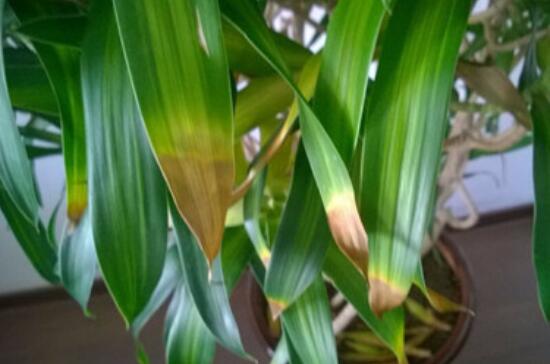
When it comes to Dracaena reflexa leaves turning yellow, aside from unsuitable environment, it is caused by improper care: if the lighting is improper, then supplementary lighting or shading is needed; if watered too much, then loosen the soil more, and if there is root rot, cut it off, then change the potting soil and replant; if fertilized too little, then just supplement nutrients appropriately.
II. Causes and Solutions for Dracaena reflexa Leaves Turning Yellow
1. Sudden Environmental Change
There are many reasons for Dracaena reflexa leaves turning yellow, and the first thing to consider should be environmental problems. Nowadays, everyone's potted Dracaena reflexa is basically bought online, which easily causes a large regional span, and the environment changes too much at once, so the Dracaena reflexa cannot adapt for a while, resulting in yellow leaves.
Solution: It's very simple. Repot the Dracaena reflexa in soil it likes, ensure timely nutrient supply, and then according to Dracaena reflexa cultivation methods, create the most favorable growing environment for it. After a period of time, the plant will recover its health.
2. Improper Lighting
① Lack of Light
Dracaena reflexa is relatively shade-tolerant, and during growth, giving it suitable light is enough. But if you keep Dracaena reflexa in a shaded environment for a long time with no light at all, then its leaves cannot carry out photosynthesis because they get no light, and the result is naturally that they turn yellow.
Solution: It's very simple, just supplement light. However, when moving Dracaena reflexa from a shaded place to a lit place, the process should be slow, that is, the light should gradually become stronger. Make sure Dracaena reflexa gets some sunlight every day, and its leaves will slowly return to green.
② Excessive Light
Dracaena reflexa is a shade-loving plant. Although it needs light, the light cannot be strong. Once the light is too strong, the leaves of Dracaena reflexa will be scorched and turn yellow.
Solution: If the yellowing of Dracaena reflexa leaves is caused by too strong light, everyone just needs to move it to a shaded place. After that, water it appropriately, and then occasionally let it get some sun.
3. Overwatering
When it comes to Dracaena reflexa leaves turning yellow, the most likely cause is overwatering. Dracaena reflexa likes a moist environment, and what plant enthusiasts love to do most is water, but beginners find it hard to control the degree of watering, and the result is too much water, causing waterlogging, which leads to yellow leaves.
Solution: If the situation is not serious, loosen the soil more, then move the potted plant to a ventilated, sunny place to let the water evaporate quickly; if the roots have already been soaked and rotted, then take the plant out of the pot, cut off the rotten roots, change to new potting soil and replant.
4. Too Little Fertilizer
Dracaena reflexa likes fertilizer. An appropriate amount of fertilizer can make its leaves even more emerald green. If you do not fertilize, or fertilize too little, the leaves of Dracaena reflexa will gradually turn yellow.
Solution: It's very simple, just supplement nutrients appropriately. Usually apply thin fertilizer frequently and water with some alum water at the right time. Note that fertilizer mainly based on nitrogen should be applied.
Overall, Dracaena reflexa is not difficult to grow, but because many plant enthusiasts are beginners, yellowing leaves will inevitably appear. However, after reading the whole article, I believe everyone has a clearer idea now. When yellow leaves appear, just remedy it according to the above methods. That's all the editor will introduce about Dracaena reflexa leaves turning yellow, hoping it can help everyone.
How to Propagate Dracaena reflexa: Propagation Methods for Dracaena reflexa
Dracaena reflexa, also known as short-leaf dragon tree, is an evergreen shrub or small tree of the genus Dracaena in the family Asparagaceae. It is a high-grade foliage plant, widely cultivated in China, and relatively popular in South China. So how do you propagate Dracaena reflexa? Below is an introduction to the propagation methods of Dracaena reflexa.
Growing Environment of Dracaena reflexa
Dracaena reflexa likes high temperature and high humidity. The suitable growing temperature is 20°C-28°C. It is drought-tolerant and also moisture-tolerant. When the temperature is high, it grows vigorously. Dry cold in winter easily causes the leaf tips to dry up. It prefers semi-shade and avoids strong direct sunlight. For overwintering, it requires temperatures above 12°C. It is not strict about soil and fertilizer. Potting soil can be made by mixing garden soil : peat soil : chicken manure = 6:4:1 and composting for half a year before use.
Propagation Methods of Dracaena reflexa
Cutting Propagation
Cutting propagation can be carried out from March to May. Take strong, mature branches of the current year, cut them into 8-10 cm lengths; for hard stems keep 3-4 buds, and for young shoots keep 3-4 leaves. The bed soil should be well-drained, sterilized, loose sandy loam or peat soil. After inserting, cover with an 80% shade net and water thoroughly. Afterwards, spray water 1-2 times a day, 3-5 minutes each time, and roots will form in about 30-35 days. If you use a 400-fold solution of "Root Sun" rooting agent mixed with yellow mud into a slurry, dip the cut end of the cutting into the slurry, and after treatment wait for the slurry to dry, then insert it into the seedling bed. When inserting into the seedling bed, first make holes with a stick and then insert the seedling, to prevent the yellow mud slurry from separating from the cutting and affecting rooting. After insertion, roots can form in about 20-25 days.
Seed Propagation
Seed propagation is suitable in spring or summer. Before sowing, the soil and seeds should undergo strict disinfection treatment to prevent pests and diseases during the growing period. The soil should be disinfected with 70% thiophanate-methyl, and at the same time 90% trichlorfon should be used to kill insects in the soil. Seeds can be sown as soon as they are collected, or stored until spring and summer for sowing. To increase the seed germination rate and reduce the trouble of seed storage, the seeds can be sown directly after drying in the shade.
Before sowing, soak the seeds in a 0.5% potassium permanganate solution for 30 minutes for disinfection. After the seeds absorb water and swell, take them out and place them in a bamboo basket to dry. After the seeds are dry, they can be sown. After sowing, strengthen nursery field management, keep the soil moist, keep the temperature at 20°C-25°C, and seedlings will emerge in about 25-30 days after sowing. When the seedlings grow to 3-5 cm, promptly remove weeds and combine thinning with fertilization. Apply dilute human urine and manure at a concentration of 3%-5% and decomposed cake fertilizer at 1%-2% once every 7-10 days.
Afterwards, use 0.5%-0.8% compound fertilizer to water around the seedling roots, and try not to let the solution get on the leaves. After fertilizing, sprinkle water on the leaf surface to avoid scorching the leaves. When the seedling root system grows to 3-5 cm, it can be transplanted into pots.
Potting Management
When the root system of Dracaena reflexa seedlings grows to 3-5 cm, they can be transplanted into pots. If potted too late, the seedlings will weaken and affect future growth and development. Dracaena reflexa is a semi-shade flower, so when planting, choose a semi-shade environment and moist, fertile, well-drained soil to meet the environmental requirements during growth and development.
When transplanting, the plant should be kept with a soil ball. It can also be transplanted with a soil ball during the growing season, but before transplanting remove all new shoot branches and leaves of the current year and keep the soil moist. Dracaena reflexa is not strict about environmental requirements, but likes semi-shade and a hot, dry climate, and is relatively sensitive to water and fertilizer, so in cultivation management, technical work such as watering, fertilizing, pinching and pruning, light, temperature, and humidity should be done well according to its growth characteristics.
Watering: Dracaena reflexa has good tolerance to water. Mild drought or slight waterlogging will not cause much harm, but in management it is best to water thoroughly after the surface layer of the potting soil dries, which is beneficial to its growth. Alternating dry and wet watering can make the branches and leaves dense and the internodes compact, giving high ornamental value.
Fertilizing: 10-15 days after transplanting, root-setting fertilizer can be applied, and 10% urea solution can be used for watering. During the seedling stage and shoot-sprouting stage, nitrogen fertilizer is mainly applied. During the vigorous growth period, nitrogen, phosphorus, and potassium compound fertilizer or organic fertilizer liquid can be applied. Fertilization should follow the principle of thin fertilizer applied frequently. In addition, fertilization should be stopped in high-temperature seasons or winter. When changing pots and soil each spring, a certain amount of decomposed organic fertilizer can be added as base fertilizer to ensure good growth.
Pinching and Pruning: After potting, when the seedlings grow to 8-10 cm, they can be pinched. The second pinching is carried out when the new shoots are 4-6 cm high. Repeat this many times to achieve fullness. Dracaena reflexa has a certain perennial root habit and can grow new branches from the roots, so the plant shape grows well. Dracaena reflexa is relatively tolerant of pruning. It is best to appropriately strengthen water and fertilizer management before and after pruning to facilitate better growth of new branches and leaves. Pruning is mainly for shaping, and can also be carried out in combination with cutting propagation.
Light: Dracaena reflexa likes light but avoids direct scorching sun in summer. For home cultivation, it can be placed under a south window or on a balcony, only avoiding direct light in summer. In other seasons, it is best to give it a certain amount of light, otherwise the golden-yellow stripes in the middle of the leaves will become dim and disappear, greatly reducing ornamental value.
Temperature: Dracaena reflexa likes a warm and humid growing environment and can also grow in high-temperature environments. The optimal growing temperature is 20°C-30°C. The overwintering temperature is best kept above 10°C, and below 5°C it will suffer cold damage.
Humidity: The most suitable growing humidity for Dracaena reflexa is 75%-85%. During growth it needs a certain amount of air humidity, otherwise the leaf color becomes dull and the gloss decreases. During the growing season, frequently spray the plant with clean water. If conditions permit, it is best to increase moisture and humidity in the environment.
Lucky Bamboo Dracaena sanderiana Lucky Bamboo Illustrated Guide: How to Grow Lucky Bamboo / How to Propagate Lucky Bamboo
Lucky Bamboo ProfileLucky Bamboo Dracaena sanderiana
Cultivation Methods and Precautions for Lucky Bamboo Introduction to Lucky Bamboo
Lucky Bamboo, also known as Dracaena reflexa and Fortune Bamboo, is a foliage flower deeply loved by people in recent years. Lucky Bamboo can be both water-cultured and potted. In comparison, potted cultivation has a longer lifespan, stronger growth, and is easier to manage. Lucky Bamboo is a shade plant and rarely blooms; blooming represents that it can bring you good luck. It is easy to grow, with upright stems and deep green leaves, evergreen in winter and summer. Whether potted or with stems cut for bottle insertion or processed into "Fortune Bamboo" or "Curved Bamboo," it all appears elegant and noble, with slender stems and leaves, soft and graceful, with a natural and unrestrained posture, full of bamboo charm, and extremely high ornamental value. The beauty of Lucky Bamboo is inseparable from its auspicious name. It has slender, elegant leaves and an emerald green leaf color, and its stem nodes show characteristics resembling bamboo nodes, but it is not true bamboo. China has the congratulatory phrase "flowers bloom for wealth and honor, bamboo reports peace." Because Lucky Bamboo has slender stems and leaves, is soft and elegant, and is richly full of bamboo charm, it is very much loved by people. Lucky Bamboo is easy to manage, has few pests and diseases, is easy to cultivate, and symbolizes "great fortune and great profit."
Lucky Bamboo is a tropical evergreen foliage flower. It likes a high-temperature, high-humidity growing environment, likes light and can also tolerate shade, likes moisture and can also tolerate drought, and can be placed indoors for a long time without deliberate care. As long as there is enough water, it can continue to grow. It can be said that it is a crop that is easy to grow and care for, and generally can grow normally without deliberate care. But in order to keep it vigorous, proper care is very necessary. Lucky Bamboo is most afraid of cold and frost. Generally, when the temperature is around zero degrees and it is placed outdoors, it will freeze to death. This is the reason it can be grown outdoors in greenhouses in southern China, while in the north it can only be grown indoors. At the same time, if it is exposed to strong direct light outdoors, it will grow slowly. Therefore, if it is grown in large quantities as an economic crop, it is necessary to set up posts and build a shed, cover the top with a shade net, and carry out reasonable fertilizer and water management, so it can grow smoothly. The umbel inflorescence has 3-10 flowers borne in leaf axils or opposite the upper leaves, perianth 6, corolla bell-shaped, purple. Berry nearly spherical, black. Lucky Bamboo is a perennial evergreen herb, with plant height reaching more than 1.5-2.5 m. For commercial and ornamental purposes, a cultivation height of 80-100 cm is suitable. It is mostly cultivated in gardens, and also grows wild. It likes shade and moisture, has thick stems and leaves, and dark green leaves, and is mainly used as an ornamental plant. Lucky Bamboo can be potted or water-grown.
Morphological Characteristics of Lucky Bamboo
Evergreen subshrub-like plant. Plant height more than 1 m, plant slender, upright with branches on the upper part. Rhizome horizontal, nodular. Leaves alternate or nearly opposite, papery, leaf blade long lanceolate, with obvious 3-7 main veins, with short petiole, deep green. The umbel inflorescence has 3-10 flowers borne in leaf axils or opposite the upper leaves, perianth 6, corolla bell-shaped, purple. Berry nearly spherical, black. Lucky Bamboo is a perennial evergreen herb, with plant height reaching more than 1.5-2.5 m. For commercial and ornamental purposes, a cultivation height of 80-100 cm is suitable. It is mostly cultivated in gardens, and also grows wild. It likes shade and moisture, has thick stems and leaves, and dark green leaves, and is mainly used as an ornamental plant. Planting Lucky Bamboo has the advantages of high yield and high economic benefit. At present, the general market price can reach more than 3-5 yuan per plant, 18,000-25,000 plants can be planted per mu, and the annual output value per mu can reach 30,000-50,000 yuan. Cultivation of Lucky Bamboo begins at Awakening of Insects in spring, and it can be harvested in mid-to-late December. This variety is easy to manage, and you can choose loose, fertile rice fields or sloping land for cultivation.
Ecological Habits of Lucky Bamboo
Lucky Bamboo likes shade, moisture, and high temperature. It is shade-tolerant, waterlogging-tolerant, strongly fertilizer-tolerant, and strongly cold-resistant; it likes a semi-shaded environment. It is suitable for growing in well-drained sandy soil or semi-muddy sand and alluvial clay. The suitable growing temperature is 20-28°C. It can tolerate low temperatures of 2-3°C, but in winter it must be protected from frost. In the high-temperature and humid seasons of summer and autumn, it is very favorable for the growth of Lucky Bamboo and is its best growing period. It is not strict about light requirements and is suitable for growing under bright scattered light. Too strong light or exposure to the sun can cause phenomena such as yellowing leaves, loss of green color, and slow growth. Therefore, when planting in the field, a shade net shed 1.7-1.8 m high should be built, with a shading rate of 75% being suitable, to create a semi-shaded, scattered-light environment. Especially from April to September, avoid strong direct light, exposure to the sun, or excessive drought, otherwise the leaf surface is likely to become rough, scorched, and weak in growth, and the leaves will lack luster, reducing ornamental value. During the growing season, the soil should often be kept moist, and water should often be sprayed or sprinkled on the leaf surface to increase air humidity; in case of heavy rain, field water should be drained to prevent lodging. In winter, pay attention to cold protection and frost protection. At temperatures below 10°C, the leaves will turn yellow and wither. At this time, the soil should be kept alternately dry and wet, but it should not be too dry or too wet. Reduce watering and stop fertilizing.
Lucky Bamboo is an evergreen small tree with upright stems, a delicate plant form, and thick stems reaching more than 2 m high. The leaves are long lanceolate, the leaf blades are deep green, and the growth is robust. It is easy to keep alive in water culture. Its varieties include green leaf, green leaf with white edge (called silver edge), green leaf with yellow edge (called gold edge), and green leaf with silver center (called silver center). Green-leaf Lucky Bamboo is also called Ten Thousand Year Bamboo. Its leaves are deep green, its growth is vigorous, and it is relatively widely cultivated. It is generally mostly used for household bottle insertion or potted maintenance. In particular, the "pagoda-shaped" form that spread from Taiwan, China, also known as "Fortune Bamboo," has high ornamental value and is quite popular in the international market.
Lucky Bamboo is easy to grow, with upright stems and deep green leaves, evergreen in winter and summer. Whether potted or with stems cut for bottle insertion or processed into "Fortune Bamboo" or "Curved Bamboo," it all appears elegant and noble, with slender stems and leaves, soft and graceful, with a natural and unrestrained posture, full of bamboo charm, and extremely high ornamental value.
Distribution Area of Lucky Bamboo
Native to the Canary Islands and the tropical regions of Africa and Asia. It was introduced to China in large quantities in the late 1980s.
Propagation Methods of Lucky Bamboo
Lucky Bamboo has strong growth, rooting, and budding ability, and is often propagated by cuttings, which can be done throughout the year as long as the temperature is suitable. Generally, cut leafless stem segments as cuttings, 5-10 cm long, preferably with 3 internodes, and insert them in a sand bed or semi-muddy sandy soil. In the south, in spring and autumn, roots and buds generally sprout in 25-30 days, and they can be potted or transplanted to the field in 35 days. Water insertion can also root, and soilless cultivation can also be carried out. In recent years, various places in Guangdong have used top spike branches (that is, tender stems) cut into 20-25 cm and inserted directly into sandy loam or semi-muddy sand or alluvial clay fields. After careful care and planting, they can be harvested and cut for bottle use during the Spring Festival of the same year. In areas south of Guangzhou, such as farmers in Haiyan Town, Taishan City, they insert directly into the field in spring and autumn. They can also use top spike branches or internode top seedlings or lateral bud top spikes cut into 15-20 cm cuttings from October to December, insert them into coarse sand or semi-muddy sand fields, bury 2 nodes in the soil, water once a day, and keep the soil moist. Roots generally form in 35-45 days. Spring cuttings are most suitable from late January (after Great Cold) to mid-to-late February (around Rain Water), and can be directly inserted into the field in the open ground. Roots generally form in 30-35 days. They can also be cut from mid-March to early April (Spring Equinox to Pure Brightness). It is best to plant in late March, because during this period the temperature gradually rises and the humidity is suitable. After insertion, roots can form in about 7-15 days, with a survival rate of 100%, and those managed well can be marketed in the same year.
Lucky Bamboo is strongly moisture-tolerant and waterlogging-tolerant. During the growing period, moist conditions are suitable, and a shallow water layer should be kept in the furrow. During high temperature and drought, water should be poured into the furrow, and water should be sprinkled to lower the temperature and preserve moisture, so that the plants grow vigorously. Each time fertilizer is applied, a thin layer of water should be sprinkled once to promote fertilizer dissolution so that the roots can absorb fertilizer quickly. In case of heavy rain or rainstorms, field water should be drained, and fertilization should not be applied, to prevent disease occurrence. Pay attention to typhoon attacks, reinforce the shade shed, and use bamboo poles to support the plants firmly to prevent lodging. When dry north winds blow in winter, the soil should be kept moist, and water should be sprinkled or poured into the furrow.
Potted Maintenance
Lucky Bamboo can be potted using a mixture of leaf mold, vegetable garden soil, and river sand, or coconut coir, leaf mold, cinder ash plus a small amount of chicken manure, peanut bran, and compound fertilizer as the growing medium. It is suitable to plant 3-6 plants per pot. For plants that have survived after cutting, the key is to control temperature and humidity well. During the growing season, the potting soil should often be kept moist. Do not let the potting soil dry out, especially in midsummer. Spray water on the leaf surface frequently; excessive dryness will cause the leaf tips and leaves to dry up. In winter, the potting soil should not be too wet, but water should still be sprayed on the leaf surface frequently, and cold and freeze protection measures should be taken to prevent the leaves from turning yellow, shrinking, and falling off. Potted Lucky Bamboo should have its pot and soil changed every 2-3 years; apply nitrogen, phosphorus, and potassium compound fertilizer once every 20-25 days, keep the potting soil moist, and prevent the leaf tails from drying up. It is better to place it on a balcony facing away from the north and toward the sun. In spring and autumn, appropriately increase light, with 3-4 hours of light per day, to maintain the bright color of the leaves. In summer and autumn, appropriately shade it, spray water once a day, and clean dust from the leaf surface, so that growth is more vigorous and the leaf color is greener.
Field Cultivation
Lucky Bamboo is strongly fertilizer-tolerant and likes high nitrogen, high phosphorus, and high potassium. The principle of fertilization is light first, heavy in the middle, and light at the end. For field planting, choose deep, fertile sandy loam or semi-muddy sandy soil, or alluvial clay. First plow the soil deeply twice, then make beds for planting. Bed width 1.2-1.5 m, apply 75-100 kg of phosphate fertilizer per mu on the bed surface, furrow depth 20-30 cm, furrow bottom width 40-50 cm, row spacing 23 cm, plant spacing 16 cm. Generally, about 13,000-16,000 plants can be planted per mu.
When the plant has 7-8 roots and the roots are 5-6 cm long, apply quick-acting nitrogen fertilizer once every 15 days during the seedling stage, with 15-17.5 kg urea, 15 kg potassium fertilizer, and 25 kg phosphate fertilizer per mu. Or 35-40 kg of compound fertilizer containing nitrogen, phosphorus, and potassium (N:15, P:15, K:15), or 2,000 kg of decomposed human urine and manure water fertilizer applied as a liquid, to promote root growth, leaf growth, and thick stems. In the early growth stage, loosen the soil appropriately and remove weeds in time. From April to July, nitrogen fertilizer should be the main fertilizer, combined with phosphorus and potassium fertilizer. Apply sulfate compound fertilizer containing nitrogen, phosphorus, and potassium 1-2 times a month, 40-50 kg per mu, to promote stem and leaf elongation and thickness. In May-June, peanut bran can be applied once, 40-50 kg per mu. It can be composted and applied as a liquid or crushed and broadcast, and 50 kg of phosphate fertilizer should also be applied. Or 600-800 kg of decomposed chicken manure. From August to September, topdressing can be applied as appropriate according to the growth of Lucky Bamboo, mainly compound fertilizer, with less nitrogen fertilizer, to prevent excessive leaf growth. Phosphorus and potassium fertilizer and foliar fertilizer should be increased. Spray foliar fertilizer once every 10-15 days, such as 3% urea + 5% monopotassium phosphate + Green Prosperity + plant protection hormone + Yunda-120, to promote thick stems, height growth, thick leaves, and dark green and bright leaf color.
Bottle Water Culture
1. Before inserting into the bottle, cut off the leaves at the base of the cuttings, and cut the base with a knife at a slant. The cut should be smooth to facilitate the absorption of water and nutrients. Change the clean water once every 3-4 days. Do not move the position or change the direction within 10 days. After about 15 days, Lucky Bamboo can grow silver-white fibrous roots.
2. After rooting, it is not suitable to change the water. Only after the water evaporates and decreases should water be added in time. Frequent water changes easily cause yellowing and withering of the leaves.
3. After Lucky Bamboo roots, apply a small amount of compound chemical fertilizer in time, and the leaves will be glossy green and the branches and stems thick. If no fertilizer is applied for a long time, the plant will grow thin and weak, and the leaves will easily turn yellow. However, fertilization should not be excessive, to avoid "burning the roots" or causing excessive growth. In spring and autumn, apply compound chemical fertilizer once a month. According to data, for water-cultured Lucky Bamboo, to prevent excessive growth, do not apply chemical fertilizer. It is best to inject a few drops of brandy into the bottle about every 3 weeks and add a small amount of nutrient solution. In this way, the leaves can remain emerald green.
4. Do not place Lucky Bamboo next to a television or in places where air conditioners or electric fans often blow, to avoid drying of the leaf tips and leaf edges.
Variety Classification of Lucky Bamboo
Today, there are 4 relatively common varieties of Lucky Bamboo, namely Golden Heart Lucky Bamboo, Silver Heart Lucky Bamboo, Silver Edge Lucky Bamboo, and Gold Edge Lucky Bamboo. Different types have different characteristics and are suitable as decorations for different styles of home interiors.
Golden Heart Lucky Bamboo
The middle part of the plant has green-yellow or golden-yellow longitudinal stripes, which is quite special. The Lucky Bamboo plant is relatively thick and strong, and the leaves are dark green.
Silver Heart Lucky Bamboo
Unlike Golden Heart Lucky Bamboo, the center of the leaves of Lucky Bamboo has a silver-white longitudinal stripe.
Silver Edge Lucky Bamboo
The green leaves have a broad silver-white band or edging at the edge, which is very obvious and eye-catching.
Gold Edge Lucky Bamboo
Together with Silver Edge Lucky Bamboo, it forms a pair of sister-type varieties. The difference is that the edging on the leaf margin is golden yellow.
Ornamental Varieties
Fortune Bamboo
Fortune Bamboo is also called Fortune Tower, Bamboo Tower, or Tower Bamboo. It spread from Taiwan, China, has high ornamental value, and is quite popular in the market. It has now been popular for more than ten years. Due to the relatively high cost of packaging and transportation, exported Fortune Bamboo is mostly products with two to five layers.
Curved Bamboo
Curved Bamboo, also called Luck-Transferring Bamboo. This product is a new variety that only began to become popular in the past two or three years. It was invented and promoted by flower farmers in Haiyan Town, Taishan City, Guangdong Province. A large amount of manpower needs to be invested in the cultivation and processing process, so the production cost is relatively high. However, because its shapes are varied (spiral, heart-shaped, figure-8 shaped... etc.), it has relatively high ornamental value after combination, and people hope that it can transfer good luck, so it is deeply loved by people. Its market share is above that of Fortune Bamboo, and it is currently the mainstream Lucky Bamboo product on the market. The most technically mature Curved Bamboo production area in the country is Haiyan Town, Taishan City, Guangdong Province.
Bamboo Cage
Bamboo Cage is artificially woven into a cage shape during cultivation, taking the meaning of riches and affection lingering, pig cage entering water, and wealth rolling in. Generally, only after it has rooted in the tray and grown to a certain height are the lower bamboo leaves peeled off, retaining the leaves and buds of the top 20 cm-30 cm, before it can be woven. Some people, seeking quick profit, use some long branches that have just been planted and have not yet rooted to weave cages for sale, causing the top leaves to easily wither and turn yellow. This harms consumers and is truly not advisable.
Straight Branches
Straight branches generally use material with a diameter of more than 0.8 cm, and different lengths are cut according to different merchant requirements. Multiple branches are tied into a bundle or inserted separately in a vase, with a vivid shape. After the top buds of each branch open into leaves, it looks even more full of vitality, with a strong momentum of rising higher step by step.
Thousand-Hand Fortune Tray
First, plant multiple Lucky Bamboo branches regularly in a tray, and artificially weave them during cultivation, shaped like Thousand-Hand Guanyin, auspicious and lucky.
Bamboo Basket
Use straight branches to tie the base of the basket, and use two 7-shaped curved bamboos as the basket handle. Two O-shaped curved bamboos can also be added for decoration. Of course, this kind of shape has no fixed format, and creative artistic shapes can be made according to various needs.
Vase
It is mainly tied with straight branches, with the middle left empty for flower insertion, and curved bamboo can also be used as a foil. Some also weave straight branches into vase-shaped bamboo cages.
Processing Procedures for Lucky Bamboo
High-quality finished Lucky Bamboo products must undergo multiple selections and be processed strictly according to each procedure.
Processing Fortune Bamboo (Tower)
1. Remove the leaves from the raw bamboo harvested from the field and wash it in clean water.
2. Use scissors to cut the bamboo body into sections, classify and bundle the bamboo stalks with strong vitality according to length, and carry out strict medicinal disinfection, sterilization, and mold removal. This determines whether the bamboo stalks will deteriorate or die later.
3. Select high-quality bamboo stalks and put them into a greenhouse to promote budding. During the budding process, control the greenhouse temperature and humidity well.
4. Carefully select, bundle, and process the bamboo stalks after budding. For the same product, the bud length is required to be consistent.
5. Care for the finished product and pack it for shipment from the factory.
Processing Curved Bamboo
1. Remove the leaves from the raw bamboo harvested from the field and wash it in clean water.
2. Use sharp scissors to cut the bamboo material, classify and bundle it according to the diameter and length of the bamboo material. Generally, each bundle has 10 branches (not absolute).
3. Carry out strict medicinal disinfection, sterilization, and mold removal to ensure that the bamboo branches do not deteriorate.
4. Put the bamboo bundles into a greenhouse by category for budding and rooting. Pay attention to controlling the greenhouse temperature and humidity.
5. Care for the finished product and pack it for shipment from the factory.
Note: The processing procedures for other varieties are similar to the above, but the procedure of medicinal disinfection, sterilization, and mold removal absolutely cannot be omitted.
Cultivation Techniques for Lucky Bamboo: Soil Culture
It likes shade, moisture, and high temperature. It is waterlogging-tolerant, strongly fertilizer-tolerant, and strongly cold-resistant; it likes a semi-shaded environment. It is suitable for growing in well-drained sandy soil or semi-muddy sand and alluvial clay. The suitable growing temperature is 20-28°C. It can tolerate low temperatures of 2-3°C, but in winter it must be protected from frost. In the high-temperature and humid seasons of summer and autumn, it is very favorable for the growth of Lucky Bamboo and is its best growing period. It is not strict about light requirements and is suitable for growing under bright scattered light. Too strong light or exposure to the sun can cause phenomena such as yellowing leaves, loss of green color, and slow growth.
Therefore, when planting in the field, a shade net shed 1.7-1.8 m high should be built, with a shading rate of 75% being suitable, to create a semi-shaded, scattered-light environment. Especially from April to September, avoid strong direct light, exposure to the sun, or excessive drought, otherwise the leaf surface is likely to become rough, scorched, and weak in growth, and the leaves will lack luster, reducing ornamental value. During the growing season, the soil should often be kept moist, and water should often be sprayed or sprinkled on the leaf surface to increase air humidity; in case of heavy rain, field water should be drained to prevent lodging. In winter, pay attention to cold protection and frost protection. At temperatures below 10°C, the leaves will turn yellow and wither. At this time, the soil should be kept alternately dry and wet, but it should not be too dry or too wet. Reduce watering and stop fertilizing.
Lucky Bamboo has strong growth, rooting, and budding ability, and is often propagated by cuttings, which can be done throughout the year as long as the temperature is suitable. Generally, cut leafless stem segments as cuttings, 5-10 cm long, preferably with 3 internodes, and insert them in a sand bed or semi-muddy sandy soil. In the south, in spring and autumn, roots and buds generally sprout in 25-30 days, and they can be potted or transplanted to the field in 35 days.
Water Insertion
Water insertion can also root, and soilless cultivation can also be carried out. In recent years, various places in Guangdong have used top spike branches (that is, tender stems) cut into 20-25
cm and inserted directly into sandy loam or semi-muddy sand or alluvial clay fields. After careful care and planting, they can be harvested and cut for bottle use during the Spring Festival of the same year. In areas south of Guangzhou, such as farmers in Haiyan Town, Taishan City, they insert directly into the field in spring and autumn. They can also use top spike branches or internode top seedlings or lateral bud top spikes cut into 15-20 cm cuttings from October to December, insert them into coarse sand or semi-muddy sand fields, bury 2 nodes in the soil, water once a day, and keep the soil moist. Roots generally form in 35-45 days.
Spring cuttings are most suitable from late January (after Great Cold) to mid-to-late February (around Rain Water), and can be directly inserted into the field in the open ground. Roots generally form in 30-35 days. They can also be cut from mid-March to early April (Spring Equinox to Pure Brightness). It is best to plant in late March, because during this period the temperature gradually rises and the humidity is suitable. After insertion, roots can form in about 7-15 days, with a survival rate of 100%, and those managed well can be marketed in the same year.
Shading
Building a shade shed means covering with a shade net. Build frames around the rice field with wooden posts or cement stakes. The wooden posts are required to be 2.4 m high and buried 0.4 m deep. If calculated at four wooden posts (or cement posts) per 20 sq m, about 30-35 wooden posts are needed per mu, and the top of the shed is tied tightly with iron wire or nylon rope. Then cover with 10 bundles of plastic shade net per mu (width 1.5 m/100 m, 55 yuan/bundle), cover well for shading, and then tie it all around with nylon rope.
Reasonable close planting
When preparing the land, the bed surface height should be 15-20 cm, the bed surface width 120-150 cm, and the bed ditch 25 cm. Apply 30 loads of decomposed farmyard manure per mu, level it thoroughly, then insert the plantlets. Use a planting spacing of 8×5 cun or 6×5 cun, and 15,000-20,000 or more plants can be planted per mu. Generally, do not plant too densely. A planting depth of 2.5-3.5 cm is best (that is, for a seedling with 4 nodes, insert 2 nodes), and maintain appropriate space to allow ventilation and light penetration.
Scientific fertilization
Lucky bamboo can grow on sloping land and semi-dry paddy fields. To accelerate its growth, shorten the production cycle, and improve economic returns.
1. Apply sufficient base fertilizer: when inserting the cuttings, apply Jinzhi Yuye (rich in nitrogen, phosphorus, potassium, calcium, magnesium, iron, zinc, copper, etc.) as a base fertilizer, then insert the cuttings.
2. Apply seedling fertilizer appropriately: 20 days after planting, the plants begin to send out new roots. Apply one application of manure water at 30-40 loads/mu. After 30-40 days, depending on the growth of the seedlings, apply one fertilizer to promote seedling growth, generally mainly compound fertilizer, at 15-20 kg of compound fertilizer per mu, then earth up after application. When the plants grow to 35-45 cm tall, their nutrient needs also increase, and this is the stage when the plants begin to grow vigorously. Therefore, topdressing at this stage should be heavy: 25-30 kg of compound fertilizer per mu and 10-15 kg of urea are suitable. At the same time, foliar fertilizer can be sprayed, using plant growth regulators such as Xinzhi Su or Penshibao, to promote balanced growth, lush leaves and thick stems, and improve stress resistance.
Pest control
When planting lucky bamboo, pay attention to draining waterlogging on rainy days, preventing drought on dry days, and preventing frost on cold days. If dry weather occurs, pay attention to running horse water to keep the bed surface moist in the field. In lucky bamboo fields covered with shade nets, adult Lepidoptera find it harder to fly in to lay eggs and reproduce, so there are also fewer pests. Only a small amount of stem borers were found, and no diseases were found. From cultivation in early March to harvest in mid-to-late December, spraying insecticide only twice is sufficient.
Cultivation essentials
1. Remove leaves from the base and cut a slanted opening: before placing in a vase, remove the leaves from the base of the cuttings, and use a sharp knife to cut the base into a slanted opening. The cut should be smooth to increase the area for absorbing water and nutrients. Change the clean water once every 3 to 4 days, and add a few small pieces of charcoal to prevent rot. Do not move the position or change the direction within 10 days. After about 15 days, silvery-white fibrous roots can grow.
2. Change water to adding water: after rooting, it is not suitable to change the water. After the water evaporates, only add water promptly. Frequent water changes easily cause yellow leaves and withered branches. The added water is best well water. If using tap water, first store it in a container for one day. The water should remain clean and fresh. Do not use dirty water, hard water, or water mixed with oil, otherwise root rot is likely.
3. Fertilize promptly: for water-grown lucky bamboo, to prevent leggy growth, do not apply chemical fertilizer. It is best to inject a few drops of brandy into the bottle about every 3 weeks and add a small amount of nutrient solution. Alternatively, dissolve half an aspirin tablet crushed into powder or one VC tablet in 500 grams of water, and drip a few drops in when adding water. This can keep the leaves emerald green (no need after roots have grown).
4. Avoid wind: do not place lucky bamboo beside a TV or in places constantly blown by air conditioners or electric fans, so as to prevent the leaf tips and leaf margins from drying up.
Cultivation tips
In northern China, the growing season for lucky bamboo is from April to October. Keep the potting soil moist, and apply humic acid liquid fertilizer once every half month. In summer, if maintained outdoors, provide shade. Too strong light will turn the leaves yellow. It is better to place it on a north-facing balcony or in light shade. When the climate is dry, sprinkle water on the ground and leaves once to twice a day. From November to March of the following year, maintain it indoors, place it by a south-facing window where sunlight is visible, and keep it above 10°C so it can grow slowly. In spring, from March to April, repot and change the soil. The growing medium can be prepared with peat soil plus 50% garden soil. First place 2 cm to 3 cm of ceramsite or coarse gravel at the bottom of the pot as a drainage layer, then add the growing medium. After planting, keep the potting soil slightly moist. After new buds emerge, normal water and fertilizer management can be carried out. After about two years of cultivation, cut the stems and replant. The plant can be cut back leaving 5 to 6 nodes, and the cut-off parts can be used for cuttings or water culture.
The tied and shaped "Kaiyun bamboo" is mostly grown in water. Usually place it in a bright indoor spot. When the temperature is low, change the water once every 7 to 10 days. In spring and autumn, the peak growing seasons, change the water once every 3 to 5 days. A complete-element compound fertilizer can be added to the water. During high summer temperatures, it is best to use cooled boiled water for water culture to avoid root rot or algae growth. Stop fertilizing in winter. In severe cold seasons in the north, water culture in rooms without heating facilities is prone to freezing damage. In early October, plant it in river sand. When it is cold, cover the pot with a plastic bag and place it indoors where cold wind cannot reach. It can overwinter safely at around 5°C.
In spring, it can be potted in growing medium or, after washing off the river sand, grown in water. During maintenance, if there are rotten stems or roots, remove them promptly, soak the roots and stems in a 75% chlorothalonil 1000-fold aqueous solution for 30 minutes, rinse with clean water, and continue water culture. If the plant is already very weak, it should be replanted in soil to restore vigor.
Water-grown lucky bamboo likes stagnant water. After rooting, it is not suitable to change the water. After water evaporates and decreases, only add water promptly. Frequent water changes easily cause yellow leaves and withered branches. To prevent leggy growth, do not apply chemical fertilizer. It is best to inject a few drops of brandy into the bottle about every 3 weeks and add a small amount of nutrient solution, which can keep the leaves emerald green.
After soil-grown plants root, apply a small amount of compound chemical fertilizer promptly, and the branches will grow thick and strong and the leaves will be glossy green. In spring and autumn, apply compound fertilizer once a month.
Do not place lucky bamboo beside a TV or in places constantly blown by an air conditioner, so as to prevent the leaf tips and leaf margins from drying up.
Propagation tips
In spring, cut the cut-off stems into 5 cm to 10 cm leafless stem sections, or cut off the base tips, which dry easily. Take the branched stems with stem tips that have partly grown in long-term indoor shade, insert them into clean coarse river sand, water thoroughly, cover with a plastic bag, keep the substrate moist, and place in a bright indoor spot. Roots can form in about 25 days. Alternatively, insert the cut branches into water. At 25°C, roots can form in about half a month.
Special reminder
In the north, it is better to buy lucky bamboo in spring. After buying it, it immediately enters a suitable growing period. If there are heating facilities in winter, it can also be purchased before the New Year or Spring Festival. For potted plants, choose robust plants with dark green glossy leaves, bright golden-edged stripes, no dry tips, no bare lower stems, a plant height below 30 cm, and 3 to 6 branches. For water-grown plants of various shapes, choose plants with evenly thick stems, beautiful shapes, and no rot at the base or root system. In particular, note that lucky bamboo grows poorly in alkaline soil and dry climates. Its leaves also grow thin and weak, and the leaf color is dull and lusterless. This should be noted.
Winter cultivation
The suitable temperature for lucky bamboo development is 22°C-25°C. It is not tolerant of high temperatures, and growth slows when the temperature exceeds 32°C. During overwintering, the room temperature should be kept above 10°C, fertilization should be stopped, and watering should be controlled, so it can overwinter safely. Below 13°C, the plant goes dormant and stops growing. When the temperature is too low, because the root system absorbs insufficient water, yellow-brown patches appear at the leaf tips and leaf margins.
It also depends on how your lucky bamboo was cultivated. At present, there are three main cultivation methods for lucky bamboo: first, soil culture; second, water culture; third, bottle insertion. For water culture in winter, change the clean water about once a week as appropriate.
In winter, prevent freezing damage. In the north, do not place it outdoors. Indoor temperature should preferably not be lower than 10°C. Otherwise, yellow leaves occur easily. For water culture, avoid the water freezing and freezing the roots.
It is best to place it in a place with sufficient light. For bottle-inserted water-grown lucky bamboo, grasp the following key points:
1. Before placing it in, cut off the leaves at the base of the cuttings, and cut the base into a slanted opening with a sharp knife. The cut should be smooth to facilitate the absorption of water and nutrients. Change the clean water once every 3-4 days. Do not move the position or change the direction within 10 days. After about 15 days, snow-white fibrous roots can grow.
2. After rooting, it is not suitable to change the water. Only after water evaporates and decreases should water be added promptly. Frequent water changes easily cause yellow leaves and withered branches.
3. After rooting, apply a small amount of compound chemical fertilizer promptly, and the leaves will be glossy green and the branches thick and strong. If no fertilizer is applied for a long time, the plant grows weakly and the leaf color easily turns yellow. However, fertilizer must not be applied excessively, so as to avoid "burning roots" or causing leggy growth. In spring and autumn, apply compound chemical fertilizer once a month. According to materials, for water-grown lucky bamboo, to prevent leggy growth, do not apply chemical fertilizer. It is best to inject a few drops of brandy into the bottle about every 3 weeks and add a small amount of nutrient solution, which can keep the leaves emerald green.
4. Do not place lucky bamboo beside a TV or in places constantly blown by an air conditioner or electric fan, so as to prevent the leaf tips and leaf margins from drying up. How to grow lucky bamboo in winter is not too scary. Many netizens say that lucky bamboo easily dies once winter comes. After reading the above knowledge on how to grow lucky bamboo in winter, deaths should no longer occur.
Disease control of lucky bamboo
Lucky bamboo anthracnose
It is a common disease and occurs fairly widely. It is a serious disease harming lucky bamboo in the south. Because the temperature was high last winter and this spring and the drought lasted a long time, early-planted lucky bamboo in Zhanjiang, Guangzhou, Taishan and other areas of Guangdong has already grown luxuriantly. According to many flower growers, many lucky bamboo leaf tips to leaf blades have dried up and continuously spread and expanded to the upper leaves. Because of the long period of drought and high temperature, the disease broke out when rain came. It was diagnosed as an epidemic of lucky bamboo anthracnose, and it occurred epidemically earlier than usual in mid-March.
[Symptoms] The disease initially mostly occurs on leaf tips, leaf margins and leaf blades. In the early stage, the diseased part shows water-soaked dark green irregular lesions and gradually spreads and expands to the upper leaves. In the middle stage, they are semicircular to irregular, with dark brown edges and obvious boundaries. In the late stage, the outer edge of the leaf lesions has a yellow halo, and the center of the lesion is gray-brown or gray-white to yellow-brown. The concentric rings on the lesion surface are obvious or not obvious, and small black spots appear on the lesions. The leaves begin to gradually turn yellow and die. Once the lesions spread and expand to the leaf blades, young leaf buds, main stem, and base of the leaf stem, when the disease is severe, the stems and leaves rapidly wilt and die. Under weather conditions of continuous rain and abundant fog and dew, the diseased leaves spread, the plants grow poorly, and the effect of foliage viewing is seriously affected.
[Control methods] Strengthen the maintenance and management of lucky bamboo. Do not plant too densely. Pay attention to avoiding freezing damage and frost damage. Irrigate moistly, fertilize reasonably, and apply more phosphorus and potassium fertilizer to promote growth and improve disease resistance. In winter and spring, cut off diseased leaves and clean up dead leaves, and burn them centrally to reduce disease occurrence, and spread quicklime once to sterilize and disinfect the soil. Alternatively, spray 50% compound carbendazim 500-fold solution once to prevent disease, with good preventive effect. Improve the permeability of the field or nursery. For open-field cultivation, pay attention to digging ditches after rain to drain accumulated water, reduce field humidity, and do not apply nitrogen fertilizer excessively. During the growing period, set up shade nets to reduce exposure to high temperature and strong light. Promptly kill spiders, longhorn beetles, spider mites, scale insects, etc., to reduce transmission vectors.
When diseased plants are found, spray chemicals promptly to control the disease. In the early stage of disease onset, alternately spray 75% chlorothalonil + 70% thiophanate-methyl wettable powder (1:1) 600-
800-fold solution, or 50% compound thiophanate 800-fold or 50% Kasumin wettable powder 600-800-fold solution, or 12.5% EC Jiaobantuo 1000-1500-fold solution, 25% Tanteling wettable powder 500-fold solution, or 50% anthracnose Fumei wettable powder 500-fold, 50% Shibaogong wettable powder 1000-fold solution, or 75% chlorothalonil + 70% Daigaole (1:1) 1000-1200-fold solution, with good control effect. Use the above agents alternately, once every 7 days, spraying 3-4 times continuously. Generally, spray promptly before or after heavy rain to control the production of spores and conidia by the pathogen and their spread and infection, with good control effect.
Lucky bamboo leaf spot
[Symptoms] It occurs on leaf blades. In the early stage, the lesions are brown spots with yellow edges. After expansion, the lesions are nearly round, gray inside, dark brown at the edges, and yellow around them. Under humid conditions, black granular substances appear on the lesions.
[Cause] It is a fungal disease. The pathogen survives on diseased plant residues and spreads by airflow, insects, etc., and can directly infect and harm through leaf stomata. It easily occurs year-round in greenhouse environments and occurs severely under humid conditions.
[Control methods] During the maintenance period, control the planting density and maintain ventilation and light penetration. In the early stage of disease onset, spray fungicides such as Ribangkejun and phosethyl-Al manganese zinc.
Lucky bamboo stem rot
This disease causes the death of lucky bamboo and reduces its ornamental value. It occurs more from May to September under high temperature and high humidity, and mainly harms leaves and stems.
Symptoms: The leaves at the base of the seedling stem turn yellow. The stem base rots, turns yellow and softens. The interior of the stem turns red. The pathogen gradually harms upward from the lower cut.
[Control methods]:
(1) Cultivate robust seedlings with full tissues; remove diseased plants and burn them centrally; dig deep drainage ditches and plant on raised beds 25 cm high.
(2) Soak the lower cut of the seedlings for 24 hours in 42% Kejunjing powder 3000-fold solution, or 88% oxytetracycline 1000-fold solution.
Yellowing leaves
During the growth of lucky bamboo, leaf yellowing often occurs, mostly caused by disordered cultivation management. Too much or too little water, too strong or too weak sunlight, and too much or too little fertilizer can all cause leaf yellowing, but the yellowing conditions differ. Observe carefully, analyze the cause, and correct it.
Water yellowing
The young leaves are dark yellow and lusterless, the old leaves show no obvious change, the branches are thin and yellow-green, and the new shoots shrink and do not grow, indicating excessive watering. Remove the plant from the pot, place it in a ventilated and cool place to let the soil ball dry by itself, then put it back in the pot.
Drought yellowing
The yellowing from lack of water differs from the yellowing from too much water. The yellowing from lack of water is that the leaf tips or margins become withered and dry, and the old leaves turn yellow and fall from bottom to top, but new leaf growth is relatively normal. Just pay attention to watering enough and watering thoroughly.
Sunburn yellowing
When strong direct sunlight shines on some shade-loving flowers (such as spider plant, hosta, etc.), it easily causes the leaf tips and leaf margins to wither, and yellow spots appear on the sun-facing parts of the leaves. Move them to a shaded place.
Light-deficiency yellowing
If placed in a shaded environment for a long time, the leaves cannot receive enough sunlight and cannot form chlorophyll. The whole plant's leaves turn yellow and then fall off. Supplementing light can avoid this disease.
Fertilizer yellowing
Flower yellowing caused by excessive fertilization or too high concentration shows dry brown at the tips of new leaves. Generally, the leaf surface is thick and lusterless, and uneven and not spread out, and old leaves scorch yellow and fall off. Stop fertilizing immediately. In severe cases, use a large amount of clean water to rinse out part of the fertilizer.
Nutrient-deficiency yellowing
It shows that the color of young leaves becomes lighter, yellow or light green, while old leaves are relatively normal or gradually turn from green to yellow. Check the potting soil. If there is caking, change the soil. Usually apply thin fertilizer frequently and water with some alum water at appropriate times (lucky bamboo is a foliage plant and should be given fertilizer mainly based on nitrogen fertilizer). Steps for water propagation and water culture of lucky bamboo
1. At the beginning of growing it, cut off the leaves at the bottom to prevent inhibiting the bamboo's own growth. The specific situation depends on the size and length of the bottle. Note that leaves below the bottle mouth should be cut off. Also, cut off a small section at the bottom of the root at a slant, and note that the cut should be smooth, so that the elegant bamboo can absorb water better.
2. Control the water amount and choose water selectively. The water amount only needs to account for about one-third to two-thirds of the bottle. Also, before rooting, change the water frequently, once every 3-4 days. After rooting, it is almost unnecessary to change the water; just add an appropriate amount of water to the bottle. In summer and other dry weather, spray more water on the leaf surface.
3. Grasp the indoor temperature for water-grown lucky bamboo well, because lucky bamboo prefers warmth. 16°C to 25°C is moderate. It is not suitable to place it in a cold place for cultivation, and freezing prevention measures should be taken.
4. Give lucky bamboo enough lighting time. Even when grown indoors, let lucky bamboo receive sunlight moderately. Placing it in a ventilated place with sufficient light is sufficient.
5. Depending on the actual situation, fertilize about once every 30 days on average. Moderate fertilization can keep its leaves glossy green and spread out for a long time, or an appropriate amount of culture solution can also be added.
Other control methods
While growing it, also pay more attention to the following issues:
1. If the leaves turn yellow, pay attention to whether light is insufficient or fertilization is excessive.
2. If there are rotten leaves or rotten roots, remove them promptly.
3. Change the water frequently. If an unusual odor is found, change the water immediately.
4. Do not place it beside electrical appliances.
Uses and purposes of lucky bamboo: ornamental value
Lucky bamboo is an evergreen small tree. The beauty of lucky bamboo is inseparable from its auspicious name. It has slender and elegant leaves, emerald green leaf color, and its stem nodes show characteristics resembling bamboo nodes, but it is not true bamboo. In China, there is the congratulatory phrase "flowers bloom in wealth and honor, bamboo reports peace." Because lucky bamboo has slender stems and leaves, is soft and elegant, and is full of bamboo charm, it is very much loved by people. Lucky bamboo is easy to manage, has few pests and diseases, is easy to cultivate, and symbolizes "great fortune and great profit."
(1) Kaiyun bamboo, also called fortune tower, bamboo tower, tower bamboo, has well-arranged staggered layers, a noble and elegant shape, rising section by section, sending out green layer by layer, and resembles a pagoda.
(2) Curved bamboo, also called lucky bamboo, includes spiral, heart-shaped, figure-8 shapes, etc., meaning the arrival of good luck.
(3) Bamboo cage, artificially woven into a cage shape during cultivation, taking the meaning of wealth and lingering affection, the bamboo cage entering water, and abundant wealth coming in.
(4) Straight branches, with multiple branches tied into a bundle or inserted separately in a vase, with a vivid shape. After the terminal buds of each branch open leaves, it appears even more full of vitality, with a strong momentum of rising step by step.
(5) Thousand-hand fortune plate: first plant multiple lucky bamboo branches regularly in a plate, and weave them artificially during cultivation, shaped like Thousand-Hand Guanyin, auspicious and satisfactory.
(6) Bamboo basket: use straight branches to tie the base of the basket, and use two 7-shaped curved bamboos as basket handles. Two O-shaped curved bamboos can also be added for decoration, creating a basket artistic shape.
(7) Vase: made by tying straight branches, with a hollow center for inserting flowers, and curved bamboo can also be selected as a foil.
Feng shui effects
Kaiyun bamboo is what we often call lucky bamboo, also called fortune tower, treasure tower, tower bamboo. It spread from Taiwan, China, has high ornamental value, is quite popular in the market, and has now been popular for more than ten years. The effects of choosing lucky bamboo as a green plant:
1. It can be placed anywhere indoors.
2. It can grow with water and a little sunlight.
3. Its emerald green color makes you feel happy in body and mind.
4. It can absorb harmful gases and dust indoors and regulate air humidity.
5. It takes very little of your time to maintain and is easy to care for.
6. It can remain lush for a long time and has a long survival time.
Feng shui and placement
Plants occupy a very important position in feng shui, because they are easy to buy and also conform to natural feng shui principles.
Plants are widely used in feng shui, some for blocking evil influences and some for promoting wealth. However, many people only half understand and think that placing plants is definitely good. In fact, using the method of placing plants to enhance feng shui also involves great knowledge.
In feng shui methods, lucky bamboo is used to promote official luck and academic luck. If you are going to take exams, be promoted, or write next year, you can place four lucky bamboo plants at the Wenchang position in your home. The Wenchang tower and brush rack also have the effect of promoting official luck and academic luck. These can be used at the same time to increase the power of the Wenchang position.
Plants placed at the wealth position should have large leaves. Avoid planting plants with long pointed leaves. Horticultural flower network reminds you: lucky bamboo should not be placed at the wealth position. Placing it at the wealth position or the sha position will only make the fortune worse. Many people misunderstand lucky bamboo as a feng shui item for improving wealth. In fact, this name was only added by later people. Placing lucky bamboo at the wealth position of the whole house will lead to losses in wealth luck.
Landscape uses of lucky bamboo
Overview
Placing lush flowers and plants indoors is not only a good decoration, but also has a certain effect on improving the temperature, humidity, and air quality of the local environment. However, the potting soil in flowerpots often gives off an unpleasant smell, especially after applying flower fertilizer, and it also breeds small insects. In fact, growing some water-grown plants in a room has a better effect.
Advantages of water culture
First, because water can evaporate freely, in the same environment, it has a more obvious effect than soil-grown plants in regulating air humidity.
Second, water-grown plants can omit the management work of potting soil, are clean and hygienic, and are simple to maintain.
Third, if plants whose root systems can be exposed to light are selected, matched with suitable containers, the whole plant can be viewed, giving higher ornamental value.
Matching with home decor
1. Create a home style that pursues wealth and longs for goals. Lucky bamboo means wishing the owner prosperity and a flourishing life. With such a good meaning, the home style it should present is self-evident.
2. Lucky bamboo creates a style in which the owner has integrity. "It is better to eat without meat than to live without bamboo." It can be seen that since ancient times, bamboo has had a great effect on the formation of character. With it guiding us in how to conduct ourselves, we can surely live out our own style.
3. In addition to the above two obvious home styles, lucky bamboo is also outstanding in home use for its beauty and practicality. Plant one, and your home decor will surely surprise you. Growing some water-grown plants in a room has a better effect.
Flower language of lucky bamboo
Flowers bloom in wealth and honor, bamboo reports peace, a life of wealth and honor, great fortune and great profit, and the three friends of winter: pine, bamboo, and plum.
Lucky bamboo pictures