Polyscias (Ming Aralia) cultivation methods and precautions: avoid scorching sun, fear waterlogging
Polyscias, a beautiful foliage plant with leaves like copper coins, evergreen in all four seasons, is highly ornamental when kept at home. In daily life, many people want to grow Polyscias, so how do you grow Polyscias? Below are the cultivation methods and precautions for Polyscias carefully compiled by the editor, very detailed, friends who want to grow it must take a look~
I. How to grow Polyscias, understand its habits
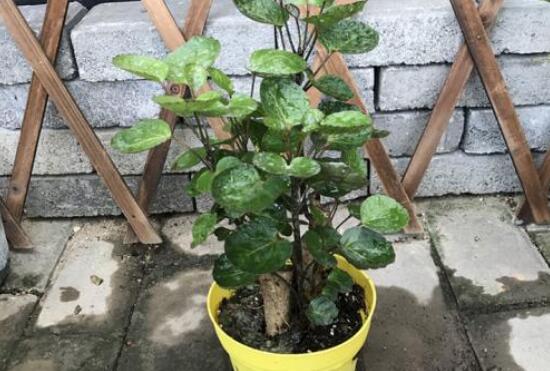
Polyscias likes high temperatures and humid environments. It is relatively shade-tolerant, fears scorching sun, is not cold-tolerant, and fears waterlogging. So how do you grow Polyscias? You should place it in a bright spot indoors, avoid direct strong light, and take good warmth measures in winter. As for soil, good air permeability is sufficient.
II. Cultivation methods and precautions for Polyscias
1. Soil
How do you grow Polyscias? The editor suggests replacing the potting soil. Nowadays, the Polyscias bonsai of flower enthusiasts are basically purchased online, with existing potting soil, but that soil is very cheap. It is fine for normal maintenance, but if you want to grow it well, it is best to reselect the soil.
Soil selection: According to the growth habits of Polyscias, although it is not strict about soil, it grows best in soil with good drainage and air permeability. For this, the editor recommends using soil mixed with peat, coarse sand, coal cinders and garden soil.
2. Light
Light is the key to plant growth, and in the cultivation methods of Polyscias, light especially needs attention. Polyscias likes light, but it is relatively shade-tolerant and fears scorching sun, so when growing it indoors, it is best to place it in a bright, ventilated spot, and take shading measures in summer.
3. Temperature
How do you grow Polyscias? Temperature is also a part that cannot be ignored. It is understood that Polyscias likes high-temperature environments, and the most suitable growth temperature is 15-30°C. To make Polyscias grow well, it is best to adjust the room temperature according to the season, among which from April to October keep it at 20-30°C, and from October to the following April keep it at 13-20°C.
Precautions: Polyscias is not cold-tolerant, and in winter the room temperature should also be maintained no lower than 10°C, otherwise it will affect the plant's growth, and if the temperature is a bit lower, it may even die. In addition, when the summer temperature is higher than 32°C, attention should also be paid: the potted plant should be placed in a shady spot, and water should be sprayed around it to cool it down, with the best temperature controlled at 30°C.
4. Watering
Water is the source of life, so in the cultivation methods of Polyscias, watering is an indispensable part. Polyscias likes humid environments, but it is drought-tolerant and fears waterlogging, so watering should follow the principle of “do not water until dry, and water thoroughly when watering”.
Precautions: When the temperature is higher than 30°C, be sure to spray water on the plant every day to keep the potting soil slightly moist; in winter, watering should be gradually reduced, and you should also use spraying instead of watering to maintain air humidity.
5. Fertilizing
How do you grow Polyscias? Having covered watering, let's talk about fertilizing, which is also very important in the growth process of Polyscias. During its growing season, in order to maintain good growth of the plant, flower enthusiasts should apply a dilute liquid fertilizer once a month; if yellowing of Polyscias leaves occurs during this period, an appropriate amount of ferrous sulfate can be included when topdressing.
6. Repotting
Indoor potted plants all need repotting after being grown for a long time, and the same is true for Polyscias. Flower enthusiasts should repot it once every 1-2 years, especially when it is difficult for water and fertilizer to penetrate into the soil after watering and fertilizing, or when a large amount of water accumulates in the pot causes severe root rot, it is even more necessary to repot in time.
Overall, Polyscias is still quite easy to grow, but to make it look beautiful, you need to put in more effort and care for it according to the requirements above, so that it can grow lush and flourishing. Regarding the cultivation methods and precautions for Polyscias, the editor has introduced them here. Interested flower enthusiasts might as well try growing it~
How to grow round-leaf Polyscias, round-leaf Polyscias cultivation methods
Round-leaf Polyscias is also known as round-leaf Polyscias balfouriana. Round-leaf Polyscias has upright stems and bright, varied leaves, making it a good foliage plant. So how do you grow round-leaf Polyscias? Next, let's take a look at the cultivation methods for round-leaf Polyscias.
I. How to grow round-leaf Polyscias
Round-leaf Polyscias is native to the Pacific Islands. It likes warm, humid and sunny environments, is tolerant of partial shade, not cold-tolerant, and fears drought. At home, it can be placed in a bright indoor spot for a long time. If it can see several hours of sunlight indoors every day, it will grow even more vigorously. In summer, avoid direct outdoor strong sunlight. During the growing season, keep the potting soil moist but not waterlogged, and often spray the plant with water close to room temperature to increase air humidity and keep the leaf color fresh.
II. Cultivation methods for round-leaf Polyscias
1. Soil: For growing round-leaf Polyscias, it is best to choose loose, fertile, well-drained sandy loam. For potting soil, mix 4 parts leaf mold, 4 parts garden soil, 2 parts sand and a small amount of decomposed cake fertilizer powder or bone meal.
2. Temperature: The suitable growth temperature for round-leaf Polyscias is 15-30°C, and the lowest cultivation temperature should not be lower than 10°C, otherwise the plant will suffer cold damage. When the temperature is too high, place it in a shady spot or provide shading, and spray water around the plant to cool it down.
3. Light: Growing round-leaf Polyscias requires sufficient light. Insufficient light easily causes leggy stems and leaves, dull leaf color, and fading patterns, while strong direct sunlight will burn the leaves of round-leaf Polyscias. Therefore, in summer provide appropriate shading, and in winter place it in a brighter indoor spot.
4. Watering: Round-leaf Polyscias likes a relatively humid environment. During the growing season, watering should be sufficient but moderate, and waterlogging should not occur, so as to avoid root rot. In midsummer when the temperature is higher, in addition to watering more, it is also necessary to spray the leaf surface once a day to increase air humidity. When the temperature is below 15°C, watering should be controlled, or spraying used instead of watering, keeping the potting soil slightly moist and a bit dry.
5. Fertilizing: For home potted plants, apply a special fertilizer for foliage plants or decomposed dilute liquid fertilizer once every 2 weeks or so. If it is a variegated variety, note that the nitrogen content in the fertilizer should not be too high, so as to avoid the patterns on the leaves fading or even disappearing. After Mid-Autumn Festival, stop applying nitrogen fertilizer and apply 1-2 topdressings of phosphorus and potassium fertilizer to increase the plant's cold resistance and help it overwinter smoothly. After winter begins, stop fertilizing to avoid damaging the roots.
6. Pest and disease control: Round-leaf Polyscias is prone to anthracnose, scale insects and other damage, which should be controlled in time. If disease occurs, diseased leaves should also be promptly removed and destroyed.
The above isround-leaf Polyscias cultivation methodsintroduction. Round-leaf Polyscias plants of different sizes decorate the living room, bedroom, study, balcony and other places. They are both fashionable and elegant, and natural and fresh, making them a good choice.
Cultivation methods and precautions for Polyscias
Chinese scientific name: PolysciasLatin scientific name: Polyscias guifoylei BaileyOther names: round-leaf Polyscias, round-leaf Ming AraliaKingdom: PlantaePhylum: AngiospermsClass: DicotyledonsFamily: AraliaceaeGenus: PolysciasDistribution area: native to the Pacific IslandsPolyscias (scientific name: Polyscias guifoylei Bailey), also known as round-leaf Polyscias and round-leaf Ming Aralia, is an evergreen shrub of the family Araliaceae. Native to the Pacific Islands. The plant height is 1~3 m, the side branches are slender, and the branch lenticels are prominent. Leaves alternate, odd-pinnately compound, leaflets 3~4 pairs, opposite, elliptical or oblong, serrate margins, leaf green often with white spots, umbellate inflorescences, flowers small. Pale white-green. Mainly used for potted plants, garden trees and hedges. Contact with its sap may cause a red rash; when it touches the mouth, it sometimes causes swelling and pain that makes swallowing impossible.1. Morphological characteristics
Evergreen shrub or small tree, the plant is much branched, the stem is grayish brown, densely covered with lenticels. Branches soft, leaves alternate, odd-pinnately compound, leaflets 3~4 pairs, opposite, elliptical or oblong, serrate margins, leaf green often with white spots, umbellate inflorescences, flowers small. Pale white-green. Mainly used for potted plants, garden trees and hedges.2. Cultivation techniques
Propagation methods
CuttingsThis can be done in both spring and autumn, but spring cuttings give better results. From March to April, cut 10-15 cm leaf sections, keeping only 2-3 leaves at the end, with the lower cut preferably located 0.2 cm below a node, and soak them in 500 ppm indolebutyric acid or No. 1 ABT rooting solution for 10 seconds, then insert them into a sand bed or vermiculite. For small-scale cuttings, a wide-mouthed flower pot filled with vermiculite can serve as the cutting bed. After watering thoroughly, cover with plastic film to retain moisture, maintain the suitable rooting temperature of 25-30°C, provide 40-50% shading, and roots will form in 20-30 days. After the cuttings sprout new buds, transplant them into pots.
Layering
From May to June, choose a robustly growing stem, perform ring barking 20-25 cm from its top, with the bark removal width about 2-3 times the stem diameter, wrap the ring-barked area with peat soil or mud, knead it into a soil ball, bind it tightly on the outside with plastic film, and leave a water collection opening at the upper end. If the stem is relatively thin and cannot support the soil ball, insert a bamboo pole as support and tie the soil ball against the bamboo pole.
Maintenance and management
TemperatureIts suitable growth temperature is 15-30°C, among which from April to October it can be kept at 20-30°C, and from October to the following April at 13-20°C. Beautiful plants are usually a bit delicate, and Polyscias is the same. Its variegated-leaf varieties are somewhat less cold-resistant. Under normal circumstances, even for ordinary pure green-leaf varieties, the room temperature in winter should be maintained no lower than 10°C. When the summer temperature reaches above 32°C, it cannot be left to its own devices either: for mass production, shade sheds should be set up, and for home viewing, it should be placed in a shady spot and water sprayed around it to cool it down, creating a cool micro-environment relatively close to its native conditions. In late autumn and early winter, when the temperature drops to 15°C, it should be moved indoors in time to prevent the plant from suffering cold damage. In winter, if the room temperature can be maintained above 20°C, its stems and leaves will continue to grow; if the temperature is not high, the plant stops growing and enters a semi-dormant state.
Light
Taking round-leaf Polyscias as an example, it needs bright light. Insufficient light easily causes leggy stems and leaves, dull leaf color, and fading patterns, but at the same time it fears strong direct sunlight, especially in early summer after a long rainy period when the sky just clears, so as to prevent the leaves from being scorched. For home potted plants, it can usually be placed in a well-ventilated spot. In summer it can be placed in front of a north- or east-facing window, and in winter it should be placed in a brighter indoor spot. For commercial cultivation, from mid-spring to Mid-Autumn Festival, it should be placed under a shade shed, with 40-60% shading according to the light intensity and duration. In short, it grows most vigorously in a semi-lit environment with bright scattered light.
Moisture
Potted Polyscias likes a relatively humid soil and air environment. During the growing season, there must be sufficient water supply. Water after the surface of the potting soil dries; it does not matter if the soil is slightly dry, but do not water too much, so as to avoid waterlogging and root rot. In midsummer when the temperature is higher, in addition to sufficient watering, it is also necessary to spray the leaf surface once a day, which can both keep the leaf surface clean and bright and increase the air humidity around the plant. In late autumn and early winter, when the temperature drops below 15°C, watering should be controlled. In winter, the amount of water should be reduced, or spraying used instead of watering, keeping the potting soil slightly moist and a bit dry, but when spraying the leaf surface, note that the water temperature should be basically the same as room temperature.
Soil
Loose, fertile, well-drained sandy loam is best, providing it with a loose, moist and fertile soil environment. For potting soil, mix 4 parts leaf mold, 4 parts garden soil, 2 parts sand and a small amount of decomposed cake fertilizer powder or bone meal. During the growing season, combined with fertilizing, loosen the soil of the potted plant once a month, so that the potting soil remains well aerated for a long time and root rot caused by soil compaction is avoided. For plants in open ground or under shade sheds, during the plum rain season or continuous rainy weather, inspections should be strengthened. If water accumulation is found in the pot, it should be poured out in time and the soil replaced, so as to avoid leaf drop or root rot. Under normal circumstances, replace the soil once every two years in spring.
Fertilizing
Round-leaf Polyscias and others require sufficient fertilizer. From April to June, when growth is vigorous, apply a dilute cake fertilizer liquid once a month, or use decomposed low-concentration poultry manure liquid, but organic fertilizer must not adhere to the leaf surface. Fertilizing can be scheduled after loosening the soil and pruning or pinching, or before rain. After applying organic fertilizer, it is best to rinse the leaf surface once with water. For home potted plants, a mixed liquid of 0.2% urea and 0.1% potassium dihydrogen phosphate can be applied, or a small amount of multi-element slow-release compound fertilizer granules can be spread or buried on the surface of the potting soil. After Mid-Autumn Festival, stop applying nitrogen fertilizer and apply 1-2 topdressings of phosphorus and potassium fertilizer to increase the plant's cold resistance and help it overwinter smoothly. After winter begins, the plant has stopped growing, so fertilizing should be stopped to avoid damaging the roots.
Pest and disease control
AnthracnoseThis disease mostly occurs at the leaf tip or leaf margin, starting as small water-soaked yellow spots, with a grayish white or grayish brown center, with indistinct cloud-like markings, and dark brown edges; later, many small black spots appear on the lesions, arranged in concentric rings, and finally the lesions dry up. The disease is most severe under conditions of insufficient light, poor ventilation and excessive nitrogen fertilizer. Strengthen light and ventilation, and pay attention to the balance of nitrogen, phosphorus and potassium when fertilizing. If disease occurs, promptly remove and destroy diseased leaves. In the early stage of the disease, spray the plant with 80% carbendazim-thiram wettable powder 800 times solution, or 50% carbendazim wettable powder 600 times solution, or 50% thiophanate-methyl wettable powder 600 times solution, or an equal-volume mixture of 75% chlorothalonil 1000 times solution and 70% thiophanate-methyl 1000 times solution; the last one has the best effect. Spray once every 10 days, and 3-4 consecutive times is sufficient.
Scale insects
Under conditions of poor ventilation, poor light, and high temperature and high humidity, the plant is prone to damage by various scale insects. During the peak hatching period of nymphs, spray the plant with 25% buprofezin wettable powder 1500 times solution, or 40% methidathion 2000 times solution, or 40% omethoate emulsifiable concentrate 1000 times solution.