What to do when the leaves of the mirror grass turn yellow? Supplement light, provide shade, and prevent pests and diseases
The plant known as mirror grass is probably familiar to flower enthusiasts; its leaves are large and round, very much like the mirrors used in ancient times, and growing it as a potted plant at home gives excellent ornamental value. Such a plant is naturally kept in many homes, but during cultivation, quite a few enthusiasts' plants develop yellow leaves, which affects the ornamental appearance. So what should be done when the leaves of mirror grass turn yellow? Today the editor will solve this problem for everyone.
I. What to do when the leaves of mirror grass turn yellow
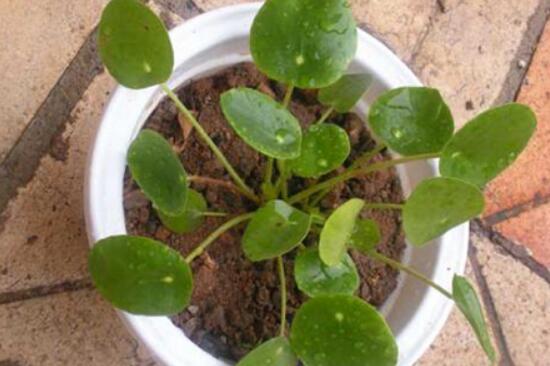
If the yellowing of mirror grass leaves is caused by a sudden change in environment, simply create the most suitable growing environment for it; if it is caused by insufficient light, then supplement the light; if there is too much water, loosen the soil more, and if root rot appears, the rotten roots also need to be cut off and the potting soil replaced for replanting; if it is caused by too low a temperature, adjust the temperature; if pests or diseases are encountered, promptly spray pesticide for prevention and control.
II. Causes of yellowing leaves in mirror grass and solutions
1. Sudden environmental change
When talking about the causes of yellowing leaves in mirror grass, if it is a newly bought potted plant, everyone should consider environmental factors. Nowadays, most of the mirror grass potted plants kept by flower enthusiasts are bought online, which easily results in a large regional difference, and the environment changing too much all at once, so the mirror grass cannot adapt for a while and its leaves turn yellow.
Solution: It is very simple. If a newly bought mirror grass develops yellow leaves, according to the growth habits of mirror grass, provide it with the most suitable growing environment, and after a period of time, the plant will recover its health.
2. Too little light
Although mirror grass is shade-tolerant, as a foliage plant it still has a need for light. Once it is kept in a dark place for a long time, its leaves will turn yellow because they lack the nutrients from photosynthesis.
Solution: It is very simple, just supplement the light, but avoid direct sunlight, especially in summer, be sure to provide shade so the leaves are not scorched. The best method is to move the potted plant to a place with plenty of diffused light.
3. Too much watering
Mirror grass likes a humid environment, and during cultivation we should water frequently. However, although mirror grass likes water, keeping the potting soil from drying out is enough; do not water too much, otherwise water will accumulate in the pot, causing the root system to rot, and its leaves will turn yellow because they cannot absorb nutrients.
Solution: Loosen the soil more, and move the potted plant to a ventilated, sunny place so the water evaporates quickly; if it is discovered too late and the root system has rotted, everyone also needs to take the plant out of the pot, cut off the rotten roots, and then replace the potting soil and replant.
4. Temperature too low
Mirror grass likes a warm environment and is relatively cold-tolerant, but the overwintering temperature should be kept at 7°C, otherwise yellowing leaves, curled leaves, leaf drop, and even frost damage may occur in mirror grass.
Solution: After winter arrives, everyone should move the mirror grass indoors for care, and it is best to keep the room temperature above 7°C.
5. Pests and diseases
If the above points can be ruled out, then the yellowing leaves of mirror grass may be caused by pests and diseases. Although mirror grass is not prone to insects or disease, under improper care and in a non-ventilated environment, it can also suffer from pest infestation and disease infection. And the appearance of these pests and diseases may cause the leaves of mirror grass to turn yellow.
Solution: It is very simple. Determine the specific pest or disease, then spray pesticide accordingly for prevention and control. As for what pesticide to spray, you can refer to the pest and disease control for mirror grass.
Overall, the cultivation method of mirror grass is not difficult, but because many flower enthusiasts are beginners, yellow leaf symptoms will inevitably appear. However, after reading the whole article, I believe everyone has a clear idea now; when yellow leaf problems appear, just solve them according to the methods above. The editor will introduce this much about yellowing leaves of mirror grass, hoping it can help everyone.
How to grow mirror grass, the cultivation methods and precautions for mirror grass / likes diffused light
Mirror grass gets its name because its leaves resemble the mirrors used by ancient immortals to look at their faces. It is a beautiful foliage plant and is deeply loved by flower enthusiasts. In daily life, many people want to keep a pot of mirror grass at home, so how do you grow mirror grass? Below are the cultivation methods and precautions for potted mirror grass carefully compiled by the editor, very comprehensive, not to be missed~
I. How to grow mirror grass, understand its habits
Mirror grass likes a warm, humid environment. It is cold-tolerant and shade-loving, and fears strong light, so how do you grow mirror grass? When keeping it indoors, it should be placed in a place with plenty of diffused light, and watered frequently to keep the potting soil slightly moist. As for the potting soil, it is best to choose moist and well-drained peat soil.
II. Cultivation methods and precautions for mirror grass
1. Soil
How to grow indoor mirror grass? First of all, the soil should be reselected. Nowadays, the mirror grass of flower enthusiasts is basically bought online; there are existing potted plants, and normal care can ensure plant growth, but that soil is very cheap. If you want mirror grass to grow well, it is best to reselect the soil.
Soil selection: According to the growth habits of mirror grass, it likes loose, fertile soil with good drainage and aeration. For this, the editor recommends using soil mixed from 3 parts leaf mold, 3 parts garden soil, 2 parts river sand or furnace ash, and 1 part decomposed organic fertilizer. It is best to place tiles at the bottom of the flowerpot to facilitate drainage.
2. Light
Mirror grass is a foliage plant, so its need for light is quite high, but it fears strong light. Therefore, when growing it indoors, it should be placed in a place with plenty of diffused light but able to avoid strong light.
Precautions: Mirror grass has high light requirements; it cannot be too strong, nor too shaded. Once the light is too strong, its leaves are easily scorched; once it is too shaded, the leaves also tend to become thinner, and the leaf stalks lengthen, causing the leaves to droop.
3. Temperature
How to grow mirror grass? Properly adjusting the temperature is also very necessary. It is understood that mirror grass likes a warm environment, and the most suitable growth temperature is 15-20°C. If you want it to grow well, it is best to maintain this growth range.
Precautions: Although mirror grass is relatively cold-tolerant, the overwintering temperature should be kept at 7°C, otherwise yellowing leaves, curled leaves, leaf drop, and even frost damage may occur in mirror grass; at the same time, mirror grass also fears high temperatures. When the temperature is above 30°C, the plant's growth will stagnate, and the leaves are also prone to falling off.
4. Watering
Water is the source of life. In the cultivation methods and precautions for mirror grass, watering is an indispensable part. Because mirror grass likes a humid environment, it should be watered more often in normal times to keep the potting soil moist. When the winter temperature is below 12°C, the frequency of watering should be controlled, otherwise it is prone to rot, which is not good for overwintering.
Precautions: Mirror grass has high water requirements. If watering is insufficient, yellowing and drooping leaves are likely to appear, and in severe cases the leaves may wrinkle or even die; at the same time, mirror grass fears water accumulation, so watering should not be excessive, otherwise the leaves will change color, and the root system may even rot and die.
5. Fertilizing
Having discussed watering, let's talk about fertilizing, which is also very important in the cultivation methods for mirror grass. Spring and summer are the growing season for mirror grass. At this time, fertilize once every half month with dilute liquid fertilizer, and at the same time often irrigate with a 0.1%-0.5% potassium dihydrogen phosphate solution or spray it on the leaves.
Precautions: Because the stems and leaves of mirror grass are fleshy, it needs fertilizer but is not tolerant of concentrated or heavy fertilizer. When fertilizing it, apply small amounts multiple times, and irrigation with dilute fertilizer water is most suitable. Once too much fertilizer is applied, it will cause leggy leaves and lodging of the plant, and in severe cases it will also cause root rot or even death of the plant.
6. Pests and diseases
During the growth of mirror grass, due to various reasons, the plant will inevitably suffer from pest infestation. According to research, the main pests and diseases include: scale insects, red spider mites, leaf spot disease, anthracnose, etc., all of which harm the health of the plant. So once discovered, everyone should immediately spray pesticide for prevention and control. As for what pesticide to spray, you can refer to the pest and disease control for mirror grass.
What is mirror grass? Cultivation methods for mirror grass
Because of its beautiful leaf shape, ease of cultivation, and cold tolerance and shade preference, mirror grass is extremely suitable for indoor planting and is also a good material for decorative bonsai. Below, let's talk about what mirror grass is and the cultivation methods for mirror grass.
What is mirror grass
Mirror grass is also called Cuiping grass, and is a perennial fleshy herbaceous plant in the family Urticaceae and genus Pilea. Although mirror grass is not a mirror, its thick, nearly round fleshy leaves, with leaf stalks attached in a peltate manner, closely resemble the mirrors used by ancient immortals to look at their faces, so people affectionately call it mirror grass. The leaves of mirror grass are dark green and glossy, and at the upper center of the leaf where the leaf stalk is attached there is a golden yellow round dot, so people also call it "one dot of gold." Radiating leaf veins extend from the center to all sides, so some also call it "gold thread grass." The emerald green leaves also resemble a round screen, so people in Yunnan generally call it "Cuiping grass."
Mirror grass is relatively cold-tolerant and is a cold-tolerant, shade-loving plant. Although it likes shade, it also grows well in a sunny greenhouse, with a suitable growth temperature of about 15°C; it is suitable for growing in relatively moist, well-drained peat soil. In Yunnan and areas outside South China, it is mostly grown as a greenhouse potted plant, and household potting is also very suitable.
Cultivation methods for mirror grass
1. Soil: The soil used for potting can be a culture soil mixed from leaf mold, garden soil, plus a little river sand, furnace ash, and bone meal. A sandy loam that is loose, fertile, well-drained, and rich in humus is best. For home cultivation, you can choose a mix of 3 parts leaf mold + 3 parts garden soil + 2 parts river sand or furnace ash + 1 part decomposed organic fertilizer. When planting, there should be well-drained humus soil mixed with sand; and tiles should be used to cushion the bottom of the pot to facilitate drainage.
2. Light: Mirror grass is a shade-tolerant plant, but it also likes light. Strong light is not allowed; diffused light is preferable. If the light is too strong or too shaded, the leaf gloss is easily faded or lost. When it is too shaded, the leaves also tend to become thinner, and the leaf stalks lengthen, causing the leaves to droop. When the winter temperature is low, full-sun care can be given.
3. Temperature: The suitable growth temperature is between 15-20°C, and overwintering should be kept above 7°C, otherwise it is prone to leaf drop, or even death from freezing damage. When the summer temperature is above 30°C, growth stagnation will occur, and the leaves are prone to falling off. In particular, note that a sudden drop in temperature will cause the leaf stems to change color and partially fall off. If the leaves fall off due to freezing damage, but if the stem is not damaged, it can be managed according to routine overwintering care, and in the following spring it can still put out leaves and become a plant again. In summer, do not place it in direct strong sunlight.
4. Humidity: It is not suitable for a dry environment. The growing environment should maintain relatively high air humidity, and water should often be sprayed on the growing environment and leaves to increase humidity so that it grows well.
5. Watering: It likes water but fears waterlogging. The potting soil can be kept moist. Drought easily causes wilting and drooping, and in severe cases the leaves wrinkle or turn yellow and die. When the winter temperature is below 12°C, the frequency of watering should be controlled, otherwise it is prone to rot, which is not good for overwintering. Keep the potting soil moist often, but avoid water accumulation to prevent leaf discoloration, wilting, or even stem rot. Watering should follow the principle of watering when dry and stopping when wet. To maintain air humidity, you can often spray the leaf surface. During the entire growth period, the pot should mainly remain moist; in winter it can be relatively drier, but there must not be a dry condition, otherwise the leaves are prone to withering and blackening. In dry seasons, often spray water on the leaf surface and surroundings to create a small humid environment.
6. Fertilizing: The stems and leaves of mirror grass are fleshy, and it is not tolerant of concentrated or heavy fertilizer. It should be applied in small amounts multiple times, and irrigation with dilute fertilizer water is most suitable. Fertilizing should stop when the temperature is above 28°C or below 12°C. During the growing season, apply dilute liquid fertilizer once every half month. The whole spring and summer is the vigorous growth period of mirror grass, so fertilizer and water management should be strengthened, and a 0.1%-0.5% potassium dihydrogen phosphate solution should often be used for irrigation or leaf spraying. During spring, supplement a small amount of nitrogen fertilizer from time to time, and in summer apply as little nitrogen fertilizer as possible or none at all. During the growing season, apply dilute liquid fertilizer once every half month, but note that too much nitrogen fertilizer will cause leggy leaves and lodging of the plant, and concentrated fertilizer and raw fertilizer will cause root rot or even death of the plant.
7. Pest and disease control: Common hazards include anthracnose and scale insects. For anthracnose, spray anthracnose Fumei, carbendazim, etc.; for scale insects, spray methidathion, chlorpyrifos, etc. It is susceptible to leaf spot disease, which can be sprayed with a 600-fold dilution of 50% carbendazim, once every ten days, spraying continuously 3 times. If there are hazards such as cottony cushion scale, spray the leaves with a 1000-fold dilution of 40% omethoate.
The above is the relevant knowledge about mirror grass introduced for everyone, hoping it can help everyone. For more home knowledge, please pay attention.