What to do when the leaf tips of Ardisia crenata turn yellow? Causes and care points, avoid waterlogging
Ardisia crenata, also known as coral ardisia, is an ornamental berry plant. Its small red berries, paired with evergreen leaves, look absolutely beautiful! But during cultivation, many gardeners inevitably run into problems with their Ardisia crenata, such as yellowing leaf tips. So what causes yellowing leaf tips on Ardisia crenata? How should you grow Ardisia crenata so it does not develop yellow leaves? Here, the editor will answer your questions.
I. What causes yellowing leaf tips on Ardisia crenata
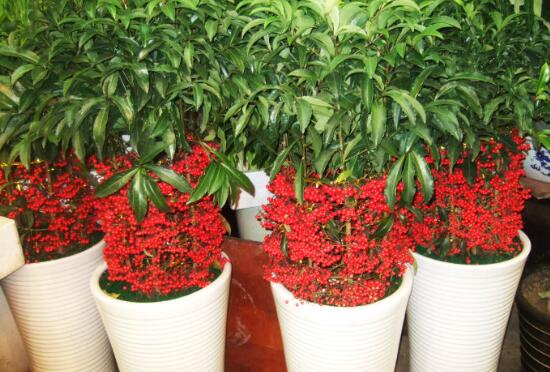
Because Ardisia crenata has powerful benefits, many people grow it at home, but during cultivation, the appearance of yellow leaves is very troublesome. As for what causes yellowing leaf tips on Ardisia crenata, there are human factors, such as overwatering, or pest infestation, and there are also environmental factors, such as low temperatures. Let us continue reading below for the specific symptoms of yellowing leaves and their solutions.
1. Overwatering
Ardisia crenata likes a moist environment, and watering should be adjusted promptly according to seasonal changes. However, no matter how you adjust it, watering Ardisia crenata should keep the potting soil from drying out, and you must never water too much, otherwise water will accumulate in the pot, causing root rot, and the leaves will turn yellow because they cannot absorb nutrients.
Solution: When overwatered, loosen the soil more and move the potted plant to a ventilated, sunny spot so the water evaporates quickly; if you do not notice in time and the roots have rotted, you will also need to take the plant out of the pot, trim the rotten roots, then change the potting soil and replant.
2. Temperature too low
Ardisia crenata likes a warm environment and is relatively drought-tolerant; in winter it can tolerate low temperatures of -4°C. However, tolerating cold is one thing; in winter, if the temperature is too low, although Ardisia crenata will not die, it will grow poorly, and its leaves will easily turn yellow.
Solution: After winter arrives, you should move Ardisia crenata indoors for care, and it is best to keep the room temperature above 8°C.
3. Pests and diseases
During the cultivation of Ardisia crenata, although it is not prone to pests and diseases, under improper care and in a poorly ventilated environment, it can still be attacked by pests and infected by diseases. And the appearance of these pests and diseases may cause the leaf tips of Ardisia crenata to turn yellow.
Solution: Very simple, identify the specific pest or disease, then spray the corresponding pesticide for control. As for what pesticide to spray, you can refer to pest and disease control for Ardisia crenata.
II. How to grow Ardisia crenata so it does not develop yellow leaves
1. Watering
The causes of yellowing leaf tips on Ardisia crenata are mainly related to water and temperature, so how do you grow Ardisia crenata so it does not develop yellow leaves? First, water reasonably. It is said that Ardisia crenata likes a moist or slightly dry environment. When watering it, you should not give too much or too little; keeping the potting soil slightly moist is enough. Watering should be done after the soil dries out; when the temperature is high, water in the morning and evening, and when the temperature is low, water at noon.
2. Keeping warm
Ardisia crenata is native to subtropical regions, so it is relatively sensitive to temperature. Although it is fairly cold-tolerant, in winter, when the ambient temperature is below 8°C, it will stop growing. So how do you grow Ardisia crenata so it does not develop yellow leaves? You should take good warming measures in winter, and it is best to keep the room temperature above 8°C.
Overall, the cultivation method for Ardisia crenata is not difficult, but because many gardeners are beginners, yellowing leaves will inevitably appear. However, after reading the whole article, I believe you now have a clearer idea. If yellowing leaves occur, just solve the problem according to the methods above. That is all the editor has to introduce about yellowing leaf tips on Ardisia crenata, and I hope it can help everyone.
How to save lucky bamboo with yellowing leaves: ways to handle yellowing leaves
Lucky bamboo (Dracaena sanderiana) likes shady, humid, high-temperature conditions, is tolerant of waterlogging, has strong fertilizer tolerance and strong cold resistance, likes semi-shaded environments, and is suitable for growing in well-drained sandy soil or semi-muddy sand and alluvial clay. So how do you save lucky bamboo with yellowing leaves? Today, the editor of wed114 wedding website brings you ways to handle yellowing leaves on lucky bamboo.
How to save lucky bamboo with yellowing leaves
1. Improper watering causes yellowing leaves on lucky bamboo
Cause of yellowing:
Improper watering causes plants to turn yellow; this is a common problem for many plants. Lucky bamboo can also develop yellow leaves due to improper watering.
When improper watering causes yellowing leaves on lucky bamboo, there are generally two situations: overwatering or underwatering.
When overwatered, water accumulates in the pot, causing poor root respiration in lucky bamboo; the young leaves turn dark yellow and lose their luster, but the old leaves show no obvious change. When underwatered, the leaf tips or edges of lucky bamboo will dry out, but the new leaves grow normally. For yellowing leaves on lucky bamboo caused by improper watering, you need to work on the watering aspect. So how should it be solved?
Handling method:
If you find that the yellowing leaves on lucky bamboo are because too much water was given, just take the plant out of the pot, let it air-dry in a cool place, and then put it back in the pot. But if it is because watering was too little and the potting soil is dry, then simply water it directly. However, if it has not been watered for a long time, do not water too much at once; water thoroughly gradually.
2. Improper lighting causes yellowing leaves on lucky bamboo
Cause of yellowing
Light is also a major factor affecting the growth of lucky bamboo; too much or too little light can cause yellowing leaves on lucky bamboo.
Lucky bamboo likes shade. If exposed to strong light, the leaves will turn yellow, that is, it develops sunscald. But the growth of lucky bamboo cannot do without light either. If lucky bamboo is placed in a shaded spot for a long time, the leaves cannot get enough sunlight and cannot carry out photosynthesis to accumulate nutrients, and the leaves of lucky bamboo will gradually lose their luster due to lack of chlorophyll.
How to solve it
Lucky bamboo is a shade-loving plant. During care, it needs to be placed in a bright, cool place, and attention should be paid to proper shading. If lucky bamboo shows yellowing leaves, you can move the potted lucky bamboo according to the lighting conditions. When the light is too strong, move the plant to a cool place in time, or take shading measures, while when the light is too weak, immediately move the plant to a bright place for care.
How to save lucky bamboo with yellowing leaves
3. Improper fertilizing causes yellowing leaves on lucky bamboo
Cause of yellowing
Fertilizer is crucial to plant growth, but improper fertilizing can cause various problems.
For lucky bamboo, if too much fertilizer is applied, the tips of new leaves will appear dry and brown; although the leaves are thick, they lack luster and are uneven, while the old leaves turn scorched yellow and gradually fall off. If fertilizer is insufficient, nutrients will be inadequate and the leaves will turn yellow, mainly shown by the young leaves fading in color, becoming yellow or pale green rather than green, while the old leaves generally show no major change at this time.
Basically, for household fertilizing, people buy professional flower fertilizer from flower shops, and the content of each element is relatively sufficient. But lucky bamboo can also develop yellow leaves due to iron deficiency, and then iron needs to be supplemented with emphasis.
How to solve it
Determine the cause of yellowing in lucky bamboo according to its yellowing condition. If the yellowing leaves on lucky bamboo are due to overfertilizing, then stop fertilizing and water. In severe cases, take the lucky bamboo out of the pot, clean the roots, and replant. During care, check the potting soil in time; if the soil is found to be compacted, it proves that the soil nutrients are insufficient and the soil needs to be changed in time. Of course, you can also put some ferrous sulfate in water to water the lucky bamboo, and some people will find a few rusty iron nails, put them in water for a few days, and then use it. These methods can all supplement iron for lucky bamboo.
4. Improper shaping causes yellowing leaves on lucky bamboo
Cause of yellowing
Lucky bamboo grows quickly and tends to become crowded. If you do not pay attention to shaping it normally, excessive nutrient loss will cause the leaves to turn yellow, and the potted lucky bamboo will lose its beauty and be less ornamental.
How to solve it
In daily care of lucky bamboo, pay attention to pruning and shaping. When changing the pot and adding soil, prune old roots in time and thin out excess stems and leaves, so as to avoid excessive nutrient consumption and also play a role in nourishing roots and protecting leaves.
How to save lucky bamboo with yellowing leaves
5. What to do when water-cultured lucky bamboo has yellowing leaves
Cause of yellowing
When hydroponically grown lucky bamboo develops yellowing leaves, the cause is actually also improper light and fertilizing, but because it is hydroponic, yellowing leaves on lucky bamboo may also be related to water quality. Poor water quality causes root rot and blackening, which in turn causes yellow leaves. The causes of yellow leaves also include improper placement; lucky bamboo should not be placed too close to a TV or refrigerator.
Solution
Find a solution according to the yellowing performance of lucky bamboo. For specifics, you can look at what to do when hydroponic lucky bamboo has yellowing leaves, and use it as a reference!!
What to do when lucky bamboo has yellowing leaves
Improper watering causes yellowing leaves on lucky bamboo
Cause of yellowing
Improper watering causes plants to turn yellow; this is a common problem for many plants. Lucky bamboo can also develop yellow leaves due to improper watering.
When improper watering causes yellowing leaves on lucky bamboo, there are generally two situations: overwatering or underwatering.
When overwatered, water accumulates in the pot, causing poor root respiration in lucky bamboo; the young leaves turn dark yellow and lose their luster, but the old leaves show no obvious change. When underwatered, the leaf tips or edges of lucky bamboo will dry out, but the new leaves grow normally. For yellowing leaves on lucky bamboo caused by improper watering, you need to work on the watering aspect. So how should it be solved?
How to solve it
If you find that the yellowing leaves on lucky bamboo are because too much water was given, just take the plant out of the pot, let it air-dry in a cool place, and then put it back in the pot. But if it is because watering was too little and the potting soil is dry, then simply water it directly. However, if it has not been watered for a long time, do not water too much at once; water thoroughly gradually.
Improper lighting causes yellowing leaves on lucky bamboo
Cause of yellowing
Light is also a major factor affecting the growth of lucky bamboo; too much or too little light can cause yellowing leaves on lucky bamboo.
Lucky bamboo likes shade. If exposed to strong light, the leaves will turn yellow, that is, it develops sunscald. But the growth of lucky bamboo cannot do without light either. If lucky bamboo is placed in a shaded spot for a long time, the leaves cannot get enough sunlight and cannot carry out photosynthesis to accumulate nutrients, and the leaves of lucky bamboo will gradually lose their luster due to lack of chlorophyll.
How to solve it
Lucky bamboo is a shade-loving plant. During care, it needs to be placed in a bright, cool place, and attention should be paid to proper shading. If lucky bamboo shows yellowing leaves, you can move the potted lucky bamboo according to the lighting conditions. When the light is too strong, move the plant to a cool place in time, or take shading measures, while when the light is too weak, immediately move the plant to a bright place for care.
Improper fertilizing causes yellowing leaves on lucky bamboo
Cause of yellowing
Fertilizer is crucial to plant growth, but improper fertilizing can cause various problems.
For lucky bamboo, if too much fertilizer is applied, the tips of new leaves will appear dry and brown; although the leaves are thick, they lack luster and are uneven, while the old leaves turn scorched yellow and gradually fall off. If fertilizer is insufficient, nutrients will be inadequate and the leaves will turn yellow, mainly shown by the young leaves fading in color, becoming yellow or pale green rather than green, while the old leaves generally show no major change at this time.
Basically, for household fertilizing, people buy professional flower fertilizer from flower shops, and the content of each element is relatively sufficient. But lucky bamboo can also develop yellow leaves due to iron deficiency, and then iron needs to be supplemented with emphasis.
How to solve it
Determine the cause of yellowing in lucky bamboo according to its yellowing condition. If the yellowing leaves on lucky bamboo are due to overfertilizing, then stop fertilizing and water. In severe cases, take the lucky bamboo out of the pot, clean the roots, and replant. During care, check the potting soil in time; if the soil is found to be compacted, it proves that the soil nutrients are insufficient and the soil needs to be changed in time. Of course, you can also put some ferrous sulfate in water to water the lucky bamboo, and some people will find a few rusty iron nails, put them in water for a few days, and then use it. These methods can all supplement iron for lucky bamboo.
Improper shaping causes yellowing leaves on lucky bamboo
Cause of yellowing
Lucky bamboo grows quickly and tends to become crowded. If you do not pay attention to shaping it normally, excessive nutrient loss will cause the leaves to turn yellow, and the potted lucky bamboo will lose its beauty and be less ornamental.
How to solve it
In daily care of lucky bamboo, pay attention to pruning and shaping. When changing the pot and adding soil, prune old roots in time and thin out excess stems and leaves, so as to avoid excessive nutrient consumption and also play a role in nourishing roots and protecting leaves.
What to do when water-cultured lucky bamboo has yellowing leaves
Cause of yellowing
When hydroponically grown lucky bamboo develops yellowing leaves, the cause is actually also improper light and fertilizing, but because it is hydroponic, yellowing leaves on lucky bamboo may also be related to water quality. Poor water quality causes root rot and blackening, which in turn causes yellow leaves. The causes of yellow leaves also include improper placement; lucky bamboo should not be placed too close to a TV or refrigerator.
Solution
Find a solution according to the yellowing performance of lucky bamboo. For specifics, you can look at what to do when hydroponic lucky bamboo has yellowing leaves, and use it as a reference!!