How to grow Jasminum grandiflorum? Cultivation methods and precautions, fertilize frequently
Jasminum grandiflorum is a fairly common flowering plant worldwide, with high ornamental value, but it is not easy to grow it well, and there are many things we need to pay attention to. How to grow Jasminum grandiflorum? What are the cultivation methods and precautions for Jasminum grandiflorum? Below, the editor will take everyone through it.
1. How to grow Jasminum grandiflorum, understand its habits
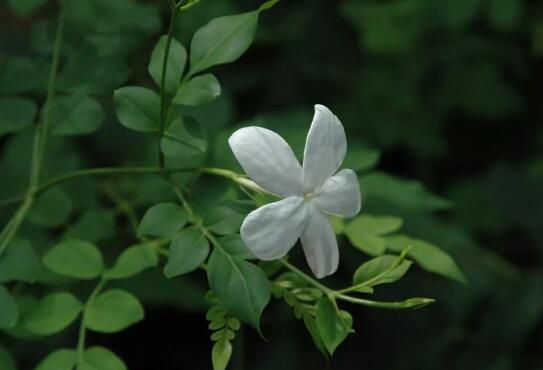
To know how to grow Jasminum grandiflorum, we first need to understand its growth habits. This plant likes to grow in a warm and humid environment, is not cold-tolerant, and is not waterlogging-tolerant, so when watering it we need to pay attention to controlling the amount of water. In addition, we also need to pay attention to daily sunlight, fertilizing, and other aspects. The specific details are introduced in detail below. Let's take a look.
2. Cultivation methods and precautions for Jasminum grandiflorum
1. Soil, sandy loam
Before growing Jasminum grandiflorum, we first need to choose soil. Just like laying the foundation for a house, this is the step of laying a good foundation and is very important. Generally, it is best to choose loose, fertile sandy loam. This kind of soil has good drainage and air permeability, allows the plant to better absorb nutrients, and is not prone to water accumulation.
2. Fertilizing, once every 15 days
Fertilizer is one of the main nutrients in the growth process of Jasminum grandiflorum. Especially after entering its growth period, its demand for fertilizer is very large. Basically, we need to fertilize once every 15 days so that the plant can grow vigorously. However, before fertilizing, there is one thing we need to pay attention to: it must be diluted with water before application. If the concentration is too high, it will burn the plant.
3. Water, avoid water accumulation
Jasminum grandiflorum likes to grow in a warm and humid environment, so when growing it we should water frequently to maintain a certain level of moisture in the soil, so that the plant can grow better. However, we need to pay attention to controlling the amount of watering, because Jasminum grandiflorum is not waterlogging-tolerant. If we water too much and cause water accumulation, it can easily lead to root rot.
4. Light, avoid strong light
Jasminum grandiflorum prefers light but is not tolerant of strong light. In spring and autumn, when the light is relatively mild, we can keep it outdoors to receive all-day sunlight. However, after entering summer, because the light is relatively strong, we still need to provide appropriate shade to avoid burning the plant with strong light.
5. Pruning, branch trimming
During the growth process of Jasminum grandiflorum, we also need to prune it regularly. In early spring each year, we should cut its side branches short, which can promote the sprouting of new branches. After that, one month after its flowering period ends, we also need to cut off its flower branches. However, when pruning, the weather must not be too cold, because after the flower branches are pruned, new branches will sprout, and cold air will freeze and damage the new branches, so everyone should pay attention to this point.
6. Pests and diseases, handle promptly
In the process of growing Jasminum grandiflorum, if we are not careful enough, it is very easy for pests and diseases to take advantage of the situation. Such problems are very harmful to the plant, so once discovered, we must deal with them promptly. As for specific treatment methods, everyone can refer to the article on pest and disease control for Jasminum grandiflorum, which has a detailed introduction.
Winter jasmine. Jasminum nudiflorum Winter jasmine. Illustrated guide: Winter jasmine. How to grow / Winter jasmine. How to propagate
Winter jasmine. ProfileWinter jasmine. Jasminum nudiflorum
Aliases: Golden belt, string of gold, Yunnan winter jasmine, large-leaf winter jasmine, Qingming flower, golden plum, winter jasmine willow
Classification: Shrub flower
Family and genus: Plantae, Angiosperms, Dicotyledoneae, Oleaceae, Jasminum
Full bloom period: Summer
Winter jasmine is a deciduous shrub flowering plant in the Oleaceae family. It is named because it is the earliest among all flowers to bloom, and after its flowers fade, spring arrives with a hundred flowers blooming. Together with plum blossom, narcissus, and camellia, it is collectively called the "Four Friends in the Snow" and is one of China's precious flowers. Winter jasmine not only has dignified and beautiful flower colors and extraordinary temperament, but also has the characteristics of fearing no cold, being not picky about soil and climate, and having strong adaptability, and has always been loved by people. Winter jasmine branches droop, blooming before leaves from late winter to early spring, with golden yellow flowers and verdant green foliage. In landscaping, it is suitable to place by lakesides, streams, bridgeheads, wall corners, or on lawns, forest edges, slopes, and around houses...
Cultivation methods and precautions for winter jasmine. Introduction to winter jasmine
Winter jasmine is a deciduous shrub flowering plant in the Oleaceae family. It is named because it is the earliest among all flowers to bloom, and after its flowers fade, spring arrives with a hundred flowers blooming. Together with plum blossom, narcissus, and camellia, it is collectively called the "Four Friends in the Snow" and is one of China's precious flowers. Winter jasmine not only has dignified and beautiful flower colors and extraordinary temperament, but also has the characteristics of fearing no cold, being not picky about soil and climate, and having strong adaptability, and has always been loved by people.
Winter jasmine branches droop, blooming before leaves from late winter to early spring, with golden yellow flowers and verdant green foliage. In landscaping, it is suitable to place by lakesides, streams, bridgeheads, wall corners, or on lawns, forest edges, slopes, and around houses, and can be used for viewing flowers in early spring. Winter jasmine's landscaping effect is outstanding and quick to show, and it is widely used in various places. In the year of planting, it already has a good landscaping effect. In Shandong, Beijing, Tianjin, Anhui, and other places, there are cases of using winter jasmine as ornamental shrubs for flower beds. Shuyang, Jiangsu, is even the preferred production area for winter jasmine.
Morphological characteristics of winter jasmine. Branches
Winter jasmine is a deciduous shrub plant, upright or creeping, 0.3-5 m tall, with drooping branches. Branches are slightly twisted, smooth and hairless, and branchlets are four-angled, with narrow wings to varying degrees on the angles.
Leaves
The leaves of winter jasmine are opposite, trifoliolate compound leaves, and the base of branchlets often has single leaves; the leaf axis has narrow wings, the petiole is 3-10 mm long and hairless; the leaf blade and leaflets are slightly hairy on both sides when young, and when old only the leaf margin has eyelashes; leaflets are ovate, long ovate or elliptical, narrowly elliptical, rarely obovate, apex acute or obtuse, with a short pointed tip, base cuneate, leaf margin revolute, midvein slightly sunken above and raised below, lateral veins indistinct; the terminal leaflet is larger, 1-3 cm long, 0.3-1.1 cm wide, sessile or with the base extending into a short petiole, lateral leaflets 0.6-2.3 cm long, 0.2-11 cm wide, sessile; single leaves are ovate or elliptical, sometimes nearly circular, 0.7-2.2 cm long, 0.4-1.3 cm wide.
Flowers
The flowers of winter jasmine are solitary in the leaf axils of the previous year's branchlets, rarely at the tips of branchlets; bracts are leaflet-like, lanceolate, ovate or elliptical, 3-8 mm long, 1.5-4 mm wide; pedicels 2-3 mm long; calyx green, lobes 5-6, narrowly lanceolate, 4-6 mm long, 1.5-2.5 mm wide, apex acute; corolla yellow, 2-2.5 cm in diameter, corolla tube 0.8-2 cm long, base diameter 1.5-2 mm, gradually expanding upward, lobes 5-6, oblong or elliptical, 0.8-1.3 cm long, 3-6 mm wide, apex acute or rounded-obtuse.
The flowering period of winter jasmine is June.
Ecological habits of winter jasmine
Winter jasmine likes light, is slightly shade-tolerant, slightly cold-tolerant, and afraid of waterlogging. In North China and near Yanling County, Henan, it can overwinter in the open field. It requires a warm and humid climate and loose, fertile, well-drained sandy soil. It grows vigorously in acidic soil and poorly in alkaline soil. The root system has strong sprouting ability. The parts of branches touching the ground root very easily.
Cultivation techniques of winter jasmine. Selecting cuttings
Cuttings can be done in spring, summer, and autumn. Cut semi-lignified branches 12-15 cm long, insert them into sandy soil, keep moist, and they will root in about 15 days. Bury longer branches shallowly in sandy soil without wounding, and they will root after 40-50 days, then be separated from the mother plant and transplanted in the following spring.
Division
It can be done in spring when buds begin to sprout. When transplanting in spring, cut off part of the aboveground branches and trunks, and keep the original soil. During growth, note that the soil must not be waterlogged or excessively dry, and apply fertilizer appropriately 2-3 times before and after flowering. In autumn and winter, prune and shape to keep the plant fresh and floriferous.
Short pruning
Winter jasmine forms flower buds on 1-year-old branches and blooms from late winter to spring of the second year. Therefore, after flowering each year, all flowering branches should be short-pruned to promote more lateral branches and increase the number of flowers, while strengthening fertilizer and water management.
After flowering in spring, prune and apply one application of decomposed cake fertilizer or base fertilizer, and apply manure once every half month during the growing season. Also remember to apply additional phosphorus and potassium fertilizer in the later growth stage, so that after pruning, more strong branches can be promoted. For daily management, keep the soil mainly moist with a slight dry tendency, and do not water unless dry. When the climate is dry, water appropriately to increase humidity, and after rain prevent water accumulation in the pot. In summer, when high temperatures occur under the scorching sun, move it to a semi-shaded place, which is more favorable for its growth. Around the Spring Festival, move it together with the pot into a greenhouse or plastic tunnel, keep the room temperature at about 15°C, and flowers can be seen in about 15 days.
Grafting
You can choose Ligustrum sinense seedlings with a diameter at breast height of more than 2 cm. In early spring when they begin to sprout, perform side grafting at 1 m or at a selected certain height. Collect current-year winter jasmine branches 8-10 cm long as scions for grafting. After grafting, tie tightly with plastic film, cover with a plastic bag, and after survival and branch sprouting, gradually tear the bag to ventilate and harden the seedlings, and pinch to promote lateral branches and cultivate a crown shape.
Pot selection
Winter jasmine has strong adaptability, likes light, is cold-tolerant, drought-tolerant, alkali-tolerant, and afraid of waterlogging. It is not strict about soil and can grow in slightly acidic, neutral, and slightly alkaline soil, but grows best in loose, fertile sandy soil. Planting is generally done after flowers fade or in mid-September. If you want to cultivate a raised-root style, you can appropriately raise the roots a little when planting, but do not raise them too high at once, otherwise it is unfavorable for growth. Because winter jasmine flowers are yellow, when planting it is advisable to choose light blue, purplish red, or black pots so that the pot and flower colors coordinate. If cultivated properly, it will have yellow flowers all over the branches in spring, spreading green leaves in summer and autumn, and graceful green vines in winter, full of spring meaning in all four seasons.
Care
Location: For newly planted or newly repotted winter jasmine, first water thoroughly, place in shade for about 10 days, then place in a half-shaded, half-sunny place; after one week of care, place it in a sunny, well-ventilated, relatively humid place for care. In winter, in the south, simply bury the pot containing winter jasmine in soil in a wind-sheltered, sunny place for safe overwintering; in the north, move it indoors in early winter for overwintering at low temperature (about 5°C). If you want winter jasmine to bloom early, move it at the appropriate time into a moderately warm or warm sunny room. If placed in a sunny indoor spot at about 13°C and sprayed with clean water on branches and leaves 1-2 times daily, it can bloom in about 20 days; if placed in a sunny indoor spot at about 20°C, it can bloom in about 10 days. After flowering, keep the room temperature at about 8°C, and be careful not to let wind blow directly on it, which can prolong the flowering period. After blooming, the higher the room temperature, the faster the flowers fade.
Propagation methods of winter jasmine
Winter jasmine can form flower buds on 1-year-old branches and bloom from late winter to spring of the second year. Therefore, after flowering each year, all flowering branches should be short-pruned to promote more lateral branches and increase the number of flowers, while strengthening fertilizer and water management.
For winter jasmine, you can choose Ligustrum sinense seedlings with a diameter at breast height of more than 2 cm. In early spring when they begin to sprout, perform side grafting at 1 m or at a selected certain height. Collect current-year winter jasmine branches 8-10 cm long as scions for grafting. After grafting, tie tightly with plastic film, cover with a plastic bag, and after survival and branch sprouting, gradually tear the bag to ventilate and harden the seedlings, and pinch to promote lateral branches and cultivate a crown shape.
Cuttings
Can be done in spring, summer, and autumn. Cut semi-lignified branches 12-15 cm long, insert them into sandy soil, keep moist, and they will root in about 15 days. Layering: bury longer branches shallowly in sandy soil without wounding, and they will root after 40-50 days, then be separated from the mother plant and transplanted in the following spring. Division: can be done in spring when buds begin to sprout. When transplanting in spring, cut off part of the aboveground branches and trunks, and keep the original soil. During growth, note that the soil must not be waterlogged or excessively dry, and apply fertilizer appropriately 2-3 times before and after flowering. In autumn and winter, prune and shape to keep the plant fresh and floriferous. Pests and diseases often include leaf spot and branch blight, which can be sprayed with 50% Tuzet wettable powder 1500 times solution. Pests include aphids and bagworms, which can be killed by spraying with 50% phoxim emulsifiable concentrate 1000 times solution. Winter jasmine likes warmth and is also cold-tolerant. The flowering period of winter jasmine is affected by temperature, opening successively from south to north from late January to April. If you want it to bloom for the Spring Festival, according to the size of the buds, move it 2-3 weeks before the festival into a sunny room at 12-16°C, at least 2 m away from televisions and air conditioners, water once every 3 days with water close to room temperature, and often spray water on branches and leaves. If it still has not bloomed 1 week before the festival, raise the room temperature to 20°C. After flowering, the room temperature should be controlled below 15°C, and it can bloom for 30-40 days.
Dry cuttings
That is, after inserting cuttings in the prepared seedbed, water thoroughly. Cuttings can be done from mid-October to mid-November or in spring. After rooting, transplant separately, or propagate by division or layering.
Disease control of winter jasmine. Mosaic disease
Symptoms
A whole-plant disease caused by Cucumber mosaic virus CMV. Symptoms include smaller, deformed leaves, distributed with dark green markings or yellowing. Infected plants do not bloom, or if they bloom, the flowers are also short, deformed, and marked (see figure). The main transmission route is by peach aphids and cotton aphids carrying the virus. The main source of infection is nearby infected weed plants.
Control methods
First, remove weeds promptly to reduce the source of infection. Second, control aphids as early as possible to eliminate the virus transmission vector.
Brown spot disease
Symptoms
Mostly occurs on Primula obconica. Caused by Alternaria fungi in the Deuteromycotina. Infected plant leaves have brown spots. The transmission route is conidia spread by wind and rain.
Control methods
Spray with fungicides such as 70% chlorothalonil wettable powder 1000 times solution at the early stage of the disease.
Gray mold disease
Symptoms
One of the common diseases of winter jasmine, occurring all over the country. After the plant is infected, the whole plant yellows and dies. This disease mainly infects leaves, tender stems, flowers, and other parts. It mostly occurs at leaf tips and leaf margins. At the early stage of the disease, water-soaked spots appear on the leaves, then gradually expand, turn brown, and rot. Later, a gray-yellow mold layer forms on the surface of the spots. After the stem is infected, the spots are brown and gradually rot. After the flowers are infected, they also turn brown, rot, and fall off. Under humid conditions, a gray mold layer appears on the diseased parts, which is a major feature of this disease. The disease overwinters as sclerotia in diseased residues and soil. It is prone to occur when the temperature is about 20°C and air humidity is high. It spreads through wind and rain, tools, and irrigation water. In greenhouses, it is most severe in late winter and early spring.
Control methods
Planting density should be reasonable. Pay attention to ventilation and reduce air humidity. Remove diseased leaves and diseased plants promptly to reduce the source of infection. At the early stage of the disease, spray 50% Sumilex or 50% iprodione wettable powder 1500 times solution. It is best to alternate with 65% dimethirimol wettable powder 500 times solution to prevent the development of resistance.
Spot disease
Symptoms
Mainly harms plant leaves. The disease spreads from the lower part of the plant to the upper part. Spots are usually 3 to 4 mm in diameter, brown. In severe cases, diseased leaves wither and die, causing defoliation. The disease is caused by Pleospora primulae. The pathogen overwinters as mycelium or conidiomata on diseased residues, and seeds can also carry the pathogen, becoming the primary infection source for the second year. The disease mainly spreads through conidia with air and rain. Reinfection is frequent during the growing season. Usually, plants are prone to the disease in warm and humid weather and when nitrogen fertilizer is applied excessively. It generally begins in July and becomes epidemic from August to October.
Control methods
Select and breed disease-resistant varieties, strengthen fertilizer and water management, apply more organic fertilizer and phosphorus and potassium fertilizer, and avoid excessive nitrogen fertilizer. At the early stage of the disease, spray 70% thiophanate-methyl 1000 times solution plus 75% chlorothalonil wettable powder 1000 times solution, or 1:1:100 Bordeaux mixture.
Leaf spot disease
Symptoms
Mostly occurs on leaves and receptacles. At the early stage, water-soaked irregular spots appear along leaf veins, then yellow and turn brown, the spots expand, and leaf margins dry up. In severe cases, leaves die from the lower part upward.
Control methods
Strengthen cultivation management, cultivate disease-free seedlings, and disinfect seedbed soil; ventilate greenhouses promptly to reduce air humidity. Remove diseased plant residues promptly. After the disease occurs, spray 50% copper succinate wettable powder 500 times solution, or 72% agricultural streptomycin wettable powder 4000 times solution.
Common pests
Aphids and bagworms.
Control methods
Spray with 50% phoxim emulsifiable concentrate 1000 times solution to kill them.
Variety classification of winter jasmine
There are many plants in the same genus as winter jasmine, and the common varieties are as follows:
Jasminum beesianum
Also called red-flowered jasmine, a climbing shrub. Young branches are four-angled and striped. Leaves are alternate, ovate-lanceolate, apex acuminate. Cymes are terminal with 3 flowers, corolla red to rose red, fragrant. Flowers and leaves appear together, flowering period in May. Produced in Sichuan, Yunnan, Guizhou, and other provinces.
Jasminum grandiflorum
Also called large-flowered jasmine, an upright shrub. Branches droop and are angled. Leaves are opposite, pinnately compound, leaflets 5-7, elliptical or ovate, apex acuminate. Flowers are solitary or several in terminal cymes, white, fragrant. Flowering period is June-July. Produced in Yunnan and Guangxi. Also distributed in Vietnam, Myanmar, Sri Lanka, and India.
Jasminum floridum
Also called Yingxia, a semi-evergreen shrub. Branches are spreading, arching and drooping. Odd-pinnate compound leaves are alternate, leaflets 3-5, ovate or elliptical. Flowers yellow, in terminal many-flowered cymes. Berry elliptical-ovate, green-brown. Flowering period in May, fruiting period in December. Native to central and northern China.
Jasminum mesnyi
Also called Yunnan winter jasmine, an evergreen vine-like shrub. Branchlets are hairless, square, with shallow angles. Leaves are opposite, leaflets 3, long elliptical-lanceolate, the terminal one larger, base gradually narrowed into a short petiole, the 2 lateral ones small and sessile. Flowers solitary, pale yellow, with dark spots, petals longer than the flower tube, often nearly double, fragrant. Flowering period March-April. Native to Yunnan, now cultivated in various places.
Jasminum officinale
Semi-evergreen shrub. Branchlets are slender and angled. Leaves are opposite, pinnately compound, leaflets 5-9, ovate or lanceolate, apex acute. Cymes terminal, with several white fragrant flowers. Flowering period June-July. Produced in Sichuan, Yunnan, and Tibet.
Variety identification of winter jasmine. Winter jasmine and Forsythia
Both are deciduous shrubs in the Oleaceae family and are widely cultivated throughout China; the two have many similarities, bloom at similar times, have yellow flowers, and bloom before growing leaves. Therefore, many people cannot distinguish these two plants well. In fact, their differences are obvious, as follows:
1. The old branches of winter jasmine are gray-brown, and the branchlets are four-angled, slender, growing in an arching shape, and green. The leaves are all trifoliolate compound leaves, growing symmetrically in a cross shape, with smaller leaf blades, ovate-elliptical, entire, apex narrow and abruptly pointed. Flowers are solitary, yellow, salverform, borne in the leaf axils of the previous year's branches. In contrast, Forsythia branches are round, branchlets are light brown, the stem is hollow, and they often droop. The leaves are larger, ovate to long elliptical, with neat serrations in the upper half and entire margins in the lower half. Single leaves or 3 leaves are opposite, among which the terminal leaf is larger and the two lateral leaves are smaller. Flowers are golden yellow, and the petals are wider.
2. The branchlets of winter jasmine are green, while the branchlets of Forsythia are darker in color, generally light brown.
3. Each flower of winter jasmine has 6 petals, while Forsythia has only 4.
4. Winter jasmine rarely bears fruit, while Forsythia bears fruit.
Winter jasmine and wild winter jasmine
Both are shrubs in the genus Jasminum of the Oleaceae family and are also widely cultivated in China; the two are very similar, but there are also certain differences:
1. Winter jasmine is a deciduous shrub, blooming before leaves, with no leaves during full bloom. Wild winter jasmine is an evergreen shrub, with green leaves during the flowering period.
2. The flower tube of winter jasmine is long, while the flower tube of wild winter jasmine is short.
3. In the Xi'an area, winter jasmine blooms from late February to March, earlier than plum blossoms in the same area. In contrast, wild winter jasmine in the Xi'an area usually blooms in early April, about one month later than winter jasmine, and clearly later than plum blossoms.
Winter jasmine and Yunnan yellow jasmine
1. Winter jasmine is a deciduous shrub, while Yunnan yellow jasmine is an evergreen shrub.
2. Winter jasmine blooms before growing leaves, while Yunnan yellow jasmine has flowers and leaves appearing at the same time.
3. Winter jasmine is native to northern and central provinces of China and is extremely commonly cultivated in North China, hence it is also called "northern winter jasmine." Yunnan yellow jasmine is native to the subtropical regions of southern and southwestern China and is extremely commonly cultivated in the south, habitually called "southern winter jasmine."
Distribution area of winter jasmine
Winter jasmine is native to northern China and is mainly distributed in North China, Liaoning, Shaanxi, Shandong, and other provinces. Winter jasmine is relatively cold-tolerant, likes sunlight, is drought-tolerant but not waterlogging-tolerant. Propagation is mainly by division, layering, and cuttings. It is mostly used to arrange flower beds and decorate courtyards, and is an important early-spring flowering tree and shrub.
Winter jasmine is often cultivated in various places for ornament; it is also distributed in central and northern provinces of China. The leaves are used as medicine to reduce swelling and detoxify, and to treat swelling, pain, malignant sores, and bruises; the flowers can reduce fever and promote urination, and treat fever, headache, and painful urination. Both leaves and roots contain syringin and jasminin. Propagated by cuttings or layering.
Medicinal or dietary therapeutic value of winter jasmine
The medical information and health dietary information on Hugarden are for reference only and cannot be used as a basis for diagnosis or medical treatment. For any health problem, consult professional medical personnel, and for the treatment of any disease, please follow medical advice.
Ultimate flower-protection task: Love yourself, start from reality, and strictly follow medical advice. For illness, do not be careless, do not delay, do not give up hope, face it bravely, warm the silent world with love, and care for the flower field in your heart with your heart.
Winter jasmine can be used as medicine, mainly to treat fever and headache, painful hot urination, and to reduce fever, induce sweating and promote urination; its leaves can invigorate the blood and remove toxins, reduce swelling and relieve pain, mainly treating swellings, virulent sores, traumatic injuries, bleeding wounds and so on. Commonly used proven prescriptions in traditional Chinese medicine include:
To treat wind-heat common cold with fever and headache: 15 grams of winter jasmine flowers, decocted in water and taken orally.
To treat painful hot urination: 15 grams each of winter jasmine flowers and plantain herb, decocted in water and taken orally.
To treat irregular menstruation: 30 grams of winter jasmine root and 15 grams of red Eupatorium root, stewed with pork and eaten.
To treat carbuncles, virulent sores and unnamed swellings: dry winter jasmine flowers in the shade and grind to a powder, take 6-9 grams mixed with wine; or 30 grams of winter jasmine flowers or leaves, decocted in water and taken orally; or mash the tender tips and leaves and apply to the affected area.
To treat chronic leg ulcers: an appropriate amount of winter jasmine, ground into a fine powder, mixed with sesame oil and applied to the affected area.
To treat traumatic injuries and knife-wound bleeding: an appropriate amount of winter jasmine, mashed and applied externally to the affected area, or 15 grams of winter jasmine leaves, decocted in water and taken orally.
To treat trichomoniasis of the vagina: an appropriate amount each of winter jasmine leaves and Sophora flavescens, decocted in water and used to wash the vagina.
Medicinal use
Bai medicine
Jinmihu: the flowers are used to treat high blood pressure, dizziness and vertigo, from the "Dian Yao Lu". Jingmihu: the flowers are used for fever and headache, painful hot urination, and cancer swellings; the roots are used for feverish cough in children and infantile convulsions; the leaves are used externally for vaginal trichomoniasis, oral inflammation, carbuncles and furuncles, traumatic bleeding, and traumatic injuries, and to kill mosquito and fly larvae, from the "Dian Sheng Zhi".
Wa medicine
Aqi: the roots and bark are used to treat high fever in children and bronchitis, from the "Dian Sheng Zhi".
Garden uses of winter jasmine
Winter jasmine branches droop and trail, blooming before the leaves appear from late winter to early spring, with golden-yellow flowers and verdant green foliage. In landscaping it is best placed by lakesides, streams, bridgeheads and wall corners, or on lawns, forest edges and slopes; it can also be planted around houses, and is valued for early-spring flower viewing. Winter jasmine has outstanding greening effects and establishes quickly, and is widely used in many places. It produces good greening results in the very year of planting. In Shandong, Beijing, Tianjin, Anhui and other places there are cases of using winter jasmine as an ornamental shrub in flower beds, and Shuyang in Jiangsu is the preferred production area for winter jasmine.
Cultural background and related legends of winter jasmine
A very, very long time ago, the land was covered by a great flood; the crops were submerged and the houses collapsed, so the common people had to gather on the mountaintops. Between heaven and earth all was chaos day and night, and people could not even tell spring from autumn or the four seasons.
At that time the emperor was called Shun, and Shun ordered his minister Gun to lead the people in controlling the waters. They worked for several years, but the water grew greater and greater. Gun died, and his son Yu took up the heavy burden of controlling the waters. While leading the people to survey the watercourses, Yu met a young woman at Mount Tu. She boiled water and cooked food for them, and helped them point out the water sources. Yu was grateful to this young woman, and she too was very fond of Yu, so the two married. Because Yu was busy controlling the waters, they parted after only a few days together. When he was leaving, the young woman escorted Yu one stage after another. When they came to a mountain ridge, Yu said to her: "No matter how far you escort me, we must part in the end! I will not turn back until the waters are controlled." With tears in her eyes, the young woman looked at Yu and said: "Go then. I will stand right here, and I will keep watching until you have subdued the flood and come back to my side." As a parting gift, Yu untied the rattan belt from his waist and handed it to the young woman. Touching that rattan belt, she said: "Go. I will stand here and wait, waiting until the rattan blooms, the flood stops flowing, and the people live in peace and contentment; then we shall be reunited." After parting from the young woman, Yu led the people across all the lands, digging out river channels. Several years later, the rivers and streams were dredged, the floodwaters returned to the sea, the crops sprouted from the soil, the willows and poplars budded, and the people finally lived in peace. Overjoyed, Yu hurried back overnight to find his beloved. From afar he saw the young woman holding up that bunch of rattan, standing on the high mountain waiting for him; but when he came closer, he saw that she had long since turned into a stone statue.
It turned out that after Yu left, the young woman stood on that mountain ridge gazing into the distance every day. No matter whether it was windy or rainy, cold or freezing, she never walked away. Later, grass awls pierced through her feet, and grass seeds sprouted and took root on her body, yet still she held up the rattan and gazed into the distance. As days turned into years, the young woman turned into a stone statue; her hands had grown together with the rattan, and her blood soaked into it. No one knows how long it was, but the rattan unexpectedly turned green and tender, and put out new branches. Yu stepped forward and called out to his beloved, and his tears fell upon the great stone statue; in an instant, one after another golden little flowers bloomed on that rattan.
The rattan had bloomed, and the flood had receded. To commemorate the young woman's devotion, Yu named this rattan flower "winter jasmine".
Related poetry
"Playing with Winter Jasmine and Presenting It to Official Yang"
Golden petals and jade-green calyxes bear the chill of spring,
Among yellow flowers, how many kinds are there?
I ask you to tell the passersby,
Do not look upon it as a common turnip flower.
-- Bai Juyi, Tang Dynasty
About the author
Bai Juyi (772-846), of Han ethnicity, courtesy name Letian, pseudonym Xiangshan Jushi, a native of Xia Gui (present-day northeastern Weinan, Shaanxi), was a highly renowned and far-reaching poet and literary figure in the history of Chinese literature. Known as the "Poet Demon" and "Poet King", his poems had widespread influence in China, Japan, Korea and other countries, and he was the leader of the "New Yuefu Movement".
Song Dynasty, Liu Chang, "Winter Jasmine"
Lush plums and profuse peaches dazzle the eyes,
The east wind enters the nine-layered city first.
Yellow flowers and green vines, no one cares for them,
Yet it vainly gains the worldly name of welcoming spring.
About the author
Liu Chang (1019-1068), a historian, classicist and prose writer of the Northern Song Dynasty. Courtesy name Yuanfu. Known as Mr. Gongshi. A native of Xinyu, Linjiang (formerly Xinyu City, Jiangxi, now Huangtugang Town, Zhangshu City). Together with his younger brother Liu Ban, they were called the "Two Lius of the Northern Song". He authored the "Gongshi Collection".
Song Dynasty, Han Qi, "Winter Jasmine"
Covering the railing, slender and weak, the green branches are long,
Braving the snow and defying the cold, it breaks forth tender yellow.
Welcoming spring does not content it alone,
A hundred flowers and a thousand blossoms share the fragrance together.
About the author
Han Qi (1008-1075), courtesy name Zhigui, self-styled Gansou, a native of Anyang, Xiangzhou (present-day Henan), was a politician and famous general of the Northern Song Dynasty. He is recorded in the "History of Song". He authored the "Anyang Collection" in fifty volumes. The "Complete Song Ci" records four of his ci poems.
Winter jasmine images
Chinese water chestnut Eleocharis tuberosa: Chinese water chestnut illustrated guide: how to grow Chinese water chestnut / how to propagate Chinese water chestnut
Chinese water chestnut profileChinese water chestnut Eleocharis tuberosa
Cultivation methods and precautions for Chinese water chestnut, an introduction to Chinese water chestnut
Chinese water chestnut is a shallow-water perennial herb of the genus Eleocharis in the Cyperaceae family, grown for its corms, which are eaten as a vegetable, and both the corms and the above-ground parts are used medicinally. The above-ground parts are cut in late autumn and dried in the sun, and the corms can be used fresh. In ancient times it was called fuci (fuci), commonly known as horse's hoof, also called ground chestnut, because its shape resembles a horse's hoof and also a chestnut, which is how it got its name. Calling it horse's hoof refers only to its appearance; saying it resembles a chestnut refers not only to its shape, but also to the similarity of its nature, flavor, composition and functions to those of the chestnut, and because it sets fruit in the mud, it has the name ground chestnut. The skin of the Chinese water chestnut is purplish-black, the flesh is pure white, sweet and juicy, crisp and tasty, and since ancient times it has had the reputation of "underground snow pear"; northerners regard it as the "ginseng of Jiangnan". The Chinese water chestnut can be used both as a fruit and as a vegetable, and is a seasonal delicacy loved by the public. Yangliu Township (formerly) in Lujiang County, Anhui Province, is rich in high-quality Chinese water chestnuts and is China's largest "home of Chinese water chestnuts".
Underground there are creeping stems, whose tips swell into corms. The corms are flattened spherical, with a smooth surface, turning dark chestnut-shell colored or jujube-red when mature, with 3-5 rings, and with short bird-beak-like terminal buds and lateral buds. It is native to India and southern China; in China it is now mainly distributed in the watery regions of Jiangsu, Anhui, Zhejiang, Guangxi, Guangdong, Fujian and so on. It comes to market every winter and spring. [2]
[Explanation of the name] It grows in shallow paddy fields, sprouts in the third and fourth months, and its stems grow straight upward, without branches or leaves, shaped like dragon whiskers. The roots are white and tender, and it sets fruit after autumn, as large as hawthorn or chestnut, with much hair on the navel, hanging heavily down into the mud. The wild ones are black and small, with much grit when eaten. The cultivated ones are purple and large, with much juice when eaten. The Chinese water chestnut has the property of corroding copper; storing Chinese water chestnuts in copper vessels makes them very easily spoiled.
[Nature and flavor] Sweet in taste, cold in nature, non-toxic.
[Effects and indications] It mainly treats consumptive thirst, dispels impediment heat within the body, warms the middle and boosts qi. It opens the appetite and aids digestion, treats hiccups, and dissolves accumulated food; it is suitable to eat this fruit after meals. It can also treat accidental swallowing of copper objects and blood conditions such as bloody stool and flooding. Eaten ground into powder, it brightens the eyes and ears, eliminates jaundice, and keeps the stomach and intestines from feeling hungry. But it should not be eaten in excess, otherwise it causes abdominal distension and fullness.
Other names
Cigu (in authentic Chengdu dialect, this is called ci gua er), horse's hoof (in Guangzhou it is one of the "Five Delicacies of Pantang"), puji (in Liushi, Zhejiang, Taizhou, Zhejiang, Lianyungang, Jiangsu, and Taizhou, Jiangsu, where ji is pronounced the same as in Mandarin), jizi (Wuhu, Anhui), guozi (Wuwei, Anhui), wuyu, ground chestnut, ground pear (Shanghai), biqi, tongtiancao (Hangzhou, Zhejiang), puqi (Jingxian, Anhui and Guangshui, Hubei), piqiu (pronounced pí, qiǔ, in Jingzhou and Dangyang), qiancong (Chaoshan, Guangdong), cigu (Shaoyang, Hunan), qimi (Changde and Zhangjiajie, Hunan), buji (Xiangyang, Hubei), cimi (Yueyang, Hunan, including Hubei), cimi (pronounced cí, mǐ), moqi (Rucheng, Hunan), puqiu (Sichuan and Chongqing), puxuan (Dazhou, Sichuan), puji (Guizhou), puzi (Fuzhou and Jinxian, Jiangxi), maqi (Ruijin, Jiangxi), maqizi (Ningdu, Jiangxi), puqiu (Jingdezhen and Dongxiang, Jiangxi), pulizi (Leiyang, Hunan), puqizi (Changsha, Hunan), ciguzi (Hengshan, Hunan, Pingjiang, Hunan, and Anfu, Jiangxi), weili (the ten counties of Fuzhou), baiyi (Lüsi), tianzi a (Fujian).
Some places in Hunan also call the "Chinese water chestnut" "cigu", which is easily confused; in fact, the Chinese water chestnut and cigu are not the same plant, and their medicinal properties and nutritional components are different, so care must be taken to distinguish them!
The Four Chinese Water Chestnuts
Nanchang horse's hoof, Suzhou ground chestnut, Guilin horse's hoof, Huangmei Chinese water chestnut
Morphological characteristics of the Chinese water chestnut
The Chinese water chestnut is the corm of the Cyperaceae plant Eleocharis tuberosa, a perennial herb.
The Chinese water chestnut is dug up and marketed in winter and spring. The Chinese water chestnut is the corm formed by the swollen tip of its underground creeping stem. The corm is flattened round-spherical, with a smooth surface, turning dark chestnut-shell colored or jujube-red when fully mature, with 3-5 rings, and with short bird-beak-like terminal buds and lateral buds; the flesh is white, crisp and tender in texture, juicy and sweet.
Because the Chinese water chestnut is a perennial marsh herb, its creeping rhizome is slender, with the end swelling into a flattened round sphere about 4 cm in diameter, dark brown; the above-ground stem is cylindrical, up to 75 cm tall, clustered, unbranched, hollow, with transverse septa, smooth on the surface, green in color; the leaves are reduced, the leaf sheath membranous, with a slanted sheath mouth, easily shed. There is one spikelet, terminal, upright, first cylindrical, pale green; the flowers are few or numerous; the scales are broadly obovate, arranged spirally or imbricately, with fine dense longitudinal straight striations on the back; the perianth has 6 pieces, transformed into bristles with retrorse hooks; stamens 2, with slender filaments; the ovary is superior, the stigma 2- or 3-cleft, dark brown. The nutlet is biconvex-lens-shaped, about 2.5 mm long. Flowering period June-July. This refers only to its appearance; saying it resembles a chestnut refers not only to its shape, but also to the similarity of its nature, flavor, composition and functions to those of the chestnut, and because it sets fruit in the mud, it has the name ground chestnut.
Quality requirements for the Chinese water chestnut: those that are large, clean, fresh, thin-skinned, fine-fleshed, sweet, crisp, and grit-free are of the best quality.
The Chinese water chestnut is a perennial aquatic herb, 30-100 cm tall. The creeping rhizome is slender, with the tip swelling into a corm. The culms are clustered, cylindrical, 2-5 mm thick, smooth, with numerous transverse diaphragms. There are no leaf blades, and the culm base has 2-3 leaf sheaths. The spikelet is cylindrical, 1.5-3.5 cm long, 5-6 mm in diameter, pale green, with numerous flowers; the scales are ovate-oblong, arranged spirally, about 5 mm long and about 3 mm wide, with 1 midrib and fine pale brown dots; there are 7 lower bristles, 1.5 times as long as the nutlet, with retrorse barbs; the stigma is 3. The nutlet is broadly obovate, biconvex, not constricted at the tip, with a neck and a collar-like ring, about 2.4 mm long and about 1.8 mm wide, brown, smooth; the style base is triangular, half as wide as the nutlet. Flowering and fruiting period May-September.
Trait identification: the corm is round-spherical, slightly flattened, varying in size, with the largest reaching up to 3 cm in diameter; the center of the lower end is sunken, and the upper tip has several clustered tender buds wrapped in withered scale leaves. The surface is purplish-brown or yellowish-brown, with obvious ring-like nodes, attached remnants of yellow membranous scale leaves, and sometimes small lateral buds. The texture is tender and crisp; the cut surface is white, rich in starch and water. The odor is faint, the taste is sweet. Those that are large and plump are the best.
Ecological habits of the Chinese water chestnut
The Chinese water chestnut is a perennial herbaceous aquatic plant, fond of growing in ponds and marshes or cultivated in paddy fields. It has creeping stems, whose tips swell into corms. Its propagation uses the corms, also called fruit balls, for asexual reproduction. The Chinese water chestnut likes warmth and moisture and fears freezing, and is suitable for growing in loam with a soft plow layer and firm subsoil. In cultivation, a plow layer of 20-25 cm is required, so that it both benefits the growth and development of the corms and prevents the corms from burrowing deep, keeps individual development uniform and consistent in size, and also facilitates digging and harvesting. If the plow layer is too sticky, it is not conducive to the swelling of the corms; if there is too much humus, the sugar content of the corms decreases and the sweetness is poor. It is suitable for growing in shallow water, and in terms of nutritional requirements it needs less nitrogen fertilizer and more phosphorus fertilizer.
Throughout the entire growth period, it requires sufficient light. Its whole growth process is as follows:
When the temperature reaches 10-15°C, more than 80% of the corms can sprout, simultaneously putting out sprouting stems and growing leaf-like stems upward; when the seedlings have 5-6 leaf-like stems, they put down new roots downward.
For chestnut seedlings transplanted from late July to early August, after turning green in 3-5 days, the quality-preserving stem at the tip of the sprouting stem grows leaf-like stems upward, and through continuous tillering forms a mother plant clump. At the same time, its lateral buds produce several creeping stems in all directions; after extending 3-4 nodes, 10-15 cm, the terminal bud of the fleshy stem at the tip then grows leaf-like stems upward, continuously tillering, and forming new ramets. In this repeated ramification and tillering, the clump gradually expands, the number of leaf-like stems rises in a straight line, and the number of above-ground stems of a single plant can expand to 300-400. When the temperature is 25-30°C, tillering and ramification occur fastest. After entering September, the temperature gradually drops, the amount of accumulated photosynthetic products gradually increases, and the growth of the creeping stems turns from the horizontal direction to growing obliquely downward into the soil, commonly known as "going down the belt". After early October, leaf-like stems are no longer produced; at this time the tips of all the creeping stems begin to swell, and the corms begin to form. The yield of the Chinese water chestnut depends on the number and size of the corms, and the latter is in turn determined by the number of ramifications and the number and quality of the above-ground stems. As mentioned above, when the temperature is 25-30°C, tillering and ramification occur fastest, and one ramet produces one round of ramets about every 10-15 days. In our area, generally 2-3 rounds of ramets can occur, and up to 5-6 rounds, with a whole plant having 30-40 ramets in total. After late September, the temperature drops markedly and tillering no longer occurs. Therefore, to obtain a certain reasonable number of ramets under suitable temperatures and ensure the number and quality of above-ground leaf-like stems, the Chinese water chestnut should best be transplanted by the end of July, and the latest transplanting must not be later than the Beginning of Autumn.
When the plant has basically stopped ramifying and tillering, the assimilated substances of the above-ground stems are transported in large quantities to the underground storage organ, namely the corms; at this time the tips of the leaf-like stems put out spikelets, entering the initial flowering stage. At the same time, the underground part correspondingly puts out corm-bearing stems; the peak of above-ground flowering is also the underground corm-setting period. At Cold Dew (early October) the corms have already taken shape, and after Light Snow (late November) the above-ground stems gradually wither and yellow from top to bottom, and the corms are fully mature at this time. The skin color of the corms also changes from white to yellowish-brown to reddish-brown. From the Winter Solstice (late December) to Minor Cold (early January), the sugar content in the corms is highest.
After the chestnut seedlings are planted, a relatively high soil temperature is required to facilitate turning green and tillering, and shallow water should be irrigated to stabilize the seedlings. As tillering and ramification increase, transpiration increases, so the water layer should be gradually deepened to promote the formation of the above-ground stem population. After the rows close, deep water is irrigated to control tillering and ramification, advance corm setting, and increase and enlarge the corms, but the amount of nitrogen fertilizer should be controlled to prevent excessive growth. The Chinese water chestnut cannot lack water throughout its entire growth period; if there is no excessive growth, the field should not be drained and dried, and especially during the corm-swelling period, water should not be lacking. The Chinese water chestnut has many and large clumps, and during the corm-setting period it needs much of various nutrients and assimilated substances, so the base fertilizer must be sufficient. During the tillering and ramification stage, sufficient nitrogen fertilizer is required, and fertilizer must not be lacking, to ensure that the Chinese water chestnut has enough seedlings and sufficient plants. After entering the corm-setting stage, nitrogen should no longer be applied, otherwise it causes excessive growth, leading to lodging, affecting corm setting, and aggravating the occurrence of diseases. Potassium plays an important role in improving the quality of the corms and promoting the synthesis of amino acids and proteins and the transport and accumulation of sugars and starch; besides being used as base fertilizer, potassium should also be applied as a top dressing during the growth period of the Chinese water chestnut. In addition, sufficient potassium fertilizer can also improve the plant's disease resistance. Phosphorus fertilizer has a similar effect on the Chinese water chestnut. Value: In ancient times it was called fuci (fúcí), also called wuyu. Today in some regions it is called ground chestnut, ground pear, horse's hoof, puji. The main planting areas are Pingle County and Lipu, Zhongshan, Pingnan and other counties in southern China. It is a perennial herbaceous plant, planted in paddy fields. The underground stem is flattened round, with a dark brown or jujube-red surface. The flesh is white and edible. The Chinese water chestnut is "sweet in taste, slightly cold, slippery, non-toxic". Its functions are to "treat consumptive thirst and impediment heat, warm the middle and boost qi, eliminate cinnabar stones, dispel wind toxins, and remove excess heat qi in the chest; it can be eaten as a powder". Because the Chinese water chestnut grows in mud, both its outer skin and interior may carry relatively many bacteria and parasites, so it is not suitable to eat raw; it must be washed and thoroughly cooked before eating, and cooked Chinese water chestnuts are sweeter.
Li Shizhen's "Compendium of Materia Medica" has a detailed description of its plant shape and cultivation methods. It is commonly cultivated in the provinces south of the Yangtze River in China. Wuwei in Anhui, Guilin in Guangxi, Yuhang in Zhejiang, Gaoyou in Jiangsu, Fuzhou in Fujian, and Hankou in Hubei and Shuanglian in Dangyang are famous production areas. It is propagated by corms. After sprouting, it first forms a shortened stem, and the green leaf-like stems growing upward from its terminal buds and lateral buds are slender like tubes and upright. The leaf blades are reduced to membranous scales, borne at the base of the leaf-like stems and on the upper part of the corms, and photosynthesis is carried out by the green leaf-like stems. Creeping stems grow out from the shortened stem of the mother plant in all directions, and their tips swell into new corms. The spikelet has small flowers attached in a spiral. The nutlet has a leathery pericarp and does not germinate easily.
Planted chestnuts sprout at 15°C, begin tillering at 25°C, grow vigorously at 30°C, and form corms when the temperature drops below 20°C. Generally in early spring, planting chestnuts with sound terminal and lateral buds are selected and raised in outdoor seedbeds, kept constantly moist. In about 15-20 days they become seedlings, ready for field planting. The row spacing is generally 30 cm x 60 cm, with about 3000 holes planted per mu. During the tillering and ramification period, a certain water layer is maintained and nitrogen fertilizer is applied as top dressing. Before corm formation, phosphorus and potassium fertilizers are applied as top dressing, which has a significant effect on increasing yield and improving quality. The main diseases and insect pests include fusarium wilt, borers and so on.
The corm of the Chinese water chestnut contains about 21% carbohydrates and 1.5% protein, and can be eaten raw or cooked. It can also be processed into cans or used as a raw material for extracting starch. Traditional Chinese medicine holds that it has the functions of quenching thirst, aiding digestion and reducing fever.
It grows in water.
Cultivation techniques for the Chinese water chestnut
The Chinese water chestnut has strong vitality and can be planted in low-lying land and paddy fields with convenient drainage and irrigation, sufficient sunlight and fertile soil, with sandy loam being the best soil type. The Chinese water chestnut has the characteristic of clinging to the plow pan; before planting, the field should be shallow-plowed and shallow-harrowed 2-3 times to make the field soil level and muddy. Base fertilizer is applied before plowing. The Chinese water chestnut can be rotated with rice and various aquatic plants. In production, the Chinese water chestnut that is sprouted in April, transplanted in June and harvested around the Beginning of Winter is called "early-water Chinese water chestnut"; that sprouted in May, planted in July and harvested at the Winter Solstice is called "summer-water Chinese water chestnut"; and that raised from late June to early July and planted after late July is called "late-water Chinese water chestnut". If the previous crop is early rice, early- and mid-maturing varieties are used, harvested before the Beginning of Autumn, and late-water Chinese water chestnuts are planted; after harvesting in mid-to-late October, rapeseed is then planted. If the previous crop is lotus root, early-maturing lotus root varieties are used, harvested before the Beginning of Autumn, and Chinese water chestnuts are planted; if the previous crop is wild rice stem, early-maturing double-cropping wild rice stem varieties should be used, and Chinese water chestnuts can be interplanted while harvesting the summer wild rice stem. The Chinese water chestnut can also be planted after the summer wild rice stem is harvested. After Minor Heat, chestnut seedlings are interplanted between the rows of mat grass; around Major Heat, after the mat grass is harvested, the Chinese water chestnuts are left to grow. The Chinese water chestnut is not suitable for continuous cropping; with continuous cropping the corms are not easily enlarged and the yield is lower, so the same field is generally planted once every 2-3 years.
The seedling-raising time depends on the transplanting period. Because the early-stage temperature is low for early-water Chinese water chestnuts, seedling raising begins 40-45 days before transplanting (late March to early April); because the temperature is relatively high during seedling raising for late-water Chinese water chestnuts, seedlings are raised 20-25 days before planting. Seedling-raising methods include sprouting, seedbed preparation, sowing and seedbed management. Planting chestnuts with thick and long buds, flattened round, upright and plump corms, moderate size, smooth skin, dark brown color, disease- and injury-free, and conforming to the variety's characteristics are selected for sprouting.
Early-water Chinese water chestnuts are sprouted around Qingming; choose a wind-sheltered, sunny indoor space, surround it in a circle, spread about 10 cm thick of wet rice straw inside, arrange the planting chestnuts with buds facing up on the straw, stack 3-4 layers, cover with rice straw or water grass on top, and water morning and evening every day; after 10-15 days, when the buds are 1-2 cm long, remove the upper covering grass, continue watering to keep moist; after 20 days, when the leaf-like stems have grown 10-12 cm tall and 3-4 lateral buds have sprouted, they can be moved to the seedling-raising field. For summer-water Chinese water chestnuts or late-water Chinese water chestnuts, if the skin of the planting chestnuts has shriveled or already sprouted before sprouting, the terminal buds can first be removed by 1-2 mm (to make the seedlings emerge uniformly), soaked in water for a day and night, then taken out and stacked, kept moist, and after 2-3 days they can all sprout and be arranged into the seedling-raising field. Generally, the chestnut seedlings from each hectare of seedling field can supply 77-150 hectares of field planting. Seed quantity per hectare of field: early-water Chinese water chestnuts 300-370 kg; summer-water Chinese water chestnuts and late-water Chinese water chestnuts, because they are planted late, require a higher planting density, and because of the long storage period and high temperature, more planting chestnuts are lost, requiring 900-1800 kg of planting chestnuts per hectare. Seedbeds are divided into dry seedbeds and water seedbeds, both of which should be chosen in fields with convenient drainage and irrigation, flat terrain and sufficient sunlight. For dry seedbeds, first apply sufficient manure, hoe the field soil fine, and make beds 1.2-1.5 m wide with 0.3 m wide furrows, and build earthen ridges around the field and tamp them to conserve water; water seedbeds are made similarly to rice seedbeds, made into beds about 1 m wide after applying sufficient farmyard manure, with water irrigated in the furrows. In production, water seedbeds are mostly used for raising seedlings. Arrange the sprouted planting chestnuts on the bed surface at a corm spacing of 15 cm square. When arranging, place the planting chestnuts with buds facing up, press them into the mud, keeping the bud tips at a uniform height. After arranging, pour mud slurry 1-2 times, exposing the bud tips. When arranging seeds at high summer temperatures, prevent the scorching sun from drying out the seedlings. After pouring mud slurry on the bed surface, set up a frame, cover with grass curtains for shade on sunny days, keep the soil moist, and remove the curtains at night to expose the seedlings. After 10-15 days, when the leaf-like stems are about 10 cm long, remove the frame to harden the seedlings. After the seedlings are uniform, pour dilute manure water once, and maintain a water layer of 1-3 cm. When the chestnut seedlings are 20-25 cm tall and have 5-6 leaf-like stems, they can be planted. The seedbed period is about 20 days. Early-water Chinese water chestnuts all use ramet propagation; after the corms are sprouted and raised in the indoor seedbed, they are moved into the seedbed from the Beginning of Summer to Lesser Fullness, with the seedling spacing appropriately wider. After the Summer Solstice, ramets grow out around the corms, and the ramets can be pulled up and planted.
Before planting, first pull up the chestnut seedlings, wash off the thick mud, and remove the clustered and slender leaf-like stem seedlings. Because after planting, this kind of seedling is not prone to ramification, commonly known as "male Chinese water chestnut". If the seedlings have many tillers and ramets, the mother plant should be divided into 3-4 parts. If the leaf-like stems of the seedlings are too long, they should be cut and topped, leaving 40-50 cm, to prevent breaking after planting. The planting density varies with the planting time, soil fertility and seedling quality. High-density planting not only cannot increase yield, but on the contrary, because the above-ground parts grow densely, it easily causes diseases, insect pests and lodging, resulting in reduced yield; if the basic seedlings are insufficient and the number of plants per unit area is not enough, the yield will also not be high. For early-planted fields, the growth period is long and the amount of growth is large, so the row and hole spacing can be 50-60 cm square, with one plant per hole or one clump of a ramet with 3-5 leaf-like stems, 37,000-45,000 plants per hectare; late-planted fields should increase the density, with a row spacing of 40-50 cm and a hole spacing of 25-35 cm, 37,000-90,000 plants per hectare. When planting, the depth should be appropriate: too shallow and there is little growth and the corms set are also small; too deep and growth is slow, the corms set are deep, and it is not easy to dig them out. For seedlings with planting chestnuts, the corms should be 8-10 cm into the soil, with the root system just reaching the mud. If ramets are used, the roots should first be trimmed evenly, and it is appropriate to plant them 12-15 cm into the mud.
For field base fertilizer, apply 30,000-45,000 kg of farmyard manure and 4,500-7,500 kg of superphosphate per hectare when plowing. The suitable top-dressing period after planting is at the early stage of tillering and ramification, to promote early growth of the plants. The amount of top dressing varies with the transplanting period and soil fertility. Early-water Chinese water chestnuts have a long growth period, and base fertilizer and organic top dressing are mainly used; human manure or urea can be applied as top dressing once each 15-20 days after transplanting and before the flowering stage. The amount of top dressing should not be too much, to avoid excessive growth of the plants, which easily causes diseases, insect pests and lodging. Summer-water Chinese water chestnuts have a moderate fertilizer requirement. Late-water Chinese water chestnuts have a short growth period; to strive for growth and row closure in a short time, the fertilizer amount should be appropriately increased according to soil fertility, with quick-acting fertilizers mainly used as top dressing. Apply top dressing 2-3 times: the first top dressing 10-12 days after planting with 14,000-30,000 kg of human manure per hectare or 150-220 kg of urea, to promote early tillering and ramification; the second top dressing 8-10 days after the first, with 75-150 kg of urea; the third top dressing applied in an appropriate amount according to the growth of the whole field, generally 45-75 kg of urea before flowering, to promote corm setting. The second top dressing should not be too much, to avoid the plants staying green, delaying the corm-setting period and affecting yield. At the same time, during the tillering and ramification period, spray Diguo Zhuangtiling in good time to increase nutrient transport and raise the yield of the Chinese water chestnut. When applying top dressing, if the temperature is relatively high, the manure water concentration should be dilute, and urea should be broadcast after the dew has dried, to avoid burning the stems and leaves. Combined with top dressing, cultivate and weed 3-4 times before the chestnut surface closes rows. During the corm formation period, strictly prevent people and livestock from entering the field, to avoid stepping on and breaking the underground creeping stems. The Chinese water chestnut has a large water requirement throughout its life, and the field should not lack water after planting. Generally, from transplanting to the tillering and ramification period, maintain a shallow water layer of 2-3 cm in the field. If the silt layer of the chestnut field is deep, the field can be drained and dried 25-35 days after planting, to promote root development and control ineffective tillering. After the Autumn Equinox is the underground corm-swelling period, and the water layer should be deepened to 5-6 cm. After the corms mature, the field water should be drained 10-15 days before harvest, to facilitate the next crop. If harvesting is needed in the spring of the second year, the field should be kept moist in winter, and the topsoil should not dry and crack, to avoid freezing and injuring the corms.
The main insect pests include locusts, grasshoppers and so on. When they occur, omethoate or decis can be used for control. The main diseases include fusarium wilt, stem rot, sclerotinia rot and so on, which farmers call "chestnut plague", the result of the combined action of these several diseases. It mostly occurs in hot and humid seasons, with early onset, fast spread and great harm, and is a devastating disease of the Chinese water chestnut. In the early stage of the disease, the lesions are dark green and water-soaked, and later expand into large yellow spots. Control methods: First, eliminate the source of the pathogen. Before sprouting, soak the planting chestnuts in a 500-fold dilution of 25% carbendazim for 8-10 hours, and soak the sprouted corms for 1-2 hours before arranging; the seedbed land and field should not have planted Chinese water chestnuts in the previous 2-3 years; the water source of the chestnut field should be fresh, and flood irrigation should not be used. Second, control early. In the early stage of the disease, dilute 50% carbendazim wettable powder with water 500-1000 times, or 45% amobam 100 times, or 70% thiophanate 800 times, and spray continuously 2-3 times every 5 days, with good control effects.
The harvest period of the Chinese water chestnut can begin from Frost's Descent and last until the Spring Equinox of the second year. Corms harvested early have tender flesh, a bland taste and thin skin, and do not keep well. From the Winter Solstice to Minor Cold, the skin color of the corms turns reddish-brown, the taste is sweetest, and this is the period of highest sugar content, making it the most suitable time for harvest. Afterward, the sugar content of the corms gradually decreases, the skin thickens, the skin color deepens and turns dark brown, and a layer of yellow coat forms beneath the skin, and the quality deteriorates, so commercial corms should be harvested before overwintering. Harvest method: generally drain the field water one day before harvest; because the corms are mainly concentrated in the 9-20 cm soil layer, first scrape away the upper 8-9 cm of soil, then scrape out the lower soil, and carefully pinch out the corms with the hands (the people call this "feeling for Chinese water chestnuts"). If rushing to plant the next crop (such as a rapeseed or wheat crop), drain and dry the field 10-15 days before harvest, and dig them out with a fork.
After the commercial corms are dug out, remove the damaged corms, dry the intact corms with the attached mud in the sun, and store them in cellars, where they can be kept until April of the second year. The yield of the Chinese water chestnut is related to the variety, planting period, water and fertilizer conditions and so on. Early-water Chinese water chestnuts yield 30,000-37,000 kg per hectare; summer-water Chinese water chestnuts 22,000-30,000 kg; late-water Chinese water chestnuts 15,000-22,000 kg. The main reason for the yield reduction of late-planted Chinese water chestnuts is the decrease in individual corms, mostly grade 2-3 (10-15 g) medium and small corms. Planting chestnuts should be dug out around the Spring Equinox; before digging, first trim the nails, take the corms, select corms with dark skin color, thick and short buds, no damage, and large size with mud, spread them in a cool place until 80% dry, with the corm skin preferably not yet shriveled, sprinkle dry fine soil to make the corm surface adhere to dry mud, and then store them. The storage site should be relatively high in terrain and with small temperature changes.
There are two methods of storing planting chestnuts: one is the cellar storage method. For a cellar storing 400-500 kg of seed, dig a hole 100 cm in length, width and depth, with the bottom of the cellar slightly wider. Then gently lay the planting chestnuts into the cellar; for every 20-25 cm thickness of corms placed, sprinkle a layer of dry fine soil on top to absorb the moisture given off by the corms, and pile them layer by layer in this way until 20-25 cm from the cellar mouth, then cover the top with dry fine soil to seal the opening. Place wooden boards over the cellar mouth, to avoid accidentally crushing the corms and to facilitate opening the cellar to take seeds before sprouting and seedling raising. The other is the pile storage method. Pile the planting chestnuts on the ground, surround them with matting, with the size determined by the amount of seed stored; the pile storage method is the same as cellar storage, and generally the pile height does not exceed 100 cm. Smear river mud on the outside of the matting, cover the pile with soil and rice straw, and seal the top with mud.
Propagation methods of the Chinese water chestnut
Cultivation technique: use the corm propagation method.
Biological characteristics: it likes a warm climate and a humid environment. It is best to choose fertile, loose sandy loam paddy fields for cultivation, and it is not suitable to plant in clay fields.
From late June to late July, sow at a row and plant spacing of 5 cm x 5 cm, cover with soil, and keep constantly moist. After about 20 days, when the seedlings are 20-25 cm tall, transplant them to the field, planting at a row and plant spacing of 50 cm x 35 cm, one seedling per plant. One seedling per clump. Field management: before transplanting, apply barnyard manure as base fertilizer in the field, and apply top dressing 2-3 times in the early growth stage, mainly nitrogen fertilizer. Before November, maintain a water depth of 3-5 cm in the field, and drain the water in November.
Distribution range of the Chinese water chestnut
The Chinese water chestnut is native to India, and in China it is mainly distributed in the watery regions of Jiangsu, Anhui, Zhejiang, Guangdong and so on.
Native to India, in China it is mainly distributed in the low-lying areas of Guangxi, Jiangsu, Anhui, Zhejiang, Guangdong, Hunan, Hubei, Jiangxi, Guizhou and so on. It is also distributed in some parts of Hebei.
Dietary therapy or medicinal value of the Chinese water chestnut
The medical information and health dietary therapy information on Hugarden are for reference only and cannot be used as a basis for diagnosis or medical treatment. Any health problem should be consulted with professional medical personnel, and the treatment of any disease should follow the doctor's advice.
Ultimate flower-protecting mission: love yourself, and start from reality, and strictly follow the doctor's advice. For illness, do not be careless, do not delay, do not give up hope, face it bravely, use love to warm the silent world, and use your heart to care for the flower field within.
Dietary therapy value
A shallow-water perennial herb, whose corm is edible; it has a purplish-black outer skin, and the flesh inside the skin is pure white. In ancient times it was called the "underground snow pear". The Chinese water chestnut can be used as a vegetable or as a fruit; when eaten raw it is crisp and tasty with a refreshing flavor, and is a seasonal delicacy that many people like.
The Chinese water chestnut has the function of preventing acute infectious diseases. It is rich in nutrients and is a rare dual-purpose food. It contains large amounts of protein, fat, crude fiber, carotene, vitamin B, vitamin C, iron, calcium, phosphorus and carbohydrates.
Because the Chinese water chestnut contains various nutrients, its dietary therapy effects are also very good; it has effects such as detoxification and diuresis. It is understood that the phosphorus content in the Chinese water chestnut is the highest among all stem vegetables; the element phosphorus can promote human development and at the same time promote the metabolism of the three major substances in the body, namely sugar, fat and protein, and regulate acid-base balance. In their research on the Chinese water chestnut, scientists also discovered an antibacterial component -- eleocharin. It has a certain inhibitory effect on Staphylococcus aureus, Escherichia coli and Pseudomonas aeruginosa.
Because the Chinese water chestnut grows in mud, both its outer skin and interior may carry relatively many bacteria and parasites such as Fasciolopsis buski, so it is not suitable to eat raw; it must be washed and thoroughly cooked before eating, and cooked Chinese water chestnuts are sweeter. The Chinese water chestnut is a raw and cold food, and is not very suitable for people with deficiency-cold of the spleen and kidneys and those with blood stasis. The outer skin of the Chinese water chestnut accumulates a large amount of toxic substances, so the Chinese water chestnut cannot be eaten with the skin on.
Nutritional value
Nutritional components per 100 grams
Energy 59 kcal. Protein 1.2 g. Fat 0.2 g. Carbohydrates 14.2 g. Dietary fiber 1.1 g. Vitamin A 3 micrograms. Carotene 20 micrograms. Thiamine 0.02 mg. Riboflavin 0.02 mg. Niacin 0.7 mg. Vitamin C 7 mg. Vitamin E 0.65 mg. Calcium 4 mg. Phosphorus 44 mg. Potassium 306 mg. Sodium 15.7 mg. Magnesium 12 mg. Iron 0.6 mg. Zinc 0.34 mg. Selenium 0.7 micrograms. Copper 0.07 mg. Manganese 0.11 mg. Ascorbic acid 3 mg. In particular, the starch content is relatively high, and together with oligosaccharides and monosaccharides it contains about 21 grams.
Medicinal value
The Chinese water chestnut has a sweet and crisp taste and is rich in nutrients, containing protein, fat, crude fiber, carotene, vitamin B, vitamin C, iron, calcium, phosphorus and carbohydrates. It can be eaten raw or used for cooking, can be made into starch, and can also be used as traditional Chinese medicine.
The Chinese water chestnut also has the function of preventing acute infectious diseases. In spring, when measles and epidemic meningitis are more likely to occur, the Chinese water chestnut is a very good disease-preventing food. The Chinese water chestnut is a cold-natured food and has good effects of clearing heat and purging fire. It can both clear heat and promote fluid production, and supplement nutrition, and is most suitable for fever patients. It has the effects of cooling the blood and detoxifying, promoting diuresis and relieving constipation, eliminating phlegm, aiding digestion and relieving distension, and regulating hemorrhoids or dysentery with bloody stool, uterine bleeding in women, yin deficiency with lung dryness, phlegm-heat cough, throat discomfort, abdominal masses and accumulations, and red eyes with eye obstruction. Zhuang Qianzhu, a medical doctor at the China Association of Chinese Medicine, said that for patients with a fresh fever, the Chinese water chestnut has the effect of assisting in reducing fever, and eating about 10 each time is enough. It is best not to eat horse's hoof raw often. If raw horse's hoof is eaten often, the Fasciolopsis buski in it will enter the human body and attach to the intestinal mucosa, causing intestinal ulcers, diarrhea or facial edema. In addition, horse's hoof is a raw and cold food, and is not very suitable for people with deficiency-cold of the spleen and kidneys and those with blood stasis.
Health-care function: lowering blood pressure
The Chinese water chestnut combined with jellyfish skin can clear heat and eliminate phlegm and lower blood pressure. In addition, Chinese water chestnut juice plus fresh lotus root juice, pear juice, fresh reed rhizome juice and dwarf lilyturf juice together is called "five-juice drink", used to promote fluid production, clear heat and lower blood pressure.
Nourishing stomach yin
Dwarf lilyturf, asparagus root, coastal glehnia root, polygonatum and fragrant solomonseal rhizome, and cooked Chinese water chestnuts, nourish some of the stomach's yin fluids.
To treat esophageal cancer
10 Chinese water chestnuts, steamed and boiled with the skin on, taken orally every day.
To treat swollen throat
Chinese water chestnut juiced and taken cold, 125 grams each time.
To prevent influenza
250 grams of fresh Chinese water chestnuts and 1 sugarcane, cut into sections, put into a pot and decocted, eaten when cooked; it has the effects of clearing heat and reducing inflammation and promoting fluid production and quenching thirst, suitable for restlessness and thirst in the later stage of fever and persistent low fever, and can also prevent influenza.
To promote bowel movement and relieve constipation
500 grams of Chinese water chestnuts, boiled and mashed, add salt, ginger and bean flour, squeeze into balls, deep-fry and take out. Thicken raw starch into a gravy, pour it over the balls; the taste is fresh and smooth, and it can aid digestion and open the appetite, and promote bowel movement and relieve constipation.
Dietary therapy
The Chinese water chestnut is sweet in taste and cold in nature.
It not only clears lung heat but is also rich in mucilage, with effects of promoting fluid production and moistening the lungs, resolving phlegm and soothing the intestines, relieving strangury and promoting urination, reducing abscesses and detoxifying, cooling the blood and eliminating dampness,
Pictures of Chinese water chestnut
Pictures of Chinese water chestnut (20 pictures) and the effect of promoting digestion and relieving distension.
It mainly treats febrile diseases with wasting-thirst, jaundice, red eyes, sore swollen throat, scanty dark hot urine, externally contracted wind-heat, abdominal masses and accumulations, and other conditions. [7]
[Reference]: It contains starch, protein, fat, calcium, phosphorus, iron, vitamin C, and puchin and other components.
[Usage]: Eat raw, extract juice, decoct in soup, steep in wine, or grind into powder and take.
[Supplementary formulas]:
1. Chinese water chestnut wine: 60 g of Chinese water chestnut, mash and squeeze out the juice, add 1 cup of rice wine and heat. Take on an empty stomach.
Originating from the "Mysterious Formulas." The Chinese water chestnut can cool the blood and stop bleeding; rice wine can assist the medicinal power, and its warm nature can make the whole formula's medicinal properties tend toward mildness. Used for bloody stool.
2. Take intact Chinese water chestnuts, wash and wipe dry, do not let them be damaged, soak in good wine, seal and store. When using, take two and chew them finely, and take them on an empty stomach with the original wine. Used for dysentery with red and white discharge.
3. Chinese water chestnut, dwarf lilyturf, and radish soup: 120 g of fresh Chinese water chestnuts, 250 g of fresh radish, mash, squeeze out the juice, add 15 g of dwarf lilyturf. Decoct in soup and take.
This formula uses dwarf lilyturf with Chinese water chestnut to nourish yin and moisten the lungs, clear heat and resolve phlegm, and uses radish to clear heat, resolve phlegm, and stop cough. Used for yin deficiency with lung heat, cough with profuse phlegm.
4. Grind raw Chinese water chestnuts into juice and drink it slowly; it can digest copper into water and can treat accidental swallowing of copper pieces.
5. Chinese water chestnut and pear soup: (a good drink for treating the throat)
Take 10 Chinese water chestnuts and 2 pears, peel and cut into pieces, add an appropriate amount of water, bring to a boil, and drink. The Chinese water chestnut can quench thirst, detoxify, warm the middle, and boost qi; used together with pear, it can prevent the pear's cold nature from harming the stomach. Crushing the Chinese water chestnut and taking the juice directly can also treat acute and chronic throat discomfort. [8]
Medicinal functions
According to the Qing dynasty medical monograph "Ben Cao Qiu Zhen," it is recorded that it is "sweet in taste and cold in nature" and has the effects of "breaking accumulations and attacking hardness, stopping bleeding, stopping dysentery, detoxifying, promoting eruption of pox, clearing the complexion, and sobering up from alcohol." Taken as powder, it can "brighten the ears and eyes, eliminate jaundice, open the stomach and promote food intake, treat diaphragmatic qi, treat profuse uterine bleeding, and eliminate gu poison." Its starch content is high, and it can be used to make starch, vermicelli, and wine. Chinese water chestnut, like lotus root, can both be made into powder and then mixed with hot water to drink; everyone may only know about lotus root starch, but few know about Chinese water chestnut starch. Its production method is roughly the same as that of lotus root starch. When mixed with hot water, it is thicker than lotus root starch and tastes even more refreshing.
Nature, flavor, and meridian entry
Corm: sweet, cold.
Aboveground whole plant: bitter, cold.
Functions and indications
Corm: clears heat and quenches thirst, drains dampness and resolves phlegm, lowers blood pressure. Used for febrile disease with damage to fluids and vexing thirst, sore swollen throat, stomatitis, damp-heat jaundice, hypertension, difficult urination, measles, lung-heat cough, silicosis, and bleeding hemorrhoids.
Aboveground whole plant: clears heat and promotes urination. Used for hiccups and difficult urination.
Folk remedies
Chinese water chestnut and lily soup: Ingredients: 30 g of Chinese water chestnut (water chestnut), 1 g of lily, 1 snow pear, and an appropriate amount of rock sugar. Preparation and administration: Wash and peel the Chinese water chestnuts and mash them; wash the snow pear, cut it into pieces with the skin on, and remove the core; after washing the lily, mix the three, add water, and decoct; then add an appropriate amount of rock sugar and cook until thoroughly soft and the soup is thick. Eat warm. Functions and indications: The Chinese water chestnut is sweet in taste and slightly cold in nature, and can clear heat, promote fluid production, cool the blood, detoxify, resolve phlegm, and reduce food accumulation; it contains starch, protein, fat, calcium, phosphorus, iron, vitamin C, and puchin and other components. Puchin has an inhibitory effect on Staphylococcus aureus, Escherichia coli, and Pseudomonas aeruginosa; pear can clear heat, promote fluid production, moisten dryness, and resolve phlegm; lily moistens the lungs and stops cough. Used together, the three have the effect of nourishing yin, moistening dryness, resolving phlegm, and stopping cough. Treats phlegm-heat cough with thick yellow phlegm and throat discomfort. Used for infants with chronic bronchitis presenting with phlegm-heat syndrome. Precautions: It should not be selected for those with spleen deficiency and loose stools, or those with thin clear phlegm. It is contraindicated for infants with blood deficiency and weak constitution. [10]
To treat Taiyin warm disease with severe thirst and vomiting of sticky white foam with discomfort: Chinese water chestnut juice, pear juice, fresh reed root juice, dwarf lilyturf juice, and lotus root juice (or use sugarcane juice). Adjust the amounts as needed at the time, mix evenly, and take cool. For those who do not much like cold things, double-decoct with water and take warm. ("Wen Bing Tiao Bian," Five Juice Drink)
To treat damp-heat jaundice with difficult urination: Crush Chinese water chestnuts, decoct in soup as a tea substitute, 4 liang each time. ("Quanzhou Materia Medica")
To treat dysentery with red and white discharge: Take intact Chinese water chestnuts, wash and wipe dry, do not let them be damaged, place them in a bottle and soak in good sorghum liquor, seal with yellow mud and store. When there is a patient, take two and chew them finely, and swallow them on an empty stomach with the original wine. ("Tang Yao Experiential Formulas")
To treat abdominal masses and accumulations: During the three fu periods, soak and sun-dry Chinese water chestnuts in strong liquor, and chew seven finely on an empty stomach each day; the masses and accumulations will gradually disappear. ("Ben Jing Feng Yuan")
To treat abdominal fullness and distension: Peel the Chinese water chestnut, stuff it into a male pig's stomach, sew it shut with thread, cook it into a porridge in a clay vessel and eat it; do not add salt. ("Ben Cao Jing Shu")
To treat bloody stool: Mash Chinese water chestnuts and take more than half a cup of juice, with half a cup of good wine, take warm on an empty stomach. ("Mysterious Formulas")
To treat profuse uterine bleeding in women: One Chinese water chestnut for each year of age, burn until charred while preserving its nature, grind into powder; take with wine. ("Compendium of Materia Medica")
To treat sore swollen throat: Squeeze Chinese water chestnut juice and take it cold, 200 g each time. ("Quanzhou Materia Medica")
To treat oral ulcers in children: Burn Chinese water chestnuts until charred while preserving their nature, grind into powder and apply. ("Simple Single Formulas")
To treat common warts: Break open a Chinese water chestnut and rub the wart body with its white flesh, 3 to 4 times daily, each time rubbing until the keratinized layer of the wart softens and falls off, with slight pain and pinpoint-sized punctate bleeding. Use continuously for 7 to 10 days. ("Chinese Journal of Dermatology" 12(2):74, 1966)
Medication contraindications
The general population can all eat Chinese water chestnuts. Children and fever patients are most suitable to eat them; people with cough and profuse phlegm, dry throat and sore throat, indigestion, difficult urination or defecation, and cancer patients may also eat more; for hypertension, constipation, diabetes with profuse urination, those with dribbling painful urination, and patients with urinary tract infections, it has certain effects, and it can also prevent the spread of epidemic cerebrospinal meningitis and influenza.
It is not suitable for children with weak digestive power, those with deficiency-cold of the spleen and stomach, or those with blood stasis.
Clinical applications
1. To treat fluid depletion and constipation caused during or after radiotherapy for cancer: Squeeze the juice of 20 raw Chinese water chestnuts (washed clean and blanched in warm water), then add half a cup of sugarcane juice, mix evenly, and drink, 1-2 cups daily.
2. To treat phlegm nodules and scrofula: 100 g of Chinese water chestnuts and 100 g of jellyfish, decoct in soup and take, 2-3 times daily.
3. To treat yin deficiency with lung dryness and phlegm-heat cough: 150 g of fresh Chinese water chestnuts, crush and squeeze out the juice, add 100 mL of lotus root juice, 60 mL of pear juice, and 60 mL of reed root juice and take together. 1-2 times daily.
4. To treat weakness of the spleen and stomach after cancer surgery and during radiotherapy or chemotherapy: 60 g of Chinese water chestnuts, 30 g of shiitake mushrooms, 400 g of tender tofu, 9 g of chopped scallions, and appropriate amounts of oil, salt, pepper, and monosodium glutamate. Wash the shiitake mushrooms, soak them in warm water, remove the stems and shred them (reserve the mushroom water); cut the tofu into small pieces; chop the scallions; wash and peel the Chinese water chestnuts and cut them into small slices. Put the shiitake mushrooms, Chinese water chestnuts, and tofu together in a pot to make soup; after the soup boils, add oil, salt, pepper, and monosodium glutamate, then add the chopped scallions and cook for a moment; take as a side dish with meals.
5. To treat liver-kidney yin deficiency in cancer patients: 150 g of Chinese water chestnuts, 14 large fresh mushrooms, 15 g of goji berries, 20 g of soy sauce, 1 fresh tomato, and appropriate amounts of white sugar, rice wine, refined oil, and sesame oil. Wash and slice the Chinese water chestnuts; trim the mushroom stems flat and wash them, put them in a boiling water pot and cook for 25 seconds, then remove and rinse cool in cold water. Heat the pot over low heat, add oil, put the mushrooms and Chinese water chestnuts in the oiled pot, and stir-fry repeatedly until the mushroom surfaces are golden yellow; add rice wine, white sugar, goji berries, soy sauce, and 200 mL of boiling water, cover, and simmer over low heat until the liquid is basically dry, drizzle with sesame oil, then place the sliced tomato on the mushrooms.
6. To treat deficiency of both spleen and lung in cancer patients: 100 g of Chinese water chestnuts, 100 g of mushrooms, 3 eggs, and appropriate amounts of vegetable oil, scallions, and salt. Wash and slice the Chinese water chestnuts; wash and slice the mushrooms; wash the scallions, remove the roots, and cut into chopped scallions. Crack the eggs into a bowl, add the mushrooms, Chinese water chestnuts, oil, and salt, and beat evenly with chopsticks. Then put into a heated oiled pot and stir-fry continuously until it forms small pieces; take as a side dish with meals.
Dietary therapy effects
1. Clears heat and resolves phlegm. The Chinese water chestnut is sweet and cold, can clear lung heat, and is also rich in mucilage, with the effect of promoting fluid production, moistening the lungs, and resolving phlegm, so it can clear and resolve phlegm-heat and treat conditions such as lung-heat cough and coughing up yellow sticky purulent phlegm.
2. Soothes the intestines and reduces accumulations. The Chinese water chestnut contains crude protein and starch, which can promote large intestine peristalsis. The crude fat contained in the Chinese water chestnut has a lubricating and laxative effect and can be used to treat constipation, abdominal masses and accumulations, and other conditions.
3. Promotes fluid production and quenches thirst. This product is tender in texture and rich in fluids, can treat thirst due to fluid damage in febrile diseases, and has a certain auxiliary therapeutic effect on diabetes with profuse urination.
4. Relieves strangury and promotes urination. The decoction of Chinese water chestnut can promote urination and relieve strangury, has a certain therapeutic effect on those with dribbling painful urination, and can be used as an excellent dietary therapy for patients with urinary tract infections.
5. Antibacterial and antiviral. Research has found that the Chinese water chestnut contains an antiviral substance that can inhibit epidemic cerebrospinal meningitis and influenza viruses and can be used to prevent the spread of epidemic cerebrospinal meningitis and influenza.
Recipes
1. Pickle brine-cooked Chinese water chestnuts: 800 g of fresh Chinese water chestnuts and 500 mL of sealed-jar vegetable brine. Wash the Chinese water chestnuts, peel off the outer skin, cook the Chinese water chestnuts in the sealed-jar vegetable brine until cooked, then plate and eat. This dish has the effects of strengthening the spleen, promoting digestion, clearing heat, resolving phlegm, and lowering blood pressure, and is suitable for patients with internal phlegm-stasis heat and hypertension.
2. Stir-fried Chinese water chestnuts with pickled mustard greens: 400 g of fresh Chinese water chestnuts and 300 g of pickled vegetables. Wash the Chinese water chestnuts, cook them, peel and slice them, then cut the pickled mustard greens into cubes; after the oil is hot, add the Chinese water chestnuts and diced pickled mustard greens and stir-fry for a moment, add a little salt, and remove from the pot and plate. This dish is cooling and reduces internal heat, fresh and appetizing, promotes digestion and relaxes the intestines, and is most suitable for those with accumulated heat in the lungs and stomach.
3. Chinese water chestnut balls: 500 g of Chinese water chestnuts. Wash and peel the Chinese water chestnuts, cook them, mash them like minced meat, add salt, minced ginger, and bean starch, squeeze into balls, put into an oiled pot, deep-fry thoroughly over high heat, remove, drain the oil, and plate. In the original oiled pot, add good stock, thicken with cornstarch into a gravy, and pour it over the Chinese water chestnuts. This dish is fresh and smooth, and has the effects of promoting digestion, stimulating the appetite, soothing the intestines, and promoting bowel movements. People with indigestion, poor appetite, and constipation can eat it often.
4. Chinese water chestnut drink: After washing the Chinese water chestnuts, put them in an earthenware pot and decoct into soup; when the Chinese water chestnuts are cooked, it is ready to eat. This soup is fragrant, clear, and sweet, and can be drunk as a tea substitute. It has the effects of clearing heat, promoting urination, relieving strangury, and reducing swelling. It is an excellent dietary therapy for patients with urinary tract infections and nephritis edema.
5. Boiled Chinese water chestnuts: 250 g of fresh Chinese water chestnuts and 1 sugarcane. Wash the Chinese water chestnuts, peel the sugarcane and cut it into small 3 cm segments, put them together in a pot and decoct until the Chinese water chestnuts are cooked, then eat. This product has the effects of clearing heat, reducing inflammation, promoting fluid production, and quenching thirst. It is suitable for conditions such as vexing thirst and persistent low fever in the late stage of fever, and can also prevent influenza.
Precautions and suitable amount
About 10 each time. They can be eaten raw or cooked.
Suitable population
Most suitable for children and fever patients; also suitable when there is generalized edema, difficult urination, or scanty urination; in addition, it is also suitable for cancer patients (mainly those with lung cancer and esophageal cancer); for those with unresolved hangover or damp-heat jaundice, eating it can reduce symptoms; for those with fever and foul mouth, chronic bronchitis with cough and profuse phlegm, dry throat and sore throat, and indigestion, eating it can moisten the throat and clear the voice.
Unsuitable population
The Chinese water chestnut is cold in nature and belongs to raw and cold foods, so it is not suitable for children with weak digestive power; in addition, those with deficiency-cold of the spleen and stomach, loose watery stools, and blood stasis should not eat it. In addition, although it has some benefits for the elderly, eating too much can cause qi rush to the heart.
The Chinese water chestnut is cold in nature and not easy to digest; eating too much can cause abdominal distension, and children and those with weak digestive power should not eat much of it.
The functions, uses, and practical value of the Chinese water chestnut
The phosphorus contained in the Chinese water chestnut is relatively high among root and tuber vegetables; it can promote human growth and development and meet the needs of maintaining physiological functions, is greatly beneficial to the development of teeth and bones, and can also promote the metabolism of the three major substances in the body: sugar, fat, and protein, and regulate acid-base balance. Therefore, the Chinese water chestnut is suitable for children to eat.
In research on the Chinese water chestnut in the United Kingdom, a substance called "puchin" was found; this substance has a certain inhibitory effect on Staphylococcus aureus, Escherichia coli, Enterobacter aerogenes, and Pseudomonas aeruginosa, and also has a certain effect on lowering blood pressure. This substance also has a preventive and therapeutic effect on cancerous tumors.
The Chinese water chestnut is tender in texture and rich in fluids, can treat thirst due to fluid damage in febrile diseases, and has a certain auxiliary therapeutic effect on diabetes with profuse urination.
The decoction of Chinese water chestnut can promote urination and relieve strangury, has a certain therapeutic effect on those with dribbling painful urination, and can be used as an excellent dietary therapy for patients with urinary tract infections. Research has found that the Chinese water chestnut contains an antiviral substance that can inhibit epidemic cerebrospinal meningitis and influenza viruses and can be used to prevent the spread of epidemic cerebrospinal meningitis and influenza. The general population can all eat it.
Processing, storage, and storage management of the Chinese water chestnut
Jar storage
After the Chinese water chestnuts are harvested, spread them on brick ground for 12-15 days; after proper air-drying, put them into a large indoor earthenware jar (do not use an earthenware jar that has been used to pickle vegetables). The earthenware jar should be placed in a dry, ventilated place. Each jar stores about 80-100 kg; cover the opening of the jar filled with Chinese water chestnuts. It should be noted that Chinese water chestnuts stored in earthenware jars have vigorous respiration in the early storage period, so the jar lid must be opened to facilitate ventilation; in the cold winter, a layer of straw should be covered inside the jar for warmth; in rainy weather, because air humidity is high, the lid should be opened in time to release moisture; in hot high-temperature seasons, the lid should be put on in time to prevent evaporation of water from the corms and cause dry rot. During storage, every 25-30 days the Chinese water chestnuts stored in the earthenware jar must be turned and checked once. Stored by this method, the fresh-keeping period of Chinese water chestnuts can reach more than half a year.
Cellar storage
If using an old cellar for storage, before storage, spray the cellar bottom and cellar body with 2.5% carbendazim or 40% thiophanate-methyl 400-500 times solution for disinfection. Spread a layer of fine soil on the cellar bottom, and for every 20-25 cm thick layer of Chinese water chestnuts placed, sprinkle a layer of dry fine soil on top; in this way, one layer of fruit and one layer of soil, until 20 cm from the cellar opening, then seal and fill the opening with dry fine soil, and seal the top around with 30 cm thick soil, forming a steamed bun shape that is high in the center and low around, covering the cellar opening and patting it firm.
Sand storage
After the Chinese water chestnuts are harvested and dug, build a burial pit with bricks in a cool house or basement; first spread 5-7 cm thick fine sand at the bottom of the pit, arrange the Chinese water chestnut corms on the sand surface, cover with 3-4 cm thick fine sand, then place another layer of Chinese water chestnut corms, stacking layer by layer in this way, with the stack height not exceeding 1 m. This method can also achieve good storage and fresh-keeping results.
Solution
Remove debris from the harvested Chinese water chestnut corms, wash them, and quickly immerse them in sodium hypochlorite solution for storage. According to experiments, using this method, under storage conditions of 0-2°C and 90%-100% relative humidity, the Chinese water chestnut corms can be kept fresh for up to 10 months, and under storage below 5°C, the fresh-keeping period can reach 6-8 months.
Heap storage
Choose a cool indoor earthen ground, and its size can be determined according to the storage quantity. First spread a layer of dry fine soil on the ground, surround the sides with mats, or build it into a pool shape with bricks, then place one layer of Chinese water chestnuts and one layer of dry fine soil, alternating layer by layer. [13]
Processing technology
Clear water water chestnuts
1. Raw material selection: Select fresh water chestnuts with a transverse diameter of more than 3 cm, tender and crisp, thin-skinned, uniform in fruit shape, free from mildew, spots, and yellowing; remove inferior fruits with many spots and pests or diseases.
2. Washing: Pour the water chestnuts into clean water and soak for 30 minutes, then wash off the mud and sand, and rinse clean with clear water.
3. Peeling: Use a small knife to cut off the main and lateral buds and roots of the water chestnuts, then peel off the surrounding outer skin; the cut surface should be smooth and flat.
4. Grading: Grade into three levels according to the size of the water chestnut corm diameter. Grade 1: above 3.5 cm; Grade 2: 2.5-3.5 cm; Grade 3: below 2.5 cm.
5. Precooking: Put the water chestnuts into water separately according to different grades for precooking; 0.2% citric acid solution must be added to the water; the precooking time is 10-20 minutes, with thorough cooking as the standard. The precooking liquid can be used continuously 2-3 times; after every 3 cookings, replace with new liquid, and adjust the acidity of the precooking liquid. When removing from the pot, rinse the water chestnuts with cold water for 1-2 hours to remove acid, and cool.
6. Canning: Before canning, check whether the water chestnuts have residual outer skin and whether the cut surface is flat and smooth. Large, medium, and small grades are canned separately. Then add boiled and filtered clear water or add 1.5%-3% sugar solution and 0.05%-0.07% citric acid.
7. Exhausting and sealing: Exhaust for about 10 minutes, with the can center temperature at 85°C-90°C. When vacuum sealing, the vacuum degree is 39996 Pa.
8. Sterilization and cooling.
Edible water chestnut paste
1. Raw materials: Use fresh water chestnuts.
2. Precooking and rinsing: Peel the water chestnuts, cut into small pieces, put into a pot for precooking for 20 minutes, then rinse to remove the sugar and pigments in the water chestnuts; the rinsing time is 8-10 hours.
3. Drying: Spin-dry the rinsed water chestnuts, put them into a drying oven, and dry at 60°C-70°C into dried water chestnut granules; collect and package for later use.
4. Aging treatment: Mix the dried water chestnut granules with rice granules in a certain proportion, and carry out aging treatment at a temperature of 150°C-180°C and a pressure of 10 kg/sq cm.
5. Crushing: Mix the above aged mixture with sucrose at 1:1 (weight ratio), put into a crusher and crush, pass through an 80-mesh sieve, collect and package to obtain the finished product.
Cultural background of the Chinese water chestnut and selected literature records
"Dietary Materia Medica": "Chinese water chestnut, lowers cinnabar and stone, eliminates wind toxin, removes excess heat qi in the chest. Can be made into powder and eaten. Brightens the ears and eyes, quenches thirst, eliminates jaundice. If there is pre-existing cold qi, it should not be eaten, as it causes abdominal distension and fullness. If children eat it in autumn, there will be pain below the navel."
"Compendium of Materia Medica": "Mainly treats wasting-thirst, painful heat, warms the middle and boosts qi, lowers cinnabar and stone, eliminates wind toxin. Removes excess heat qi in the chest."
"Luo's Hui Yue Medical Mirror": "Chinese water chestnut boosts qi and calms the middle, opens the stomach and promotes digestion, removes heat and promotes fluid production, stops dysentery and wasting-thirst, treats jaundice, treats bloody stool, and dissolves copper."
Cultural appreciation
Ming dynasty, Wu Kuan. "Praising the Chinese Water Chestnut": "Heaped full baskets in abundance, largely carrying Fengmen soil, chewed, the taste is still excellent; how can earth chestnuts be worth counting."
Ming dynasty, Wang Hong. "Inscription on a Picture of Wild Water Chestnuts": "Wild water chestnuts, growing in rice fields, bitter and pungent without end, the heart and strength exhausted; the creator intends to prevent the people from starving. In recent years, floods have left no grain, yet you alone bear fruit in such abundance."
Historical legend: More than 1,000 years ago, the beloved concubine Suxin of Liu Tie, King of Southern Han, unfortunately passed away, and the King of Southern Han was inconsolable. To commemorate this beloved concubine, the King of Southern Han specially buried her in Pantang Garden in Guangzhou and ordered subordinates to plant large quantities of Chinese water chestnuts, lotus roots, wild rice stems, water caltrop, and jasmine flowers around the burial place of his beloved concubine. In this way, the Chinese water chestnut became one of the "Pantang Five Beauties."
Pictures of Chinese water chestnut