Can Pilea peperomioides be grown hydroponically? Hydroponic growing methods for Pilea peperomioides / Change the water once every 5-7 days
As a common green plant, Pilea peperomioides is very common indoors. It is not only pleasing to the eye, but also purifies the air and beautifies the home. While growing Pilea peperomioides, many flower lovers are curious about whether it can be grown hydroponically, because hydroponic plants look more beautiful. So, can Pilea peperomioides be grown hydroponically? The following are hydroponic growing methods for Pilea peperomioides. Follow the editor to learn more.
1. Can Pilea peperomioides be grown hydroponically? Yes
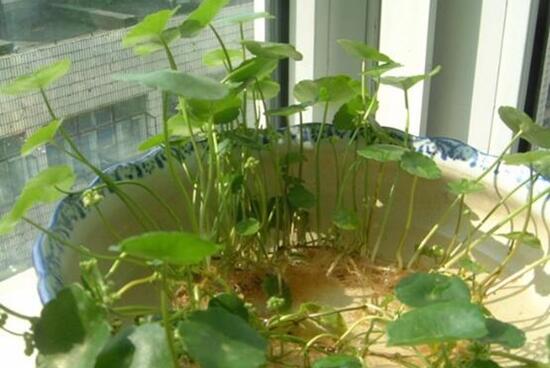
Regarding this question, it is very simple. First, Pilea peperomioides likes a humid environment. Second, it can survive when placed in water. So, can Pilea peperomioides be grown hydroponically? Obviously yes, and hydroponic Pilea peperomioides is not only more beautiful and easier to grow, but can also reduce damage to Pilea peperomioides from insects. Next, let us look at how to grow Pilea peperomioides hydroponically, and how to care for it.
2. How to grow Pilea peperomioides hydroponically
1. Remove from pot and soil
If you want to grow Pilea peperomioides hydroponically, the simplest method is to use an existing soil-grown Pilea peperomioides for propagation. First is removing it from the pot. Take the Pilea peperomioides out of the soil, carefully remove the soil, and minimize damage to the root system as much as possible. Then wash the plant clean with clear water, and properly prune any overly long roots.
2. Disinfection
Soak the roots of the washed Pilea peperomioides in a 1000-times dilution of carbendazim for 10 minutes to disinfect. After that, place the roots of the disinfected Pilea peperomioides in clear water and soak for one hour, then place them in NAA solution and soak for one hour.
3. Start hydroponics
Prepare a hydroponic glass container, wash it clean, add clear water, then place the treated Pilea peperomioides into the water, and use rain flower stones to secure the root system of the Pilea peperomioides. Note: the water for hydroponic Pilea peperomioides generally should not exceed two-thirds of the bottle, because a water level that is too high is not good for root growth.
3. Hydroponic growing methods for Pilea peperomioides
1. Light
For hydroponic Pilea peperomioides, usually placing it in a sunny and ventilated spot indoors is beneficial for photosynthesis and reduces leggy growth and yellow leaves. In winter, it can be moved outdoors to bask in the sun for one hour around 10 o'clock, increasing the water temperature and enhancing photosynthesis.
2. Changing the water
In the hydroponic growing methods for Pilea peperomioides, changing the water is something everyone needs to pay attention to. First, keep the water clean to prevent the water in the bottle from spoiling and causing the water quality to deteriorate, which can lead to symptoms of root rot in Pilea peperomioides. As for the timing of water changes, you can adopt once every 5-7 days in spring and autumn, once every 3-5 days in summer, and once every 10-15 days in winter. Each time, replace two-thirds of the original water in the bottle.
Note: The water used for changing the water of hydroponic Pilea peperomioides is best tap water that has been left to settle for 2 hours, or used the next day. In winter, when the temperature is very low, when changing the water at this time, the temperature of the water should be equal to or similar to the original water temperature in the container before changing the water. This is beneficial to the health of the plant.
3. Nutrient solution
After each water change for Pilea peperomioides, drip nutrient solution into the bottle according to the amount, and shake gently to make the nutrients even and at the same time increase the oxygen content in the water, which is beneficial to root growth. As for the amount of nutrient solution, you can keep it at 6 drops per liter.
Can Pilea peperomioides be grown hydroponically?
Pilea peperomioides can be grown hydroponically. Horticulturists have already succeeded in growing it hydroponically, and the ornamental effect is very good.
Hydroponic plants have advantages such as elegant style, cleanliness, environmental friendliness, ease of combination, and not being limited by regional water quality and soil quality, and are highly favored by people. The hydroponic ornamental effect of Pilea peperomioides is very good, and it has a very good effect in garden landscaping and home greening design.
Through the above introduction, we have learned that Pilea peperomioides can be grown hydroponically. So do you know how to grow Pilea peperomioides hydroponically? Let us take a look together.
Can Pilea peperomioides be grown hydroponically? Hydroponic methods for Pilea peperomioides
Flower and Bonsai Network introduction: Today the editor of Flower and Bonsai Network will share with you an article about whether Pilea peperomioides can be grown hydroponically and hydroponic methods for Pilea peperomioides. Flower lovers who like it, come and take a look.
Hydroponics refers to a type of soilless cultivation method in which part of a plant's root system grows immersed in nutrient solution, while another part of the root system is exposed to moist air. It is an innovation on the traditional potted plant model, achieving the dual effect of enjoying the leaves and appreciating the roots. Can Pilea peperomioides also be grown hydroponically?
Can Pilea peperomioides be grown hydroponically?
Pilea peperomioides can be grown hydroponically. Horticulturists have already succeeded in growing it hydroponically, and the ornamental effect is very good.
Pilea peperomioides is an evergreen herbaceous plant in the family Urticaceae and the genus Pilea. The plant height can reach 35-40 cm. The stem is thick, fleshy, and brown. The petiole is peltate and attached to the upper-middle part of the leaf blade, shaped as if holding up a small mirror, densely growing on the stem, with petioles of varying lengths extending in all directions. The overall appearance of the whole plant is full and rounded.
Pilea peperomioides likes a warm, humid, and shaded environment, and can also grow well in a well-lit room. It is a treasure among small indoor foliage plants. After being introduced to Europe, it became deeply loved by gardening enthusiasts in the United Kingdom, Germany, Norway, and other countries.
Hydroponic plants have advantages such as elegant style, cleanliness, environmental friendliness, ease of combination, and not being limited by regional water quality and soil quality, and are highly favored by people. The hydroponic ornamental effect of Pilea peperomioides is very good, and it has a very good effect in garden landscaping and home greening design.
How to grow Pilea peperomioides hydroponically
Materials preparation: one Pilea peperomioides plant, a small knife, a glass container, a 1000-times dilution of carbendazim, NAA solution, a basin of clear water, a small amount of hydroponic nutrient solution, rain flower stones.
Hydroponic method: Carefully remove the growing medium from Pilea peperomioides, minimizing damage to the root system as much as possible. Wash it clean with clear water, properly prune any overly long roots, then soak the roots in a 1000-times dilution of carbendazim for 10 minutes.
Place the roots of the washed and disinfected Pilea peperomioides in clear water and soak for one hour, then place them in NAA solution and soak for one hour.
Place the treated Pilea peperomioides in a glass container, add clear water to the container, and use rain flower stones to secure the Pilea peperomioides. Keep the root system colonized in a dark environment.
During the cultivation process, the temperature should not exceed 30°C, the air humidity should be greater than 80%, provide appropriate shade, and two-thirds of the root system should be immersed in water. Change the water twice a week. If poor growth is found, an appropriate amount of nutrient solution can be added.
A beautiful pot of hydroponic Pilea peperomioides is born!