How Big Can Pilea peperomioides Grow? Learn Three Pruning Tricks for a Perfect Shape
For plant lovers, Pilea peperomioides should be familiar; it is also called money plant, and it is a plant that combines ornamental and medicinal value. The beauty of Pilea peperomioides lies in its evergreen leaves, but during growth, if it is not cared for regularly, it will grow in a messy, disorderly way, so how do you prune Pilea peperomioides? Next, let's take a look at the pruning methods for Pilea peperomioides, and also learn how much Pilea peperomioides costs.
I. How Big Can Pilea peperomioides Grow, 35-40 cm
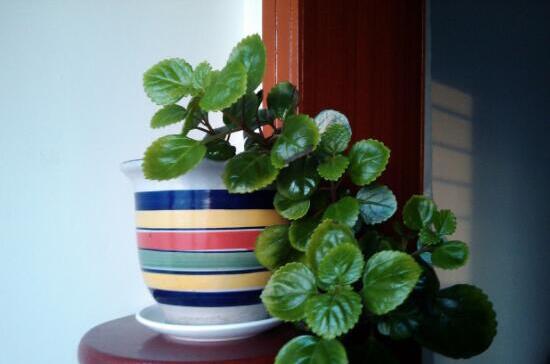
Pilea peperomioides has a peculiar leaf shape and a beautiful posture; at first glance it looks like the mirror used by ancient immortals to look at their faces, and it looks extremely beautiful. As for how big Pilea peperomioides can grow, if you strictly follow the cultivation methods for Pilea peperomioides, it can grow to at least 35-40 cm. However, as Pilea peperomioides continues to grow, it will become lush and branch heavily, and at the same time it will produce yellow leaves, weeds, and so on, so timely pruning of Pilea peperomioides is crucial.
II. How to Prune Pilea peperomioides
Under proper care, Pilea peperomioides will grow very luxuriantly, but this is not good for the leaves' photosynthesis; at the same time, during cultivation, you will also encounter symptoms such as yellowing leaves and curled leaves on Pilea peperomioides. So for the health of Pilea peperomioides, and also for the beauty of the plant, we should cut off all yellow leaves, overly long leaves, and weeds.
III. Pruning Methods for Pilea peperomioides
1. Cut Off Withered and Yellow Leaves
The ornamental value of Pilea peperomioides is mainly shown in its leaves, which look like the mirrors used by ancient immortals, and they are evergreen all year round, pleasing to the eye. But during ordinary care, the plant sometimes grows yellow leaves and dead leaves, and at this time you should cut them off promptly, first to avoid infecting other leaves, and second to prevent a decline in ornamental value.
2. Cut Off Overly Long Leaves
In an environment with proper water and fertilizer and sufficient light, Pilea peperomioides will grow very vigorously. At this time you should not be too pleased, because some leaves grow very long, which not only affects the appearance but also affects the plant's normal photosynthesis. So you should cut off the leaves that grow very tall to keep the overall shape neat.
3. Prune Weeds
During the cultivation of Pilea peperomioides, some small weeds sometimes grow in the flowerpot, and they compete with the plant for nutrients. So how do you prune Pilea peperomioides? At this time, these weeds should be removed together with their roots. By doing the above three points, you can create a perfect shape for Pilea peperomioides.
IV. How Much Does Pilea peperomioides Cost
Pilea peperomioides has strong efficacy; looking good is only its external manifestation, while its strong medicinal value is its fundamental quality. It is understood that the whole plant of Pilea peperomioides can be used as medicine, with the effects of removing dampness and reducing jaundice, promoting diuresis and treating strangury, and detoxifying and reducing swelling, and it can treat various human diseases. With such a plant, naturally some people ask about its price, so how much does Pilea peperomioides cost?
In this regard, if it is for the ornamental value of Pilea peperomioides and you want to keep its potted plant at home, one pot of Pilea peperomioides is very cheap, and 10 yuan can buy it; if it is for the medicinal value of Pilea peperomioides, then how much does Pilea peperomioides cost per jin? According to the editor's research, the price of Pilea peperomioides is about 10-15 yuan per jin, though of course it also varies according to quality, place of origin, market, and so on.
How to Grow Pilea peperomioides, Cultivation Methods and Precautions for Pilea peperomioides / Likes Diffused Light
Pilea peperomioides is named because its leaves look like the mirrors used by ancient immortals to look at their faces. It is a beautiful foliage plant and is deeply loved by plant lovers. In daily life, many people want to keep a pot of Pilea peperomioides at home, so how do you grow Pilea peperomioides? Below are the cultivation methods and precautions for potted Pilea peperomioides carefully compiled by the editor, very comprehensive, not to be missed~
I. How to Grow Pilea peperomioides, Understand Its Habits
Pilea peperomioides likes a warm and humid environment; it is cold-tolerant and shade-loving, and avoids strong light, so how do you grow Pilea peperomioides? When growing it indoors, it should be placed in a place with sufficient diffused light, and watered frequently to keep the potting soil slightly moist. As for the growing medium, it is best to choose moist and well-drained peat soil.
II. Cultivation Methods and Precautions for Pilea peperomioides
1. Soil
For growing Pilea peperomioides indoors, the first thing you should do is reselect the soil. Nowadays, the Pilea peperomioides of plant lovers are basically bought online, with existing potted plants; normal care can ensure the plant's growth, but that soil is very cheap, and if you want Pilea peperomioides to grow well, it is best to reselect the soil.
Soil selection: According to the growth habits of Pilea peperomioides, it likes loose, fertile soil with good drainage and aeration. For this, the editor recommends using a soil mixed from 3 parts leaf mold, 3 parts garden soil, 2 parts river sand or furnace ash, and 1 part decomposed organic fertilizer. It is best to place tiles at the bottom of the flowerpot to facilitate drainage.
2. Light
Pilea peperomioides is a foliage plant, so its demand for light is very high, but it avoids strong light, so when growing it indoors, it should be placed in a place with sufficient diffused light but sheltered from strong light.
Precautions: Pilea peperomioides has high light requirements; it cannot be too strong, nor too shady. Once the light is too strong, its leaves are easily scorched; once it is too shady, the leaves are also prone to becoming thinner, and the leaf stalks become longer, causing the leaves to droop.
3. Temperature
How to grow Pilea peperomioides? Properly adjusting the temperature is also very necessary. It is understood that Pilea peperomioides likes a warm environment, and the most suitable growth temperature is 15-20°C. If you want it to grow well, it is best to maintain this growing temperature.
Precautions: Although Pilea peperomioides is relatively cold-tolerant, the overwintering temperature should be kept at 7°C, otherwise there will be yellowing leaves, curled leaves, leaf drop, and even frost damage; at the same time, Pilea peperomioides is also afraid of high temperatures. When the temperature is higher than 30°C, the plant's growth will stagnate, and the leaves are also prone to falling off.
4. Watering
Water is the source of life. Among the cultivation methods and precautions for Pilea peperomioides, watering is an indispensable part. Because Pilea peperomioides likes a humid environment, it should be watered more often in ordinary times to keep the potting soil moist. When the winter temperature is below 12°C, the frequency of watering should be controlled, otherwise it is prone to rot, which is not good for overwintering.
Precautions: Pilea peperomioides has high water requirements. If watering is insufficient, it is easy for the leaves to turn yellow and droop, and in severe cases the leaves will wrinkle or even die; at the same time, Pilea peperomioides avoids waterlogging, so do not water too much, otherwise it will cause leaf discoloration, and even root rot and death.
5. Fertilizing
After watering, let's talk about fertilizing, which is also very important in the cultivation methods for Pilea peperomioides. Spring and summer are the growing seasons for Pilea peperomioides. At this time, fertilize once every half month with dilute liquid fertilizer, and at the same time often water or spray the leaves with a 0.1%-0.5% potassium dihydrogen phosphate solution.
Precautions: Because the stems and leaves of Pilea peperomioides are succulent, it needs fertilizer, but it is not tolerant of concentrated or heavy fertilizer. When fertilizing it, apply small amounts multiple times, and watering with dilute fertilizer water is most suitable. Once too much fertilizer is applied, it will cause leggy leaves and lodging of the plant, and in severe cases it will also cause root rot and even death of the plant.
6. Pests and Diseases
During the growth of Pilea peperomioides, due to various reasons, the plant will inevitably suffer from pests and diseases. According to research, the main pests and diseases include: scale insects, red spiders, leaf spot disease, anthracnose, and so on, all of which harm the health of the plant. So once discovered, you should immediately spray pesticides for prevention and control. As for what pesticide to spray, you can refer to the pest and disease control for Pilea peperomioides.
What to Do If Pilea peperomioides Leaves Curl, Causes and Solutions for Curled Leaves on Pilea peperomioides
Pilea peperomioides looks very similar to Lysimachia nummularia, both having round green leaves, but one looks like an ancient mirror and the other like an ancient copper coin. Looking at the leaves of Pilea peperomioides, people's mood becomes very good, so when they curl, plant lovers become very anxious. So what should be done if Pilea peperomioides leaves curl? Next, let's take a look at the causes and solutions for curled leaves on Pilea peperomioides.
I. What to Do If Pilea peperomioides Leaves Curl
Curled leaves on Pilea peperomioides are something many plant lovers encounter during cultivation: if it is caused by lack of water and fertilizer, appropriate watering and fertilizing will suffice; if it is caused by too low a temperature, move Pilea peperomioides indoors and adjust the room temperature to 15°C; if it is caused by insufficient light, move Pilea peperomioides to a place with sufficient light, but shade it in summer.
II. Causes and Solutions for Curled Leaves on Pilea peperomioides
1. Insufficient Watering
Pilea peperomioides likes a humid environment. During cultivation, we should water frequently so that its leaves can stay glossy and reflect your figure like a mirror. Once watering is insufficient, its leaves cannot absorb enough water, and curled leaves on Pilea peperomioides appear.
Solution: It is very simple, just replenish water in time, but do not water too much at one time; keeping the potting soil moist is enough. In addition, you should also spray water mist around the plant to keep the air humidity above 80%, so that the leaves can absorb enough water.
2. Insufficient Fertilizing
The leaves of Pilea peperomioides are large, and if you want them to grow tender green, sufficient nutrients are indispensable. Once fertilizing is insufficient, or if no fertilizer is applied for a long time, the plant will be malnourished, and then the leaves of Pilea peperomioides will wrinkle and curl.
Solution: At this time, we should supplement nutrients and fertilize it appropriately, preferably with phosphorus and potassium fertilizer, so that the plant becomes round and full, growing into a plump, round-faced beauty.
3. Temperature Too Low
Although Pilea peperomioides is a cold-tolerant plant, in winter, if the temperature is too low, its leaves will be in poor condition. Over time, just as human skin becomes dry and wrinkled in winter, curled leaves on Pilea peperomioides will also appear.
Solution: When the winter temperature is too low, you should move Pilea peperomioides indoors and adjust the room temperature to about 15°C. This can maintain the plant's normal growth, and its curled leaves will also gradually recover.
4. Insufficient Light
In addition to the above points, the cause of curled leaves on Pilea peperomioides may also be insufficient light. It is understood that the leaves of Pilea peperomioides are darker in color because they contain rich chlorophyll. If the light is insufficient, it cannot carry out photosynthesis fully, and its leaf color will become light green, or even gray, and in severe cases it may also cause the leaf edges to curl, with the leaf margins curling toward the back.
Solution: Although Pilea peperomioides is shade-tolerant, sufficient light is beneficial to its growth. So in addition to proper shading in summer, in spring, autumn, and winter, Pilea peperomioides can be given full-sun care. With sufficient light, its leaves will naturally recover.