Reasons for Curling Leaves on Pilea peperomioides and How to Fix Them
Pilea peperomioides looks very similar to Hydrocotyle vulgaris (pennywort), as both have round green leaves, but one resembles an ancient mirror and the other an ancient copper coin. Looking at the leaves of Pilea peperomioides lifts your mood, so when they curl, plant lovers get very anxious. So what should you do when the leaves of Pilea peperomioides curl? Let's take a look together at the reasons for curling leaves on Pilea peperomioides and how to fix them.
I. What to Do When Pilea peperomioides Leaves Curl
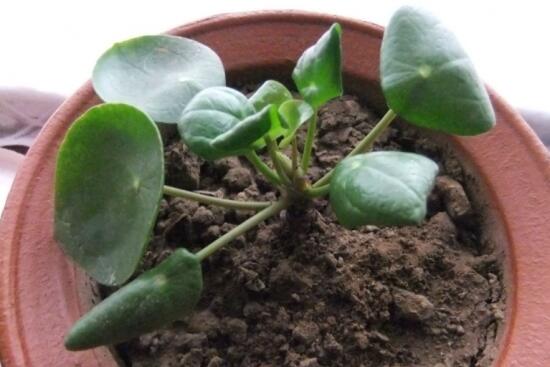
Curling leaves on Pilea peperomioides is something many plant lovers encounter during cultivation: if it is caused by a lack of water or fertilizer, simply water and fertilize appropriately; if it is caused by temperatures that are too low, move the Pilea peperomioides indoors and adjust the room temperature to 15°C; if it is caused by insufficient light, move the Pilea peperomioides to a spot with ample light, but provide shade in summer.
II. Reasons for Curling Leaves on Pilea peperomioides and How to Fix Them
1. Insufficient Watering
Pilea peperomioides loves a moist environment. During cultivation, we need to water frequently so that its leaves stay glossy and can reflect your figure like a mirror. Once watering is insufficient, the leaves cannot absorb enough water, and curling leaves on Pilea peperomioides appear.
Solution: Very simple, just replenish water in time, but do not water too much at once; keeping the potting soil moist is enough. In addition, you should spray water mist around the plant to keep the air humidity above 80%, so the leaves can absorb their fill of water.
2. Insufficient Fertilizing
The leaves of Pilea peperomioides are large, and to grow tender green, ample nutrients are indispensable. Once fertilizing is insufficient, or if no fertilizer is applied for a long time, the plant becomes malnourished, and then the leaves of Pilea peperomioides wrinkle and curl.
Solution: At this point, we should replenish nutrients and fertilize it appropriately, preferably with phosphorus and potassium fertilizer, so the plant becomes round and full, growing into a plump, round-faced beauty.
3. Temperature Too Low
Although Pilea peperomioides is a cold-tolerant plant, in winter, if the temperature is too low, its leaves will be in poor condition. Over time, just as human skin becomes dry and wrinkled in winter, curling leaves on Pilea peperomioides can also appear.
Solution: When winter temperatures drop too low, you should move the Pilea peperomioides indoors and adjust the room temperature to around 15°C, which keeps the plant growing normally, and its curled leaves will gradually recover.
4. Insufficient Light
Besides the points above, curling leaves on Pilea peperomioides can also be caused by insufficient light. It is understood that the leaves of Pilea peperomioides are darker in color because they are rich in chlorophyll. If light is insufficient, it cannot carry out photosynthesis fully, and its leaf color will turn light green, or even gray, and in severe cases the leaf edges may curl, with the leaf margins curling toward the back.
Solution: Although Pilea peperomioides is shade-tolerant, ample light benefits its growth. So besides needing appropriate shade in summer, in spring, autumn and winter, you can give Pilea peperomioides full-sun care, and with enough light, its leaves will naturally recover.
What Causes Curling Leaves on Pilea peperomioides and What Should You Do
A mirror forms images because its surface is smooth and can reflect light. The charm of Pilea peperomioides is unstoppable because its leaves are dark green and glossy, as cute and delicate as little mirrors. If the leaves of Pilea peperomioides curl and become wrinkled, can you still love it? Come and see what causes curling leaves on Pilea peperomioides!
Causes of Curling Leaves on Pilea peperomioides:
Improper Water and Fertilizer
Lack of water: Pilea peperomioides is a water-loving plant and likes ample moisture nourishing its roots and leaves. With enough water, the leaves can stay glossy and reflect your figure like a mirror.
Lack of fertilizer: Although Pilea peperomioides is not suited to nitrogen fertilizer, applying phosphorus and potassium fertilizer is still very necessary. If no fertilizer is applied for a long time, the plant becomes malnourished, and the leaves wrinkle and curl. Think of those countries in Africa still suffering from hunger, where children cannot eat and their skin is in poor, wrinkled condition. Pilea peperomioides is the same. How can leaves that are not well fed be radiant?
Temperature Too Low
Pilea peperomioides is a cold-tolerant plant, but when winter temperatures are too low, the leaves are in poor condition, just as people's skin lacks moisture when winter temperatures drop and the air becomes dry.
So, temperatures that are too low can also easily cause the leaves of Pilea peperomioides to curl and wrinkle.
Insufficient Light
The leaves of Pilea peperomioides are darker in color because they are rich in chlorophyll. But if there is not enough sunlight for photosynthesis, the leaf color will turn light green, or even gray, and it may also cause the leaf edges to curl, with the leaf margins curling toward the back.
What to Do When Pilea peperomioides Leaves Curl:
Water and Fertilizer Treatment
Water to keep the potting soil moist; spray water mist around the plant to keep the air humidity above 80%, so the leaves can absorb their fill of water. Leaves are naturally glossy and absolutely cannot do without the nourishment of water. Believe this firmly.
Fertilize with phosphorus and potassium fertilizer to make the plant round and full, growing into a plump, round-faced beauty.
Eat Well and Stay Warm Too
When winter temperatures are too low, move Pilea peperomioides to a place with a slightly higher room temperature, preferably around 15°C, to keep the plant growing normally.
Increase Light
Besides needing appropriate shade in summer, in spring, autumn and winter you can give full-sun care; with stronger photosynthesis, the leaves will naturally be glossy and will not curl.
What Causes Curling Leaves on Pilea peperomioides
Causes of Curling Leaves on Pilea peperomioides
Improper Water and Fertilizer
Lack of water: Pilea peperomioides is a water-loving plant and likes ample moisture nourishing its roots and leaves. With enough water, the leaves can stay glossy and reflect your figure like a mirror.
Lack of fertilizer: Although Pilea peperomioides is not suited to nitrogen fertilizer, applying phosphorus and potassium fertilizer is still very necessary. If no fertilizer is applied for a long time, the plant becomes malnourished, and the leaves wrinkle and curl. Think of those countries in Africa still suffering from hunger, where children cannot eat and their skin is in poor, wrinkled condition. Pilea peperomioides is the same. How can leaves that are not well fed be radiant?
Temperature Too Low
Pilea peperomioides is a cold-tolerant plant, but when winter temperatures are too low, the leaves are in poor condition, just as people's skin lacks moisture when winter temperatures drop and the air becomes dry.
So, temperatures that are too low can also easily cause the leaves of Pilea peperomioides to curl and wrinkle.
Insufficient Light
The leaves of Pilea peperomioides are darker in color because they are rich in chlorophyll. But if there is not enough sunlight for photosynthesis, the leaf color will turn light green, or even gray, and it may also cause the leaf edges to curl, with the leaf margins curling toward the back.
What to Do When Pilea peperomioides Leaves Curl
Water and Fertilizer Treatment
Water to keep the potting soil moist; spray water mist around the plant to keep the air humidity above 80%, so the leaves can absorb their fill of water. Leaves are naturally glossy and absolutely cannot do without the nourishment of water. Believe this firmly.
Fertilize with phosphorus and potassium fertilizer to make the plant round and full, growing into a plump, round-faced beauty.
Eat Well and Stay Warm Too
When winter temperatures are too low, move Pilea peperomioides to a place with a slightly higher room temperature, preferably around 15°C, to keep the plant growing normally.
Increase Light
Besides needing appropriate shade in summer, in spring, autumn and winter you can give full-sun care; with stronger photosynthesis, the leaves will naturally be glossy and will not curl.