What to Do When the Leaves of the Lucky Bamboo Turn Yellow? Find the Cause and Pay Attention to Shade
Lucky bamboo (Dracaena sanderiana), an ornamental plant with a graceful form, has stems as round as bamboo and leaves like lotus flowers, and is often potted at home as a household greenery decoration. However, during cultivation, many flower lovers find that their lucky bamboo develops yellow leaves, which affects its ornamental value. So what causes the leaves of lucky bamboo to turn yellow? What should be done when the leaves of lucky bamboo turn yellow? Let us explain this for you.
I. What Causes the Leaves of Lucky Bamboo to Turn Yellow
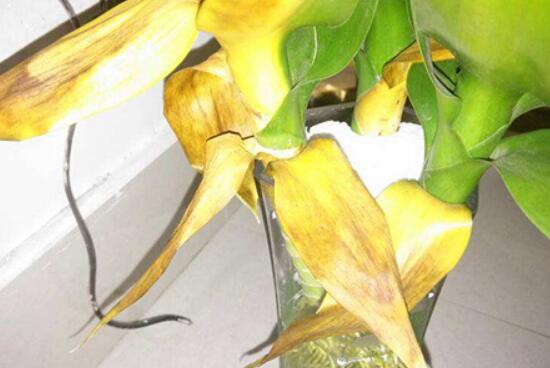
When it comes to the yellowing of lucky bamboo leaves, apart from unsuitable environment, it is generally caused by improper care: too much light will scorch the leaves and turn them yellow; insufficient light means the leaves cannot form chlorophyll and will turn yellow; insufficient fertilization means the leaves lack nutrients and turn yellow; excessive fertilization causes fertilizer burn, the roots cannot breathe properly, and the leaves will also turn yellow.
II. What to Do When the Leaves of Lucky Bamboo Turn Yellow
1. Sudden Environmental Change
Regarding the causes of yellowing leaves in lucky bamboo, if it is a newly potted plant, everyone should consider environmental issues. Because nowadays, most lucky bamboo potted plants are bought online, which easily results in a large regional gap and too great an environmental change, so the lucky bamboo cannot adapt for a while and its leaves turn yellow.
Solution: It is very simple. Repot the lucky bamboo in soil it likes, ensure a timely supply of nutrients, and then create the most favorable growing environment for it according to lucky bamboo cultivation methods. After a period of time, the plant will recover its health.
2. Too Much Light
Although lucky bamboo needs light, it is more suited to growing in places with plenty of diffused light, and it fears strong light. Once it is exposed to the strong sun in summer, it easily causes the leaf tips and leaf margins of the plant to wither, and yellow spots appear on the sun-facing parts of the leaves.
Solution: What to do when the leaves of lucky bamboo turn yellow? If it is caused by too much light, everyone should promptly move the potted plant to a shady place, water it appropriately, and let it recover before gradually receiving light again.
3. Insufficient Light
Although lucky bamboo likes shaded environments, it also needs light. Once it is in a shaded environment for a long time, the leaves of lucky bamboo cannot get enough light and cannot form chlorophyll, resulting in the entire lucky bamboo plant's leaves turning yellow and then falling off, affecting its ornamental value.
Solution: Lucky bamboo does like cool, shady environments, but it cannot always go without sun. While avoiding direct sunlight and strong light, we should let lucky bamboo receive sufficient light.
4. Insufficient Fertilization
Although lucky bamboo does not have high fertilizer requirements, an appropriate amount of fertilization can make it grow better. Once fertilization is insufficient, its leaves cannot absorb enough nutrients and will turn yellow.
Solution: What to do when the leaves of lucky bamboo turn yellow? If it is caused by insufficient fertilization, it is very simple. Apply a fertilizer mainly based on nitrogen fertilizer in a timely manner, remember to apply thin fertilizer frequently, and add some alum water.
5. Excessive Fertilization
When fertilizing lucky bamboo, you must not apply too much, because too much or too concentrated fertilizer can burn the roots, causing old leaves to turn yellow and fall off. Although new leaves will not turn yellow, they will become lusterless and uneven, not stretching out smoothly.
Solution: Immediately stop fertilizing, then water it to dilute the fertilizer and let it flow out from the bottom of the pot; if the roots have already been burned and rotted, you also need to remove the plant from the pot, cut off the rotted roots, and then change the potting soil and replant.
Overall, lucky bamboo is not difficult to grow, but because many flower lovers are beginners, yellowing leaves are unavoidable. However, after reading the whole article, I believe everyone has a clearer idea now. If yellowing leaves occur, just remedy it according to the methods above. That is all for the introduction on yellowing leaves of lucky bamboo. I hope it can help everyone.
Causes of Yellowing Leaves in Lucky Bamboo and What to Do About It
Lucky bamboo is a species under the genus Dracaena in the family Liliaceae, suitable for water cultivation, potting, and hydroponics. Its ornamental value is extremely high, and it is one of the few greenery and decorative items that can be placed indoors for a long time. If the leaves of the lucky bamboo you are growing have turned yellow, quickly take a look at the causes of yellowing leaves in lucky bamboo and what to do when lucky bamboo leaves turn yellow!
Causes of Yellowing Leaves in Lucky Bamboo:
Scorching Caused by Strong Sunlight
Lucky bamboo likes shaded environments. Grown indoors, it does not get much light, but as long as water and nutrients are sufficient, it can grow very well. Some flower lovers worry that it lacks light, so they place it on a balcony or windowsill. They do not know that strong light can damage lucky bamboo leaves. Strong direct sunlight shining on lucky bamboo easily causes the leaf tips and leaf margins of the plant to wither, and yellow spots appear on the sun-facing parts of the leaves.
Yellowing Leaves Caused by Lack of Light
Although lucky bamboo likes hidden, cool environments, placing it in such an environment for a long time so that the plant has no photosynthesis at all is also not acceptable. If placed in a shaded environment for a long time, the leaves cannot get enough sunlight and cannot form chlorophyll, and the entire plant's leaves turn yellow and then fall off.
High Fertilizer Concentration or Excessive Amount
Yellowing of lucky bamboo caused by excessive fertilization or too high concentration shows as dry brown tips on new leaves. Generally, the leaf surface is thick and lusterless, and uneven, not stretching out smoothly, while old leaves scorch yellow and fall off.
Yellowing Leaves Caused by Lack of Fertilizer
Flower lovers growing in soil or water have all had this experience: after not fertilizing the plant for quite a long time, they find that the leaves at the branch tips show signs of yellowing. This is yellowing of leaves caused by lack of fertilizer. It shows as the color of young leaves becoming lighter, yellow or pale green, while old leaves remain relatively normal or gradually turn from green to yellow.
What to Do When the Leaves of Lucky Bamboo Turn Yellow:
Handling Light Conditions
Lucky bamboo likes cool, shady environments, but it also cannot always go without sun. Occasionally move it outside for photosynthesis, so that the plant's leaves become greener and more beautiful.
When moving it outside for sun, avoid exposing it when the light is strong. Otherwise, strong light will scorch the leaves, and yellow spots are not good.
Handling Water and Fertilizer
If the fertilizer concentration is high or too much fertilizer has been applied, immediately stop fertilizing. In severe cases, use a large amount of water to rinse away part of the fertilizer.
For yellowing leaves caused by lack of fertilizer, usually apply thin fertilizer frequently and add some alum water at the appropriate time. In addition, lucky bamboo is a foliage plant, so a fertilizer mainly based on nitrogen fertilizer should be applied, which can make the leaves dark green and fresh.
What Causes the Leaves of Lucky Bamboo to Turn Yellow
Causes of Yellowing Leaves in Lucky Bamboo
Scorching Caused by Strong Sunlight
Lucky bamboo likes shaded environments. Grown indoors, it does not get much light, but as long as water and nutrients are sufficient, it can grow very well. Some flower lovers worry that it lacks light, so they place it on a balcony or windowsill. They do not know that strong light can damage lucky bamboo leaves. Strong direct sunlight shining on lucky bamboo easily causes the leaf tips and leaf margins of the plant to wither, and yellow spots appear on the sun-facing parts of the leaves.
Yellowing Leaves Caused by Lack of Light
Although lucky bamboo likes hidden, cool environments, placing it in such an environment for a long time so that the plant has no photosynthesis at all is also not acceptable. If placed in a shaded environment for a long time, the leaves cannot get enough sunlight and cannot form chlorophyll, and the entire plant's leaves turn yellow and then fall off.
High Fertilizer Concentration or Excessive Amount
Yellowing of lucky bamboo caused by excessive fertilization or too high concentration shows as dry brown tips on new leaves. Generally, the leaf surface is thick and lusterless, and uneven, not stretching out smoothly, while old leaves scorch yellow and fall off.
Yellowing Leaves Caused by Lack of Fertilizer
Flower lovers growing in soil or water have all had this experience: after not fertilizing the plant for quite a long time, they find that the leaves at the branch tips show signs of yellowing. This is yellowing of leaves caused by lack of fertilizer. It shows as the color of young leaves becoming lighter, yellow or pale green, while old leaves remain relatively normal or gradually turn from green to yellow.
What to Do When the Leaves of Lucky Bamboo Turn Yellow
Handling Light Conditions
Lucky bamboo likes cool, shady environments, but it also cannot always go without sun. Occasionally move it outside for photosynthesis, so that the plant's leaves become greener and more beautiful.
When moving it outside for sun, avoid exposing it when the light is strong. Otherwise, strong light will scorch the leaves, and yellow spots are not good.
Handling Water and Fertilizer
If the fertilizer concentration is high or too much fertilizer has been applied, immediately stop fertilizing. In severe cases, use a large amount of water to rinse away part of the fertilizer.
For yellowing leaves caused by lack of fertilizer, usually apply thin fertilizer frequently and add some alum water at the appropriate time. In addition, lucky bamboo is a foliage plant, so a fertilizer mainly based on nitrogen fertilizer should be applied, which can make the leaves dark green and fresh.