Primrose pest and disease control methods: 5 diseases and the treatments that work fast
When growing primroses, the last thing we want to run into is pests and diseases. These problems are extremely harmful to the plants, not only affecting their shape and beauty, but in severe cases even causing the plants to wither and die. So how should primrose pest and disease control be done? Let me walk you through it below.
Pest and Disease Control for Primroses
1. Mosaic disease
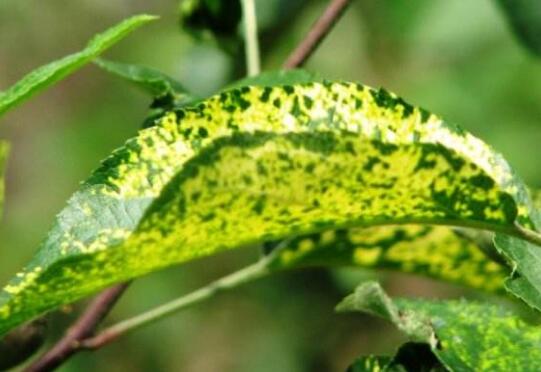
Mosaic disease is a worldwide viral disease that is extremely harmful to primroses. In the early stages of infection, chlorotic angular lesions appear on the leaves, which eventually turn brown. In severe cases, it also affects the yield and quality of cut flowers.
Control method: When dealing with this primrose pest and disease problem, we can spray the plants with a 1000-fold dilution of 40% dimethoate emulsifiable concentrate, generally once every 7-10 days; after 2-3 applications, the plants can recover.
2. Gray mold
Gray mold is a disease caused by fungi and is a relatively common one in primrose pest and disease control. It mainly harms the fruit of primroses. When the disease occurs, a grayish-white mold layer appears on the skin of the fruit, and over time the mold layer gradually spreads to the whole plant, eventually causing the primrose to rot.
Control method: When dealing with gray mold, we can spray affected plants with a 1000-1500 fold dilution of 50% iprodione, generally once every 5-7 days; after 2-3 applications, the plants can recover.
3. Leaf spot
Leaf spot is a common plant disease, with peak outbreaks generally in spring and autumn. When the disease occurs, many oval brown lesions appear on primrose leaves, and over time the lesions gradually spread and the color slowly darkens, eventually causing the plant to be unable to carry out photosynthesis and die.
Control method: For this primrose pest and disease problem, we can spray affected plants with a 1000-fold dilution of 20% simeconazole · prochloraz, generally once every 7-10 days; after 2-3 applications, the plants can recover.
4. Yellow leaf disease
Yellow leaf disease, as the name suggests, causes primrose leaves to turn yellow and wither when it occurs. In fact, there are many causes of this phenomenon, such as too much light, too little watering, or too concentrated fertilizer, all of which can easily lead to it, so we still need to be careful when growing them.
Control method: When controlling this primrose pest and disease problem, we can spray the plants with a 300-fold dilution of urea plus fulvic acid iron, generally once every half month; after about 3 applications, the plants can recover.
5. Brown spot
Brown spot, also called Rhizoctonia solani blight, is a fungal disease caused by Rhizoctonia solani. When the disease occurs, many yellow-brown to light brown lesions 0.1-0.5 cm in diameter appear on the leaves, and over time the lesions gradually spread, eventually causing the plant to wither and die.
Control method: When we find this primrose pest and disease problem, if the number of diseased leaves is relatively small, we can promptly remove and destroy them. If there are many, we should use a 400-fold dilution of 70% mancozeb wettable powder for treatment, generally spraying affected plants once every 10 days; after 3 applications, the plants can recover.
Control of the Main Pests and Diseases of Cyclamen
Cyclamen (Cyclamen persicum Mill.), also known as radish begonia, rabbit ear flower, rabbit flower, yipin crown, bonfire flower, and flipped-petal lotus, is a perennial herbaceous plant in the family Primulaceae and the genus Cyclamen. Its leaves grow from the top of the tuber and are heart-shaped, ovate, or kidney-shaped, with fine serrations, a green upper surface with white or gray halo spots, and a green or dark red underside, and relatively long reddish-brown petioles. Cyclamen is a commonly grown flower, suitable for indoor pots, and in winter it needs to be grown in a greenhouse. Some cultivated varieties of cyclamen have a strong fragrance, while others are lightly scented or unscented. The word "cyclamen" comes from a transliteration of the scientific name Cyclamen. Cyclamen is the city flower of Qingzhou City, Shandong Province, and was also the mascot of the 43rd World Table Tennis Championships held in Tianjin in 1995. Control of the Main Pests and Diseases of CyclamenThe main diseases of cyclamen include gray mold, anthracnose, and bacterial soft rot; the pests include root-knot nematodes, cyst nematodes, and so on.
Gray mold occurs on the leaves, petioles, and flowers of cyclamen. At the beginning of the disease, dark green spots with white inside appear on the leaves, showing water-soaked markings, and later gradually spread to the entire leaf, causing the leaf to dry up and die. After the petioles and flower stalks are affected, water-soaked rot occurs, and gray mold spots form. During the onset of the disease, a 1000-1500 fold dilution of 70% thiophanate or a 1% equal-amount Bordeaux mixture can be sprayed once every half month for control.
Anthracnose mostly occurs on the underside of cyclamen leaves. It begins as small brown spots, and the lesions spread outward in concentric rings, nearly round or irregular in shape, and later black-gray granular matter appears on the lesions. After discovering leaves infected with this disease, the diseased leaves should be promptly pruned and destroyed. A 800-**** fold dilution of 60% anthracnose-formaldehyde, or a 500-600 fold dilution of 50% carbendazim wettable powder, can also be sprayed once a week for control, and generally 2-3 applications show results.
Bacterial soft rot mostly occurs on the petioles and tubers of cyclamen. In the early stage, it shows water-soaked softening, decreased chlorophyll, and white or dark gray-green lesions. After spreading, the diseased tissue becomes soft and rotten, swollen, cracked, and the epidermis peels off, with a foul odor. After the tuber is infected, it turns black, soft-rotted, and mushy. The control method is to strengthen ventilation and pay attention to drainage and rain protection. A 200-1000 ppm streptomycin, oxytetracycline, or penicillin solution can also be sprayed and applied to affected plants. A 700-fold dilution of dexon can be used to drench the soil around the diseased roots.
Root-knot nematode disease is caused by root-knot nematodes parasitizing the roots of cyclamen. The stimulation by nematode secretions causes the root tissue to enlarge and proliferate, forming many tumor-like structures, thereby destroying the normal function of the roots, leading to weakened growth and even death. The original solution of a dichlorvos mixture can be used to fumigate the soil to disinfect it, and sowing or transplanting can be done 2 weeks later. Alternatively, 15-50 g of 3% carbofuran granules can be buried in the pot for control.
After cyst nematodes invade the roots of seedlings, many galls of varying sizes form, and in severe cases the fine roots rot and the leaves turn yellow and die. The methods for controlling root-knot nematodes can be used for control.
How to Control the Main Pests and Diseases of Cyclamen
Cyclamen (Cyclamen persicum Mill.), also known as radish begonia, rabbit ear flower, rabbit flower, yipin crown, bonfire flower, and flipped-petal lotus, is a perennial herbaceous plant in the family Primulaceae and the genus Cyclamen. Its leaves grow from the top of the tuber and are heart-shaped, ovate, or kidney-shaped, with fine serrations, a green upper surface with white or gray halo spots, and a green or dark red underside, and relatively long reddish-brown petioles. Cyclamen is a commonly grown flower, suitable for indoor pots, and in winter it needs to be grown in a greenhouse. Some cultivated varieties of cyclamen have a strong fragrance, while others are lightly scented or unscented. How to Control the Main Pests and Diseases of CyclamenThe main diseases of cyclamen include gray mold, anthracnose, and bacterial soft rot; the pests include root-knot nematodes, cyst nematodes, and so on.
Gray mold occurs on the leaves, petioles, and flowers of cyclamen. At the beginning of the disease, dark green spots with white inside appear on the leaves, showing water-soaked markings, and later gradually spread to the entire leaf, causing the leaf to dry up and die. After the petioles and flower stalks are affected, water-soaked rot occurs, and gray mold spots form. During the onset of the disease, a 1000-1500 fold dilution of 70% thiophanate or a 1% equal-amount Bordeaux mixture can be sprayed once every half month for control.
Anthracnose mostly occurs on the underside of cyclamen leaves. It begins as small brown spots, and the lesions spread outward in concentric rings, nearly round or irregular in shape, and later black-gray granular matter appears on the lesions. After discovering leaves infected with this disease, the diseased leaves should be promptly pruned and destroyed. A 800-**** fold dilution of 60% anthracnose-formaldehyde, or a 500-600 fold dilution of 50% carbendazim wettable powder, can also be sprayed once a week for control, and generally 2-3 applications show results.
Bacterial soft rot mostly occurs on the petioles and tubers of cyclamen. In the early stage, it shows water-soaked softening, decreased chlorophyll, and white or dark gray-green lesions. After spreading, the diseased tissue becomes soft and rotten, swollen, cracked, and the epidermis peels off, with a foul odor. After the tuber is infected, it turns black, soft-rotted, and mushy. The control method is to strengthen ventilation and pay attention to drainage and rain protection. A 200-1000 ppm streptomycin, oxytetracycline, or penicillin solution can also be sprayed and applied to affected plants. A 700-fold dilution of dexon can be used to drench the soil around the diseased roots.
Root-knot nematode disease is caused by root-knot nematodes parasitizing the roots of cyclamen. The stimulation by nematode secretions causes the root tissue to enlarge and proliferate, forming many tumor-like structures, thereby destroying the normal function of the roots, leading to weakened growth and even death. The original solution of a dichlorvos mixture can be used to fumigate the soil to disinfect it, and sowing or transplanting can be done 2 weeks later. Alternatively, 15-50 g of 3% carbofuran granules can be buried in the pot for control.
After cyst nematodes invade the roots of seedlings, many galls of varying sizes form, and in severe cases the fine roots rot and the leaves turn yellow and die. The methods for controlling root-knot nematodes can be used for control.