What to Do When the Paperbush Flower Has Bugs? 2 Pest and 2 Disease Control Methods
In the process of growing paperbush flower, the last thing we want to encounter is pests and diseases. Such problems are extremely harmful to the plant, not only affecting its shape and beauty, but in severe cases even causing the plant to wither and die. So what should be done when the paperbush flower has bugs? And how should pest and disease control for the paperbush flower be carried out? Below, the editor will walk everyone through it.
I. What to Do When the Paperbush Flower Has Bugs, Find the Cause
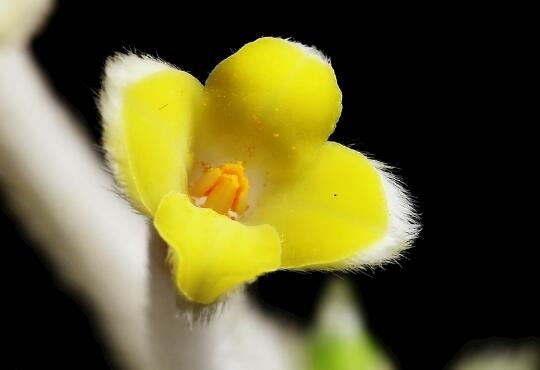
To know what to do when the paperbush flower has bugs, we first need to understand what kind of bug it is, so that we can carry out targeted treatment, because the treatment methods for each pest and disease are different. The specific details are described in detail below, and friends troubled by this can take a look.
II. Pest and Disease Control of the Paperbush Flower
1. Noctuid moth
The noctuid moth is a phytophagous pest of the order Lepidoptera. It mainly harms the leaves of the paperbush flower. Its larvae feed on the plant's leaves, often eating all the host's leaves, seriously affecting the tree's growth and ornamental value.
Control method: The main damage period of the noctuid moth is from July to September each year, so everyone must pay extra attention at this time. For this pest and disease of the paperbush flower, we can directly use 2.5% trichlorfon powder to spray and kill it.
2. Red spider mite
Among the pests and diseases of the paperbush flower, the red spider mite is a relatively common one. Its peak period is every summer, so everyone must pay extra attention at this time. When this pest appears, the plant's leaves will gradually turn yellow and whitish, and if left untreated for a long time, it can also cause the plant to wither.
Control method: When dealing with the red spider mite, we can directly use a 1000-1500 times dilution of 40% dicofol emulsifiable concentrate to spray and kill it. Generally, spraying three times in a row can completely kill this pest.
3. Southern blight
Southern blight mainly harms the root and stem parts of the plant. When the disease occurs, many white mycelia appear at the root and stem, which then gradually spread, finally causing the paperbush flower to become dehydrated, thereby heading down the path of withering and death.
Control method: For this disease, we need to carry out root drenching treatment. Generally, a 1000 times dilution of quintozene can be used. If discovered in time, it can basically be cured.
4. Leaf blight
Leaf blight is a relatively common disease of the paperbush flower, mainly threatening its leaf edges, leaf tips and other areas. When the disease occurs, many irregularly sized lesions appear on the leaves, and as time goes on they gradually spread, finally causing the plant to wither and die.
Control method: When dealing with leaf blight, we can use a 1000 times dilution of 50% thiophanate to spray the plant. Generally, once every 10 days or so, and after 1-2 times it can be cured.
How Does the Paperbush Flower Reproduce? Propagation Methods of the Paperbush Flower / Mainly by Cuttage Propagation
The paperbush flower is a flowering plant of the genus Edgeworthia in the family Thymelaeaceae. It can be seen in many regions of our country. As more people grow it in various places, questions about its propagation have also drawn people's attention. How does the paperbush flower reproduce? What are the propagation methods of the paperbush flower? Below, the editor will walk everyone through it.
I. How Does the Paperbush Flower Reproduce? Cuttage / Division / Layering
Speaking of how the paperbush flower reproduces, it can mainly be divided into three methods: cuttage propagation, division propagation and layering propagation, among which cuttage propagation is the main one and is used by relatively more people. Although division propagation and layering propagation are used less often, as long as they are done properly, the survival rate is not low either. The specific details of the three propagation methods are given below, and interested friends can take a look.
II. Propagation Methods of the Paperbush Flower
No matter which propagation method we use, we first need to choose a substrate. This is the step of laying a good foundation and is very important. Generally, it is best to choose a loose, fertile and well-drained humus soil as the substrate. This kind of soil is rich in nutrients and has good air permeability, allowing the plant to better absorb nutrients.
Cuttage propagation
Cutting selection: Before carrying out cuttage propagation of the paperbush flower, we must first select the cuttings. The quality of the cuttings directly affects their survival rate, so it is generally best to choose branches that grow robustly and are free of pests and diseases as cuttings, as the survival rate will then be very high. If everyone chooses thin and frail-looking branches, then it can basically be declared a cuttage failure, and the survival rate will not be very high.
Cuttage method: Among the propagation methods of the paperbush flower, cuttage propagation is the main one. When carrying out cuttage, we can first use chopsticks to poke a hole in the pot soil, then insert the cutting into it and water it. When watering, be careful to water thoroughly in one go. After that, roots will develop in 50 days, and it can be transplanted the following year.
Division propagation
For division propagation of the paperbush flower, we can generally carry it out together with repotting. First, we need to dig the plant out of the pot soil, then remove the old soil, take the thick and strong young suckers, cut off the roots connected to the mother plant, and then plant them separately in pots. Generally, after potting it is a complete flowering plant, and within one year it can grow to 60cm-70cm.
Layering propagation
When carrying out layering propagation of the paperbush flower, we must first choose thick and strong clump branches, then make a half-ring girdle on the side to be pressed into the soil, reaching deep into the xylem, bury it in the soil with the branch tip exposed, keep it moist, and wait until the second year to cut off the mother branch. After that, it can be given normal care.
How to Grow the Paperbush Flower? Cultivation Methods and Precautions of the Paperbush Flower / Likes Semi-Shade / Avoids Strong Light
The paperbush flower is a flowering plant originating from the Henan region of our country, with very high ornamental value, and it is cultivated in all provinces south of the Yangtze River basin. However, to grow it well, there are many things we need to pay attention to. How to grow the paperbush flower? What are the cultivation methods and precautions of the paperbush flower? Below, the editor will walk everyone through it.
I. How to Grow the Paperbush Flower, Understand Its Habits
To know how to grow the paperbush flower, we first need to understand its growth habits. This plant likes to grow in a semi-humid environment and also likes semi-shade, so when growing it we should not place it in direct sunlight, lest long-term exposure cause the plant to dry out and turn yellow. Of course, besides this, daily water and fertilizer management is also very important. The specific details are given below, and interested friends can take a look.
II. Cultivation Methods and Precautions of the Paperbush Flower
1. Soil
To let the paperbush flower grow robustly, we first need to choose suitable soil. This is the step of laying a good foundation and is very important. Generally, it is best to choose a loose, fertile and well-drained humus soil. This kind of soil is rich in nutrients and has good air permeability, allowing the plant to better absorb nutrients.
2. Temperature
When growing the paperbush flower, the ambient temperature is also something we need to pay attention to, because only when it grows at a suitable temperature can it grow better. The ambient temperature for its growth should be kept within a relatively mild range. In winter it can tolerate low temperatures, but note that excessive cold will delay its flowering period.
3. Fertilization
Fertilizer is one of the main nutrients in the growth process of the paperbush flower. Especially after it enters its growth period, its demand for fertilizer is very high, and basically we need to fertilize once every month. However, when fertilizing there is one point we must note, and that is to apply thin fertilizer. The fertilizer concentration must not be too high, because if the concentration is too high it will burn the plant.
4. Water
The paperbush flower likes a semi-humid environment, so when growing it we should water frequently to keep the soil somewhat moist, so that the plant can grow robustly. However, we need to control the amount of watering, because it is not tolerant of waterlogging, so we must not water too much. If water accumulates, it can easily cause its root system to rot.
5. Light
The paperbush flower likes a semi-shady growing environment and is not tolerant of strong light. In spring and autumn, when the light is relatively mild, we can grow it outdoors in a spot with scattered sunlight. After summer arrives, it is best to move it indoors to a semi-shady spot, because if the light is too strong it will scorch the plant and also cause its leaves to turn yellow and dry up.
6. Pests and diseases
In the process of growing the paperbush flower, if we are not careful enough, it is very easy for pests and diseases to take advantage of the opening. Such problems are extremely harmful to the plant, so once discovered we must deal with them promptly, because the longer it drags on, the harder it is to cure. As for the specific treatment methods, everyone can refer to the article on pest and disease control of the paperbush flower, which has detailed introductions.