How to Grow Primroses? Cultivation Methods, Precautions, and Key Temperature Control Points
The primrose is a flowering plant native to the Yunnan region of China, and it can be seen in many provinces across the country, but there are many things we need to pay attention to if we want to grow it well. How do you grow primroses? What are the cultivation methods and precautions for primroses? Let's take a look below.
I. How to Grow Primroses: Understanding Their Habits
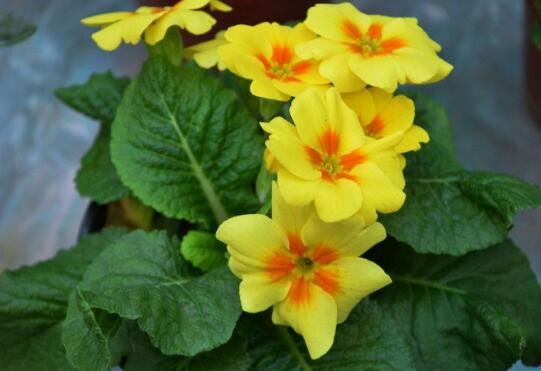
To know how to grow primroses, we first need to understand their growth habits. This plant is a warm-temperate plant that tolerates neither high heat nor severe cold, so we must pay extra attention to temperature control when cultivating it. In addition, we need to pay attention to daily water and fertilizer management. The details are below, and interested friends can take a look.
II. Cultivation Methods and Precautions for Primroses
1. Soil
Before growing primroses, the first thing we need to do is choose the soil, which is the step that lays the foundation and is very important. Generally, it is best to choose a potting mix of 2 parts leaf mold and 1 part garden soil, with a small amount of base fertilizer added. Soil mixed this way will be relatively loose and fertile, with a slightly acidic nature, which can benefit root development.
2. Temperature
If you want primroses to grow vigorously, then temperature management requires great attention. Their suitable growth temperature is around 15°C. If the indoor temperature in winter is kept at 10°C, they can survive the winter above 0°C; below this temperature they are prone to freezing, while in summer the temperature must not exceed 30°C, otherwise the plant is very likely to turn yellow and wither.
3. Fertilizing
Fertilizer is one of the main nutrients in the growth process of primroses. Especially after they enter their growth period, their demand for nutrients is very high, and we basically need to fertilize once every 8-10 days so that the plant has enough nutrients to grow vigorously. However, when fertilizing we must apply thin fertilizer; if the concentration is too high, it can easily burn the plant.
4. Water
Primroses like a warm and humid environment, but they do not tolerate waterlogging, so we should not water too much either. If the potting soil is too wet, it can easily cause root rot. Generally, in spring and autumn we can choose to water once every 2-3 days, while in summer the watering frequency can be increased.
5. Light
Primroses like light but do not tolerate strong light. In spring and autumn, because the light is relatively suitable, we can grow them outdoors to receive light all day, but after summer arrives, because the light is relatively intense, we should still provide appropriate shade to avoid strong light scorching the plant.
6. Pests and Diseases
In the process of growing primroses, if we are not careful enough, pests and diseases can easily take advantage of the situation. Such problems are very harmful to the plant, so once we discover them we must deal with them promptly. As for the specific treatment methods, you can refer more to the article on pest and disease control for primroses, which has detailed instructions.
Flowering Period Regulation Techniques for Flowers
Flower (Flower ['flauə]; plural: Flowers) is a general term for plants grown for appreciation, with modified short branches that have reproductive functions, and there are many kinds.
A typical flower, on a short axis of limited growth, bears the calyx, petals, and the stamens and pistils that produce reproductive cells. A flower is composed of the corolla, calyx, receptacle, and stamens and pistils, and comes in all kinds of colors; some are very showy and fragrant.
Flowering period regulation techniques are also called flower forcing and delaying. China has had flowering period regulation techniques since ancient times, with records of producing " out-of-season flowers ."I. Ways to Regulate the Flowering Period
People use various cultivation techniques to make flowers bloom on schedule outside their natural flowering period, according to people's wishes, which is the so-called " force a hundred flowers to bloom in a moment, gather the four seasons into one time ." When flowering is earlier than the natural flowering period, it is called forcing cultivation; when later than the natural flowering period, it is called retarding cultivation. The main ways to regulate the flowering period are:
1 . Temperature treatment: the effects of temperature are mainly as follows:
① Breaking dormancy: increasing the activity of dormant embryos or growing points, breaking the spontaneous dormancy of vegetative buds, and making them sprout and grow.
② Vernalization: at a certain stage of the flower's life cycle, under certain low-temperature conditions, after a certain period of time, the vernalization stage can be completed, allowing flower bud differentiation to proceed.
③ Flower bud differentiation: the flower bud differentiation of flowers requires a certain temperature range; only within this temperature range can flower bud differentiation proceed smoothly, and different flowers have different suitable temperatures.
④ Flower bud development: some flowers, after flower bud differentiation is completed, the flower bud then enters a dormant state, and necessary temperature treatment is required to break dormancy and bloom. Flower bud differentiation and flower bud development require different temperature conditions.
⑤ Affecting the elongation of the flower stem: the flower stems of some flowers need a certain low-temperature treatment before they can elongate and grow at a higher temperature, such as hyacinth, tulip, clivia, and trumpet daffodil. There are also some flowers whose vernalization requires low temperature, which is also necessary for flower stem elongation, such as freesia, bulbous iris, and Easter lily.
It can be seen from this that temperature plays a decisive role in breaking dormancy, vernalization, flower bud differentiation, flower bud development, and flower stem elongation. Therefore, adopting corresponding temperature treatments can break dormancy earlier, form flower buds, and accelerate flower bud development to bloom earlier. Conversely, it can delay flowering.
Light treatment: for long-day flowers and short-day flowers, the duration of sunlight can be controlled artificially to make them bloom earlier, or to delay their flower bud differentiation or flower bud development, thereby regulating the flowering period.
3 . Chemical treatment: mainly used to break the dormancy of bulbous flowers and woody flowering plants, and to make them bloom earlier. The commonly used chemicals are mainly gibberellin ( GA ) agents.
4 . Cultivation measure treatment: by adjusting the growing period or planting period, and by adopting measures such as pruning, pinching, fertilizing, and controlling water, the flowering period can be effectively regulated.
II. Methods of Regulating the Flowering Period
The flowering period can be regulated through the above 4 main ways of forcing and retarding cultivation of flowers, in order to ensure that flowering period regulation proceeds smoothly.
(I) Preparatory work before treatment.
1 . Selection of flower types and varieties:
According to the time when the flowers are needed, first choose suitable flower types and varieties. On the one hand, the selected flowers should fully meet market needs; on the other hand, it is advisable to choose flower types that bloom relatively easily at the time the flowers are needed and that do not require overly complicated treatment, in order to save time and reduce costs. Different varieties of the same flower also react differently to treatment, sometimes very differently. For example, the early-flowering chrysanthemum variety " Nanyang Dabai " blooms after 50 days of short-day treatment, while the late-flowering variety " Fojianxiao " must be treated for 65 ~ 70 days to bloom. In order to bloom earlier, early-flowering varieties should be chosen; if delaying flowering, late-flowering varieties should be chosen.
2 . Maturity of bulbs:
For forcing cultivation of bulbous flowers, the bulbs need to be promoted to mature earlier. The degree of bulb maturity has a great influence on the effect of forcing cultivation. Bulbs with low maturity have poor forcing results. Flower quality declines, and the bulbs may even fail to sprout and take root.
3 . Size of plants or bulbs:
Choose plants or bulbs that are robust and capable of flowering. According to commodity quality requirements, plants and bulbs must reach a certain size; only then can flower quality be guaranteed after treatment. If plants that have not fully grown are used for treatment, flower quality will decrease and cannot meet the needs of flower applications. Some perennial flowers need to reach a certain age before they can bloom, and plants that have reached flowering age should be selected for treatment. For example, tulip bulbs must reach 12 grams or more, and hyacinth bulbs must reach a diameter of 8cm or more before they can bloom.
4 . Treatment equipment and cultivation techniques: there must be complete treatment equipment such as temperature control equipment, supplemental lighting equipment, and light control equipment. Careful cultivation management is also very necessary.
(II) Temperature treatment:
1 . The following issues should be noted in temperature treatment of flowers:
① There are also differences in temperature sensitivity among different varieties of the same flower;
② The level of treatment temperature mostly varies according to the climatic conditions of the variety's place of origin or the place where the variety was bred. In temperature treatment, generally above 20 °C is high temperature, 15 ~ 20 °C is medium temperature, and below 10 °C is low temperature;
③ The treatment temperature also varies according to the climatic conditions of the cultivation site, harvest time, length of time before market, bulb size, and so on.
④ The suitable time for temperature treatment, such as whether to treat during the growth period or during the dormant period, varies according to the characteristics of the flower type and variety.
⑤ The effect of temperature treatment varies according to the flower type and the number of treatment days.
⑥ The flowering period control of many flowers requires simultaneous combined treatment of temperature and light, or the successive use of several treatment measures during the process, in order to achieve the expected effect.
⑦ Cultivation management during or after treatment also has a great influence on the effect of flowering period control.
2 . Temperature treatment during the dormant period:
(1) Tulip ( Tulipa gesneriana ): in June, as the temperature gradually rises, the aboveground part of the tulip gradually turns yellow and withers. When more than 1/3 of the leaves have turned yellow, this is the suitable harvest time. After harvesting, the bulbs are best dried slowly and naturally, and the temperature must not exceed 35°C. Generally, dry at 35°C for 3 days; dry at 30°C for 15 days, then treat at 20 °C with 60% relative humidity to promote flower bud differentiation.
20°C is the optimum temperature for tulip flower bud differentiation, and treatment lasts about 20-25 days; afterward, treat at 8°C for 50-60 days to promote flower bud development; then use 10-15°C for root initiation treatment, and once roots emerge, they can be planted. It is also possible not to undergo high-temperature drying treatment, but instead, in a well-ventilated place at 20°C, allow them to dry while flower bud differentiation proceeds. From the outer stamen formation stage onward, treat at 8°C low temperature for a long time to promote flower bud development. When the root crown appears, promote rooting at 15°C, then under 15-20°C conditions, they can bloom in 60 days. Because flower bud development is slow and root activity begins earlier with this method, flowering is better. Darwin system early-flowering varieties are commonly used for tulip forcing cultivation.
(2) Gladiolus ( Gladiolus hybrida ): generally placed in a 3-5°C cold storage in mid-March to inhibit corm sprouting and rooting. According to the time when flowers are needed, they can be taken out on schedule and planted, and they will bloom after a certain period. Usually, early-flowering varieties bloom about 75 days after planting.
(3) Easter lily ( Lilium longflora ): when used for cut flower production, bulbs are stored in refrigeration equipment, and planted in batches, allowing year-round flower supply. For the temperature treatment of black-stem lily, after harvest place in a cold room for dormancy; in early September carry out root initiation treatment at 15°C; after 2-3 weeks rooting begins; then place at 0-3°C low temperature for vernalization treatment for 45 days before planting, which can advance flowering.
For temperature treatment of lily bulbs, note that bulbs used for forcing cultivation must undergo a period of high-temperature after-ripening treatment before root initiation treatment, at a temperature of 30°C. The bulbs must undergo root initiation treatment before cold storage treatment. If cold storage treatment is carried out directly without root initiation treatment, then some bulbs will fail to root, and the number can reach about 50%. In addition, lilies are scaly bulbs and do not tolerate dryness. During bulb storage, suitable humidity must always be maintained. Generally, bulbs are placed in boxes, and the gaps are kept moist with damp sphagnum moss.
(4) Freesia ( Frisia refracta ): choose early-flowering varieties for forcing cultivation. After the corms are harvested and dried, store them. During temperature treatment, treat at 30°C for 40-60 days to break dormancy, then treat at 10°C for 30-35 days with humidity kept at about 90%, to meet the temperature requirements for vernalization, flower bud differentiation, and flower stem elongation. Then plant. The cultivation temperature should preferably be 15-20°C. After planting, a temperature above 20°C will cause the vernalization effect to be released, poor flower bud differentiation, and deformed flowers, greatly reducing flower quality.
(5) Lily of the valley ( Convalaria majalis ): at the end of October, treat at 0.5°C for 3 weeks, then cultivate at high temperature of 23°C, and it blooms in mid-December. From treatment to flowering is about 50 days. If in mid-September the supports are placed in a 0°C cold storage for 50 days, the effect is even better, with abundant and uniform flowering.
3 . Temperature treatment during the growth period:
There are very few flowers that have a vernalization effect when low-temperature treatment is carried out immediately after seed germination, only cornflower ( Centaurea cyanus ), larkspur ( Consolida ajacis ), and lupine ( Lupainuspolyphyllus ), etc. When the plant's vegetative growth reaches a certain level, then low-temperature treatment is carried out. There are many flower types whose flower bud differentiation can be promoted in this way, such as stock ( Matthiola incana ), primrose ( Primulamalacoides ), cineraria ( Senecio cruentus ), freesia ( Freesia refracta ), dendrobium ( Dendrobium spp. ), and marguerite ( Agyranthemum frutescens ), etc. In places with high temperatures in summer and autumn, the stems of such flowers do not elongate and the leaves are rosette-shaped. If low-temperature treatment is applied during this period, flower buds will form, and the stems will then grow vigorously and elongate. Traditional flower production often uses the method of adjusting the sowing period, making full use of natural low temperatures, or temperature differences in cultivation sites, and cultivation in different locations, etc. This can greatly save management costs, reduce costs, and facilitate large-scale production.
(1) Stock: there are also certain differences in the temperature sensitivity of stock varieties. For cut flower varieties such as winter-flowering types and intermediate types, carry out temperature treatment when there are about 10 true leaves: ① for stock flower bud differentiation or vernalization treatment, it can bloom only when the daytime temperature is below 15.6°C; at 18.3°C or above, treatment at any time cannot make it bloom; ② at temperatures above 15.6°C, the plant's elongation growth is inhibited; ③ treatment at temperatures above 15.6°C will cause morphological changes in the plant's leaves, such as serrated leaf margins or wavy deformed changes. In the flowering period regulation of stock, note that large seedlings are not easy to recover growth after transplanting, so it is advisable to transplant when there are 2-5 true leaves, and root damage should be minimized as much as possible.
(2) Freesia: induce roots at 15-18°C. When there are 5-6 leaves and the plant height is 25cm, give low-temperature treatment at 10-13°C, which can promote flower bud differentiation and create conditions for flower stem elongation, then place in a greenhouse to promote flower bud development and flowering. A method of cultivation in different locations can also be used: first induce roots, grow, carry out flower bud differentiation, and create conditions for stem elongation in a cool place, then move to a warm place or greenhouse to promote flower bud development and flowering.
(3) Primrose: at a low temperature of 10°C, flower bud differentiation can proceed under either long-day or short-day conditions. If short-day treatment is carried out at the same time, flower bud differentiation is even better. After flower bud differentiation, maintain a temperature of about 15°C and carry out long-day treatment, which can promote flower bud development and advance flowering. Primula obconica ( Primulaobconica ) also has similar habits, but not as obvious as the primrose.
(4) Peony ( Paeonia lactiflra ): natural low-temperature treatment is usually used; after December it enters the greenhouse, and after February it blooms. It can also undergo 0-2°C low-temperature treatment in early September, 25-30 days for early-flowering varieties and 40-50 days for late-flowering varieties, then under 15°C conditions for 60-70 days and it can bloom.
(5) Chrysanthemum ( Dendranthema morifolium ): under short-day conditions without low temperature, the leaves grow in a rosette shape and the stems do not elongate. Treatment at 0°C for 30 days and below 5°C for 21 days can break dormancy; gibberellin ( GA ) treatment can also be used to break dormancy. The temperature required for flower bud differentiation varies by variety type. Temperature-insensitive varieties can undergo flower bud differentiation under 10-27°C conditions, with 15°C being the optimum temperature for flower bud differentiation; high-temperature type varieties have flower bud differentiation inhibited under low-temperature conditions, and the optimum temperature for flower bud differentiation is above 15°C. Low-temperature type varieties have flower bud differentiation inhibited under high temperature, and below 15°C is the optimum temperature for flower bud differentiation.
4 . Management after temperature treatment:
(1) Preparation before planting: carry out soil disinfection about one month before planting; if nutrients are insufficient, fertilize. If planting in ground beds, deep plough to about 30cm, and add coarse-grained soil to the lower layer and loose, fertile, well-drained soil to the upper layer, with an appropriate amount of thoroughly decomposed cake fertilizer, superphosphate, plant ash, and other quick-acting fertilizers. If box planting, the box soil used should be more fertile than the soil used for bed planting. Water thoroughly 2-3 days before planting, and provide shade to prevent the ground temperature from rising and maintain a cool environment . .
(2) Planting method: for narcissus, tulip, hyacinth, and others whose rooting parts are at the base of the bulb, plant level with the soil surface when planting. Tulip bulbs can be exposed about 1/3 above the soil surface. In this way, affected by warm temperatures, they can bloom earlier, but bulb growth is poorer and they easily divide into several small bulbs, and in the following year they mostly cannot bloom. Freesia and lilies should be planted somewhat deeper, and fertile soil should be added after sprouting. For example, when planting freesia, cover the corms with about 1cm of soil, and when there are 3-4 true leaves, cover with another 2.5cm of soil. This can promote the plant's growth and development. As long as water is controlled and not overwatered, it can prevent the plant from lodging and produce uniform sprouting. Large lily bulbs can be potted. For Easter lily bulbs with a circumference of 15cm , they can be planted in 18cm flower pots, with 3 per pot; for bulbs with a circumference of 18cm, plant 2 per pot. When bulbs or plants are taken out of cold storage, because the air temperature is relatively high, they should not be planted immediately. They should be placed in a cool environment of 15-17°C for 1-2 days for adaptive training, and then planted. Planting on cloudy days, rainy days, or at night is relatively safer.
(3) Management after planting: water thoroughly after planting. For bulbs that have already begun to root, dig holes and plant on a bed surface that has been fully leveled and not compacted. After covering with soil, water. Avoid direct sunlight on the bed surface. High temperature and excessive moisture often harm the root system, and this is also one of the main reasons why tulips, bulbous irises, and others do not root well. Therefore, a shade frame should be set up over the planting bed. Laying grass on the ground can also prevent the temperature from rising. For pot planting or box planting, they can be placed in the shade of buildings or under trees, or placed in dug trenches. If roots and buds are forced at low temperature in a cellar, and then transplanted to a place with sufficient sunlight for cultivation after sprouting, the effect is even better. Lilies should maintain a temperature above 15°C, especially the early-flowering Easter lily; long days and high temperature promote flower bud differentiation, so it is suitable to place them in a sunny place when the seedlings are 3-5cm tall. A low temperature of 10-15°C can promote flower bud differentiation in freesia. If the number of leaves before treatment does not reach 6-7 or more, the plant will bloom while still short after treatment. The cultivation temperature for narcissus and tulips must not be lower than 10°C. For plants with dormant flower buds, give a temperature of 16-17°C at night and cultivate under conditions where the midday temperature does not exceed 20°C.
(III) Light treatment: long-day flowers in seasons with short sunshine can be made to bloom earlier by supplementing light with artificial light sources; if given long-term short-day treatment, flowering is inhibited. Short-day flowers in long-day seasons can be promoted to bloom by shading treatment; on the contrary, if given long-term long-day treatment, flowering is inhibited. Flowers that bloom in spring are mostly long-day flowers, and flowers that bloom in autumn are mostly short-day flowers. Generally, for short-day flowers and long-day flowers, a light intensity of 30-50Lux has a photoperiodic effect, and 100Lux has a complete photoperiodic effect. Usually, the light intensity at noon on a clear summer day is about 100,000 Lux, and the light
intensity can be sufficient. Among artificial light sources, red light is the most effective, with a wavelength of 6300-6600 ( (10-18m) having the strongest effect, followed by the blue-violet part, among which 4800 ( has the smallest effect; as the wavelength becomes shorter, the effect gradually becomes stronger, and 4000) has the greatest effect. Flowers suitable for short-day treatment include chrysanthemum, poinsettia, and others. Generally, poinsettia is given shading treatment in summer, and after mid-September the number of sunshine hours should preferably be 9-10 hours. With 11 sunshine hours, slight green spots appear on the bracts. The critical number of sunshine hours is 12-12.5 hours. Single-petal poinsettia can bloom in more than 40 days; double-petal poinsettia requires a slightly longer treatment time, and the temperature during treatment should be above 15°C, with sufficient sunlight and good ventilation required. If below 15°C, then growth and development are poor, bract leaf development is poor, and quality declines.
To make poinsettia bloom on " Double Tenth " National Day, give 8-9 hours of light daily from the end of July; after one month flower buds form, and in late September they gradually open .
(IV) Combined treatment of light and temperature:
In the flowering period regulation of flowers, sometimes one factor among light and temperature plays an obvious controlling role in breaking dormancy, growth, flowering, flower bud differentiation, flower bud development, and flowering . For example, the flower bud differentiation period of stock requires low-temperature treatment below 15°C, the flower bud differentiation of autumn chrysanthemum requires short-day conditions, and breaking dormancy in lily of the valley requires 0°C low-temperature treatment, etc. But most often two treatment factors are used as the main ones, rationally combined to promote or delay flowering. For example, autumn chrysanthemum requires short-day conditions for flower bud differentiation, but must be given a temperature above 15°C; if below 15°C, then flower bud differentiation is hindered. At the same time, when one treatment factor
changes, other factors also change accordingly, so that the expected effect can be achieved. For example, if primrose is given short-day treatment to promote flower bud differentiation, it is effective only at 16-21°C. When the temperature drops to 10°C, then flower bud differentiation can proceed under either long-day or short-day conditions. When the temperature rises to 30°C, no matter the day length, flower bud differentiation does not occur. Another example is Schlumbergera ( Schlumbergerarussalliana ), which is a succulent plant and also a short-day flower. For short-day treatment, 17-18°C is required for flowering. When the temperature reaches 21-24°C, it will not bloom even under short-day conditions; when the temperature drops to about 12°C, it can bloom even under long-day conditions.
(V) Cultivation technique treatment:
1 . Adjusting the growing period and planting period:
① Adjusting the sowing period: for example, for the following flowers to be marketed on " Double Tenth " National Day, the sowing periods are as follows:
Variety Sowing period Variety Sowing period Variety Sowing period
Pomegranate mid-March China aster mid-June Marigold mid-June
Scarlet sage early April Cockscomb mid-June Globe amaranth early July
Scutellaria early May Verbena mid-June Impatiens early July
Milkweed late May Snow-on-the-mountain mid-June Zinnia early July
Cockscomb early June Nasturtium mid-June French marigold early July
Large-flowered morning glory mid-June Cardiospermum mid-June Dwarf China aster July 20
For example, for scarlet sage to be marketed on " May Day ," it can be sown in late August, cultivated in a greenhouse in winter, and continuously pinched so that it does not bloom. Stop pinching 25-30 days before " May Day ," and it can bloom fully at " May Day ." Calendula is sown in September and cultivated in a low-temperature greenhouse in winter, blooming from December to January of the following year.
② Adjusting the cutting period: if flowering is needed for " Double Tenth ," plant autumn zephyr lily in late March and lotus (red thousand petals) in early May; plant tuberose and gladiolus in mid-July; plant canna (pot them, cut off old leaves, protect leaves and young buds) on July 25.
2 . Other cultivation technique treatments:
① Pruning: for " Double Tenth " marketing, prune late-flowering varieties of early chrysanthemum from July 1-5, and early-flowering varieties from the 15th to the 20th . For Aster novi-belgii, after potting in March, prune 2-3 times, with the last pruning carried out 20 days before " Double Tenth ."
② Pinching: pinch scarlet sage 25-30 days before " Double Tenth ."
③ Leaf removal: for elm-leaved spirea, remove the leaves from September 8-10, and then it blooms from late September to early October.
④ Fertilizing: appropriately increasing phosphorus and potassium fertilizer and controlling nitrogen fertilizer often promotes flower bud development.
⑤ Controlling water: artificially control water to make the plant shed leaves and become dormant, then provide water at an appropriate time, which can break dormancy and cause sprouting, growth, and flowering. Woody flowers such as peony, magnolia, and lilac can use this method to bloom at New Year's Day or Spring Festival.
In the process of flowering period control, comprehensive technical measures are often used, and the effect of flowering period control is more significant.
Chicory Cichorium intybus L. Chicory illustrated guide: how to grow chicory / how to propagate chicory
Chicory ProfileChicory Cichorium intybus L.
Cultivation Methods and Precautions for Chicory: An Introduction to Chicory
Chicory (also called European chicory grass) is a perennial herbaceous plant of the genus Cichorium in the Asteraceae family. Abroad, it is widely used as feed, vegetables, and a raw material for sugar production. Native to Europe, it is also called coffee grass, coffee radish, and European chicory, and is widely used as a sugar production raw material, spice, feed, and vegetable. After being introduced to China in the 1980s, large-leaf varieties were then bred. Because of its excellent quality, it has become a new feed and cash crop variety with the greatest development prospects.
Aliases: bitter lettuce, bitter vegetable, kasni, curly-leaf bitter chicory, eyesight-improving vegetable, coffee radish, coffee grass. Chicory is the aboveground part of the Asteraceae plant chicory. The efficacy of chicory is to clear heat and detoxify, promote urination, and reduce swelling. The effects of chicory are to treat damp-heat jaundice, nephritis edema, stomach and epigastric distension and pain, and loss of appetite.
Chicory originated in the Mediterranean region and was first used by the ancient Greeks and ancient Romans for its medicinal functions. In Europe, chicory has been eaten as a vegetable since the 14th century.
Chicory was introduced to China for planting in the late 1970s. After more than ten years of experimental observation, it has been proven that chicory has strong adaptability, is easy to cultivate, has tender and fresh leaves, good palatability, and high nutritional value. One planting can be used for many years, with a utilization period of up to 8 months, and the yield is very high. It is favored by various livestock, poultry, and fish, and is a high-quality green feed with great development prospects. Chicory likes a warm and humid climate, tolerates heat and cold, and has very strong regenerative ability. When the winter temperature reaches minus 3-5 degrees, the leaf color still remains dark green. Throughout the entire growth and development period, sufficient water is required, but the field must not accumulate water, otherwise the roots will rot. It has low requirements for soil and likes fertile soil (PH5-8), with strong adaptability and strong stress resistance.
Morphological Characteristics of Chicory
Chicory is a perennial herbaceous plant of the genus Cichorium in the Asteraceae family, with a fleshy, short, and thick root. The stem is upright, angular, hollow, and much branched. The leaves are alternate, long oblanceolate; the flower heads are capitulate, the corolla is ligulate, and the flower color is blue. The average height during the rosette leaf cluster leaf stage is 80 cm, and the average height during the stem elongation and flowering stage is 170 cm. The root is a thick fleshy root. The leaf color is dark green and the texture is tender. The leaves are large and grow upright upward, with 25-38 leaves, leaf length 30-46 cm, and width 8-12 cm. After breaking, there is white milky sap. The main stem is upright, the branches are slanting, the stem has ridges, is hollow, and sparsely covered with silky hairs. The basal leaves are large, and the stem leaves are smaller and lanceolate. The flower heads are capitulate, borne singly at the tips of the stem and branches or 2-3 clustered in the middle leaf axils. The involucre is cylindrical, and the flowers are ligulate and light blue. The achene is wedge-shaped with a short pappus. The main root is obvious, long and thick, fleshy, with well-developed lateral roots distributed horizontally or obliquely. Chicory blooms in May, and the flowering period can last up to 4 months. It is clustered, bears blue-purple flowers, and is also a good nectar source and landscaping plant.
Perennial herb, 40-100 cm tall. Stem erect, solitary, branching spreading or very spreading, all stems and branches green, ribbed, sparsely covered with long, curved rough hairs or bristles, or nearly hairless. Basal leaves in a rosette, persisting at flowering, oblanceolate to oblong, including the gradually narrowed petiole at the base, 15-34 cm long overall, 2-4 cm wide, base gradually narrowed into a winged petiole, lyrate-pinnatifid with the terminal lobe large and the lateral lobes pointing downward, or pinnatifid, or undivided with sparse sharp serrations along the margin, lateral lobes 3-6 pairs or more, the terminal lateral lobe larger, the lower lateral lobes gradually smaller, all lateral lobes sickle-shaped, irregularly sickle-shaped, or triangular. Cauline leaves few, smaller, ovate-oblanceolate to lanceolate, sessile, base rounded or hastate and half-clasping the stem. All leaves thin in texture, sparsely covered on both surfaces with multicellular long jointed hairs, but with more hairs on the veins and margins. Capitula numerous, solitary or several clustered at the stem tip or branch ends, or 2-8 grouped along the flowering branches in a spike-like inflorescence. Involucre cylindrical, 8-12 mm long; phyllaries in 2 layers, the outer lanceolate, 8-13 mm long, 2-2.5 mm wide, upper half green, herbaceous, margins with long cilia, the back with very sparse capitate-stalked long glandular hairs or simple hairs, lower half pale yellowish-white, hard in texture, leathery; inner phyllaries linear-lanceolate, up to 1.2 cm long, about 2 mm wide, lower part somewhat hardened, upper margins and back usually with very sparse capitate-stalked long glandular hairs mixed with long simple hairs. Ligulate florets blue, about 14 mm long, with color markings. Achenes obovoid, ellipsoid, or obcuneate, the outer achenes flattened, closely appressed to the inner phyllaries, 3-5 ribbed, apex truncate, narrowing downward, brown, with dark brown color markings. Pappus very short, in 2-3 layers, scale-like, 0.2-0.3 mm long. Flowering and fruiting period May-October.
Chicory is a highly adaptable perennial forage herb of the Asteraceae family that tolerates repeated cutting. The leaves are emerald green, entire, broad and long, with a very high protein content, slightly bitter, tender in texture, and highly palatable. The main root is distinct, thick and fleshy, penetrating deep into the soil, with well-developed lateral roots and extremely strong drought resistance. It grows vigorously and bolts relatively late; before bolting it is in the rosette stage, but after bolting it grows extremely fast and leaf volume drops sharply. Proper cutting can prevent bolting, and it has strong regrowth after cutting. In some southern regions with simultaneous rain and heat, it cannot survive the summer with 100% safety; full stands and stable high yields can be obtained through reseeding and transplanting, and it can be cut 5-8 times per year. It has extremely strong disease resistance, and no pests have been found. It can be sown except in winter. This variety is a perennial herb of the Asteraceae family, a cool-season forage grass, of the rosette-leaf-cluster type, with an erect main stem. It reaches about 80 cm tall during the rosette stage and 180-250 cm during the stem-elongation and flowering stage. The basal leaves are about 45 cm long, broad, about 11.0 cm wide, emerald green in color, with a deep and thick main root. In the second growing season after sowing, Junjun chicory shows better regrowth and branching, with generally about 13 tiller buds. The leaves average 97 per plant, with a maximum of 137.
When the plants reach 50 cm tall, they can be cut, leaving a stubble height of 5 cm, generally cut once every 30 days, with a fresh grass yield of 10,000-15,000 kg per mu (slightly lower in the north). The dry matter contains 15%-32% crude protein, 5% crude fat, 13% crude fiber, 16% crude ash, 30% nitrogen-free extract, 1.5% calcium, and 0.42% phosphorus, and is also relatively rich in various amino acids and trace elements.
Chicory's ecological habits and growth habits
It grows in coastal wastelands, riversides, ditch banks, or hillsides. The plant is cold-resistant and drought-tolerant, and prefers sunny field edges, hillsides, and similar sites. It is distributed both domestically and abroad.
Ecological characteristics
1. Strong adaptability: Chicory prefers a warm, humid climate, but is also cold-tolerant and heat-tolerant, drought-resistant, with relatively strong cold resistance, somewhat salt-alkali tolerant, and prefers fertile soil and water. It grows vigorously in the hot south, and in the cold north it remains green with fresh branches and leaves even at -8°C. It flowers in May, with a flowering period lasting up to 4 months, and the flowers are purplish-blue. It is not demanding about soil and can grow in wastelands, large grasslands, fields, and sloping land, and is suitable for planting throughout the country.
2. Long utilization period: It greens up early in spring and goes dormant late in winter, so its utilization period is longer than that of ordinary forage grasses: 7 months in the north and 8 months in the south. It is an effective forage grass for solving the shortage of green feed in early spring, late autumn, and the hot summer. One sowing can be used for 10-15 years; if water and fertilizer conditions are good and cutting is proper, the utilization life is even longer. As feed, its utilization period is longer than that of general green feed. Taking the Central Plains region as an example, if sown at the end of August, it can be cut once before winter begins, and thereafter it can be cut from April to November every year, with a utilization period as long as 8 months. It can resolve the contradiction of scarce green feed in spring and autumn and during the dog days of summer for the breeding industry, and one sowing can be used continuously for 15 years.
3. Good stress resistance: Chicory has relatively strong disease resistance. Apart from root rot occurring easily in low-lying, waterlogged areas, no other diseases have been found. After nearly 10 years of trial planting, no pests have been found.
Chicory variety classification
Chicory is divided into two types. One is curly-leaf chicory: it can grow to 45 cm long, and the green toothed leaves are soft and pointed, forming a round rosette. Curly-leaf chicory tastes quite bitter, and the heart and inner leaves are yellow or white. The other is broad-leaf chicory: the leaves are broad and large, less curled than other varieties, and less bitter in taste. Broad-leaf chicory leaves have some small teeth, and the inner leaves are whitish with yellow edges. The leaves of broad-leaf chicory often turn brown due to external influences, especially the heart, so this heart should be removed.
Variety types
In the Beijing area, leaf-type heading chicory that shows good adaptability in cultivation mainly includes two types: one is "softened chicory" used for forcing cultivation, and the other is heading chicory that can naturally form a head.
1. Varieties used for softening (forcing) cultivation
For varieties used in softening cultivation, the main root swells into a long conical fleshy taproot, with the entire root growing in the soil, and the outer skin is grayish-white and smooth. Generally, two rows of fibrous roots grow on both sides of the taproot, and the main root tends to fork and produce branched roots after being damaged. The aboveground leaves are clustered on a shortened stem, oblanceolate, with an acuminate tip; those with tooth-like deep incisions along the leaf margin are called "flower leaves," and those with entire margins are called "board leaves." For varieties that produce milky-white chicory buds, the aboveground leaf color ranges from green to dark green, and some varieties have purplish-red halos at the base where the leaves join and on the veins on the back of the leaf, with sparse fine hairs on the leaf surface. For varieties that produce red chicory buds, the aboveground leaves are brownish-purple or purplish-red. The leaf rosette has little spread, growing obliquely upright or flat, and none form a head; only the fleshy taproot is used for forcing cultivation to harvest bud clusters. Bud clusters include milky-yellow, red-purple, and purple-red-edged bud cluster varieties.
(1) Milky-yellow varieties
Mechtildis: A variety introduced from the Netherlands. After softening, the chicory bud clusters are very uniform and compact, used for mid-late and late hydroponic softening. Before softening cultivation, low-temperature storage treatment is required.
Ecliniza: A variety introduced from the United Kingdom. The plant has strong growth vigor, is easy to cultivate, and is suitable for direct seeding. The softened bud clusters are uniform and thick, with a single bud weighing about 100-150 g, milky-yellow.
Brazilian White Chicory: Introduced from Brazil. The root's dormant period is not obvious, and the bud clusters after softening are relatively white.
Tubu Chicory: A new variety introduced from the United States, developed from Brazilian White Chicory through manual selection under changed natural conditions. Its color is closer to clear yellow, and the root's dormant period is relatively obvious. The bud clusters after softening are bright white. Currently, only experimental plants have been introduced domestically and have not been promoted.
Similar varieties also include Collard, Trifolio, Wom, White River, and others.
(2) Red bud cluster varieties
German Red Chicory: Introduced from Germany. The fleshy taproot is relatively small, the plant growth vigor is relatively weak, and the leaves are green with deep purplish-red. After forcing cultivation, the bud clusters are fewer in number, nearly elliptical, with red-purple leaf flesh, milky-white main veins and leaf sheaths, crisp and tender in texture. Compared with milky-yellow varieties, its bitterness is lighter and its sweet taste is stronger, with a good mouthfeel. A single bud cluster weighs 30-80 g, and the fine hairs increase after the bud cluster is exposed to light.
French Red Chicory: Introduced from France and Italy. The bud clusters are smaller, the leaf flesh is thicker, the margins are slightly wrinkled, the leaf edges are purplish-red, and the veins and the leaf flesh near the veins are milky-white. It tastes sweet, is crisp in texture, and is high quality.
2. Heading chicory
This type of chicory is similar to head lettuce, with a shorter main root, a well-developed fibrous root system, and leaves in a basal rosette. After growing several leaves, it curls inward and gradually forms a head. The growing period is relatively short and cultivation is easy. It is divided into two main categories: red head and green head:
(1) Red head varieties. The head is bright red, and the leaf sheath and main veins are milky-white. When growing this type, it must not be planted too deep, requires frequent irrigation, and requires a day-night temperature difference of 10°C to ensure a brightly colored, firm head. Currently used varieties include:
Elios: A first-generation hybrid variety introduced from the Netherlands. The plant is relatively large, the outer leaves are green, there are many leaves, and the head is large, spherical, and red. Heat tolerance is relatively poor, suitable for autumn planting. Planting spacing is 40 cm × 40 cm.
Cilera: A variety introduced from the Netherlands, early-maturing type. There are few outer leaves, green. The head is red, relatively small and compact. This variety has strong heat tolerance and bolts late, suitable for open-field and protected cultivation, and can also be grown in plastic boxes or flower pots. For open-field cultivation, it can be densely planted, with planting spacing of 30 cm × 30 cm.
Giulio: A red head variety introduced from the Netherlands. It has relatively strong heat tolerance, bolts late, and has relatively high yield. It can be cultivated in summer. Planting spacing is 30 × 30 cm.
Sessalari: A variety introduced from the Netherlands. Late-maturing type, strong cold tolerance. The plant is relatively large and relatively upright, the outer leaves are green, and the head is spherical and red. Planting spacing is 30 cm × 30 cm. It takes 75 days from transplanting to harvest.
French Red Chicory: A red head chicory introduced from France. Relatively heat-tolerant, bolts late, medium-sized plant, with relatively many outer leaves, green, and purplish-red, broad and thick leaf sheaths. The head is oblate and purplish-red. It takes about 70 days from transplanting to harvest.
Similar varieties also include "Medusa" F1, Gust, German Red Leaf Chicory, and others.
(2) Green head varieties
Piroto: A first-generation hybrid variety introduced from the Netherlands, mid-late maturing. The head is cylindrical, dark green, with few outer leaves, plant height 35-40 cm, planting spacing 30 cm × 35 cm. It takes 70-80 days from transplanting to harvest.
Scapia: An early-maturing variety introduced from the Netherlands. It can be used for softening cultivation. The head is cylindrical, light green, with small outer leaves, plant height 30-35 cm. It can be planted in summer. Planting spacing is 30 cm × 30 cm. It takes about 60 days from transplanting to harvest. Poncho. A mid-late maturing variety introduced from the Netherlands. The plant is relatively upright. Plant height 35-40 cm. Planting spacing is 30 cm × 40 cm. It takes about 70 days from transplanting to harvest. Coslitas. A Japanese variety. The plant is relatively upright, plant height 35-40 cm. The head is spindle-shaped, yellow-green. It takes about 70 days from transplanting to harvest, and is not suitable for softening cultivation. (Similar varieties also include Lopet.)
Related species
Species related to chicory (Cichorium intybus L.) include:
Cultivated chicory (Cichorium endivia L.)
Glandular chicory (Cichorium glandulosum Boiss. et Huet.)
Chicory's uses and purposes
Chicory has a very wide range of uses. For example, it is used in the breeding industry; because of its excellent palatability, livestock, poultry, and grass carp all like to eat it, making it a high-quality green feed. Used as a vegetable, its leaves are tender, and it can be stir-fried or served as a cold dish, and it is also a highly nutritious vegetable. It is also a high-quality substrate for producing edible fungi. Abundant inulin and flavor substances can be extracted from the rhizome, and its root is a coffee substitute that can be exported. Chicory flowers in May, and the flowering period can last up to 4 months. The flowers are purplish-blue, making it a good honey source and landscaping plant.
Before chicory bolts, its nutritional value is high, with crude protein in the dry matter reaching 20%-30%, and it is also rich in various vitamins and minerals. Chicory can be fed fresh, made into hay, or made into dry powder, and is a good feed for cattle, sheep, pigs, rabbits, chickens, geese, and other animals as well as fish. After chicory bolts, the crude protein in the dry matter can still reach 12%-15%. At this time, the nutrient yield per unit area is the highest, making it the best forage for cattle and sheep. In addition, in European and American countries, bud chicory is also cultivated and produced for use as a vegetable.
The root system contains abundant inulin and aromatic substances and can be extracted as a coffee substitute. The bitter substances extracted from the root system can be used to enhance the activity of the digestive organs. In Europe and America and other places, it is widely used as a vegetable. Its fleshy rhizome, cultivated under light-blocking conditions, can produce good spherical vegetables for eating as lettuce. The young plants during the rosette-leaf stage are slightly bitter and can also be eaten directly after proper processing.
The pride of forage grasses. China has introduced many forage grass varieties from abroad, and together with excellent domestic varieties, they form a scene of a hundred grasses contending in beauty. But if comprehensively measured by factors such as yield, nutrition, growth period, pests, and diseases, Yifeng chicory is truly outstanding among them. For example, although it cannot match Rumex in protein content, the latter is susceptible to aphid damage, while chicory's lack of pests is precisely its greatest advantage.
Feeding value
Because chicory leaves are crisp and tender in texture, highly palatable, and free of off-flavors, pigs can consume 4-5 kg per day, and geese can consume 2 kg. After feeding trials at pig farms and rabbit farms, the results were: because of good palatability and no off-flavor, after pigs ate it, appetite increased, disease incidence was low, and growth speed was fast. When rabbits ate it, rabbit fur quality was good. In the hot summer, rabbits especially like to eat it; after eating, water intake decreases and they do not get diarrhea, and even rabbits with diarrhea were cured within two days. Therefore, chicory has an anti-diarrheal effect. Thus, compared with other leafy feed crops, chicory also has an anti-diarrheal effect. Because European forage chicory is of excellent quality, it has become a new variety of feed and cash crop with the most development prospects.
The grass is soft in texture, high in protein content, and highly palatable. It has strong adaptability and can grow under various climatic conditions and ecological environments. It is frost-tolerant, barren-tolerant, drought-resistant, relatively heat-tolerant, pest-free, and has very few diseases. This variety bolts more than 10 days later than the control variety, has a longer vegetative period, and has good cutting tolerance. In the north it can generally be cut 3-4 times per year, and in the south it can be cut 5-8 times per year. In field production trials, the fresh grass yield per mu reached as high as 25,000 jin, an increase of 24.5% over the control Puna chicory. Nutritional composition, palatability, and digestibility: nutritional composition at the bolting stage (dry matter basis): crude protein 15.38%, 2.20%, crude fiber 17.58%, crude ash 19.78%, nitrogen-free extract 45.05%. Palatability is very good, digestibility is high, and all kinds of poultry and livestock like to eat it, especially dairy cows, pigs, rabbits, geese, sheep, fish, chickens, ducks, and others. Suitable regions: The suitable planting area is very wide. It is suitable for most northern provinces and cities such as Northeast, Northwest, and North China as green forage for dairy cows and various livestock and poultry in summer and autumn, and for southern provinces and regions in the middle and lower reaches of the Yangtze River as year-round green supply forage.
One planting can be harvested for 15-20 years, can overwinter naturally at -30°C, sprouts again in early March, and can be cut 5-8 times per year. It regrows after cutting and has strong regrowth ability. The fresh grass yield per mu is 40,000-50,000 jin. It has wide adaptability, is easy to cultivate, has tender leaves, is juicy, and is highly palatable. Pigs, sheep, rabbits, poultry, and fish like it best. Each mu can also yield about 25 kg of seed, and selling seed will add another considerable income. Its fleshy root is also a coffee substitute, and each mu can yield 2,000 jin. The development and utilization of the fleshy root has even broader prospects.
Nutritional characteristics:
During the vegetative growth stage of chicory, after multiple sampling and testing, moisture is 84%, dry matter is 16%, and in the dry matter crude protein is 20-23%, crude fiber 9.9%, crude fat 5.3%, nitrogen-free extract 35-42%, crude ash 12.3%, calcium 1.31%, and phosphorus 0.53%. In addition, it also contains various vitamins and large amounts of trace elements. In the dry matter of Yifeng chicory, crude protein is 15-32%, crude protein content at the rosette stage is 22.9% (dry matter), crude fat 5%, crude fiber 13%, crude ash 16%, nitrogen-free extract 30%, calcium 1.5%, phosphorus 0.24%, and various amino acids and trace elements are also very rich. When the plant is 40 cm tall, it can be cut, leaving a stubble height of 2-3 cm. The fresh grass yield per mu is 20,000-30,000 jin. It can be fed fresh, ensiled, or made into dry powder. Feeding cattle, sheep, pigs, chickens, rabbits, geese, and other animals 35 kg can convert into one kg of meat.
Chicory is a medicinal and edible plant. Chicory leaves can be prepared as lettuce, and it has been introduced and cultivated in Sichuan (Chengdu), Guangdong, and other places in China. Its root contains inulin and aromatic substances, can be extracted to make a coffee substitute, and promotes the activity of the human digestive organs. The aboveground parts and roots of the plant can be used medicinally, and their traditional Chinese medicine names are chicory and chicory root respectively, with effects such as clearing heat and detoxifying, promoting diuresis and reducing swelling, and strengthening the stomach. In addition, chicory can also serve as roughage or forage grass.
Chicory's dietary therapy or medicinal value
The medical information and health dietary therapy information on Huhuawang is for reference only and cannot be used as a basis for diagnosis or medical treatment. Any health problems should be consulted with professional medical personnel, and the treatment of any disease should follow medical advice.
Ultimate flower-protecting mission: To love yourself, start from reality and strictly follow medical advice. Toward illness, do not be careless, do not delay, do not give up hope; face it bravely, warm the silent world with love, and care for the flower field within your heart with your heart.
The medical content on Huhuawang is for reference only and cannot be regarded as professional advice. Any health problems should be consulted with professional medical personnel.
Medicinal information (1)
Traditional Chinese medicine name
Drug name: Chicory
Alias: Blue chrysanthemum, "** Traditional Chinese Herbal Medicine Manual"
Medicinal material source: The aboveground parts of the Asteraceae plant chicory (Cichorium intybus L.).
Note: "Chinese Pharmacopoeia": The aboveground parts of the Asteraceae plants glandular chicory (Cichorium glandulosum Boiss. et Hout) and chicory (Cichorium intybus L.).
Nature, flavor, and meridian entry: Bitter in taste; cold in nature.
Effects and indications: Clearing heat and detoxifying; promoting diuresis and reducing swelling. Mainly treats damp-heat jaundice; nephritic edema; distending pain in the stomach cavity; loss of appetite.
Nature and flavor: Slightly bitter, salty, cool.
Effects: Clearing heat and detoxifying; promoting diuresis and reducing swelling.
Indications: Damp-heat jaundice; nephritic edema; distending pain in the stomach cavity; loss of appetite.
Usage and dosage: Internal use: decoct in water, 3-9 g. External use: appropriate amount, decoct in water for washing.
The traditional Chinese medicine names are chicory and chicory root respectively, with effects such as clearing heat and detoxifying, promoting diuresis and reducing swelling, and strengthening the stomach. In addition, chicory leaves are tender and juicy and rich in nutrients. The crude protein content at the leaf rosette stage is 22.87%, and at the early flowering stage it is 14.73%, averaging 17%. It also contains crude fat 2.1% and crude fiber 30.6%. An infusion of wild chicory flowers injected into animals can excite the central nervous system and strengthen cardiac activity (increased amplitude and slowed frequency); the decoction has antibacterial and astringent effects. The root can increase appetite and improve digestive function; a high-concentration infusion can increase gastric secretion, but does not increase smooth muscle tension. Ethanol or ether extracts of the root have antibacterial effects, and the active component may be a sesquiterpene. The root also has a mild laxative effect. The seeds contain nonspecific plant hemagglutinins. Some people have also reported that chicory contains carcinogenic hydrocarbons, at levels higher than other coffee-type beverages.
Discussions by various authors
1. "** Traditional Chinese Herbal Medicine": "Clears heat, promotes diuresis, promotes bile flow, and reduces inflammation. Mainly treats icteric hepatitis, acute nephritis, and bronchitis."
2. "Chinese Ethnic Materia Medica": "Clears heat and detoxifies, promotes diuresis and reduces swelling, and strengthens the stomach. Used for liver fire with poor appetite, nephritic edema, damp-heat distending pain in the stomach cavity, and loss of appetite."
Usage and dosage
Internal use: decoct in water, 3-9 g. External use: appropriate amount, decoct in water for washing.
Chemical composition
The whole plant contains escultin, esculin, cichoriin, lectucin, and lacturopicrin.
The leaves contain monocaffeoyltartaric acid and dicaffeoyltartaric acid, also known as chicoric acid.
Pharmacological directions
An infusion of wild chicory flowers injected into animals can excite the central nervous system and strengthen cardiac activity (increased amplitude and slowed frequency); the decoction has antibacterial and astringent effects. The root can increase appetite and improve digestive function; a high-concentration infusion can increase gastric secretion, but does not increase smooth muscle tension. Ethanol or ether extracts of the root have antibacterial effects, and the active component may be a sesquiterpene. The root also has a mild laxative effect. The seeds contain nonspecific plant hemagglutinins. Some people have also reported that chicory contains carcinogenic hydrocarbons, at levels higher than other coffee-type beverages.
Medicinal material identification
Characteristics: Glandular chicory is covered throughout with stiff hairs. The stem is cylindrical, slightly curved, grayish-green or purplish on the surface, with longitudinal ribs; the stem is nearly smooth, and the cauline leaves are few or reduced, oblong-lanceolate; the cross-section is yellowish-white and hollow. The leaves are mostly broken, grayish-green, and the intact leaves in the middle of the stem are lyrate-pinnatifid. Capitula are few, clustered, arranged in short racemes of 5-13; bracts in 2 layers, outer short and inner long, hairless. The involucre is cylindrical, 5-6 mm in diameter; phyllaries in 2 layers, the outer slightly shorter or nearly equal in length, with glandular hairs; ligulate florets blue. Achenes obovoid, ribbed, apex truncate, covered with scale-like pappus, 1-2 mm long, yellowish-brown or brown. Slight odor, salty and slightly bitter taste.
Medicinal material processing: Remove impurities and cut into sections.
Edible value and nutritional composition
Chicory leaves are tender and juicy and rich in nutrients. The crude protein content at the leaf rosette stage is 22.87%, and at the early flowering stage it is 14.73%, averaging 17%, with a crude protein yield reaching 250 kg per mu. At the early flowering stage it contains crude fat 2.1% and crude fiber 30.6%. Chicory is rich in amino acids; the content of 9 essential amino acids at the leaf rosette stage is higher than that of alfalfa meal, and it is rich in vitamins, carotene, and calcium. Chicory has good palatability and a high utilization rate, and cattle, sheep, pigs, chickens, and rabbits all like to eat it.
Edible methods
The root, after roasting and grinding, is added to coffee as a flavor-enhancing additive or used as a coffee substitute; after the root is cooked, it can be spread with cream and eaten, and the leaves can be used in salads. It is sometimes used for coloring, thickening, and adding bitterness to coffee (people in New Orleans often do this).
The tender leaves of chicory can be harvested for eating, but the bud clusters of softened chicory are mainly used for raw consumption. After washing the large bud clusters, peel off the leaf segments, dip the whole leaves in sauce, and make a fresh, appetizing cold dish. Small bud clusters can be eaten whole. When cleaning, do not rinse with hot boiling water (after heating they turn brown, soften, and become bitter); they can be stir-fried or boiled. Outer leaves with damaged outer layers, after washing, can be quickly stir-fried over high heat; eat once cooked, and they should not be left for long.
Dish: Bacon chicory salad(Serves four)
Ingredients: 1 head of chicory, 15 g butter, 1 small onion, 1 spoonful celery leaves, 2 spoonfuls red wine vinegar, 1 spoonful chopped scallion, 1 spoonful mustard, 125 g bacon, 80 ml olive oil.
Method:
1. Starting from the base of the chicory, remove the damaged outermost leaves, wash and drain them, tear into pieces, and place in a bowl.
2. Peel and chop the onion, and chop the celery. Put the onion, celery, scallion, and chicory in the bowl.
3. Remove the rind from the bacon, cut into small pieces, and fry in a frying pan until brown.
4. Prepare the vinaigrette: put salt, ginger, and vinegar in a small bowl, add mustard and olive oil, stir evenly, pour over the salad, and stir again.
5. Place the hot bacon on top, being careful not to pour in the fat produced during cooking, and stir again.
Chicory's distribution area and species distribution
Widely distributed in Asia and the Americas. In China, it is mainly distributed in warm temperate regions such as the Northwest, North China, and Northeast.
Distributed in Beijing (Baihua Mountain), Heilongjiang (Raohe), Liaoning (Dalian), Shanxi (Fenyang), Shaanxi (Xi'an, Meixian, Zhouzhi), ** (Altay, Habahe, Fuhai, Tacheng, Toli, Yumin, Bole, Shawan, Manas, Urumqi, Miquan, Yining, Chabuchar), Jiangxi (Suichuan). Widely distributed in Europe, Asia, and North Africa.
Introduced to the United States at the end of the 19th century, widely cultivated in the Netherlands, Belgium, France, and Germany, and also cultivated in North America. In the eastern United States and Canada, it has become a weed, proliferating in large numbers in pastures and along roadsides.
In the Manchu-inhabited area of Xiuyan, Liaoning Province, China, according to textual research, wild chicory has existed since thousands of years ago. Among some Manchu people in Xiuyan, Liaoning Province, the locally produced wild chicory is called "Shuoshen."
Chicory's garden uses
It can be used as material for wild-interest gardens or mixed planting in sparse woodlands.
Chicory's propagation methods
Chicory is propagated by seed and can be sown from March to October. It can also be propagated by roots: cut the roots into 2 cm thick root segments, bury them in a seedbed for sprouting propagation, and transplant to the field after the young seedlings have 4-5 small leaves. It is best to use seed seedling propagation and transplanting, which can save seed and resolve the current contradiction of seed shortage, and increase the seed propagation coefficient. With seed propagation and seedling transplanting, the seeds have strong vitality and wide adaptability, emerge easily after sowing, and can even establish seedlings quickly without soil covering. After the seedlings are established, the competitiveness of weeds is not as strong as that of chicory, and during the growth process, weeds naturally diminish. Because chicory has the above advantages, it is undoubtedly a great green feed variety for developing the breeding industry. Being the first to introduce and breed it, selling it locally as seed and seed tubers, and using it for pig farming, etc., can certainly bring great benefits.
The sowing period is March-November. For direct seeding, use 0.4-0.5 kg of seed per mu; for seedling transplanting, use 0.3 kg per mu. Seed direct seeding should be done in rows, with a row spacing of 30 cm and sowing depth of 1-1.5 cm. For seedling transplanting, transplant when the young seedlings have 4-6 leaves, with a row spacing of 40 cm × 10 cm. After each cutting, water and fertilize promptly to promote regrowth. It is mainly used as green feed. When the plant height is 40 cm, it can be cut, leaving a stubble height of 8-10 cm. If sown in autumn, by the following year from April to November it can be cut 8 times, and the fresh grass yield per mu can reach 10,000 kg.
Biological characteristics
1. Temperature: Chicory is a semi-cold-tolerant plant. The aboveground parts can withstand short-term low temperatures of -2 to -1°C, while the taproot has strong cold resistance. In the Beijing area in winter, burying the fleshy root in soil with slight covering, as long as the root skin is not directly exposed to frost and snow, allows it to overwinter safely. The most suitable temperature for plant growth is 17-20°C. When it exceeds 20°C, the assimilation function weakens; when it exceeds 30°C, almost all accumulated assimilates are consumed by respiration. However, plants in the seedling stage have relatively strong high-temperature tolerance, with an optimum growth temperature of 20-25°C. If high temperatures above 0°C occur at this stage, early bolting may appear. During the period of forcing cultivation and softening of chicory, the suitable temperature is 15-20°C, with 18°C being optimal. If the temperature is too high, the bud clusters grow quickly and form loose, non-compact clusters; if the temperature is too low, the bud clusters are slow to form, but the quality of the bud clusters is not affected.
2. Water: Chicory requires a moist environment throughout its growth and development process. If soil moisture is insufficient after sowing, the time for germination and emergence will be delayed. However, at the seedling stage, in order to promote root development, water should be properly controlled, keeping the field alternately wet and dry. After the plant has grown, the taproot begins to swell, and water supply should be ensured.
3. Light: During the vegetative growth period, the plant requires sufficient light so that the fleshy root can grow plump. During forcing (softening) cultivation, dark conditions are required.
4. Soil: It is advisable to choose fertile, loose sandy loam for planting. Chicory has relatively strong adaptability to soil acidity and alkalinity, but overly acidic soil is not conducive to its growth.
Chicory's cultivation techniques and cultivation techniques
Because the seeds are small, after deep plowing the soil surface should be raked fine and leveled, and 3,000 kg of farmyard manure should be applied per mu. Cultivation is not restricted by season; sowing can be done as long as the minimum temperature is above 5°C, preferably from April to October. There are four propagation methods: row sowing, seedling raising, broadcast sowing, and root cutting:
① Row sowing. Use 500 g of seed per mu. Before sowing, first mix the seeds evenly with fine sandy soil. The sowing depth is 1-2 cm. After sowing, immediately compact the soil to preserve moisture (ensure the soil is moist, prevent the covering soil from being too thick, and avoid affecting emergence).
② Seedling raising. Use 250 g of seed per mu. First irrigate the seedbed. After the water has completely infiltrated, scatter the seeds mixed evenly with fine sandy soil onto the seedbed, then scatter 1-2 cm thick plant ash on top. Keep the seedbed moist frequently. When the seedlings have grown about 6 leaves, they can be selected for transplanting in the afternoon. When transplanting, cut off four-fifths of the leaves, and water immediately after planting.
③ Root cutting. Cut the fleshy roots into small segments 2 cm long. Thick roots can be cut into several pieces, then sprouted and transplanted, with a row spacing of 30 × 15 cm.
④ Broadcast sowing. Wasteland can be broadcast-sown after spraying herbicide. The sowing rate for the seedling method is 120 g per mu, and for row sowing and broadcast sowing 400 g per mu; the fleshy roots can also be cut into small segments 2 cm long (thick ones can be further cut vertically into several pieces) for sprouting and transplanting, with a row spacing of 30 × 10 cm. After cutting, water and apply quick-acting fertilizer.
1. Land preparation and fertilization: Before sowing, plow and harrow level, apply 2,500-3,000 kg of decomposed barnyard manure per mu, and prepare the field ridges well for planting.
2. Seedling raising and transplanting: Mix the seeds with fine soil and sow evenly by broadcasting. Use 50-100 g of seed per 0.1 mu, enough for planting 1-2 mu. After sowing, as long as temperature and water are suitable, they will germinate in about 5-8 days. When 4-5 leaves have grown, transplanting can be carried out, with a row spacing of 25-30 cm and a plant spacing of 10-15 cm.
3. Field management: Chicory seeds have strong vitality and adaptability, emerge easily after sowing, and can even establish seedlings without soil covering. After the seedlings are established, the competitiveness of weeds is not as strong as that of chicory, and during the growth process, weeds naturally diminish. From half a month to one month after emergence, remove small and inferior seedlings, and apply quick-acting fertilizer once. After each cutting and utilization, water and fertilize promptly to promote regrowth. After sowing, generally complete emergence occurs in 5 days, but special attention should be paid to applying quick-acting nitrogen fertilizer after emergence, 13 kg of urea per mu, to promote rapid growth of the seedlings; weeds cannot compete with chicory, so no weeding is needed. If there is standing water in the field, drain it promptly, because chicory is afraid of waterlogging. The key measure to maintain continuous high yield without decline for more than 10 years is: water and fertilize promptly after every cutting.
4. Harvesting: When chicory reaches a plant height of about 60 cm, it can be cut, leaving a stubble of 8-15 cm. If sown in autumn, it can be cut 8 times from April to November of the following year, with a yield of up to 10,000-15,000 kg per mu.
Cultivation is not restricted by season; it can be sown in any season when the temperature is above 5°C. Sowing methods can be drilling or seedling transplanting, and broadcasting can be used on grasslands or wasteland. Weeds are less competitive than chicory, so there is no concern about weed damage. As long as fertilizer and water are applied promptly after each cutting, a bumper harvest can be obtained year after year.
Planting techniques:
1. Land preparation: Chicory seeds are small (1,000-seed weight is 0.96 g), so the soil surface should be fine and level. 15 kg of compound fertilizer per mu can be used as base fertilizer.
2. Sowing: ① Chicory is perennial, so the sowing time is not restricted by season. Generally, sowing from April to October is best, and it can be sown when the temperature is above 5°C. The sowing depth should not exceed 1 cm. Broadcasting, drilling or seedling transplanting can be used. For seedling raising, transplant when 3-4 small leaves have generally grown. For broadcasting, the cross method should be used to broadcast twice, horizontally and vertically, to ensure uniform sowing of chicory seeds. After sowing, water or irrigate appropriately to maintain a certain soil moisture. ② Sowing rate: Chicory seeds are small. The sowing rate is generally 400 g-500 g per mu for direct sowing, and 100 g-150 g per mu for seedling transplanting. The sowing depth is 1-2 cm. ③ Sowing method: Use broadcasting, drilling or seedling transplanting. If using seedling transplanting, generally transplant at 3-4 small leaves, with a row spacing and plant spacing of 15 cm x 15 cm. When sowing, mix the seeds with fine sandy soil to increase the volume and ensure uniform sowing. After sowing, water or irrigate appropriately to maintain a certain soil moisture. Seedlings generally emerge completely in 4-5 days.
Field management: ① Weed control: The growth rate at the seedling stage is slow. To prevent weed damage, a herbicide for monocotyledonous plants can be sprayed. Once chicory has grown, there is generally no weed damage. ② Watering and fertilizing: Chicory is a leafy vegetable-type forage and has high requirements for water and fertilizer. One month after emergence and after each cutting, water and apply quick-acting fertilizer promptly to ensure rapid regrowth. ③ Timely cutting and utilization: Generally, when the plant reaches 50 cm in height, it can be cut, leaving a stubble of about 5 cm. It should not be too high or too low. Generally, it can be cut once every 30 days. The utilization period of chicory reaches 7 months in the north and 8 months in the south, providing green feed during early spring, late autumn and the hot summer. One sowing can be utilized for 10-15 years. If water and fertilizer conditions are good and cutting is appropriate, the growth period is even longer.
3. Watering: Chicory is a leafy vegetable-type forage crop and has high requirements for water and fertilizer. One month after emergence and after each cutting, water and apply quick-acting fertilizer promptly to ensure rapid regrowth.
Cultivation of fleshy roots
Because the fleshy roots used for blanching are needed in large quantities, they should be cultivated in the field. Generally, the fleshy roots grown from 1 mu of field can supply 50-60 sq m of blanching beds for cream-yellow (white) varieties, and 23-25 sq m for red bud-ball varieties.
(1) Land selection: Choose sandy loam with deep soil, fertile and loose soil texture, fine soil particles and good aeration, and the planting area should have convenient drainage and irrigation.
(2) Land preparation, applying base fertilizer, making beds: Before sowing, clear the previous crop as early as possible and remove the residual plants and weeds of the previous crop. Spray 1.5-2.5 kg of carbaryl insecticide per mu, then use a rotary tiller to shallow-plough twice to a depth of about 15 cm. In combination with ploughing, spread 3,000-5,000 kg of high-quality decomposed organic fertilizer per mu, and mix in 30 kg of superphosphate, or 50 kg of long-acting compound fertilizer. Spread evenly and mix thoroughly by rotary tillage, then level the plot. Make small raised beds running north-south, with a bed width including the furrow of about 100 cm. Open a furrow on the west side of the bed so that the bed surface and furrow bottom form a turtle-back-shaped bed ridge about 15 cm high.
(3) Direct sowing or seedling transplanting
Direct sowing in the field. Chicory is suitable for direct sowing. The fleshy roots obtained from direct sowing are straight and relatively smooth, occupy less space during blanching cultivation, and can be planted more densely to increase yield per unit area. Autumn sowing is the main method. In the Beijing area, modern popular varieties such as "ZOOM" (Worm series varieties), "White River", red chicory, etc. are used. The optimal sowing period is from June to mid-to-late July. If sown too early, due to high temperature and long sunshine, the rate of premature bolting is very high. If sown too late, the plant's fleshy root is not plump enough, small and relatively thin, affecting the yield and quality of bud balls. Sowing at the appropriate time allows the seedling stage to avoid the high-temperature period, greatly reducing the premature bolting rate, and the plant has sufficient growth time to grow a solid straight root.
A. Sowing rate: 200-250 g.
B. Sowing method: On the west side of the small raised bed, open shallow furrows at a row spacing of 30 cm, with a furrow depth of 3 cm. Sow sparsely in drills or in holes. After sowing, cover with soil about 1 cm thick; it should not be too thick. If the sowing period encounters heavy rain, sow after the heavy rain. If the season is already late and sowing must be done in the rain or before rain, hole sowing or dibbling is preferable. After sowing, cover with plastic film, and cut open the film once seedlings emerge. Thin out overly dense seedlings. When there are 3-4 true leaves, thin to a final stand with a plant spacing of 15 cm. Seedling transplanting. If the sowing period encounters consecutive days of heavy rain, open-field direct sowing often results in missing seedlings and broken rows because seeds or young seedlings are washed by rain just after emergence; or if the planting land cannot be freed up in time, seedling transplanting should be adopted. Ordinary seedling-raising methods will damage the roots when lifting seedlings, causing the later-grown fleshy straight root to become forked roots, or curved roots, with increased fibrous roots. During blanching cultivation, this occupies more space and affects yield per unit area. Therefore, for seedling raising, it is best to use small nutrient soil blocks or plug trays. The simplest and most effective seedling-raising method is to use 288-cell plug trays for seedling raising. When transplanting young seedlings, the roots should not be damaged when pulled. Alternatively, use old newspaper to make paper tubes filled with nutrient soil. When transplanting seedlings, the soil ball does not scatter and the roots are not damaged, resulting in a high survival rate.
Plug tray seedling raising
a. Substrate for plug tray seedling raising: Local materials can be used, such as garden soil as the substrate. If conditions permit, 2 parts peat and 1 part vermiculite, or 1 part each of peat, spent mushroom material and vermiculite can be mixed. If using 288-cell plug trays, 9,000 trays are needed to plant 1 mu of chicory, and every 1,000 trays require 2.8 cubic meters of substrate (that is, to raise seedlings for one mu, 25.2 cubic meters of substrate must be prepared). When preparing the substrate, add 0.7 kg of compound fertilizer per cubic meter of substrate, or use 0.5 kg of urea and 0.5 kg of monopotassium phosphate. Mix well with the substrate and fill the plug trays for later use.
b. Sowing rate: Plug tray seedling raising uses precision sowing. The germination rate of chicory seeds can generally reach above 95%. The 1,000-seed weight is about 1.5 g. For seedling transplanting, 18-20 g of seed per mu is sufficient, greatly saving seed compared with direct sowing.
c. Seed treatment: To ensure a full stand, the seed germination rate should be tested before sowing. Generally, imported chicory seeds have been treated with fungicide and can be sown dry (seeds with red or green color have been treated with pesticide; wash hands with soap after touching them). If the seeds are self-collected or domestically bred, soak the seeds in cool water, remove the seeds floating on the surface, and after the sunken plump seeds are taken out, drain off the remaining water and sow.
d. Sowing method: Place 1 seed per cell, with a depth not exceeding 1 cm. After sowing, cover with a thin layer of vermiculite on top. After watering, the seeds should not be exposed. After sowing, spray thoroughly with water until water drips from the bottom holes of the plug tray. After spraying water, each cell of the plug tray should be clearly visible. At a temperature of about 20°C, seedlings emerge completely in 3-4 days. Check the seedlings and fill gaps.
e. Seedling management: The seedling-raising period in Beijing coincides with the hot and rainy season, so the seedling area must be protected from rain and high temperature. If raising seedlings in a greenhouse, spray water every day, and during the high-temperature period spray once in the morning and once in the evening. When the young seedlings have three leaves and one heart, foliar fertilizer can be applied 1-2 times along with watering, using 0.3% urea plus 0.2% monopotassium phosphate solution for spraying. After about 20 days, when the young seedlings have 3-4 true leaves, they can be transplanted to the field.
f. Planting: On the morning of the transplanting day, spray the plug trays thoroughly with water, lift the seedlings carefully, and transplant with the substrate. The row spacing and plant spacing at planting are the same as those for thinning direct-sown plants: row spacing 30 cm, plant spacing 15 cm. Use a small shovel to dig holes and plant the seedling plugs. The seedling plug should be level with the bed soil. Do not press the seedling plug with your hands. Water with settling water so that the seedling plug and soil fit closely.
(4) Field management
① Irrigation: After emergence in directly sown fields, check the seedling condition early and thin and fill in seedlings. If drought occurs after emergence, water continuously several times after full emergence and before final thinning. Use furrow irrigation, stopping water once it reaches the bed surface. Do not flood over the young seedlings. After a few days, when the bed surface is dry, irrigate again. After final thinning, do not water too much. Keep the soil alternately dry and moist. When the soil is dry, loosen the surface soil shallowly to make the root system grow downward. Management of transplanted seedlings is the same. By September, during the vigorous growth period of chicory, the fleshy roots expand rapidly, so increase the frequency of watering and the amount of irrigation. By early October, the fleshy roots have basically formed, and watering should be controlled. If there is no rainy weather, water 1-2 times in early October, and do not water again in mid-to-late October.
② Topdressing: About 20 days after emergence in directly sown fields, and after transplanted seedlings have recovered, apply nitrogen fertilizer 1-2 times according to seedling condition, and carry out intertillage, loosening soil and weeding at the same time. Before the plants close the rows, apply compound fertilizer once, using 20-30 kg of compound fertilizer per mu. After the fleshy roots have formed (generally about 90 days after sowing), during the digging period, carry out foliar spraying with 0.3% monopotassium phosphate 1-2 times to promote the transfer of nutrients from the leaves to the roots, increase the dry matter content of the fleshy roots and reduce moisture, so as to facilitate the next stage of storage and blanching cultivation.
(5) Harvesting fleshy roots
In the Beijing area, this is from late October to early November. The chicory plant grows for 100-120 days and then forms plump fleshy roots, which can be harvested. The work of harvesting fleshy roots must be completed before frost. When harvesting, use an iron shovel to dig up the entire fleshy root. Do not damage the roots and do not leave broken roots in the soil. The whole chicory plant, dug up with vine and root, should be stacked neatly in the bed field. The digging and harvesting work should be carried out on days without rain. In clear weather, dry them for 2-3 days, then trim them: remove yellow and old leaves, leave 3-5 cm of petiole at the leaf base, and cut off the rest. When cutting, be careful not to damage the growing point of the root crown. Root plants that have begun to bolt should be picked out. During trimming, separate large and small roots and stack them separately, then transport them to a cold place, such as a Chinese cabbage cellar or radish cellar, for storage and later use. The trimming and transport-storage work should be completed before severe cold. Never allow the fleshy roots to suffer frost and snow damage, otherwise during forcing (blanching) cultivation the frozen parts will rot and cause failure.
(6) Storage management
Reasons for storing fleshy roots. Some chicory varieties, such as "ZOOM" (Worm series), have no obvious dormancy period and can be used directly for blanching cultivation after harvest. In order to extend the production and supply period of chicory buds, storage is needed to inhibit germination and carry out blanching cultivation in batches. Most other varieties, however, must experience a certain number of low-temperature days to pass through the dormancy period and grow bud balls. They also need to be stored at an appropriate low temperature so that during storage the terminal buds neither grow nor suffer low-temperature damage.
Management during storage: During storage, the fleshy roots are best packaged with 0.1 mm ethylene film. Packaging with silicone-controlled atmosphere bags gives even better results. The storage temperature or the temperature inside the vegetable cellar should be controlled between 0-2°C, with relative humidity above 95%. At 0°C in the cellar, the fleshy roots can stay fresh for up to 6 months; at 2°C, about 4 months.
Blanching cultivation(also called pit forcing, hereafter referred to as pit forcing)
(1) Location for pit forcing
It can be set up in cold frames, greenhouses, cellars, glasshouses or even open-field dug beds. Tall plastic buckets, wooden boxes and other containers can also be used and placed in spare rooms. It is basically divided into two methods: soil culture and water culture.
(2) Soil culture method
Preparation of the forcing bed. Choose a plastic greenhouse, solar greenhouse or spare room where the temperature can be stably maintained at 8-20°C. Use clean sandy field soil or coarse river sand as the cultivation substrate, spread it into a forcing bed 30 cm thick, and level it for later use. If using a cold frame, a trench can be dug directly in the ground, about 100-150 cm wide, preferably so that a person standing at the edge of the trench can reach the center by stretching out a hand. The depth is 20-30 cm, and the length depends on the site. Where temperature control is needed and conditions permit, lay heating wire at the bottom of the trench, then cover with 3 cm of soil for later use. Treatment of chicory straight roots. Divide the chicory fleshy roots into 3 grades, large, medium and small, according to different lengths. Break off rotten leaves. Roots longer than 20 cm can have the tail end cut off. Pit forcing method. Plant roots of different sizes separately in the forcing bed, arranging fleshy roots of the same grade one next to another. Roots thicker than 6 cm can be placed close together. Roots with a transverse diameter less than 6 cm should be spaced 2-3 cm apart. After filling one trench, sprinkle sand or soil to fill the gaps, water thoroughly, and after the water has seeped in, cover with 10-15 cm of soil. Leave about 20 cm of space above the trench, set up a frame, and cover with black film or other shading material. If the temperature is controlled at 18-20°C, uncover the film after about 20 days to inspect. When yellow-white bud tips are seen just emerging from the covering soil or sand, uncover the mud and sand and harvest the bud balls. About 25 kg of bud balls are harvested per square meter. The used trench bed and sand soil cannot be used for forcing again and need to be replaced in another location. To extend the harvest period, the most economical method of pit forcing in North China can also be outdoors in the open field. Before the winter freeze, dig trenches (the method is the same as in protected cultivation), plant the chicory root plants in the trenches, cover with fine sandy soil or river sand about 20 cm, and add grass curtains on top or leave them in the open to overwinter under natural temperatures. However, in early spring frequent checks are needed. Those not covered with grass curtains in winter can be harvested until early April.
(3) Water culture method
The principle is basically the same as soil culture. It can carry out three-dimensional production and mechanical operation, with higher production efficiency. With the water culture method, the root plants must be washed clean, and a small part of the root tip of the fleshy root should be removed, which promotes the growth of bud balls and makes the bud balls firmer and thicker, with better marketability. The water quality must be clean to prevent root soft rot during the water culture process. It is best to use flowing water, or change the water frequently. The water level should be below 1/2 and above 1/3 of the fleshy root, which is more appropriate. Temperature, humidity and shading must be strictly controlled, especially the temperature must not be higher than 20°C. If it is higher than 20°C, as the temperature rises, the weight of the bud balls decreases and the rate of loosening increases sharply. The relative air humidity in the cultivation bed should be maintained above 95%. Bud balls formed under low humidity conditions are loose, light in weight and high in fiber, with a poor mouthfeel when eaten. At the same time, because the upper part of the fleshy root is not covered, weak natural light or weak lamplight for 1-2 hours will cause greening of the bud balls. After more than 5 hours, the outer leaves and the tips of the inner leaves of the bud balls will noticeably turn green, and quality will decline. Therefore, operations should be done quickly to reduce as much as possible the time the forcing room is exposed to light.
Harvesting and seed collection
(1) Harvest time
The harvest of bud balls depends on the temperature in the forcing bed. At 18-20°C, they can be harvested in about 20 days; if the temperature is 10-12°C, it takes 30-40 days to harvest. If the temperature is on the high side, although the time to form bud balls is shortened, the bud balls are loose and the commercial quality declines.
(2) Harvest standard: The bud balls of green-leaf varieties that meet commercial specifications are cream-yellow-white, with thick fleshy buds and tightly wrapped, about 12 cm long, with the thickest part about 6 cm in transverse diameter, and a single weight of 80-100 g. Red variety bud balls are smaller in both size and weight.
(3) Harvest method: At harvest, cut from the base of the bud ball, peel off the outer leaves with spots, cracks or damage, pack in small packages, and bring to market immediately. If not marketed, promptly store them away from light at 0°C and relative humidity above 95% in a warehouse. After the main bud balls of chicory are harvested, lateral buds can still form around the cut of the fleshy root, but this takes a longer time, and the number of lateral buds is also greater and slender, generally 10-20 g each. These secondary-harvest lateral buds also have their own characteristics. In the French market they are called "monk's beard" and sell very well.
(4) Seed collection
As of 2013, chicory seeds used for cultivation in China were mainly purchased from abroad and were expensive. The selection of seed plants is to select root plants with good bud ball appearance and meeting commercial standards from blanching cultivation, pull them up, and plant them together in a seed production plot, isolated from other chicory varieties and chicory. In summer, remove plants that bolt and flower too early. For large-scale planting, remove the top after the full flowering period. When the seeds in the middle part of the plant turn yellow, cut them off, dry them in the sun, thresh, winnow clean and store for later use. For small-scale seed collection, pick mature seeds in batches.
Harvest
After chicory is sown, it can be cut and utilized 2 months later. If sown in early September, it can be cut once before winter. From late March to November of the following year, it can be utilized. The utilization period is as long as 8 months, and the fresh grass yield per mu reaches 10,000-15,000 kg.
Disease and pest control of chicory
There are very few diseases and pests harming chicory, but in plots with consecutive years of dryland farming and many underground pests such as white grubs, they should be eliminated when the land is ploughed.
Disease-resistant and pest-free: Yifeng chicory has particularly strong disease resistance, especially strong insect resistance. In more than ten years of trial planting, no pest damage has ever been found. In low-lying, waterlogged areas, it is prone to root rot, and standing water must be drained promptly. However, as long as standing water is drained on time, it is also easy to prevent. Apart from this, no other diseases have been found. In particular, its insect resistance is unique. So far, no infectious diseases have been found in Yifeng chicory.
Chicory's cultural background: Internet slang
Chicory, pronounced jú jù. It is a homophone of "juju" and is an affectionate honorific, not a form of sarcasm. Just as "daxia" and "dashen" are affectionately called "dada", and mockingly called "daxia" (blind), those even more powerful than "daxia" and "dashen" are called "juxia" and "jushen", so they are affectionately called "juju", also written as "juju" (chicory).
For example: I kneel to the male chicories studying the liberal arts.
Chicory pictures