Lotus Bamboo Likes Diffused Light, How to Grow It? Growing Methods and Precautions
Gardeners are probably familiar with Lotus Bamboo. It grows easily and vigorously, stays evergreen year-round, and has upright, elegant stems with a graceful posture, making it a beautiful ornamental plant. In daily life, after discovering Lotus Bamboo, many friends want to grow it, so how do you grow Lotus Bamboo? Below are the growing methods and precautions for Lotus Bamboo, in great detail. Friends who want to grow it should definitely take a look~
I. How to Grow Lotus Bamboo: Understand Its Habits
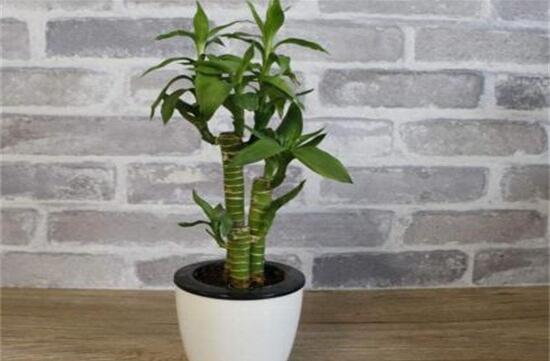
Lotus Bamboo likes a warm, humid environment. It prefers semi-shade, dislikes strong light, is not cold-tolerant, and fears waterlogging. So how do you grow Lotus Bamboo? When growing it indoors, you should place it in an environment with plenty of diffused light, water it regularly to keep the potting soil moist, and take good cold-protection measures in winter. As for the growing medium, Lotus Bamboo is not picky about soil; good drainage is enough.
II. Growing Methods and Precautions for Lotus Bamboo
1. Soil
How do you grow Lotus Bamboo indoors? The editor suggests replacing the potting soil. This is because the potted Lotus Bamboo bought online or from flower shops can be maintained normally, but that soil is very cheap. If you want to grow it well, it is best to choose new soil.
Soil choice: Although Lotus Bamboo does not demand much from soil, it grows better in shady, moist, well-drained sandy loam. For this, the editor recommends using soil mixed with leaf mold and river sand or cinder ash.
2. Light
In the growing methods for Lotus Bamboo, light is very important, but it likes a semi-shady environment. When caring for it at home, just place it somewhere with plenty of diffused light, such as under a south-facing window or on a balcony.
Precautions: Lotus Bamboo dislikes strong light. In summer, it should be moved to a place with 50%-70% shading. Once exposed to direct strong light, Lotus Bamboo will show yellowing leaves, fading, and similar phenomena, seriously affecting the plant's ornamental value.
3. Temperature
How do you grow Lotus Bamboo? Adjusting the temperature at the right time is also crucial. It is said that the most suitable growing temperature for Lotus Bamboo is 20-28°C. If you want its leaves to stay evergreen year-round, it is best to maintain this temperature when growing it indoors.
Precautions: Lotus Bamboo is not cold-tolerant. Although it can tolerate lows of 2—3°C, in winter, if you want it to keep growing, you should adjust the room temperature to above 5°C.
4. Watering
Water is the source of life, so in the growing methods for Lotus Bamboo, watering is a very important part. Because Lotus Bamboo likes a very humid environment, during the growing season from May to September, water whenever the surface of the potting soil looks a little dry. To keep the potting soil moist, when watering you should err on the side of wet rather than dry, but there must not be waterlogging, otherwise the roots will easily rot.
Precautions: Besides regular watering, during high summer temperatures you should also frequently spray the leaves and ground with water to increase air humidity; in winter, you can wait until about 2 cm deep below the surface of the potting soil is dry before watering; also, do not water too much, otherwise waterlogging will cause root rot, which is not good.
5. Fertilizing
After watering, let's talk about fertilizing, which is also very important during the growth of Lotus Bamboo. However, Lotus Bamboo does not demand much from fertilizer. Besides adding a certain amount of decomposed organic fertilizer as a base fertilizer when repotting, you can apply liquid fertilizer 1—2 times a month during the growing season, which will promote rich, deep green, verdant leaf color. In winter, stop fertilizing.
6. Pests and Diseases
During the process of growing Lotus Bamboo, due to poor environment, improper care, and other reasons, the plant will inevitably get pests and diseases. The main pests to watch for are thrips and scale insects, and the main diseases are leaf spot, stem rot, and root rot. Their appearance will harm the plant's health and beauty. So once discovered, pesticide should be sprayed immediately for control. For specific pesticides, you can refer to Lotus Bamboo pest and disease control.
Overall, Lotus Bamboo is quite easy to grow, but if you want to grow it beautifully, you need to put in more care and follow the requirements above for maintenance, so that it can grow incomparably beautiful. That is all the editor has to introduce about the growing methods and precautions for Lotus Bamboo. Gardeners who are tempted might as well try growing it~
How to Grow Lotus Bamboo: Lotus Bamboo Growing Methods and Precautions
As everyone knows, growing flowers and plants is not only beautiful but also cultivates character. Many people like to grow some easy-to-grow and beautiful green plants at home. Lotus Bamboo is one of our favorite plants to grow at home. It is not only easy to grow but also beautiful and elegant, can purify the air, and at the same time represents wealth, good fortune, and rising step by step, so it is deeply sought after by everyone. So how should Lotus Bamboo be grown?
How to Grow Lotus Bamboo
Lucky Bamboo is an evergreen upright shrub in the genus Dracaena, family Asparagaceae, and is very suitable for indoor water-grown flowers and Lotus Bamboo. The leaves of Lucky Bamboo are emerald green, and the stems are straight and round like bamboo. The leaves are ovate with pointed tips, and the leaf stalk bases clasp the stem. It is an extremely shade-tolerant plant and still grows well, upright and strong, under low-light conditions. It can be placed indoors for a long time for foliage viewing and does not need special care; as long as there is enough water, it can grow vigorously. When growing it in water, cut the Lucky Bamboo stems into small sections of more than 20 cm as cuttings and insert them into water. As long as 1/3 of the cutting can be submerged in water, it can take root and survive.
It is a plant that likes warmth, humidity, and diffused light. It is most suitable for shady, moist, well-drained sandy loam. It fears waterlogging, and the most suitable growing temperature is 22—30°C.
Lotus Bamboo Growing Methods
1. Soil
It is suitable for growing in well-drained sandy soil, semi-muddy sand, or alluvial clay.
2. Watering
During the peak growing period from May to September, water more to keep the soil moist, preferring wet over dry, but there must not be waterlogging, otherwise the roots will easily rot. During high temperatures, you should also frequently spray the leaves and ground with water to increase air humidity. In autumn and winter, appropriately reduce the amount of watering.
3. Fertilizing
During the growing period, apply liquid fertilizer 1—2 times a month to Lotus Bamboo, which can promote rich, deep green, verdant leaf color. Stop fertilizing in winter.
Lotus Bamboo has extremely strong adaptability and can grow well in full light, partial light, or shade. It likes a high-temperature, high-humidity, and sunny environment. It likes sandy soil, dislikes waterlogging, and is drought-tolerant.
4. Light and Temperature
The suitable growing temperature is 20—28°C. It can tolerate lows of 2—3°C, but in winter it needs protection from frost. The high-temperature, humid seasons of summer and autumn are very favorable for the growth of Lotus Bamboo and are its best growing period. It is not strict about light and is suitable for growing under bright diffused light. Excessive light or exposure to the sun can cause leaves to turn yellow, fade, and grow slowly.
5. Propagation Methods
In spring, cut the severed stems into 5 cm to 10 cm leafless stem nodes, or cut off the basal tips, which tend to dry out. Take branch sections with stem tips that have grown for a long time in a shaded indoor spot, insert them into clean coarse river sand, water thoroughly, cover with a plastic bag, keep the medium moist, and place in a bright indoor spot; they can take root in about 25 days. Or insert the cut branches into water; at 25°C they can take root in about half a month.
Precautions for Growing Lotus Bamboo
1. Disease Control
Lotus Bamboo commonly suffers from leaf spot, stem rot, and root rot. It can be sprayed multiple times with 100-times Bordeaux mixture. Common pests of Lotus Bamboo include thrips and scale insects, which can be sprayed with 50% omethoate emulsifiable concentrate at 1000-times dilution.
2. Yellowing Leaves
Lotus Bamboo can develop yellowing leaves due to lack of fertilizer, lack of light, or sunburn. Everyone needs to pay attention to this when growing it.
How to Handle Yellowing Leaves on Lotus Bamboo
1. Light
Lotus Bamboo likes a cool, shady environment, but it also cannot always avoid the sun. Occasionally it should be moved outside for photosynthesis, making the plant's leaves greener and more beautiful. When moving it out for sun, avoid exposing it when the light is strong. Otherwise, strong light will scorch the leaves, and yellow spots appearing would not be good.
2. Water and Fertilizer
If the fertilizer concentration is too high or too much fertilizer is applied, stop fertilizing immediately. In serious cases, use a large amount of water to rinse out part of the fertilizer.
For yellowing leaves caused by fertilizer deficiency, usually apply thin fertilizer frequently and add some alum water at the right time. In addition, Lotus Bamboo is a foliage plant, so fertilizer mainly based on nitrogen should be applied, which can make the leaves dark green and fresh.
Through the above content, I believe everyone has gained some understanding of the cultivation techniques for Lotus Bamboo. Lotus Bamboo actually belongs to a type of Lucky Bamboo, but its plant shape looks relatively short. Although it is called Lotus Bamboo, it does not bloom, and like Lucky Bamboo, it is an evergreen plant.
Why Grow Three Lotus Bamboo Plants: Growing Methods and Precautions for Lotus Bamboo
Lotus Bamboo, also known as Lotus Bamboo, has a very strong ability to adapt to the environment and is a green plant very suitable for indoor ornamental cultivation. If you have friends around you who love growing Lotus Bamboo, you will surely notice a very interesting thing: when they grow Lotus Bamboo, they generally choose to grow only three plants. Friends who are very curious, please continue to follow the editor to learn the reason.
Why Grow Three Lotus Bamboo Plants
Lotus Bamboo is a plant with upright stems and deep green leaves similar to bamboo, and it stays evergreen throughout the year. The meaning it represents is flowers blooming in wealth, bamboo reporting peace, great fortune and prosperity, and a lifetime of wealth. Many people choose to grow three Lotus Bamboo plants at home. Why is that? In fact, there is no special meaning in how many Lotus Bamboo plants you grow; it is just that people like growing odd numbers, and three Lotus Bamboo plants grown together look the most beautiful. As everyone knows, the flowerpots for growing Lotus Bamboo all have bowl-sized openings, and generally glass pots look the best for growing it. This size is most suitable for growing three Lotus Bamboo plants.
Growing Methods and Precautions for Lotus Bamboo
I. Growing Methods
1. Soil
It is suitable for growing in well-drained sandy soil, semi-muddy sand, or alluvial clay.
2. Watering
May to September is the peak growing period for Lotus Bamboo. Water more to keep the soil moist, preferring wet over dry, but there must not be waterlogging, otherwise the roots will easily rot. During high temperatures, you should also frequently spray the leaves and ground with water to increase air humidity. In autumn and winter, appropriately reduce the amount of watering.
3. Fertilizing
During the growing period, apply liquid fertilizer 1-2 times a month to Lotus Bamboo, which can promote rich, deep green, verdant leaf color. Stop fertilizing in winter.
4. Light and Temperature
The suitable growing temperature is 20-28°C. It can tolerate lows of 2-3°C, but in winter it needs protection from frost. The high-temperature, humid seasons of summer and autumn are very favorable for the growth of Lotus Bamboo and are its best growing period. It is not strict about light and is suitable for growing under bright diffused light. Excessive light or exposure to the sun can cause leaves to turn yellow, fade, and grow slowly.
II. Precautions
1. Disease Control
Lotus Bamboo commonly suffers from leaf spot, stem rot, and root rot. It can be sprayed multiple times with 100-times Bordeaux mixture. Common pests of Lotus Bamboo include thrips and scale insects, which can be sprayed with 50% omethoate emulsifiable concentrate at 1000-times dilution.
2. Yellowing Leaves
Lotus Bamboo can develop yellowing leaves due to lack of fertilizer, lack of light, or sunburn. Everyone needs to pay attention to this when growing it.
How to Grow Lotus Bamboo in Water
1. Cut Cuttings
Remove leaves from the base and cut a slanted opening: Before putting it into a vase, remove the leaves from the base of the cutting, and use a sharp knife to cut the base into a slanted opening. The cut should be smooth to increase the area for absorbing water and nutrients.
2. Controlling the Water Level in the Hydroponic Container
Control the water level and choose water selectively. The water level only needs to be about one-third to two-thirds of the bottle. Also, before roots grow, change the water frequently, once every 3-4 days. After rooting, you almost do not need to change the water; just add an appropriate amount of water to the bottle. In summer and other dry weather, you should spray more water on the leaf surfaces.
II. Hydroponic Precautions
1. Temperature Control
You need to manage the indoor water-culture temperature for Lotus Bamboo well, because Lotus Bamboo prefers warmth. 16 to 25°C is moderate. It is not suitable to place it in a cold place for growing, and cold-protection measures should be taken.
2. Light and Ventilation
Lotus Bamboo should have enough lighting time. Even when grown indoors, it should appropriately receive sunlight. Just place it in a ventilated place with sufficient light.
3. Fertilizing
Actually, hydroponically grown Lotus Bamboo also needs fertilizing. Depending on the actual situation, fertilizer can be applied about once every 30 days on average. Moderate fertilizing can keep its leaves oily green and spread out for a long time, or you can add an appropriate amount of culture solution.
The Flower Language and Symbolism of Lotus Bamboo
The flower language of Lotus Bamboo is wealth and good fortune, rising step by step, and enduring youth. Lotus Bamboo is an important flower for greening and decoration that can be kept indoors for a long time. It combines meanings such as flowers blooming in wealth and bamboo reporting peace, and is very suitable for giving to family and friends.
Lotus Bamboo likes a growing environment with high temperature, high humidity, and sufficient sunlight, and can also be grown in the simple and beautiful way of hydroponics. Lotus Bamboo itself has a strong ability to purify air and also carries good meanings such as wealth and good fortune, so whether growing it at home or giving it to relatives and friends, it is one of the best choices.