Can Calathea ornata be grown in water? Change the water once every 2 days for hydroponic growing
As a beautiful foliage plant, Calathea ornata has many uses; it is both ornamental and medicinal, and is deeply loved by plant enthusiasts. However, compared with soil culture, many enthusiasts prefer hydroponics, so can Calathea ornata be grown in water? If so, how do you grow Calathea ornata in water? Next, let's take a look at the hydroponic growing method for Calathea ornata.
1. Can Calathea ornata be grown in water? Yes
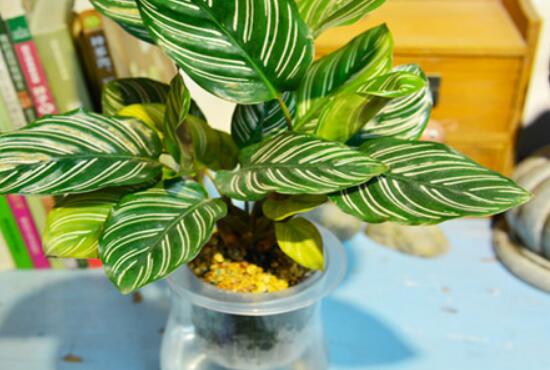
Calathea ornata likes a humid environment, and it has strong vitality; even a single leaf placed in water can survive, so can Calathea ornata be grown in water? Clearly it can. You can directly convert soil-grown Calathea ornata into hydroponics, and its ornamental value will be even higher. For the specific method, let's continue reading below.
2. How to grow Calathea ornata in water
1. Hydroponic container
If you want to grow Calathea ornata in water, you first need to choose a container, and for the sake of beauty and for easy observation of its growth, we recommend using a plastic pot, a ceramic flower pot, or a glass product; in any case, it should be transparent and attractive.
2. Hydroponic seedlings / washing the roots
Choose a Calathea ornata that is robust, has no yellow leaves, has bright colors, and has no pests or diseases, and take it out of its pot. Prepare a basin filled with water and place the unpotted plant into it; the water level is best at 1/2-2/3 of the root system, allowing the soil to loosen and fall away. After that, change to clean water and gently wash off the fine soil stuck to the root hairs; the resulting plant is the hydroponic seedling we need.
Plant treatment: After the hydroponic seedling is washed clean, cut off all dead leaves and old roots, then soak it in a 1% potassium permanganate aqueous solution for one hour; the purpose is to disinfect and sterilize, and to promote the plant to produce new roots early.
3. Starting hydroponics
How do you grow Calathea ornata in water? After completing the preparation above, it really begins: place the hydroponic seedling into the container. As for how high the water level should be for hydroponic Calathea ornata? You can add clean water so that 1/3—1/2 of the root system is exposed above the water.
3. Growing method for hydroponic Calathea ornata
1. Hydroponic environment
After hydroponics is completed, Calathea ornata may initially show curled leaves. At this time, do not worry; simply place the container in a ventilated, shady place and appropriately spray water on the leaves.
2. Changing water / fertilizing
In the growing method for hydroponic Calathea ornata, changing the water and fertilizing are very important. For changing the water, replace it with clean water once every 1—2 days; in this way, new roots will grow after about 10 days.
As for fertilizing, after the plant has adapted to the hydroponic environment and the leaves are no longer curled, you can add nutrient solution for care. The nutrient solution can be a specialized foliage plant nutrient solution or a compound flower fertilizer, used after dilution with water. The first time you apply nutrient solution, dilute it 3—5 times, and apply it once every 3-4 weeks.
3. Pruning / pests and diseases
During hydroponic care of Calathea ornata, if you find rotten roots on its root system, cut them off promptly and rinse the roots with water to prevent pathogens from breeding. Once it becomes diseased, you should find the cause and then spray accordingly; for this, you can refer to pest and disease control for Calathea ornata.
Overall, Calathea ornata is very beautiful, and growing it hydroponically and placing it in the living room makes it even more attractive. More importantly, compared with the soil-growing method for Calathea ornata, hydroponic care is simpler, so friends who are tempted may as well try it themselves. That is all for the hydroponic method for Calathea ornata; we hope it helps everyone.
Can Calathea ornata be grown in water? Home hydroponic growing methods and precautions for Calathea ornata
Most people like to grow some green plants at home, whether for decorating the home environment or for cultivating character; this is the value that green plants bring. However, many plant enthusiasts are no longer limited to soil potting for these green plants; hydroponics is more attractive. This is because hydroponics has high ornamental value, and mainly because it is also relatively simple to care for. So can Calathea ornata be grown hydroponically? Today we will introduce it to everyone.
Can Calathea ornata be grown in water?
Calathea ornata can be grown hydroponically.
Home hydroponic growing methods and precautions for Calathea ornata
1. Home hydroponic growing method for Calathea ornata
1. Hydroponic preparation
The container can be a plastic pot, a ceramic flower pot, or a glass product. Choose a plant that is robust, has no dead leaves or yellow leaves, has glossy leaves and bright colors, and has no pests or diseases. The nutrient solution used for hydroponics can be a specialized foliage plant nutrient solution or a compound flower fertilizer, used after dilution with water.
2. Hydroponic method
Before hydroponics, first wash the roots of Calathea ornata. Place the plant in water close to the ambient temperature to soak; the water should reach about one-half or two-thirds of the root system. After the pot soil loosens and falls away, change to clean water and gently wash off the fine soil stuck to the root hairs.
Then remove the dead leaves from the plant, cut off the old roots or rotten roots, and then soak it in a 1% potassium permanganate aqueous solution for one hour. Doing this both disinfects and sterilizes, and promotes the plant to produce new roots early. After taking it out, rinse it clean with clean water, then plant it in the container, add clean water, and expose 1/3-1/2 of the root system above the water.
Precautions
1. In the initial period after hydroponics, the leaves of Calathea ornata may curl. Place the container in a ventilated, shady place and appropriately spray water on the leaves. Change to clean water once every 1-2 days, and new roots will grow after about 10 days.
2. When the plant has adapted to the hydroponic environment and the leaves are no longer curled, you can add nutrient solution for care. The first time you apply nutrient solution, dilute it 3-5 times, and replace the nutrient solution once every three to four weeks; ordinarily you only need to top up the water.
3. During the care process, if you find rotten roots on the root system of Calathea ornata, cut them off promptly and rinse the roots with water to prevent pathogens from breeding.
What are the values of Calathea ornata?
1. Greening value
Calathea ornata can be planted under tree shade in parks and along roadsides. In South China, Calathea ornata has already been applied on a large scale in landscaping, while in North China it is mostly planted in greenhouses for garden landscaping.
2. Decorative value
Calathea ornata can be arranged by block planting, clump planting, or combined with other plants, and planted in places such as hotels, shopping malls, and meeting venues, or used as permanent arrangements in corner areas of public places.
However, when planting indoors, pay attention to supplementing light in time and spraying water on the leaves on schedule to increase the air humidity in the environment.
3. Purification value
As a leafy plant, Calathea ornata also has a certain effect on purifying air. It can adsorb impurities and dust in the air and purify particulate matter, so it is one of the best choices for home growing.
4. Potted value
Because the plant's appearance is relatively beautiful, it has many leaves and many colors, and its survival ability is relatively strong, so cultivation and management are relatively easy. It is often used for indoor potted ornament, and is one of the most famous indoor foliage plants in the world.
For home growing, it can be placed on the balcony, in the living room, bedroom, etc. During cultivation, every so often, place Calathea ornata in a place with relatively strong sunlight such as a balcony or outside a window, so it can absorb scattered light, which helps the plant grow vigorously and makes long-term viewing convenient.
How often should Calathea ornata be watered?
1. Watering time
Generally, water three times a day, once each in the morning, noon, and evening.
2. Watering method
1. From March to October each year is the vigorous growth period of Calathea ornata. The most suitable relative air humidity for its growth is 75%-85%. Higher air humidity is extremely beneficial to the leaf growth of Calathea ornata, so it needs frequent watering.
2. In summer, water 3-4 times a day. It is best to spray the leaves in the morning, water the soil surface at noon or in the afternoon, and water the whole plant in the evening, and spray the leaves frequently.
3. In autumn and winter, the growth rate of Calathea ornata slows down, so the amount of watering should gradually decrease. Depending on different weather conditions, you can choose to water once a day or once every 2 or 3 days.
3. Precautions for watering
1. When Calathea ornata produces new leaves, if it is too dry, the edges of the leaves will curl and later become deformed, seriously affecting the ornamental effect, so be sure to pay attention to watering.
2. Watering in summer should also be moderate, following the principle of “small amounts, many times.” The soil should not be too sticky or too wet, otherwise Calathea ornata is prone to root rot and disease.
3. When the temperature is relatively low, keep the soil dry to avoid Calathea ornata being damaged by freezing.
As mentioned above, Calathea ornata can be grown hydroponically, and enthusiasts who need it can try the hydroponic method above. During hydroponics, root rot may be relatively likely, so enthusiasts should not forget to deal with rotten roots promptly to avoid breeding bacteria.
Can Calathea ornata be grown in water?
Can Calathea ornata be grown in water?
Calathea ornata can be grown hydroponically.
What is needed for hydroponic Calathea ornata?
The container can be a plastic pot, a ceramic flower pot, or a glass product.
Choose a plant that is robust, has no dead leaves or yellow leaves, has glossy leaves and bright colors, and has no pests or diseases.
The nutrient solution used for hydroponics can be a specialized foliage plant nutrient solution or a compound flower fertilizer, used after dilution with water.
How to grow Calathea ornata in water
Before hydroponics, first wash the roots of Calathea ornata. Place the plant in water close to the ambient temperature to soak; the water should reach about one-half or two-thirds of the root system. After the pot soil loosens and falls away, change to clean water and gently wash off the fine soil stuck to the root hairs.
Then remove the dead leaves from the plant, cut off the old roots or rotten roots, and then soak it in a 1% potassium permanganate aqueous solution for one hour. Doing this both disinfects and sterilizes, and promotes the plant to produce new roots early.
After taking it out, rinse it clean with clean water, then plant it in the container, add clean water, and expose 1/3-1/2 of the root system above the water.
Management after hydroponic Calathea ornata
In the initial period after hydroponics, the leaves of Calathea ornata may curl. Place the container in a ventilated, shady place and appropriately spray water on the leaves.
Change to clean water once every 1-2 days, and new roots will grow after about 10 days.
When the plant has adapted to the hydroponic environment and the leaves are no longer curled, you can add nutrient solution for care. The first time you apply nutrient solution, dilute it 3-5 times, and replace the nutrient solution once every three to four weeks; ordinarily you only need to top up the water.
During the care process, if you find rotten roots on the root system of Calathea ornata, cut them off promptly and rinse the roots with water to prevent pathogens from breeding.