The main propagation method for paperbush (Edgeworthia chrysantha) is cuttings.
Paperbush is a flowering plant of the genus Edgeworthia in the family Thymelaeaceae, and it can be seen in many regions of China. As more people grow it in various places, questions about its propagation have also drawn greater interest. How is paperbush propagated? What are the propagation methods for paperbush? Below, the editor will walk everyone through it.
1. How is paperbush propagated: cuttings / division / layering
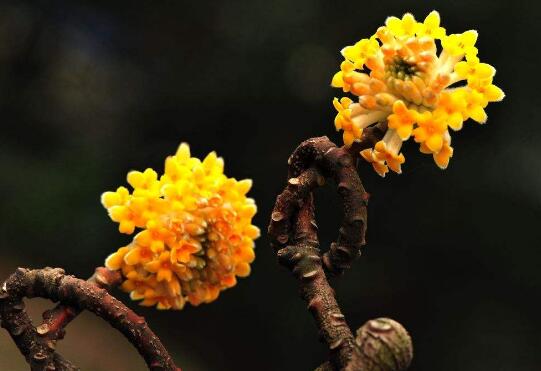
When it comes to how paperbush is propagated, it can mainly be divided into three methods: cutting propagation, division propagation and layering propagation, among which cutting propagation is the main one and is also used by more people. Although division propagation and layering propagation are used less often, as long as they are done properly, the survival rate is not low either. The specific details of the three propagation methods are given below, and those interested can take a look.
2. Propagation methods for paperbush
No matter which propagation method we use, we first need to choose a substrate, which is the step of laying a good foundation and is very important. Generally, it is best to choose loose, fertile, well-drained humus soil as the substrate. This kind of soil is rich in nutrients and has good air permeability, allowing the plant to absorb nutrients better.
Cutting propagation
Selection of cuttings: Before carrying out cutting propagation of paperbush, we must first select cuttings. The quality of the cuttings directly affects their survival rate, so it is generally best to choose branches that are robust and free of pests and diseases as cuttings, as the survival rate will then be very high. If you choose thin, weak-looking branches, then the cutting can basically be declared a failure, and the survival rate will not be high.
Cutting method: Among the propagation methods for paperbush, cutting propagation is the main one. When carrying out cuttings, we can first use a chopstick to poke a hole in the potting soil, then insert the cutting into it and water it. Be careful to water thoroughly at one time, and roots will form after 50 days, with transplanting possible the following year.
Division propagation
For division propagation of paperbush, we can generally carry it out together with repotting. First, we need to dig the plant out of the potting soil, then remove the old soil, take sturdy small suckers, cut the roots connecting them to the mother plant, and then pot them separately for planting. Generally, after potting they are a complete flowering plant, and within one year they can grow to 60 cm-70 cm.
Layering propagation
When carrying out layering propagation of paperbush, we must first choose sturdy clump shoots, then make a half-ring-shaped cut on one side of the part pressed into the soil, reaching down to the xylem, bury it in the soil with the branch tip exposed, keep it moist, and wait until the second year to cut off the mother branch, after which normal care can be carried out.
How paperbush is propagated, and paperbush cultivation methods and precautions
Paperbush is a potted ornamental flowering plant with a rich fragrance. Paperbush has a beautiful meaning, and its branches are soft and relatively easy to tie into knots, so paperbush is also called the knotting tree. It is precisely because of its easy-to-knot characteristic that it carries the meaning of symbolizing beautiful love and being joined together. So do you know how paperbush is propagated? Let's take a look below with the editor of Huayu.com!
Paperbush propagation methods
Paperbush is also known as "yellow-flowered paperbush". Paperbush has an elegant posture, and its soft branches can be tied into knots, making it very lovable. In China, paperbush is also called China's love tree. Many people in love believe that to obtain long-lasting sweet love and happiness, as long as you tie knots in the same direction on the branches of the paperbush tree, the wish can come true. How is paperbush propagated? There are two propagation methods for paperbush:
1. Division propagation
How is paperbush propagated? Before budding in early spring, take sturdy small suckers, cut the roots connecting the paperbush to the mother plant, and plant them separately in the ground, and they will survive. Within one year they can grow to 60 cm to 70 cm.
2. Cutting propagation
Regarding how paperbush is propagated, division propagation was introduced above, and there is also the common cutting propagation. It is generally carried out from February to March. Select sturdy branches with a length of 10 cm to 15 cm, use a sharp knife to cut the lower part into a horseshoe shape with one cut, insert it into the soil about halfway, firm it down, water thoroughly, shade it and keep the soil moist. Roots will form in 50 days, and it can be transplanted the following year.
Paperbush cultivation methods and precautions
Soil
How paperbush is propagated mentioned that paperbush should be kept moist during cuttings, so what requirements does paperbush have for soil? Sandy loam soil is best for cultivation. Paperbush has fleshy roots, and whether grown in the ground or in pots, well-drained and fertile sandy loam soil is best, while saline-alkali soil should be avoided.
Light
Paperbush likes semi-humid conditions and sun protection. Paperbush likes semi-shade. It can be planted or placed in a spot backed by a north wall and facing south, so that it can avoid the scorching sun in midsummer and get sunlight in winter, which is best. For potted plants, from autumn to spring it should be placed in a spot with better sunlight, and in summer in a semi-shaded place. Too much sun makes the leaves prone to yellowing and fewer flowers; too much shade makes the fragrance of the flowers faint.
Temperature
Paperbush likes warmth and is cold-tolerant. Paperbush is a temperate tree species and likes a warm climate, but it can also withstand freezing within -20°C, and south of Beijing it can overwinter outdoors. However, in places where the winter temperature is -10°C to -20°C, the flowering period is delayed to March to April. In places where the winter temperature is below -20°C, it is only suitable for pot cultivation, and in winter it can be brought indoors and placed on a south-facing windowsill.
Watering
During the growing season, it should be watered frequently to keep it slightly moist, which is best. Waterlogging makes the roots prone to rot, and being too dry makes the leaves prone to falling, both of which lead to fewer flowers the following spring.
Fertilizing
After flowering, apply a fertilizer mainly composed of nitrogen fertilizer to promote the growth of branches and leaves. In early autumn, apply a compound fertilizer mainly composed of phosphorus and potassium fertilizer to promote flower bud differentiation. At other times, do not fertilize.
Pest and disease control
1. Southern blight. This disease is likely to occur under high temperature and high humidity and poor ventilation.
Control methods:
① Choose healthy, disease-free plants for planting.
② Remove diseased residues or other organic residues and weeds from the soil, which is unfavorable for the germination and growth of sclerotia.
③ Pay attention to drainage and apply more organic fertilizer to promote robust growth of the fungus wood and improve disease resistance.
④ Before planting, disinfect the soil with 70% quintozene powder. 4 grams per 10 sq m; loosen the soil after applying the pesticide. After the disease occurs, ventilate promptly, and use mercuric chloride lime water prepared into a 1:15 dilution of 1500 times, or 50% thiophanate wettable powder at 500 times, or 1% copper sulfate solution, or carboxin at 10 ml/kg to irrigate the roots. For other control methods, refer to peony.
2. Viral leaf curl disease. It mainly damages leaves.
This disease is likely to occur in rainy and foggy weather. Control methods: generally prevention is the main approach. After the disease occurs, spray the plants with 50% carbendazim or 50% thiophanate wettable powder at 800 times.
Propagation methods for paperbush
Growth habits of paperbush
Paperbush is native to Henan, Shaanxi and the provinces and regions south of the Yangtze River basin in China. It likes a warm climate, tolerates both sunlight and semi-shade, but is relatively not cold-tolerant, and its requirement for soil is loose, fertile and well-drained soil.
Propagation methods for paperbush
Division propagation
Before paperbush buds, select sturdy small seedlings, cut the roots connecting them to the mother plant, and plant them separately in the ground, and they can grow into new plants!
Cutting propagation
Select healthy, sturdy branches about 10-15 cm long, use a knife to cut the lower part into a horseshoe shape, then insert about half of it into the soil, firm it down, water until thoroughly watered, keep the soil moist, shade it, and after about 50 days they can sprout, and the next year they can be transplanted.
Layering propagation
Select sturdy clump shoots, peel the side pressed into the soil into a half-ring shape, then bury it in the soil with the branch tip exposed, keep the soil moist, and in the second year cut off the mother branch and cultivate it separately. Transplanting is carried out in winter and spring, and bare-root transplanting is possible. During cultivation, keep the soil moist; if it is dry, it easily causes leaf drop.
Fertilization management for paperbush
After paperbush blooms, apply a fertilizer mainly composed of nitrogen fertilizer, which is beneficial for growing branches and leaves. After early autumn, apply a compound fertilizer mainly composed of phosphorus and potassium fertilizer, which is beneficial for flower bud differentiation. At other times, do not fertilize.
The above are the propagation methods for paperbush. I hope flower lovers can grow healthy and beautiful paperbush based on this article by the editor!