How to propagate broom (Genista)? A detailed guide to the two methods: sowing and division
Broom is a flowering plant in the genus Genista of the Fabaceae family, and it can be seen in many regions of China. As more people grow it in various places, questions about its propagation have drawn greater interest. How do you propagate broom? What propagation methods does broom have? Below, the editor takes you through it.
1. How to propagate broom: sowing / division
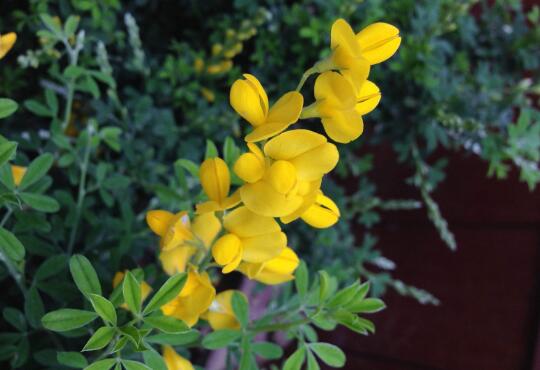
When it comes to how to propagate broom, it can mainly be divided into two methods: sowing propagation and division propagation. Sowing propagation is the main one, though division propagation, although used relatively less often, also has a very high survival rate as long as it is done properly. The specific details of both propagation methods are given below, and those interested can take a look.
2. Propagation methods for broom
Choosing the substrate
First, whether we are doing sowing propagation or cutting propagation, we need to choose the substrate first. This is the step that lays the foundation and also has a big effect on the survival rate. Generally, it is best to choose a loose, fertile sandy loam as the substrate for broom. This kind of soil has good drainage and aeration, allows the plant to absorb nutrients better, and is not prone to waterlogging.
Disinfecting the substrate
After choosing the substrate, we also need to disinfect it, to avoid pests and diseases in it being passed on to the broom. For disinfection, we can break it up and spread it flat under the blazing sun, or put it in a pot over a fire and stir-fry it, so that any pests in the soil are killed.
Sowing propagation
Seed priming: Among broom propagation methods, sowing propagation is a relatively commonly used one. Before sowing, we first need to soak the seeds in warm water at about 30°C for 2-3 days. When the seeds begin to absorb water and swell, take them out and sow them. This has a priming effect on the seeds.
Sowing method: Before sowing broom, first apply an appropriate amount of base fertilizer to the substrate, then evenly scatter the seeds over the soil surface. After scattering, cover with 1-2cm of soil and then water. When watering, it is best to use the immersion method: place the flower pot about halfway into water and let the water soak up slowly from the drainage holes at the bottom.
Division propagation
For broom division propagation, we can generally do it together with repotting. We can choose to divide once every two years. First, dig the plant out of the pot soil, then remove the old soil, cut the plant into several clumps, and pot them separately. Plant them as you divide them, and they root very easily. Generally, after potting, it is a complete foliage plant.
Broom's growing habits and propagation methods
Broom has very strong vitality, so it is very easy to grow. It likes a sunny, well-lit environment, and it is not afraid of heat or cold. In hot summer there is no need to shade it. It is relatively light-loving, tolerant of drought and poor soil, has a well-developed root system with root nodules, but dislikes waterlogging and overly shady environments. It often grows on sunny hillsides, and its sprouting ability and suckering ability are both strong, so it can propagate naturally by seed. It grows even better in deep, fertile, moist sandy loam.
When growing broom, its propagation methods can be divided into two types: sowing propagation and division propagation;
Sowing propagation: Both spring sowing and autumn sowing are fine. When the fruit turns brown, harvest it promptly, then sun-dry and store it. For spring sowing, first soak the seeds in 30°C warm water for two or three days, and sow them when the seeds are about to sprout. This makes seedlings emerge quickly and evenly.
Division propagation: Division propagation is generally carried out in early spring when buds sprout. Dig up rooted suckers around the mother plant and plant them, but note that you must not damage the root bark too much, otherwise the survival rate will not be as high.
Broom's growing methods and precautions
Broom is a type of plant in the Fabaceae family. It is a creeping herb with a long flowering period and bright flower colors, and its ornamental value is especially high. It can be planted over large areas or grown as a potted plant, but people do not know much about its growing methods, nor do they know what to pay attention to when growing broom, so their broom never grows well. Today I will specifically introduce some knowledge related to growing broom, and friends who like this plant can focus on it.
Broom's growing methods1. Soil selection
When growing broom normally, choosing suitable soil is very important. This plant likes sandy soil with medium fertility and good drainage, and the soil is best acidic. Normally, leaf mold and river sand can be mixed together to make a potting mix for growing broom, and its survival rate is especially high.
2. Propagation methods
Broom has several different propagation methods. It can be propagated by sowing or by division, but sowing propagation requires multiple steps such as seed soaking and raising seedlings, which is relatively complicated and not commonly used in daily life. Division propagation is its most common propagation method, but in the specific operation you must be careful not to damage its root bark, otherwise it will be difficult to survive after division.
Growing precautions1. Pay attention to watering and fertilizing
When growing broom normally, be sure to pay attention to watering and fertilizing. This plant fears waterlogging, so do not water excessively; just keep the pot soil moist. Broom has a relatively high demand for fertilizer during its growth period, so it can be fertilized once a month, mainly with dilute liquid fertilizer, but before it blooms it needs one topdressing of phosphorus and potassium fertilizer, which will help prolong its flowering period.
2. Pay attention to pruning
When growing broom normally, it is very important to prune it in time. Under normal circumstances, this plant needs pruning in spring and winter. In spring, mainly prune the short branches and weak branches after the flowering period; in winter, mainly prune the overly long branches after leaf drop, to keep the plant shape attractive.