Reasons for dry, withered edges on Rieger begonia leaves and the correct way to grow it
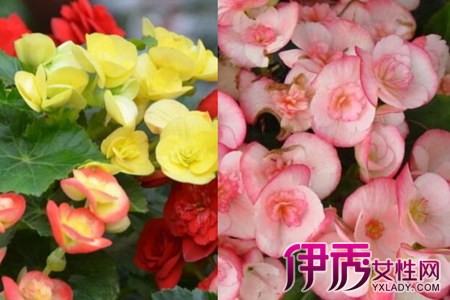
When growing it, encountering dry leaf edges is very normal, and the cause is basically poor soil or not getting the watering right. When choosing soil for planting flowers, many people choose loess, but loess is too hard and has a big impact on the plant's roots. When nutrients cannot be supplied, naturally the leaves cannot get nutrients, and this is how the dry, withered condition occurs.
So when planting the flower, choosing soft black soil is very good. If there are woods nearby, dig up the soil under the trees where branches and leaves have rotted and fermented; it is very suitable for the normal growth of Rieger begonia roots. In that case, once nutrients are supplied, the problem of dry leaf edges will not occur.
Another problem is not getting watering right. Both overwatering and underwatering have a big impact on Rieger begonia. In summer when the weather is relatively hot, it needs watering about once a day, especially when it is grown outdoors. If water is lacking, the leaves will develop dry edges.
But in winter the climate is relatively humid, and in many northern cities the temperature is low. It is basically grown indoors, so watering about once every 3 days is enough. If you water too much, not only will the leaves develop dry edges, but the roots of the Rieger begonia will also rot along with it. In that case, normal growth is greatly affected.
There is another situation with Rieger begonia: it is especially prone to aphids. When aphids appear, not only do the leaves dry up, they also turn black. So when pests appear, pesticide must be sprayed promptly. Once you master these points, Rieger begonia will not develop dry edges.
What to do if Rieger begonia leaves dry up
1. Too much light
Many flower enthusiasts say Rieger begonia is easy to care for in spring and autumn in the south, and easy to care for in summer and winter in the north. Summers in the south are very hot and the light is very strong. If Rieger begonia is grown outdoors and the leaves are exposed to strong light, their water evaporates too quickly, which causes dry leaf edges.
Solution
Rieger begonia only needs to be placed somewhere it can receive diffused light. Remember not to place Rieger begonia in a spot with strong light, and pay special attention in summer. Be sure to place Rieger begonia in a shaded, ventilated spot with diffused light for care. If the temperature is too high, do some appropriate cooling measures, such as misting water around the pot.
2. Lack of water or overwatering
Many people do not know how to water Rieger begonia. Some flower enthusiasts water their Rieger begonia every few days, while others may worry that watering too much will cause root rot and dry leaves, so they water only after a long time. In fact, Rieger begonia should mainly be watered according to how dry the potting soil is.
Solution
If the plant's leaves have dried up because of too much watering, then move the Rieger begonia indoors for care. Indoors it can avoid light and wind, and cut off some of the dried leaves, and replace half of the potting soil with dry soil. Generally within two weeks, the Rieger begonia can recover.
If you watered too little and the soil became dry, then water the plant promptly. Note that because summer temperatures are too high, the water used at this time must not be too cold, otherwise it can easily shock the plant's roots, and in serious cases it may cause the plant to die.
3. Temperature too low
Rieger begonia is not tolerant of low temperatures. Some flower enthusiasts find that as soon as winter comes, the leaves of Rieger begonia wither and turn yellow. Sometimes this is just a natural phenomenon, and the dry leaf edges caused by this situation are relatively easy to deal with.
Solution
First cut off the leaves with dry edges, and keep the potting soil dry. Rieger begonia is especially susceptible to bacterial pests and diseases, so after trimming the leaves with dry edges, promptly treat the plant's cuts, commonly by spraying carbendazim, to avoid pests and diseases, and at night move it outdoors so the plant can take in some dew.
Friends who have Rieger begonia with dry leaves at home must not underestimate this article. Hurry up and learn from it, so your Rieger begonia can recover its health, and then you can once again see a beautiful Rieger begonia.
What to do if Rieger begonia leaves dry up
What to do if Rieger begonia leaves dry up 1. Insufficient lightAlthough Rieger begonia likes warmth and likes to bask in the sun, Rieger begonia is a short-day flowering plant and does not like long periods of sun. If the light period is too long, Rieger begonia leaves will dry up.
What to doIf the yellowing and drying of the leaves is caused by overly strong light, then when this happens, move it away promptly to avoid strong light, and place it in a cool, ventilated spot to recover slowly. Generally, you can supplement moisture to the Rieger begonia leaves by sprinkling water and similar methods.
2. OverwateringAlthough Rieger begonia likes a humid environment, its root system does not like being soaked in water. If the flowerpot holds water for a long time, Rieger begonia is prone to root rot, and the early sign of root rot is yellowing and drying leaves.
What to doFlower enthusiasts should remove the yellowed and dried leaves as soon as possible, then loosen the soil for the Rieger begonia, and place it in a ventilated, dry spot to let the roots breathe. After about ten days, it can return to normal.
3. Long-term lack of waterIf Rieger begonia lacks water for a long time, then yellowing and drying leaves will also occur. The characteristic of water shortage in Rieger begonia is that it gradually withers from the top downward.
What to doIf it is lack of water, just replenish the flowerpot promptly so that moisture is sufficient. In addition, you can also sprinkle some water on the leaves, which can help the Rieger begonia recover faster, but do not use cold water when the temperature is high.
4. Unreasonable fertilizingRieger begonia usually needs fertilizing every month. If it lacks fertilizer and nutrients cannot keep up, the leaves of Rieger begonia will turn yellow and dry up. In addition, before the Rieger begonia flowering period arrives, do not fertilize with too high a concentration. A high-concentration nutrient solution can easily cause the leaves to grow wildly without flowering, and after the leaves grow wildly, yellowing and drying will occur.
What to doGenerally, you can first rinse the potting soil with clean water, and promptly drain out the excess fertilizer water. At the same time, you can also remove part of the soil and replace it with normal soil. In order to help the plant recover promptly, you should also supplement moisture to the leaves at the same time.