Why Do Hydroponic Plants Grow Algae? Little Tips to Deal With It
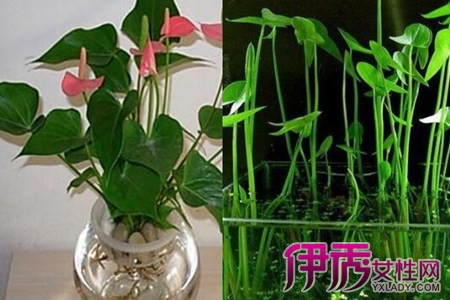
First, let us understand what the algae in hydroponic containers actually is. Algae is in fact a kind of parasitic fungus. This fungus is caused by water temperature being too high and too much sunlight exposure. Most of this algae starts growing from the plant roots and gradually attaches to the outer wall of the container. When this algae is not serious, it does no harm to the plants, but if there is too much of it and it forms a net-like layer, it will cause the plant roots to rot, so you must find a way to remove it.
Method one for removing algae: thoroughly wash the roots of the hydroponic plant and change its placement. The reason hydroponic plants grow algae is that too much light causes the parasitic fungus to breed in the water bottle. Simply wash the container and the plant roots thoroughly, then place them somewhere without sunlight exposure. This way the bacteria will no longer breed, and hydroponic plants do not need much light in the first place.
Method two for removing algae: after washing, sprinkle salt into the container. No matter which method you use to remove algae, you should wash first. Salt can sterilise and does no harm to the plants, so we can use salt to remove algae from hydroponic plants.
Method three for removing algae: change the water frequently and wrap the container in black plastic film. Some homes naturally have good light, so no matter how many places you move the plant to, algae will still grow. In this case, you can wrap the bottle in black plastic film. As long as the roots do not see strong light, algae will no longer grow, but you must change the water frequently and scrub the container clean.
How to Care for and Grow Hydroponic Alocasia (Alocasia macrorrhizos), and Its Hydroponic Precautions
Speaking of Alocasia macrorrhizos, I believe everyone is familiar with it. Alocasia macrorrhizos is a common herbaceous plant with extremely high ornamental value, often used to decorate courtyards, offices, living rooms and balconies. It is deeply loved by many flower lovers. So, do you know how to grow Alocasia macrorrhizos hydroponically? Today, the editor will give you a detailed introduction.
Hydroponic Method for Alocasia macrorrhizos
1. Choose a well-grown Alocasia macrorrhizos free of pests and diseases as the mother material for hydroponics. Clear away the old leaves and dead leaves on the stem, keeping just two or three new leaves; if none of the leaves look nice, you can also keep only the topmost leaf stalk. Loosen the pot soil, take the plant out of the pot, then rinse the whole plant clean. It must not carry any soil, because firstly it easily pollutes the water quality, and secondly it carries bacteria that easily cause root rot.
2. After rinsing the mother plant clean, cut off all the soil-grown root systems from the base, then carefully check the stem for rot and pest damage; you can use a small knife to dig out the softened or rotted parts of the stem until you reach the woody part, removing the rotted material or pests. After pruning, fix the plant in place with a planting basket of a suitable size according to the plant's size and shape. Soak the whole planting basket in a 3%-5% thiophanate-methyl solution or carbendazim solution for disinfection for 5-10 minutes; then leave it in a cool place to dry.
3. Plant the dried mother plant together with the planting basket into a perlite rooting bed. By controlling the moisture, nutrients, temperature and light of the bed, initial roots (the original water roots) will grow in about 10-15 days.
4. When the initial roots have grown to 2-3 cm long, they can be moved to an induction pond to induce water roots. At this stage, adjusting the dissolved oxygen content and EC value in the water is very important and determines the success of the induction, and the nutrient solution ratio must also be adjusted appropriately. When the water roots have grown to a certain number and length, indicating that the plant has adapted to growing in water, it can be put into a bottle for static hydroponics.
Care and Management of Hydroponic Alocasia macrorrhizos:
1. Water use and water changing:
Water use: choose unpolluted water with a pH value of 6-6.5. If using tap water, leave it to stand for more than 1 day before use so that the chlorine in the water evaporates.
Water changing: in summer, change the water once a week; in spring and autumn, during the period of vigorous growth, although more oxygen is consumed, the dissolved oxygen content in the water is relatively more abundant than in summer, so in these seasons you can change the water once every 10-12 days; in winter you can change the water once every 20 days. If conditions allow, appropriately shortening the interval between water changes is beneficial to the plant's growth.
Water changing method: when changing the water, gently rinse the plant's roots, remove the mucus on the roots, and at the same time cut off the aged roots and rotten roots, and remove the yellow and withered leaves that appear on the plant. When changing the water, wash the algae and scale off the container clean. Then add fresh water to the container, but it is best not to pour it all in at once; it is better to stir it for a while. When changing the water and adding water normally, do not fill the hydroponic container too full; keep the water level 2-5 cm below the base of the plant stem.
2. Keep the air circulating in the growing environment: for rooms with hydroponic flowers, open the doors and windows often to keep the indoor air fresh, so as to increase the dissolved oxygen content in the water in the hydroponic container, which is good for the healthy growth of hydroponic plants.
3. Foliar fertilisation: choose easily soluble fertilisers such as urea and monopotassium phosphate for foliar fertilisation. The suitable concentrations are: urea 0.1%, monopotassium phosphate 0.15%, ferrous sulfate 0.1%.
4. Pruning the root system: when the roots grow too long and too dense, you need to appropriately cut off the old roots and shorten the long roots, to encourage them to sprout new roots and enhance root vitality. In addition, if the plant's roots rot, the rotten roots should be cut off cleanly in time, and the water changed once every 1-2 days, until the plant sprouts new roots before returning to normal care.
The above is all the content I have learned today about Alocasia macrorrhizos. I hope flower lovers will find this article helpful after reading it. If you want to learn more about Alocasia macrorrhizos, please keep following Duorou Huapu, and we will provide you with more related knowledge!
Can Alocasia macrorrhizos Be Grown Hydroponically? Hydroponic Methods for Alocasia macrorrhizos
Can Alocasia macrorrhizos be grown hydroponically? What are the hydroponic methods for Alocasia macrorrhizos? Alocasia macrorrhizos is a common potted green plant. The editor has seen ones grown in soil and also hydroponic Alocasia macrorrhizos. Personally, I still prefer hydroponic Alocasia macrorrhizos, because the leaves are glossy and clean, and you can also usually admire the growth of its roots. Seeing the roots of Alocasia macrorrhizos become numerous and long brings great delight. The correct way to grow Alocasia macrorrhizos hydroponically is as follows:
Steps of the Hydroponic Method for Alocasia macrorrhizos:
1. Directly take a potted plant and wash it clean; choosing a hydroponic Alocasia macrorrhizos with a beautiful shape and many branches is best.
2. Cut the plant short from the base at about five cm above the soil surface, and carry out stem cuttings to encourage rooting.
3. Take small leaf-bearing Alocasia macrorrhizos plants sprouting around the tuber.
4. When the fruit ripens in autumn, harvest the orange-red seeds and sow them immediately after harvesting to form small plants.
Daily Care of Hydroponic Alocasia macrorrhizos
(1) The stem and root tissues of Alocasia macrorrhizos are relatively loose, and it has high requirements for water quality. Be careful to keep the water clear and hygienic, otherwise the stem and root system easily rot.
(2) In the hot summer, increase the frequency of water changes, and the air humidity must not be lower than 60%. Spray water often to create a relatively cool and humid environment for it. In winter, to keep its leaves dark green, generally spray warm water once a week.
(3) The water level just needs to cover 2/3 of the root system; clean the inner wall of the container often to prevent algae from growing.
(4) The sap in the stems and leaves of Alocasia macrorrhizos is toxic. Take care during care and management: it must not be put in the mouth, and touching the skin will cause itching and red swelling, so rinse with water promptly, or wear plastic gloves to handle it, which is safer.
Can Alocasia macrorrhizos be grown hydroponically? What are the hydroponic steps and methods for Alocasia macrorrhizos? With the above steps and daily care tips, you no longer need to worry, right? For more flower care knowledge, visit China Fresh Flower Gift Network (abbreviated as "Huali Network").