What to do about scorched leaf edges on wax begonia? Teach you clever ways to care for flowers and plants
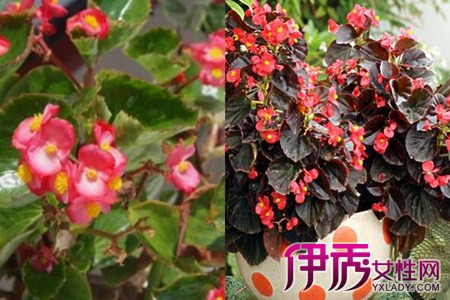
There are many varieties of wax begonia, but the problem you most easily run into when growing it is scorched leaf edges. In fact, this is caused by not properly controlling the growing environment and the soil type wax begonia likes. Many people choose a very small pot when growing it, thinking it saves space. But this flower's roots are long, and a small pot cannot supply enough nutrients, so it is better to choose a larger one.
Also, wax begonia likes loose, soft soil; black soil has plenty of nutrients, so it can be chosen. Do not use very hard yellow soil; if the roots cannot get enough nutrients, scorched edges are very normal. There is another situation: if the soil is too hard, the roots cannot take hold, which affects normal growth, and the leaves will also develop problems.
When watering, you must pay attention. Many people like to water flowers with water used to rinse rice or wash vegetables. They think this saves water, but it is not correct at all. If wax begonia is watered with rice-rinsing water, the leaves will turn yellow or develop small black spots. So use tap water when watering.
In winter, temperatures in many places are very low, even below zero. At such times, wax begonia should be grown indoors, not placed outdoors. If placed outdoors, it may freeze to death, and when it first starts to get cold, the leaf edges will begin to curl a little.
When the flowers are blooming, observe carefully; if there are small insects, kill them promptly. If the small insects are not killed in time, the leaves will also develop problems. After spraying insecticide, do not spray water for two days. Master these growing tips, and scorched edges will not occur, and the plant will grow even more luxuriantly.
What to do when wax begonia leaves curl and turn yellow
Too much watering causes yellow leaves on wax begonia
Wax begonia likes a relatively humid climate, so places with high humidity suit its growth, but never let the soil become waterlogged. If watered too much, or if it is hit by a storm, the potting soil will become waterlogged, causing the plant's roots to rot and the leaves to turn yellow.
To prevent this situation, pay attention to controlling water when watering, and move the potted plant to a cool, ventilated place. Wait until the leaves turn green again before returning to normal care. In severe cases, you can use pruning to make new shoots sprout from the base. In summer, if the potting soil is too dry, it will cause the plant to wilt and the leaves to wither and turn yellow.
Insufficient light causes yellow leaves on wax begonia
Wax begonia likes a half-shady, half-humid environment. In the hottest part of summer, if it receives strong sunlight, the leaves will scorch and curl. Move the plant to a ventilated, shady place and provide appropriate shade; if it is not too severe, it can return to normal.
But if the plant grows in a place with insufficient light, its growth will be weak, its vigor will decline, it will bloom less, and the flower color will be pale. Therefore, apart from shading it during the high heat of summer, in spring and autumn it should be placed in a spot with plenty of scattered light. In winter, when temperatures are lower, it can be placed on a balcony with direct sunlight to ensure photosynthesis.
Improper fertilizing causes yellow leaves on wax begonia
During growth, if too little fertilizer is applied and there is no base fertilizer, the plant will grow short and small, lack nutrients, and the leaves will be pale or yellow. If too much fertilizer is applied, and if more fertilizer continues to be applied in summer, it will lead to disease, root rot, and yellow leaves.
What to do when wax begonia leaves turn yellow: 5 causes and treatments
What to do when wax begonia leaves turn yellow 1. Too much wateringIf the tender leaves at the top of the wax begonia turn pale yellow, and the old leaves also gradually turn yellow, and the new shoots wither, it is usually caused by too much watering or long-term rain exposure, which makes the pot too wet, causing the soil to lack oxygen and the wax begonia's roots to rot.
What to doLoosen the soil for wax begonia often, and make sure the pot has good drainage. Try to keep the potting soil from becoming waterlogged, so gardening friends should pay attention to controlling the amount of water in normal times and avoid rain exposure.
2. Lack of lightIf wax begonia is kept indoors for a long time, it easily lacks sunlight. With no sunlight for a long time, wax begonia will also develop yellow leaves.
What to doGenerally, move the potted wax begonia to a place with sunlight, but the new location should avoid strong light.
3. Long-term lack of waterIf the leaves at the top of the wax begonia are normal in color, but the lower leaves gradually dry, turn yellow, and fall upward from below, it is usually caused by the potting soil being too full or water not penetrating for a long time, causing the lower leaves and branches to age.
What to doWhen watering, gardening friends should control the amount of water; just keep the wax begonia's potting soil moist. In addition, you can sprinkle a little water on the leaf surface.
4. Unsuitable soilWax begonia is a flowering plant that likes acidic soil. When gardening friends find that its leaves gradually turn yellow, it may also be caused by the soil being alkaline.
What to doYou can water wax begonia with water soaked in grass. If the water in the north is alkaline, appropriately add a little ferrous sulfate, and the leaves will turn green.
5. Lack of fertilizer or fertilizer damagea. The flower's leaves are thin and yellow. This is caused by the plant being large while the pot is small, or by not repotting or changing the soil for a long time, or by insufficient fertilizer. Gradually increase water and fertilizer, and repot at the proper time.
b. If the flower's leaves appear uneven and not spread out, with new leaves thick and old leaves gradually turning yellow, water frequently, stop fertilizing temporarily, and scatter a few vegetable seeds in the pot. After they sprout, pull them out to consume the excess fertilizer in the pot, so the plant can return to normal growth.