How to grow lavender? Grow fragrant flowers with your own hands
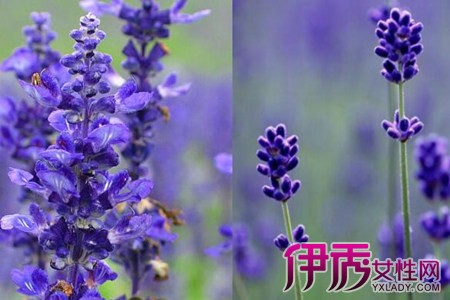
If you want to grow lavender yourself, the only way is to sow seeds. After the flowers bloom, pay attention to how the lavender sets seed, and collect the flower seeds promptly once they form; you can also buy lavender seeds at a flower market or seed shop. But be sure to note that only lavender seeds from the current year will germinate; old seeds will not germinate.
Once you have the seeds, first put them in the refrigerator to chill for one or two days; during this time you can prepare the flower pots and potting soil. Do not use plastic pots; although plastic pots are cheap, they are not breathable, which is not good for the plant's growth. The potting soil is best a natural nutrient soil with rotted leaves and roots; if you do not have that, buying commercial flower nutrient soil is also fine.
After two days of chilling, take the seeds out and put them in the sun for a while, and then you can plant them. At the start, you can plant all the seeds in one pot and divide them into separate pots after they sprout. After planting, water them and put them in a place that gets sunlight. Water whenever the potting soil dries out; in less than a week the lavender will sprout, and the seeds that do not sprout are naturally culled.
After sprouting, when they have grown to about 5 cm tall, you can divide them into pots. Prepare a few attractive pots and transplant the sturdy lavender plants out. When transplanting, be careful not to damage the main root. The transplanted lavender should not be put in the sun at first; wait until the leaves have completely stopped wilting before placing them in a sunny spot.
After one month the lavender will be growing normally, and you can give them a little organic flower fertilizer. After that, fertilize once or twice every month, but do not use too much fertilizer. Just ensure they have enough nutrients; with excess nutrients, lavender is reluctant to bloom. These are the methods for growing lavender, and I hope they can help more friends learn to grow the flowers they like.
Lavender lavandula pedunculata Lavender guide: how to care for lavender / how to propagate lavender
Lavender profileLavender lavandula pedunculata
Lavender growing methods and precautions An introduction to lavender
Lavender (scientific name: lavandula pedunculata) belongs to the Lamiaceae family, genus Lavandula. It originated along the Mediterranean coast, in various parts of Europe and on the islands of Oceania, and was later widely cultivated in the United Kingdom and Yugoslavia.
Lavender has elegant and refined leaf shapes and flower colors, and its blue-purple flower spikes are tall and beautiful. It is a new perennial cold-hardy flower for the garden, suitable for clump planting or row planting along flower borders, and can also be grown in pots for ornamental display. Lavender was already a fairly common herb in Roman times, and because it has the most uses, it is called the "queen of herbs."
Since ancient times it has been widely used in medicine; both the stems and leaves can be used as medicine, with the effects of strengthening the stomach, inducing sweating and relieving pain, and it is a good remedy for colds, abdominal pain and eczema. There are also TV dramas, films and poems named after it.
Morphological characteristics of lavender
Lavender is a perennial herb or small low shrub; although it is called a grass, it is actually a small purple-blue flower. Lavender grows in clumps and is much branched, commonly growing upright. Depending on the variety, plant height is 30-40 cm or 45-90 cm, and in mountainous areas at quite high altitude a single plant can grow to 1 m.
The leaves are alternate, elliptical and pointed, or needle-shaped with a larger leaf surface, and the leaf margins are rolled back. The spike inflorescence is terminal, 15-25 cm long; the lower part of the corolla is tubular and the upper part is labiate, with the upper lip 2-lobed and the lower lip 3-lobed; the flower is about 1.2 cm long and comes in blue, deep purple, pink, white and other colors. The common lavender is purple-blue, and the flowering period is June-August.
The whole lavender plant has a light fragrance with a slight woody sweetness. Because the fine hairs on the flowers, leaves and stems all contain oil glands, a gentle touch bursts the oil glands and releases the fragrance.
Ecological habits of lavender
Lavender cannot tolerate heat and humidity; if it is waterlogged for a long time, the roots rot and it dies. When growing it outdoors, be careful not to let rain fall directly on the plants. After May it needs to be moved to a place without direct sunlight, and ventilation should be increased to lower the ambient temperature and keep it cool, so that it can safely get through the hot summer. Pay attention to sunlight, water, temperature and patience.
Lavender cultivation techniques and key cultivation points
It is a perennial small shrub, generally usable for about 10 years, with undemanding varieties that are easy to cultivate. It likes sunlight, is drought-tolerant, extremely cold-hardy, tolerant of poor soil and resistant to saline-alkali soil. The growing site needs ample sunshine and good ventilation. The time from sowing to flowering (or harvest) is 18-20 weeks. Lavender is best grown in large containers. However, when growing it in pots, to prevent excessive moisture you can choose ceramic pots or smaller plastic pots; large pots should not be used unless the plant has already grown quite large. Lavender cannot tolerate heat and humidity; if it is waterlogged for a long time, the roots rot and it dies. When growing it outdoors, be careful not to let rain fall directly on the plants. After May it needs to be moved to a place without direct sunlight, and ventilation should be increased to lower the ambient temperature and keep it cool, so that it can safely get through the hot summer. Pay attention to sunlight, water, temperature and patience.
Soil
It is suitable for slightly alkaline or neutral sandy soil. Special care must be taken to choose a well-drained medium; you can use a mix of 1/3 perlite, 1/3 vermiculite and 1/3 peat moss. If growing it in the open ground, pay attention to soil drainage; you can pile the soil up into raised beds before planting.
Watering
Lavender does not like water standing around its roots. After one thorough watering, you should wait until the soil is dry before watering again, aiming for the surface growing medium to be dry and the interior moist, and for the leaves to wilt only slightly. Water in the morning, avoid sunlight, and do not splash water on the leaves and flowers, otherwise they rot easily and pests and diseases are encouraged. A continuously damp environment prevents the roots from getting enough air to breathe, leading to poor growth or even sudden death of the whole plant; this is often where lavender growing fails.
Light
Lavender is a full-sun plant and needs ample sunlight and a moderately humid environment. A full-sun environment is better; it can also grow in partial sun, but then it blooms more sparsely. In summer at least 50% of the sunlight should be blocked, and ventilation increased to lower the ambient temperature; in this way, although growth is weaker, the plant will not die. In winter lavender can grow well on flat ground and should be grown in full sun.
Temperature
Lavender is semi-heat-tolerant, prefers coolness, and likes warm winters and cool summers. The suitable growing temperature is 15-25°C, and it can grow at 5-30°C. The limiting temperature is above 35°C; when it is above 38-40°C for a long time, the top stems and leaves turn yellow and dry. In northern winters, when it is below 0°C for a long time, it begins dormancy; during dormancy, established seedlings can withstand low temperatures of -20 to -25°C.
Fertilizing
For fertilizing, bone meal can be placed in the potting soil as a base fertilizer (use once every three months). For seedlings you can apply Hyponex No. 2 (20-20-20), and after the plants are established apply a fertilizer higher in phosphorus, such as Hyponex No. 3 (10-30-20). Apply dilute fertilizer. Lavender should not be over-fertilized, otherwise the fragrance becomes weaker.
Pruning
Lavender flowers have the richest essential oil content; when using them, the flowers or inflorescences are the main part. To make harvesting easier, in the early stage of cultivation some small inflorescences may as well be trimmed flat with large shears; the newly grown inflorescences will then be at a uniform height, which is good for harvesting all at once. Some varieties can reach 90 cm in height; this method is also used to keep the plant low and promote more branching and flowering, increasing the harvest. After flowering, pruning must be done; the plant can be pruned to 2/3 of its original size, which makes the plant shape more compact and benefits growth. Pruning should be done in a cool season such as spring or autumn; generally prune in spring, as pruning in autumn affects cold hardiness. When pruning, be careful not to cut into the lignified part, so as to avoid weakening or killing the plant.
Lavender growing methods
1. Spring management
For newly planted seedlings and perennial plants, remove the soil covering and release the plants at the end of May the following year, and water when the temperature rises, giving a key watering to settle the roots of the seedlings and bring the old plants back to green. One week after watering, loosen the soil to conserve moisture and raise the temperature. For old plant fields, apply 19 kg urea, 15 kg superphosphate and 30 kg oil residue per 667 sq m, applied between the rows and turned in deeply by hand. This serves to fertilize, loosen the soil, conserve moisture and raise the temperature, which helps lavender turn green and grow in spring.
2. Management from the growing period to the full flowering period
For plots with newly planted seedlings, water well to settle the roots, water 4-5 times a year, and cultivate and weed in time. Flower buds that appear on the seedlings before June 20 should be removed promptly to promote more branching, laying the foundation for forming yield that autumn and for a high yield the following year. For old plant plots, keep the field free of weeds, water well at the bud stage in early May, and water well at the flowering stage in June.
3. Harvest at the right time
When 30% of the flowers in the field have faded and 70% are blooming, they can be harvested; generally the best harvest time is 10 a.m. on a sunny day. Do not include leaves or debris when harvesting; take the harvested flowers back to the processing room promptly, and any that cannot be processed at once should be cooled down under a shade canopy to keep the flowers fresh.
Lavender propagation methods
The main propagation methods for lavender are sowing, cuttings, layering and root division, with cuttings and sowing being the main methods used.
Seed propagation
Lavender seeds are tiny, so it is best to raise seedlings and then transplant them. The sowing period is generally chosen in spring; in warm regions it can be done from March to June or from September to November each year, while in cold regions it is best to sow from April to June. May to October each year is when lavender blooms, and it can also be sown in a greenhouse in winter. Germination takes about 14-21 days. The suitable germination temperature is 18-24°C. After germination, appropriate light is needed; weak light easily causes leggy growth. Because the seeds have a relatively long dormancy period, before sowing they should be soaked for 12 hours, then soaked for 2 hours in 20-50 ppm gibberellin before sowing. Before sowing, level the land finely, water thoroughly, and after the water has seeped in, sow the seeds evenly, then cover with a layer of fine soil 0.2 cm thick, and cover with straw or plastic film to conserve moisture. Keep at 15-25°C and keep the seedbed moist; seedlings emerge in about 10 days. If gibberellin treatment is not used, it takes one month to germinate. Below 15°C it takes 1-3 months to germinate. During the seedling stage, pay attention to spraying water; when the seedlings are too dense, thin them appropriately, and when the seedlings are about 10 cm tall they can be transplanted.
Cutting propagation
Cuttings are generally taken in spring and autumn. Softwood cuttings in summer are also possible. The cutting medium can be 2/3 coarse sand mixed with 1/3 peat moss. Select healthy, vigorous plants of a good variety, and take the terminal buds of one-year-old semi-lignified branches that have short, thick internodes and have not yet headed, cutting the cuttings at 8-10 cm from the tip. The cut on the cutting should be near the stem node, as smooth as possible, and the phloem should not be broken. Remove the leaves from the bottom 2 nodes, put them in water for 2 hours, then insert them into the soil; they will root in about 2-3 weeks. You can also choose 8-10 cm one-year-old branches; under conditions of good drainage, maintained moisture and a bed temperature of 20-24°C, they root in about 40 days. Do not use terminal buds that have already produced inflorescences for cuttings, because flowering branches have already aged and will root poorly, affecting future growth. For cutting under plastic film, prepare the land and make beds. Water thoroughly, cover with film, and insert the cuttings immediately. Depth 5-8 cm, row spacing 20-25 cm. Pay attention to raising the ground temperature to promote root development; frequently prune extending branches and promptly remove flower spikes to promote branching and cultivate strong seedlings. For planting, plant spacing is 60 cm and row spacing is 120 cm. Water immediately after planting.
Division propagation
This can be done in spring or autumn, using 3-4-year-old plants; in spring, in March-April, divide the old roots of mature plants, with each division carrying a bud eye.
Lavender disease prevention and control Diseases
When one-year-old sown seedlings or cutting seedlings are affected, the first signs are the plant wilting, losing water, and leaves becoming dull in color, with the tips of leaves and branches bending and drooping downward; this is most obvious at the bud stage. In mild cases they can recover at night, while in severe cases they die in two or three days, with the roots rotting and the stem vessels turning brown and glossy. In plants more than three years old, in addition to the same diseased appearance as at the seedling stage, the wilting symptoms appear at the center or edge of the plant and gradually spread inward and outward, the branches wilt and die, and finally the whole plant dies; the degree of damage varies with plant age and variety. It generally starts in May and peaks in July and August. French lavender is severely affected, while the former Soviet Union variety 2-417 is only mildly affected.
Lavender variety classification
There are 28 native species of lavender worldwide, and the lavender of Provence is mainly divided into 3 categories:
[Native lavender] Also called English lavender, it has the best quality and is mostly used to make fine perfumes and fragrances; its leaves are relatively fine and its flower spikes relatively short.
[Long-spike lavender] Also called mint lavender, it has broader leaves and longer flower stems and spikes.
[Hybrid lavender] A cross of the above two, it is widely cultivated; most of the lavender in the flower fields of Provence is this type.
Besides the varieties specially used for extracting essential oil, there are also some varieties that can be used as cut flowers or for flower beds. The more common ones on the market include sweet lavender, fernleaf lavender, French lavender, true lavender and so on. Lavender Lady, an All-America Selections award-winning variety, is the most eye-catching in combination plantings. It is best grown as an annual; sown this autumn, it will bloom with abundant fragrant flowers next spring, with uniform plants blooming continuously. Munstead lavender blooms with light blue flowers from June to August each year, has gray-green leaves with a lacy edge, and is fragrant. It blooms later than "Lavender Lady" and is less uniform than "Lavender Lady."
Lavender is also divided into two varieties, Yixin Yuan and French lavender, though it is not named according to where it grows. The lavender that grows in Provence, France, happens to be English lavender, that is, the cold-hardy lavender.
Narrow-leaf lavender (Lavandula angustifolia)
Canary lavender (Lavandula canariensis)
Dentate lavender (Lavandula dentata)
Woolly lavender (Lavandula lanata)
Broadleaf lavender (Lavandula latifolia)
Fernleaf lavender (Lavandula multifida)
Pinnate lavender (Lavandula pinnata)
Spanish lavender (Lavandula stoechas)
Green lavender (Lavandula viridis)
Lavender uses and purposes Basic value
Lavender is an important fragrance raw material worldwide today. Lavender can also be used medicinally, and it is also a good honey plant. Lavender was already a fairly common herb in Roman times, and because it has the most uses, it is called the "queen of herbs." Lavender also has the reputation of "aromatic medicinal herb." It suits any skin type, can promote cell regeneration, speed wound healing, improve acne, abscesses and eczema, balance sebum secretion, has remarkable effects on burns, scalds and sunburn, and can inhibit bacteria and reduce scars.
Since ancient times it has been widely used in medicine; both the stems and leaves can be used as medicine, with the effects of strengthening the stomach, inducing sweating and relieving pain, and it is a good remedy for colds, abdominal pain and eczema. Its curative effects are broad, and it can treat more than seventy kinds of diseases; it is widely distributed and easy to obtain, and in ancient times when medical care was scarce it was called "the poor man's herb." Lavender is also known as "the tranquil perfume plant," and its flower meaning is "fragrance." The whole plant is aromatic, and the fragrance remains unchanged after the plant is dried; the flowers can also be made into sachets. Its fragrance can refresh the mind and clear the eyes, make people comfortable, and also drive away mosquitoes and flies. Put a few dried sprigs in a wardrobe or bookcase and it repels insects and prevents moths, with the fragrance lasting several years without fading. In 1999 lavender was chosen by the International Herb Association as the Herb of the Year. Lavender has almost no pests or diseases, so no pesticide spraying is needed. The part used is mainly the dried or fresh flowers. When harvesting, cut the inflorescences with scissors; generally the best harvest time is 10 a.m. on a sunny day. To preserve them, dry them for later use, and they can be placed directly indoors for scenting. Pharmacologically, lavender has the effects of calming the nerves, treating insomnia and promoting appetite, but the suitable daily intake is 3-5 g, and for essential oil 1-4 drops. If used in bathing and scenting, this limit does not apply.
A: Cut flowering branches can be placed directly in a vase for viewing, and dried flower branches can also be woven into fragrant wreaths.
B: Put about 100 g of lavender in a small cloth bag and let it flow into the bathtub along with hot water. Be careful not to make it too hot; if it is too hot, the skin will sweat and be unable to absorb the medicinal ingredients. After bathing, the whole body gives off a delicate fragrance and feels thoroughly refreshed; then go for a good sleep, and a SPA is complete. It helps blood circulation and also has the effect of repelling mosquitoes and flies.
Lavender is also produced in China, though whether it originated from the Mediterranean is unknown. Because its flower shape is like a wheat spike and the inflorescence axis is sparsely covered with short white fine hairs, it is called "wheat bran grass" in rural China. Its leaves are rough on both sides with short stiff hairs, ovate or broadly ovate, 3-11 cm long and 1.5-7.5 cm wide, with a long acuminate tip, a rounded or broadly wedge-shaped base, coarsely serrate margins, and a petiole 1-8 cm long. It can treat itchy skin and damp toxin.
Whenever the wind blows, the lavender fields ripple in layer upon layer like deep purple waves, which is very beautiful. In the Middle Ages, lavender was already widely used by medical institutions in Western European society, and at that time lavender's insecticidal and antibacterial effects had long been recognized. People in the past usually put lavender sachets in cupboards to repel insects. The Romans greatly praised its antibacterial power and used lavender for bathing and cleaning wounds. After bathing in summer, applying its skin cream all over the body can also be used to resist mosquito bites.
Lavender is an aromatic plant of the Lamiaceae family. Because its scent is fragrant and pleasant, it is one of the most beloved herbs in the herb garden and has long been known as the "queen of aromatic herbs." Because its fragrance is rich and makes people feel calm and tranquil, with the effect of cleansing body and mind, the ancient Romans often used lavender for bathing and scenting, while the Greeks used lavender to treat coughs. Chefs in France and some other Western European countries use it in food, such as for cake decoration, or steep it in plain oil. It has also been used as a raw material for perfume for many years; one of the main ingredients in the famous French perfume "Chanel No. 5" is lavender oil. Lavender essential oil, although it actually has little effect on changing the skin's texture, is loved by people for its fragrant scent.
Beauty
1. Face mask: Take 10 g of lavender powder and mix it with water, or egg white, or milk into a paste. Apply evenly to the face, wash off after 20 minutes, and it is done.
2. Facial steaming: Before applying a face mask, you should steam the face to open the pores and better absorb the mask. At this time, you can sprinkle about 10 g of lavender powder into the facial steamer vessel. The floral scent fills the air, refreshing the mind, calming the nerves, soothing the nerves and moisturizing the skin.
3. Bathing: Sprinkle about 5 g of lavender powder into the bathtub. It can firm the skin all over the body, supply nutrients, fragrance and beautify the body, and relieve stress.
From the perspective of clinical application, lavender essential oil can relax the nerves and lift the mood, and has the miraculous effect of calming the mind and promoting sleep. For patients with mild insomnia, drinking lavender tea is a fairly good auxiliary treatment. In addition, patients should develop better living habits, such as taking more walks after dinner and exercising more regularly, and should also adjust their work habits and cultivate an interest in work, putting themselves into work with a positive attitude. These all have very good effects on improving the symptoms.
Lavender has been widely used in herbal medicine. It is said that lavender oil can relieve and treat insect bites, and lavender bouquets can repel insects. Lavender oil can relieve headache symptoms. Lavender is often used to help with falling asleep: add lavender seeds and flowers to a pillow to help with sleep; or drink a cup of lavender tea before bed, or add a little lavender oil to a cup of hot water, which has a calming and relaxing effect. A dilution of lavender oil (or extracted essential oil) mixed with water or rose water (or witch hazel water) at a ratio of one to ten can treat acne. Lavender oil can also be used to treat skin burns or inflammation (a traditional therapy in Iran), and there is scientific evidence supporting this treatment because it has anti-inflammatory effects.
Essential oil benefits
Because lavender essential oil has antibacterial, analgesic and sedative effects, it has been used by pharmaceutical manufacturers as the following raw material medicines:
1. Raw material medicine for treating headaches, insomnia, wounds, sterilization, burns, joint pain, heartbeat, scars and the respiratory system.
2. Raw material medicine for treating acne, burns, mosquito bites, psoriasis and eczema.
3. Raw material medicine for regulating the hormonal system, menstrual pain before and after the menstrual period, depression, indigestion, and weight loss and body shaping.
4. Raw material medicine for treating early-stage colds and coughs; promoting blood circulation in capillaries and stabilizing blood pressure.
5. Raw material medicine for treating the central nervous system, relieving anxiety, improving insomnia and other nervous system conditions
Lavender: maintaining and treating the body, relaxing body and mind, soothing the spirit, calming the nerves.
Essential oil regulation
Lavender essential oil can clear heat and detoxify, cleanse the skin, control oil, remove spots and whiten, remove wrinkles and rejuvenate the skin, remove eye bags and dark circles, and also promote the regeneration and recovery of damaged tissue and other skincare functions. Using essential oil conditioning methods is very effective against skin problems, and being purely natural with no side effects, it has become the first choice of many friends with skin problems. It has effects on the human body such as beauty care, relieving stress and relaxing muscles. Essential oils are called "plant hormones"; in fact, many essential oils are similar in nature to human hormones and play a decisive role in human skincare. Essential oil molecules stimulate the olfactory nerve through nasal breathing, and the olfactory nerve transmits the stimulation to the brain center, where the brain becomes excited. On the one hand it governs nerve activity and serves to regulate nerve activity; on the other hand, through neural regulation it controls glandular secretion and thereby regulates the entire internal environment of the human body. Through nerve-stimulation therapy it can achieve internal conditioning, laying a solid foundation for beauty and skincare.
Functions and effects
1. Refreshes the mind, enhances memory; of great help to study.
Beautiful lavender
2. Relieves the nerves, lifts the mood, and has the miraculous effect of calming the mind and promoting sleep.
3. Promotes blood circulation, can treat acne, and nourishes hair.
4. Inhibits high blood pressure, nasal allergy and asthma, etc.
5. Enhances immunity.
6. Maintains respiratory function, has a very good effect on nasal and throat mucosal inflammation, and can be used for bathing.
7. Can prevent viral and infectious diseases.
8. Removes odors and purifies the air.
9. Repels ants, cockroaches and mites; can be placed in wardrobes and under pillows.
For pillows
Main effects of lavender pillows: pleasant fragrance, calming and sedative, relaxing the body, and soothing and comforting the emotions.
Made by filling with wild air-dried lavender; filling: lavender + hollow fiber. In folk medicine, lavender has good effects on pain, stroke, paralysis and so on. Because of its beautiful color and enchanting fragrance, lavender has gradually moved beyond the category of traditional herbs. When a person sleeps, the head temperature causes the active ingredients of the medicine in the pillow to slowly release fragrance that gathers within about a foot around the pillow; through absorption of the medicine by the oral and pharyngeal mucosa and the skin, it achieves the effect of unblocking qi and blood and treating illness by inhaling fragrance, giving you the effect of health preservation during sleep.
Wedding photography
Lavender wedding photography is outdoor-location wedding photography, shooting wedding photos for newlyweds on a lavender farm.
Indoor wedding photos are no longer popular, and newlyweds prefer shooting outdoor scenery. After wedding photography shifted toward the outdoor-location trend, lavender wedding photos representing love and longing are even more loved by soon-to-be newlyweds!
●Effects: treats acne, nourishes hair, relieves pain and calms, relaxes the nerves, regulates the endocrine system, beautifies and nourishes the skin, calms the mind and settles the nerves, fades scars, removes acne marks, improves sleep, improves women's conditions, and eliminates depression.
●Introduction
Lavender is called the "king of a hundred herbs"; its fragrance is fresh and elegant and its nature is mild. It is recognized as the plant with the most sedative, soothing and hypnotic effects. It soothes tension, calms the mind, settles the spirit, heals wounds and fades scars. It controls oil, regenerates, reduces inflammation and repairs.
Lavender is a shrub native to the Mediterranean coast. Because it has both practical value and the function of beautifying the environment, it is now a common garden plant in Europe. When it blooms, there is a sea of purple flowers, and the lavender field scenery of Provence in southern France is especially famous. There are many kinds of lavender, most bearing small blue-purple flowers, and there are also pink or white varieties. Lavender, also known as "the tranquil perfume plant," was used by the ancient Romans and Persians early on as fresh lavender in aromatic baths to relieve fatigue and soreness and to gain a refreshed feeling all over; its genus name comes from the Latin "Lavare," meaning to bathe or wash.
In the Middle Ages, lavender was regarded as the embodiment of love, symbolizing purity and innocence, and its fresh scent and insect-repelling properties led people to cultivate it widely. European women loved to harvest lavender, dry it and put it in small cloth bags, then carry it close to the body when going out, to prevent infection by outside bacteria. On the battlefield, lavender oil was often used to disinfect wounds.
Lavender is also often used as a beauty and anti-inflammatory product. For example, soaking fresh lavender in hot water to steam the face has the effects of cleansing the skin, fighting inflammation and balancing oil secretion; or decocting it into a juice to apply to cuts and lacerations can prevent infection and inflammation; if ground into a paste and applied to places where the skin has been stung by bees, it can exert a mild anesthetic effect to reduce swelling and pain. Made into sachets, it can replace camphor balls in cupboards for scenting and also repelling insects. When bathing, putting dried lavender flowers into hot water can warm the body and help sleep (making a fragrant pillow has the same effect).
When the body suffers some kind of contamination, or when the constitution becomes acidic, the most obvious symptom is emotional tension and restlessness. For example, a beauty who desperately snacks as soon as evening comes, or who feels lazy all over and does not want to move on weekends, is suffering from eating disorders caused by emotional tension. Lavender has a rich fragrance that can calm the nerves and relieve pain and calm; it has a moderating effect on insomnia, headache and mental restlessness.
Lavender flower essence
Essential oil extraction methods include distillation, cold pressing, lipid-soluble extraction (that is, what is called flower essence, absolute, or absolute oil), and supercritical extraction (carbon dioxide low-temperature extraction). Flower essence is extracted directly by soaking with pure natural oils. In terms of quality, flower essence or absolute extracted by the lipid-soluble method is slightly lower by one grade than that extracted by distillation. This is because some flower materials have a low oil yield when distilled at high temperature and lose more components, so lipid-soluble extraction is used, such as rose (dark yellow or brown) and jasmine (dark yellow or brown) on the market; distilled-grade rose is much more expensive than gold. What is commonly circulated on the market is lavender essential oil, only the variety and quality differ; lavender flower essence is rarely sold, because lavender's cultivation, supply and oil yield are relatively high.
For facial cleansing
Because lavender has the effects of inhibiting bacteria, balancing oil secretion and soothing the skin, it can also be used in facial cleansing products. By adding lavender extract to soap and facial cleanser products, and through cold sterilization and preservation treatment and the application of advanced issofree technology, high-end cleansing products such as lavender soap and facial cleanser are made.
Home health care
In perfumery terminology, "lavender" represents an important floral scent type. In Western countries, "lavender water" made by mixing lavender oil with alcohol is very popular; it is equivalent to our high-grade "floral water." In the beauty industry, as one of the safest essential oils with good effects, it occupies a dominant position in the market. Used in beauty SPA aromatherapy for steaming, bathing, and foot baths, it can unblock meridians. The flower juice helps regulate the skin, promotes the renewal of epithelial cell tissue, and balances sebum secretion; it refreshes the mind, kills bacteria, eliminates bacteria, detoxifies, reduces insomnia, improves sleep quality, relieves mental stress, and uplifts the mood. Lavender's role in improving insomnia has long been renowned; it drives away insects in household cabinets; and purifies the air.
Lavender's dietary therapy or medicinal value
The medical information and health dietary therapy information on Hugarden are for reference only and cannot be used as a basis for diagnosis or medical treatment. Any health problem should be consulted with professional medical personnel, and the treatment of any disease should follow the doctor's advice.
Ultimate flower care mission: Love yourself, start from reality, and follow the doctor's advice. For illness, do not be careless, do not delay, do not give up hope, face it bravely, use love to warm the silent world, and use your heart to care for the flower field within.
Edible value
Dietary suitability and restrictions
Generally, everyone can consume it, 2 to 3 grams each time. People with low blood pressure should use it in moderation to avoid sluggishness and drowsiness. Lavender powder is also an emmenagogue, so women in the early stages of pregnancy should avoid using it.
Lavender jelly
Ingredients:
600 grams of water (one gram equals one gram), 30 grams of dried lavender, 15 grams of jelly T (jelly T is a gelatinous substance extracted from animal spines, mainly used for making desserts), 90 grams of fine granulated sugar, 500 grams of fresh milk, 30 grams of dried lavender, 10 grams of jelly T, 780 grams of fine granulated sugar.
Instructions:
1. Boil the water until it is boiling, add the dried lavender, let it steep for 1 minute, then strain and set aside.
2. Dry-mix the fine granulated sugar and jelly T, add to the lavender tea from step 1 and mix well, then heat over low heat, cooking until the sugar and jelly T are completely dissolved, then turn off the heat. Pour into a mold to about 5 parts full, and let cool before setting aside.
3. Heat the fresh milk until boiling, then immediately turn off the heat, add the dried lavender, let it steep for 1 minute, then strain and set aside.
4. Dry-mix the fine granulated sugar and jelly T, add to the milk from step 3 and mix well, then heat over low heat, cooking until the sugar and jelly T are completely dissolved.
English lavender (Lavandula angustifolia) is the most commonly cultivated species in this genus. Other species often grown for ornamental purposes include Spanish lavender (Lavandula stoechas), French lavender (Lavandula dentata), and fernleaf lavender (Lavandula multifida).
Lavender flower spikes can be used to make dried flowers and ornaments. The light purple, fragrant flowers and flower buds can be used to make scent jars and sachets. Sealing dried flowers inside a bag makes a sachet; placing the sachet in a wardrobe can give clothes a fresh fragrance and prevent moth damage. Commercial cultivation of lavender is mainly for obtaining lavender flowers to extract lavender essential oil. Lavender essential oil can be used as a bactericide and as an essential oil in aromatherapy. It also has significant therapeutic effects on treating insomnia, colds, joint pain, and more.
Spanish lavender (native to the Mediterranean, later introduced to Australia, where it became an invasive species and spread throughout Australia). Lavender in cultivation gardens: lavender flowers secrete large amounts of nectar, which can produce high-quality honey. Countries around the Mediterranean are the main producers of lavender honey. Lavender flowers can be made into lavender jam and can be used as an ingredient and decoration for Western cakes. Lavender can be used as a spice when cooking food; it can be used alone or mixed with other herbs to make Herbes de Provence.
In daily life, some herbal teas contain mint, hawthorn, rose hips, lotus leaf, and so on, all of which promote detoxification in the body, allowing free fat to be eliminated, thereby achieving detoxifying and slimming effects. Tea is a healthy beverage for humans; only maintaining a slim figure under the premise of good health is healthy. These special effects of herbal teas are a supplement to the broad category of herbs and flowers, and will surely help herbal teas benefit humanity in a healthier way. Lavender is relatively effective at softening blood vessels and improving insomnia.
Herbal tea
A. Lavender is an evergreen aromatic shrub native to southern Europe. The narrow leaves are gray and downy, and the flowers are grayish-blue, growing on slender stems. The leaves, flowers, and stems are covered with oil glands, and the scent is elegant and fragrant.
B. Lavender was already a fairly common herb in Roman times. Because of its many benefits, it has the reputation of being an "aromatic medicinal herb" and is called the "queen of herbs." The aroma of lavender can refresh the mind and brighten the eyes, make people comfortable, and relieve anxiety. It can also repel mosquitoes and flies. Placing a few dried stems in a wardrobe or bookcase can repel insects and prevent moth damage, with the fragrance lasting for years without fading, extending the service life of clothes.
C. Lavender has a mellow scent and is increasingly welcomed by the public. Drinking lavender tea can regulate sebaceous gland secretion to normal, benefit oily skin and oily hair, improve sleep, and play a role in beauty and health care. In addition, lavender is also widely used in regulating menstruation, eczema, acne, weight loss, and other fields.
D. The quality of lavender is mainly judged by its scent. The stronger the lavender's scent, the better its quality, while ordinary lavender has a lighter scent that is not mellow enough. Everyone can use their nose to personally judge it, and learn some small tips while tasting!
Note: During use, do not let it come into contact with metal utensils. Metal will chemically react with the medicinal components of herbal teas and natural powders, affecting the effect!
Sleep-aid tea
The magical formula of lavender sleep-aid tea appeared as early as ancient Greek and Roman times. Modern research has found that this formula in the Bible is rich in volatile oils, coumarins, tannins, flavonoids, and more. It has a herbal plant formula and can be used in small amounts for medicinal purposes, improving insomnia, and other aspects, with a very wide range of uses. Gradually, this herbal formula has been widely used in real life, and lavender, lily, jasmine, and others have also begun to be widely planted.
Tea
Lavender tea is brewed from dried flower buds. Take one large spoonful and put it into a pot, then pour in boiling water. Just let it steep for 5 minutes and it is ready to enjoy. It is sweet and delicious even without honey or granulated sugar.
The rich fragrance of this tea makes people happy, has no side effects, and has many benefits such as calming, relaxing gastrointestinal spasms, cooling and refreshing, eliminating flatulence, aiding digestion, preventing nausea and dizziness, easing anxiety and nervous migraine, and preventing colds. Drinking it when the voice is hoarse also helps recovery, so it has the reputation of being the "best partner for office workers." When lavender tea is first brewed, it is light green, then gradually turns blue or purple. If a few drops of lemon juice are added to the tea, it turns pink, which is very pleasing to the eye. During pregnancy, attention should be paid to the amount used, and it should not be drunk continuously. When brewed alone, the concentration should not exceed twice; when mixed and brewed, a small amount is also preferable. When brewing tea, it is not advisable to use a metal cup, otherwise the effect will be affected.
In addition to being brewed as a tea, Europeans have long known that lavender has stomach-strengthening properties, so it is often added during cooking as a seasoning, or mixed into vinegar, wine, or jelly to add fragrance; sauces prepared with lavender are especially flavorful, and it is said that Queen Elizabeth I of England was a loyal fan.
Lavender's garden uses
In the lavender fields, wait for love with your heart
When the car drove into the Barbizon Miller Manor, with an inadvertent turn of the head, I saw entire expanses of purple. I was stunned for a moment, and then screamed - lavender, so beautiful! The lavender of Provence can actually be seen here too.
Going further ahead, there is a horse-riding arena, small villas with a strong French style, and entire expanses of forest. Living in a big house, you can loudly release your emotions in the lavender fields. Sitting in a Western restaurant to rest, looking out the window, the entire hilltop is planted with vegetation. From time to time, little squirrels jump down by the window; these little things are not even afraid of people. Every girl would yearn for this kind of romantic life.
Without going abroad, experience the atmosphere of France.
Why is it called Barbizon? The manor owner said that Barbizon was originally a small village on the outskirts of France, with fertile land, large forests, babbling streams, and all kinds of exotic flowers and plants. Barbizon is also the name of a 19th-century French landscape painting school.
Lavender flowers are a single purple color, and purple always makes people think of romance. The small town in southern France - Provence - is famous for its abundant lavender. Many people go there for its reputation, just to see this legendary lavender.
The manor owner wanted to create a Barbizon town, so that everyone who enters can feel the atmosphere of France without going abroad, "can relax and breathe fresh air."
Now, nearly one hundred mu of lavender in the entire manor looks especially beautiful in the sunlight. Many people come here to take photos. Ms. Su from Shaoxing said: "I have always loved lavender, as if it were a dream of mine. I couldn't go to France, but I never expected to fulfill a dream of mine here."
The scent of lavender is a certain half-dreaming, half-awake state in life, so faint it reaches the extreme, yet also engraved deep in the heart.
This light blue-purple little flower, when it reaches blooming season, its fragrance can be smelled from more than ten li away; and what is even more exquisite is that even standing in the middle of a large field of flowers, the scent you smell is still faint, distant, and gentle, unlike other fragrant flowers that urgently want to overwhelm you with their perfume. Strolling idly through the flowers, a kind of cool fragrance remains on the hem of your clothes, as distant as the feelings of first love. It is said that lavender got its name for this reason.
The scent of lavender is neither as light as jasmine nor as plaintive as cordate telosma. It is just so serene and beautiful, going its own way, not caring about others' gazes. Those who like it will like it very much, and those who do not will avoid it after smelling it once. Such a unique fragrance is always connected with a deeper, more distant melancholy. Melancholy, yet not plaintive, like faint moonlight after autumn, like longing separated by ten thousand rivers and a thousand mountains.
Love for the scent of lavender is a complex, a complex of attachment and nostalgia. Among the countless aromatherapy scents, it does not have the intense emotion of roses, nor the calmness of lilies, yet it cannot be erased no matter what - it is the fragrance that remains in the heart after the wind passes, the faint moonlight in a clear night, the music flowing from a violin, old clothes pulled out from the bottom of a chest; it is the peach blossoms of a March day in youth, when even the color of sunlight began to peel away, while the smile of that boy beyond the stirrings of love still shines brightly; it is even more an unfinished dream, and upon waking there is only melancholy that cannot be dissolved... Or rather, rather than saying lavender is the vast expanses of purple blooming in the fields and the fragrance drifting in the air, it is better to say it is something in memory.
Lavender is almost a footnote to melancholy. People who like lavender must be very rich in emotion, people who retain attachment to everything.
Women who love lavender must each have a special flavor of their own, allowing you to recognize them at a glance in a crowd: serene, elegant, mature. Only women who have experienced the trials of love and life will truly understand and appreciate lavender.
For men, the scent of lavender is just like a woman's graceful and slender skirt hem - white, purple, blue, pink - drifting in the wind, sometimes lightly shy, sometimes wildly alluring. It is the first kindled love for women, tender but not erotic.
Lavender complex
Memory is like lavender; the stories that once happened here are like yesterday's smoke and clouds, faint, distant, and gentle, so faint it reaches the extreme, yet also engraved deep in the heart...
In a dazed moment, one finally understands that the flower language of lavender is waiting...
Lavender's distribution areas abroad
[France] Provence
[Japan] Furano, Hokkaido
Domestic
[**] Ili
[Zhejiang Province] Barbizon Miller Manor, Tonglu County, Hangzhou City
[Guangdong Province] Meijia Lavender Garden in Qingxin County, Qingyuan City; Deqing Panlong Gorge Lavender Field in Deqing County, Zhaoqing City; Huaiji Lavender Field in Huaiji County, Zhaoqing City; Million Sunflower Garden Lavender Base in Nansha District, Guangzhou City; Herb World in Huadu District, Guangzhou City
[Beijing] Zihai Xiangdi Art Manor in Miyun County; Prague Farm Lavender Manor in Tongzhou District; Landiao Manor in Chaoyang District; Liangmin Lu'ao Sightseeing Garden in Daxing District; Oriental Provence Lavender Manor in Huairou District
[Liaoning Province] Shenyang Ziyan Lavender Manor; Daweizi Lavender Manor in Jinzhou City; Ziyun Huaxi Lavender Manor in Jinzhou New Area, Dalian City
[Hebei Province] Zihai Fangting Lavender Manor in Handan City; Lavender Herb Garden of Qinhuangdao Natural Aroma Technology Co., Ltd. in Qinhuangdao City, Hebei Province
[Shandong] Lavender Theme Park in Jiaozhou City, Qingdao
[Sichuan] Lavender Base in Pixian County, Chengdu - Mama Farm; Ziyi Paradise Aromatherapy Valley in Taiping Town, Shuangliu County (PS: Taiping Town is over by Huayang in Shuangliu, at the border between Longquan and Shuangliu)
[Shaanxi] Louguan Qujiang Agriculture in Xi'an, Shaanxi - Lavender Manor [9], the largest single-area lavender manor in the country
[**] Ili is the largest planting base in China and even Asia, and is also our well-known production area for lavender products. It has already produced well-known national brands such as "Yuanxiang."
[Fujian] Nanping Lavender Dream Garden. It includes scenic spots such as the Lavender Garden, Grace Garden, Dream Garden, Forest Cafe, Happy Ivy House, Forest Love Words House, Herb Village, and Firefly Home. The scenic area also specially provides a wishing tree, happy tents, and a lavender spice-making workshop for young men and women.
Lavender's cultural background and cultural characteristics
Lavender is also known as perfume plant, spirit fragrance herb, herb, yellow fragrant herb, and lavender. Its leaf shape and flower color are graceful and elegant, and its blue-purple inflorescence is slender and beautiful. It is a new perennial cold-resistant flower in courtyards, suitable for clump planting or row planting along flower paths, and can also be potted for ornament.
Historical origins
In ancient Greek times, lavender was called Nardus, sometimes also abbreviated as Nard. This name comes from a city in Syria called Naarda.
In ancient Roman times, one pound of lavender flowers could sell for one hundred denarii, a price roughly equal to a farm worker's monthly wage at the time, or the reward a barber earned from cutting fifty people's hair. The Romans would put lavender and various herbs into bathwater, and they introduced this bathing method to Britain.
During the era when the Black Death was raging, glove-making workers in Grasse, France, often soaked leather with lavender oil, and many workers therefore escaped the plague. This story may have some truth, because the plague pathogen is spread by fleas, and lavender can repel fleas.
Legends
Purple-blue lavender is often inseparable from romantic love. When you and your lover are in a lavender field, and the wind rises, the warm purple waves of nature, a kind of aesthetic bewitchment, seem to make even time pause for you. Provence in France and Furano in Hokkaido, Japan, are also forever beautiful for this reason, forever filming locations for romantic movies. There are many love stories about lavender, but these stories are all related to devils or to the sacred. Since ancient times, lavender has been considered a medicinal herb with divine power. In medieval Europe there was such a legend: a beautiful village girl, while herding sheep, met a handsome and elegant gentleman, met him secretly for several consecutive days, and even agreed to elope with him. However, on the day before they agreed to elope, the village girl suddenly became suspicious of the gentleman's identity, so she secretly carried a sprig of lavender on her body. - As a result, she discovered that the gentleman was actually transformed from a terrifying devil! The devil, revealed in his true form, was both shocked and angry, but also afraid of the sacred power of lavender, so he had no choice but to flee. From this it can be seen that lavender is not necessarily a good aphrodisiac!
Lavender is a rich, fragrant little blue-purple flower. It has a romantic sentiment just like its location. This flower, born in Provence, France, has a beautiful love legend.
Legend one
In Provence, France, also one of the hometowns of lavender, such a love story about lavender has been passed down...
It is said that in a village in Provence there was a young girl, alone in the cold mountains picking flowers that were about to bloom, but she encountered a wounded traveler from afar. As soon as the girl saw this young man, her whole heart was captured by his elegant smile!
So the girl invited him to her home, and regardless of her family's opposition, insisted on caring for him until he recovered. After a few days, the young traveler's injuries had healed, but the love between the two spread rapidly, and they had already reached the point of being inseparable.
Not long after, one day, the young traveler said goodbye to the girl and left, while the girl, deeply in love, insisted on leaving with the young man. Although her relatives tried their utmost to keep her, she still insisted on going with the young man to the hometown filled with roses!
Just before the girl left, an old woman in the village gave her a bundle of lavender, telling her to use this bundle of lavender to test the young traveler's true heart, because... legend says the fragrance of lavender can make unclean things reveal their true form...
Just as the traveler took her hand and prepared to journey far away, the girl threw the lavender hidden in her coat onto the young man. Unexpectedly, after a burst of light purple smoke emerged from the young man's body, he vanished with the wind and smoke! And in the valley, the girl seemed to faintly hear the young man's bright laughter. Just like that, the girl was left alone, solitary and shadowed...
Before long, the girl also disappeared without a trace. Some people thought she, like the young man, transformed into light smoke and vanished in the valley, while others said she followed the fragrance of lavender flowers to look for the young man... In any case, the legendary story of lavender was passed down in this way. Therefore, until now, lavender is still considered by people to be one of the important tools for driving away unclean things and for incense.
Legend two
These lavenders can be favored by fashion-loving groups because they also have many romantic and beautiful meanings. Lavender has great connotation and implicitly contains a correct attitude toward life. People have always regarded lavender as a symbol of purity, cleanliness, protection, gratitude, and peace. Lavender also implies "waiting for love."
Legend says that one day, the Virgin Mary hung the washed infant clothes of Jesus on lavender, and from then on lavender was given the meaning of symbolizing the scent of heaven. Some also say that the Virgin Mary directly used water soaked with lavender to wash Jesus' infant clothes. Perhaps this is why people in the past liked to use lavender to wash clothes so much. But some also say that the Virgin Mary once prayed to lavender, so lavender not only has a fragrance that lingers without dispersing, but also has the ability to drive away devils.
"Lavender represents true love" was the most representative lyric poem of the Elizabethan era. Therefore, lovers at that time popularized giving lavender to each other to express love. And in this period, Charles I of England was also a romantic. When pursuing Nell Gwyn, he once gave a bag of dried lavender tied with a golden ribbon to his beloved.
Provence is simply a poem of love; no one can live there without being moved.
As for folk customs, there is a custom of using lavender to scent a bride's wedding dress. In Ireland, locals tie lavender to bridges to pray for good luck to come. It is said that carrying a small bag of dried lavender on your body can help you find your dream lover.
When you and your lover are separated, you can hide a small sprig of lavender in your lover's book. When you meet again next time, look at the color of the lavender and smell its fragrance, and you will know how much your lover loves you.
At a wedding, you can scatter small lavender flowers, which can bring you a happy and fulfilling marriage.
Legend three
The flower language of lavender is waiting for love. There is such a moving legend:
It is said that long ago, an angel fell in love with a mortal woman named Xunyi. He shed his first tear for her, and his wings fell off for her. Although the angel had to endure severe pain every day, they were still very happy. But happiness was very brief. The angel was captured back to heaven, and the happy times he had with Xunyi were erased. Before being banished to the mortal world, he shed another tear, and the tear turned into a butterfly to accompany his most beloved girl. But Xunyi was still foolishly waiting for him to return, with only that butterfly accompanying her. Day and night she waited in the garden where the angel had left, and in the end, she turned into a small blade of grass. Every year it would bloom with light purple flowers. They flew to various places, searching for the angel who had been banished to the mortal world.
People called that plant "lavender."
Legend four
A very, very long time ago, in a small village, there was a girl who often sat by the street, blankly and innocently watching the passersby coming and going, silently saying in her heart: "If there really are angels, I hope he will make my hair the same as other people's." The girl had long purple hair. In such a village, almost no bigger than the palm of a hand, this was destined to be a tragedy. The villagers all thought she was the incarnation of a devil, because humans could not possibly have purple hair. Her mother loved her very much, but a highly respected prophet in the village said that if her parents did not abandon her, disaster would soon befall the entire village. Her parents had no choice but to harden their hearts and drive her out.
With no one to rely on, the girl could only live by herself. But she was too weak; she could not do rough work, and even if she wanted to, others were unwilling to ask for her help. Sometimes when she was hungry, she could only go into the forest to pick some fruit to satisfy her hunger. One day, far from the village, she discovered white little flowers covering the mountains and plains. Those little flowers had a striking fragrance, and could be smelled from more than ten li away; even more exquisite was that, standing in a large field of flowers, the fragrance she smelled was still elegant and gentle, not pungent at all. She had never seen this kind of flower before, and of course did not know that this was lavender. The villagers had never seen it either, but they loved flowers. So she picked a large bundle of pure white lavender and went to the village to peddle it. The floral fragrance attracted many villagers, and they could not help but take out money to buy it.
From then on, the girl had to walk a long way every day to pick lavender to sell. There was a very poor child in the village who followed behind her all day. He liked these flowers and wanted to give them to his mother, but he had no money to buy them, so the girl gave him a bundle every day. She also often helped those in need, such as helping an blind old grandmother wash clothes and helping a hunchbacked old grandfather pick olives. But the people she helped had too low a status and their words carried no weight, so although she was very hardworking and kind, the villagers still could not accept her with purple hair. When buying flowers, they either pretended to look elsewhere or hurriedly threw down some money and took a bundle of flowers, as if staying with her a moment longer would bring bad luck.
One day, the prophet's granddaughter insulted her and also snatched away all her lavender. She ran sadly into the forest and cried. At this time, a very handsome boy came to comfort her. The girl felt both surprised and happy, because no one had ever been so kind to her. But she soon discovered that this boy's eyes could not see, which made her very sad. Such a good person could not see the beauty of the world. Compared with herself, she felt the boy was even more unfortunate. Although she was rejected by the villagers, at least she could still see the lush forest, the clear stream, the silent distant mountains, and this pure white lavender like snow in her hands. So every day she gave him lavender and talked with him. Every day the boy would always hold the flowers she had given him the day before and stand at the place where they first met, waiting for her. One day, the girl looked at the flowers in the boy's hands and said: "These poor flowers are already dead! Last night they were still so beautiful, but now their leaves have all drooped and withered. Why do they have to be like this?"
"Do you know what they did?" the boy said. "These flowers went to find you last night! They knew I could not see, so they all volunteered to protect you in my place. Almost every night they go to see you and drive away the annoying mosquitoes and bedbugs for you."
"How come I did not know? Why did you not let them wake me?"
"Because you were sleeping too sweetly, and they could not bear to wake you."
The girl's eyes turned red. From this moment on, she made up her mind to restore the boy's sight, even if he might dislike her after seeing her. One day at dusk, after the girl had sold all the lavender she had picked that morning, in order to give the boy fresh lavender, she set out again for that hillside. But she was really too tired, and after reaching the hillside she fell asleep. While she was asleep, she heard what seemed like someone talking by her ear.
"She is so tired."
"Yes."
"Did she not come in the morning? Why is she here again now?"
"Do you not know? She wants to give these most beautiful and fragrant flowers to that boy in the forest..."
"I heard that boy is blind..."
"It is precisely because he is blind that he is so good to our little girl..."
"Is there any way to let him see?"
"Of course there is! There is a spring in the forest. Legend says it is the tears of the god of love. That spring water can restore anyone's sight."
Hearing this, the girl suddenly woke up. She opened her eyes, but saw no one. Yet she was not afraid at all, because her heart was very calm. She knew there must be a kind angel secretly helping her. She remembered every word spoken in the dream. She picked a large bundle of flowers for the boy and told him that she was going to a very far place and would not return for a few days... The girl went through countless hardships and finally found that spring. She carefully filled a bottle with it and hurried back excitedly. When she handed the spring water to the boy, she did not hesitate at all. She could see that the boy was very excited, and his joy comforted her. Just as he was about to wipe the spring water on his eyes, she quietly left.
The spring water restored the boy's sight. Moonlight shone in through the branches around him. He saw this colorful world, and also saw the pure white lavender like snow beside him, and even saw many lovely little mountain spirits playing happily. But he did not see his beloved girl. The girl had quietly left; she did not want the boy to see her appearance, to see her purple hair. The boy was very sad, but he could not find this girl. The little mountain spirits rode back and forth in pairs on leaves and dewdrops on long grass every day, but none of them could tell him where the girl was.
One day, looking at the lavender gradually withering in his hands, the boy decided to go to the place where lavender bloomed to search for that girl. He did not know where that place was, but the wind brought the fragrance of lavender. This fragrance was like a gossamer thread, and he followed it forward step by step. Before the sun set, he finally arrived at that field full of lavender. At first glance he saw that girl. The girl screamed and ran away. The boy chased after her and grabbed her. The girl cried and said: "I am a monster, we cannot be together... Whoever is with me, bad luck will fall on them." The boy embraced the girl and told her: "I do not care! I love you!" Just as the boy said these words, a radiance suddenly flashed in the sky, as if all the stars in the sky were falling toward them. In the flying streams of light, the color of the girl's hair turned into a mist of light and seeped into all the lavender petals. The girl's hair gradually turned golden, dazzling and radiant, while the pure white lavender turned into a purple ocean... From then on, lavender has always been purple. People all say that the color of this flower is the color of love..."
Lavender's flower language
Lavender's flower language: Waiting for love
There are also some other sayings about lavender's flower language:
As long as you breathe hard, you can see the miracle!
Waiting for the love of hopeless
Heart Balls
Romantic
Symbolism: love and friendship
Lavender pictures
Lavender - When does lavender bloom | Flower meaning | Pictures | Planting
Lavender
Lavender (scientific name: lavandula pedunculata), also called perfume plant, spirit fragrant grass, fragrant grass, yellow fragrant grass, etc., belongs to the Lamiaceae family, Lavandula genus. It is native to the Mediterranean coast, various parts of Europe and the islands of Oceania, and was later widely planted in the UK and Yugoslavia. Its leaf shape and flower color are elegant and refined, and its blue-purple inflorescence is slender and beautiful. It is a new perennial cold-hardy flower in courtyards, suitable for mass planting or row planting along flower borders, and can also be grown in pots for ornamental purposes.When does lavender bloom
When does lavender bloom?
The flowering period of lavender is generally April to May and September to October, with no flowers in summer and winter or a small amount of flowers in summer, and it also depends on which region it grows in. For example, in places where summer is cool, the flower quantity is also very good. Potted or protected cultivation has a longer flowering period, and the flowering time is not fixed. June to July is the peak blooming time for lavender. In France, it will bloom around June 25.
What is the flower meaning of lavender
What is the flower meaning of lavender?
The flower meaning of lavender is: waiting for love; as long as you breathe deeply, you can see miracles; hearts in harmony; romantic; in the face of hopeless love, still foolishly waiting. "Lavender represents true love" is the most representative lyric poem of the Elizabethan era. Therefore, lovers at that time popularized giving lavender to each other to express affection. There is a folk custom of using lavender to scent a bride's wedding dress. At weddings, small lavender flowers can be sprinkled to bring a happy and fulfilling marriage.
How to plant lavender seeds
Lavender seed planting method:
1, Container. For home sowing of lavender seeds, a relatively short small flower pot can be used, or other containers can be used instead. For example, a yogurt cup, with a few small holes pierced in the bottom with an awl. Disposable plastic cups can also be used, but because they are transparent, it is best to cover the outside with black paper or put it inside a paper cup (if the plant's roots are exposed to sunlight, it will affect growth, and the soil is prone to growing green moss).
2, Growing medium. Lavender seeds are relatively small, and the germination rate is rather low, so the soil generally used for sowing needs to be loose, breathable, high in water-holding capacity, and fully sterilized. A mixed soil of vermiculite, peat, sphagnum moss, perlite, osmunda fiber, etc. can be used. If conditions permit, you can also mix it yourself.
Lavender planting method
Lavender cultivation method:
1, Watering: Lavender does not like water remaining around its roots for long periods. After one thorough watering, water should be given again only when the soil is dry, with the surface growing medium dry and the interior moist as the standard, and slight leaf wilting as the main indicator.
2, Sunlight: Lavender is a full-sun plant and needs sufficient sunlight and a moderately humid environment. An environment that can provide full sun is better; partial sun can also allow growth, but flowering will be sparser. In summer, at least 50% of sunlight should be shaded, and ventilation should be increased to lower the ambient temperature. In this way, although growth will be weaker, it will not die.
Lavender propagation method
1, Lavender propagation by sowing. Lavender seeds are small, so it is best to raise seedlings and then transplant. Spring sowing is generally chosen. In warm areas, it can be done from March to June or September to November each year. In cold areas, sowing is best from April to June. Keep the temperature at 15-25°C, keep the seedbed moist, and seedlings will emerge in about 10 days. During the seedling stage, pay attention to spraying water. When the seedlings are too dense, they can be thinned appropriately. When the seedlings are too dense, they can be thinned appropriately. When the seedlings are about 10 cm tall, they can be transplanted.
Uses of lavender
Lavender is a valuable natural aromatic plant, and its flowers have a refreshing, rich fragrance. It has many uses:
1, Flowers added to tea products: leave a fresh fragrance on the teeth and refresh the mind.
2, Flowers soaked in bath: cool and cleansing for the body, relieve fatigue, cleanse the skin and moisturize it.
3, Flower craft products: auspicious gifts, symbols of friendship, chains of love.
Lavender producing areas
The lavender plant is the world's most popular aromatic herb plant. Its places of origin are France, the Netherlands and other European countries, and it includes nearly a hundred different varieties. In addition to its extremely high ornamental value, this plant also has broad commercial value in fields such as beauty, health care, food and beverages.
First producing area: Provence, France; second producing area: Furano, Hokkaido, Japan; third producing area: ** Ili Valley!
Potted lavender
[Cultivation environment] Lavender likes a warm climate, is cold-tolerant, drought-tolerant, light-loving, and afraid of waterlogging. It is not strict about soil requirements, tolerates poor soil, and likes loose, well-drained, neutral to slightly alkaline soil. Because it is not tolerant of waterlogging, lavender is somewhat difficult to grow in the ground in southern regions, but as an aromatic plant, it is an excellent potted flower.
Related encyclopedia
Pocket scale non-woven bag rush pith crab claw redmi note 3 ykk zipper ybs zipper large mountain cherry climbing rose wild senna winter plum green pine wristwatch Omega Longines famous watch children's building blocks flint cymbidium rolade soursop