How to grow hydrangea? Master the right methods and techniques for beautiful blooms
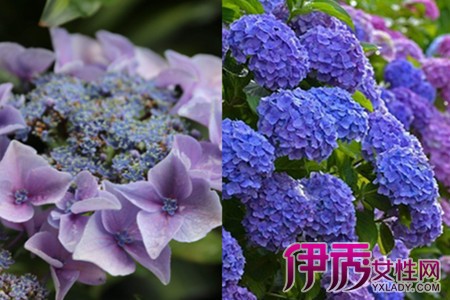
Every plant has certain requirements for its growing environment, and the hydrangea is no exception. First, when growing a hydrangea, pay attention to the choice of flowerpot; when choosing a pot, pick a larger one. If the pot is too small, it will hold very little soil, which greatly affects the normal growth of the roots. Choosing one with a diameter of more than 30 cm is ideal.
Once the pot is chosen, it is time to dig the soil. When choosing soil, find the loose kind. Hard yellow soil is not very nutritious for the plant's growth, so you can go to a wooded area, find that kind of black soil, sift it, and put it in the pot. Before planting, you can water it half an hour in advance so the water starts to seep in.
After the water has seeped down, you can start planting, and after planting, water once more. Leave it in place for about half an hour, then you can move it indoors. Just after planting, it is best not to put it outdoors, as it may develop yellow leaves because it cannot adapt in time. Place it in a cool spot indoors, and it will grow normally in about half a month.
Once it has established, watering once every 3-5 days is enough; do not water it every day. Constant watering will cause root rot. Each time you water, you can first feel the soil with your hand; as long as it is not too dry, that is fine. Getting the water amount right is very important.
When it is blooming, be careful not to expose it to strong sun, as that will make the flowers drop quickly. So during blooming, keep it indoors to extend the flowering time. Also, during blooming, small flying insects may appear. In that case, you must spray insecticide so the flowers can bloom more vigorously. Mastering these few points will let the hydrangea grow normally.
How to grow hydrangea: growing methods and precautions for hydrangea
Hydrangea, also known as xiqiu or ziyanghua, is a plant in the genus Hydrangea of the family Saxifragaceae. The hydrangea plant is native to China and Japan, and is currently fairly common in small courtyards, parks and scenic areas, where it is planted in large patches to form beautiful landscapes. So let us learn together about how to grow hydrangea, and its growing methods and precautions!
How to grow hydrangea: growing methods and precautions for hydrangea:
1. Growth habits: The hydrangea plant has pure white, full, large and beautiful flowers, and is a fairly common ornamental flowering shrub. The hydrangea plant likes a warm, humid and semi-shaded growing environment. For the hydrangea plant, soil that is loose, fertile and well-drained sandy loam is best, and is more favorable for its growth.
2. Watering: The potting soil of the hydrangea plant should stay moist; at the same time, growers should not water too much, and in the rainy season they should drain promptly, which can effectively prevent root rot caused by waterlogging. Soil that is excessively wet will make the leaves prone to rotting.
3. Growth management: When the hydrangea plant enters June-July, growers should promptly supplement fertilizer and water, applying fertilizer once about every 15 days or applying "Huiyou" 21-7-7 acid fertilizer; at the same time, when the light is strong in summer, appropriate shading should be provided, which can effectively extend the flower-viewing period.
The above is how to grow hydrangea, and its growing methods and precautions. Growers should repot the plant once every spring and prune it appropriately, which can effectively improve its ornamental value.
How should hydrangea be grown? Hydrangea growing techniques and precautions
Hydrangea is a common potted flower. When it blooms, the flowers are many and large. In daily life, many people grow it, and its ornamental value is very high, making it one of people's favorite flowers. Today, the editor will tell you about hydrangea growing techniques and precautions.
Hydrangea is also known as xiqiu hua, because after blooming it looks just like an embroidered ball, hence the name. There are many varieties of hydrangea in different colors, often used in gardening and also grown in pots by many people. If you want to grow a pot of hydrangea well, you must first know its growth characteristics. Below, I will teach you the growing methods for hydrangea.
Soil selection
Hydrangea needs fertile, breathable, slightly acidic soil, so a substrate soil made by mixing leaf mold + garden soil + river sand in a 3:1:1 ratio is the best choice. Leaf mold is the soil formed when leaves and other plant material rot and return to the earth; you can dig the surface layer under deciduous trees to get it.
Light and temperature
Hydrangea does not like direct sunlight, and in summer especially it is easily scorched by the blazing sun, so it is best to grow it in a semi-shaded environment. Hydrangea likes a warm environment, and its most suitable growing temperature is 18-28 degrees. Hydrangea is not cold-tolerant; if the temperature is below 5 degrees, it may suffer cold damage, so remember to take cold-protection measures in winter. Watering: Hydrangea likes moisture. In spring and summer, water once each in the morning and evening; in autumn, once a day, gradually reducing; in autumn it enters dormancy, so if you can avoid watering, do so. When watering, be careful not to let water accumulate in the pot, as it easily breeds bacteria and pests.
Fertilizing
Hydrangea likes fertilizer, and fertilizing can make it grow vigorously. Hydrangea also has a fairly strong ability to absorb nutrients. During the vigorous growth period in spring and summer, apply cake fertilizer once every half month, and during the bud stage, apply monopotassium phosphate as a top dressing to make the flowers larger and more vivid.
Precautions
Because hydrangea likes moisture, frequent watering will gradually make the soil neutral, so every so often you can drip a few drops of vinegar into the water to maintain the soil's acidic environment.
The above are the growing methods and precautions for hydrangea. I hope they are helpful to everyone. Hydrangea is one of many flowers and plants, with a simple cultivation method and a high survival rate. You can save the methods shared by the editor.