What to Do About Bugs on Potted Plants? Three Methods to Teach You How to Control Pests
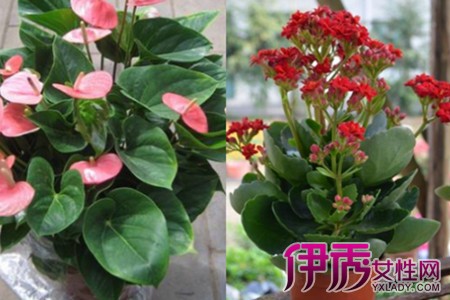
Because potted plants grow indoors, they are very prone to developing small bugs for various reasons. Today we will introduce several causes of bugs appearing in flower pots and methods for controlling them, hoping to help more friends in need.
One reason potted plants attract bugs: improper fertilizing. Some people like to water their flowers with their own rice-washing water or egg water, thinking this adds nutrients to the plants. In fact, this method nourishes not only the flowers but also the parasites in the pot. So if you fertilize your flowers, try to use proper fertilizer such as flower nutrient solution, and that way no strange little bugs will appear in the pot.
A second reason potted plants attract bugs: the potting soil is too wet, there is not enough sunlight, and ventilation is poor. Because potted flowers have limited growing conditions, their water and nutrient needs are also limited. If you always water them when the soil has not dried out, the potting soil stays moist for a long time and easily breeds bacteria, and many of the little bugs in flower pots come from bacteria multiplying this way. For bugs like these, you only need to water the flower roots with garlic juice, or repot the flower and put the infested soil out in the sun to bake.
A third reason potted plants attract bugs: dead leaves and rotten roots are not cleaned up in time. Some people have poor flower-growing habits; when leaves fall they do not remove them from the pot but instead let the dead leaves pile up more and more. This practice most easily causes flowers to attract bugs, because once dead leaves are soaked and rotted they produce parasitic fungi, and over time the little bugs become more and more numerous. The way to deal with it is to first clean out the flower pot thoroughly, then change the soil for the flower; only this way can you ensure the flower's health.
Many people think the bugs in flower pots are harmless and will not have too serious an effect on the flowers. This idea is wrong, because the bugs are bacteria produced by the soil or the flowers. Small problems untreated lead to big problems soon; if pest damage is not dealt with, the flowers will gradually be attacked by the bugs, and by the time the flowers are completely invaded by pests, dealing with it will no longer be easy.
How to prevent and control pests and diseases of potted aloe? Methods for preventing and controlling pests and diseases of potted aloe
How do you prevent pests and diseases of potted aloe? Do you understand all the methods for preventing and controlling pests and diseases of potted aloe? Aloe is an evergreen, succulent herbaceous plant that is widely cultivated. The key is preventing and controlling pests and diseases of potted aloe. Next, the editor will give you a detailed introduction to the methods for preventing and controlling pests and diseases of potted aloe.
Methods for preventing and controlling pests and diseases of potted aloe:
Common aloe diseases mainly include anthracnose, brown spot, leaf blight, southern blight, and bacterial diseases. For household potted aloe, disease prevention should be given priority. Before disease occurs, choose disease-resistant varieties and high-quality disease-free seedlings; their ornamental value has already declined. Before disease occurs, or after removing the diseased parts of plants that have already become ill, apply 0.5 to 0.8 Bordeaux mixture with equal amounts of lime, together with New High Lipid Film, to the aloe leaf surface; this can effectively prevent and inhibit pathogen invasion and spread. Disease treatment. After disease occurs, systemic therapeutic agents such as thiophanate-methyl and ridomil, as well as antibiotics such as streptomycin sulfate, agricultural streptomycin, kasugamycin, and validamycin, can be applied directly to kill the pathogenic bacteria inside the aloe and control the spread of the disease.
Teaching You How to Use Household Items to Control Pests
In the process of growing flowers at home, the most headache-inducing thing for flower lovers is how to control pests and diseases. Summer is coming soon, which is exactly the season when pests and diseases occur frequently. Below, the editor will introduce methods for eliminating pests for everyone's reference and study.
First, pest control should focus on prevention, and you should try to avoid bringing flowers with pests and diseases indoors. When purchasing potted flowers, you must carefully check whether the flowers are growing normally, whether there are various spots on the leaves, whether the leaves feel sticky when touched, and whether there are insects on the leaf backs, petioles, veins, leaf axils, and other places. Check carefully to ensure the purchased flowers do not carry pests or diseases. This is the most critical step in controlling pests and diseases of indoor potted flowers.
Once pests or diseases are found attacking the plants, measures should be taken immediately.
Manual pest removal: When the number of pests is not large, manual pest removal can be used. Spread a layer of newspaper under the flower pot, use a soft brush to gently brush off aphids, red spider mites, and other insects, then dispose of them together, and afterward rinse the affected parts with clean water. You can also wear gloves and use your hands to crush aphids, red spider mites, scale insects, whiteflies, and others to death on the affected parts, then rinse the affected parts with clean water.
Making your own sticky insect board to kill pests: Fix transparent wide tape with the adhesive side facing outward onto yellow cardboard, and hang it near flowers with pests. It can trap and kill adult whiteflies, winged aphids, and others.
Making your own preparations to prevent and control pests and diseases: If pesticides are used in a limited indoor space, they will seriously pollute the environment and have adverse effects on human health. Therefore, some safe and environmentally friendly special control methods can be adopted.
Tobacco liquid: Soak 50 grams of tobacco powder or cut tobacco in 1 liter of water. After 24 hours, filter it, and pour the filtrate into the flower pot. It can kill soil pests such as ants and earthworms in the potting soil. The filtrate can also be sprayed on the aboveground parts of the flowers (or add a little soapy water to the filtrate) to control aphids, red spider mites, and others.
Garlic liquid: Mash 60 grams of garlic, add it to 1 liter of water, soak, then filter. Take the filtrate and spray it on the leaf surface once a day for 3 to 4 consecutive sprays, or use a brush or toothbrush to apply the garlic liquid directly to the leaves. It can be used to control powdery mildew and leaf spot, and can also kill aphids, red spider mites, scale insects, and others. Watering the potting soil with garlic filtrate can kill earthworms, ants, and others in the potting soil, and also has a certain control effect on root rot.
Scallion liquid: Crush 100 grams of scallions, add 1 liter of water, soak for 12 hours, filter, and spray the filtrate on the aboveground parts of the flowers several times a day for 3 to 4 consecutive days. It can control aphids, powdery mildew, and others.
Ginger liquid: Crush 50 grams of ginger, add 1 liter of water, soak for 12 hours, filter, and spray the filtrate on the aboveground parts of potted flowers. It can control leaf spot, sooty mold, rot disease, and others, and can also control aphids, red spider mites, and others.
Chili liquid: Take 100 grams of dried chilies, cut them into small pieces, put them into 1 liter of water and bring to a boil. Simmer over low heat for 20 minutes, then filter. Spray the filtrate on the aboveground parts of the flowers to control pests such as aphids, red spider mites, and whiteflies. Poured into the potting soil, it can control soil pests such as grubs.
Sichuan pepper liquid: Put 100 grams of Sichuan pepper into 1 liter of water, heat and bring to a boil, and simmer over low heat into about 0.5 liters of liquid. Dilute 6 to 7 times, then spray on the aboveground parts of the flowers to control whiteflies, aphids, scale insects, and others.
Tomato leaf liquid: Mash 50 grams of fresh tomato leaves, add 150 grams of water, and soak for 6 hours. After filtering, spray the filtrate on the aboveground parts of the flowers to control aphids, red spider mites, and others.
Tomato juice: Mash tomatoes and extract the juice. Mix the original juice and water evenly at a ratio of 3:2, then add a little laundry detergent and spray it on the aboveground parts of the flowers to control red spider mites.
Citrus peel liquid: Break 100 grams of citrus peel into small pieces, put them into 1 liter of water, and soak for 24 hours. After filtering, take the filtrate and spray it on the aboveground parts of the flowers to control aphids, red spider mites, and others.
Rice vinegar liquid: Dilute rice vinegar 150 to 200 times and spray it on the aboveground parts of the flowers once about every 7 days for 3 to 4 consecutive sprays. It can control powdery mildew, leaf spot, and others, and also has a certain control effect on scale insects.
Essential balm liquid: Add 3 drops of essential balm to 100 milliliters of water, stir evenly, and spray it on the aboveground parts of the flowers to control aphids, scale insects, red spider mites, and others.
Alcohol liquid: Dilute alcohol with water 3 to 5 times and spray it on the affected parts of the flowers to control root rot, stem rot, and others.
Laundry detergent liquid: Take 5 grams of laundry detergent, add it to 1 liter of water, and after it fully dissolves, spray it on the aboveground parts of the flowers to control aphids, scale insects, whiteflies, and others.
Soap liquid: Take 5 grams of soap, add it to 250 milliliters of hot water, and after it fully dissolves, spray it on the aboveground parts of the flowers to control aphids, scale insects, whiteflies, and others.
If the above methods still do not work, then you can only consider treating with pesticide spraying. Common pesticide insecticides include imidacloprid, celastrus angulatus extract, abamectin, phoxim, and others. These insecticides have the characteristics of good effectiveness, low toxicity, and low residue. But medicine always has some toxicity, so when using pesticides, you must wear gloves and a mask to prevent poisoning incidents.
Summary: The above is knowledge related to pest removal in home flower growing. We hope it is helpful for your pest control.